
“We moved to Murray for the schools, but stayed for the neighbors.”
That sentiment captures much of what defines life in Murray, UT—a city where suburban practicality meets surprising convenience, and where families find both infrastructure and community without sacrificing access to the broader Salt Lake Valley. But like any place, Murray’s vibe isn’t universal. What feels like “just right” to one household can feel like “not quite enough” to another. Understanding the emotional texture of Murray means understanding the tradeoffs people navigate daily: the balance between calm and stimulation, between accessibility and identity, between established roots and evolving growth.
What It Feels Like to Live Here
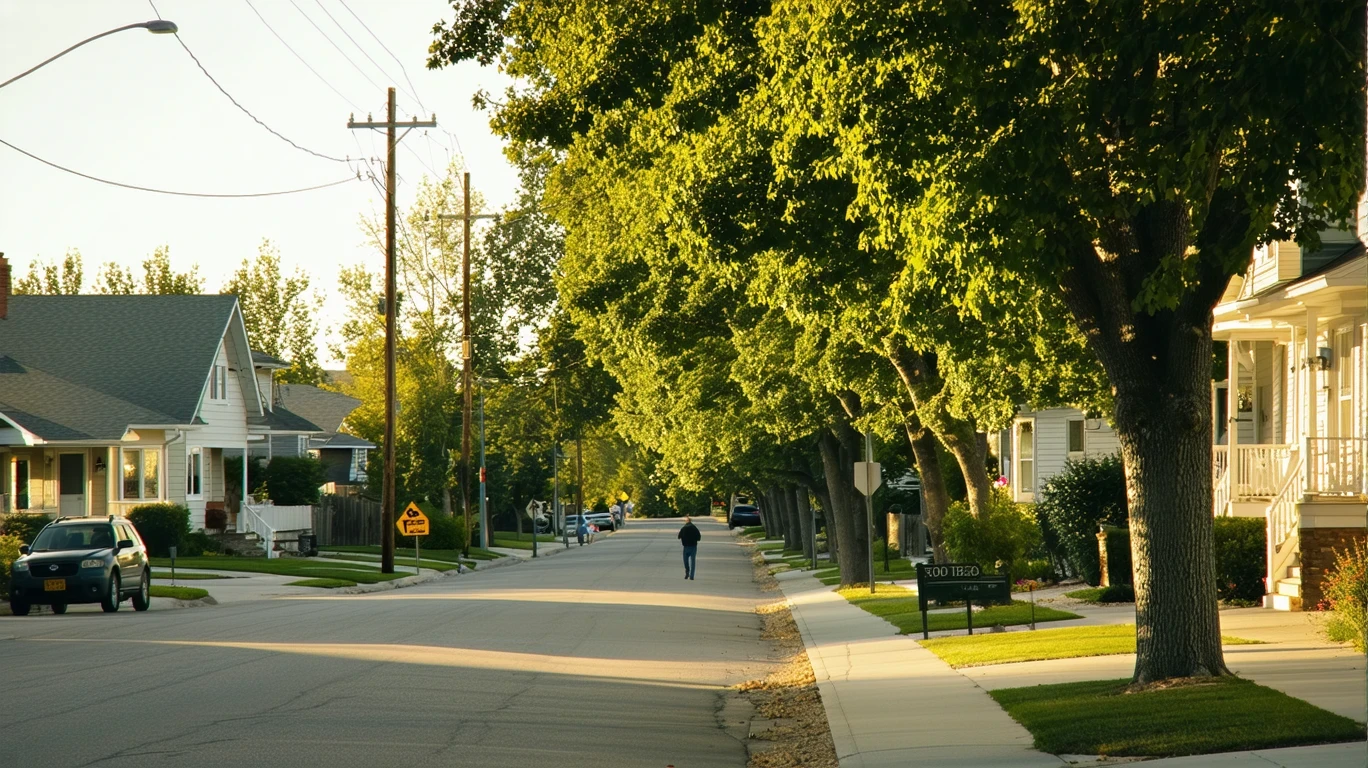
Murray occupies a middle ground that tends to reward pragmatism. It’s not the kind of place that announces itself with dramatic scenery or a singular identity. Instead, it offers a blend: residential neighborhoods with mature trees and modest homes, commercial corridors with dense grocery and retail options, and pockets of walkable infrastructure that make daily errands manageable without a car—at least in certain areas. The presence of rail transit adds an escape route for commuters, and the city’s location within the Salt Lake metro means urban amenities are close when you want them, but not imposed when you don’t.
For families, Murray tends to feel like it “works.” Schools and playgrounds are woven throughout the city, and the density of parks—including water features—gives kids and parents alike space to decompress. The availability of a hospital and pharmacies adds a layer of security that matters when managing household logistics. People who value being able to walk to the grocery store, grab a prescription, and catch a train without complex planning often describe Murray as surprisingly functional.
But for those seeking cultural texture, nightlife, or a strong sense of place identity, Murray can feel flat. It’s not a destination city. It doesn’t have a downtown that pulls people in for weekend exploration. The mixed building character—neither fully low-rise suburban nor notably vertical—reflects a city in transition, and that in-between quality can feel either flexible or undefined, depending on what you’re looking for.
The Buzz: What People Talk About Online
In local Facebook groups and on Reddit threads about the Salt Lake Valley, Murray tends to come up in practical terms rather than emotional ones. Conversations often center on convenience: where to find good takeout, which parks have the best playgrounds, how the TRAX line compares to driving. There’s a recurring theme of mild surprise—people didn’t expect Murray to be as accessible as it is.
“I thought it would just be another suburb, but I can actually walk to three different grocery stores from my house. That’s rare around here.”
“It’s quiet, but not isolated. I can be in downtown Salt Lake in 20 minutes if I want, or stay local and still get everything done.”
There’s also a thread of tension around growth and change. Longtime residents sometimes express protectiveness over the city’s older, established character, while newcomers appreciate the newer developments and improved amenities. This isn’t conflict so much as coexistence—two versions of Murray overlapping without fully reconciling.
“It’s not the same Murray I grew up in, but I get why people are moving here. It’s just hard to see the old spots disappear.”
How Local Coverage Frames the City
Local news outlets and community blogs tend to frame Murray through the lens of steady evolution rather than dramatic transformation. Coverage often highlights incremental improvements—new retail openings, park upgrades, transit expansions—without declaring a bold new identity. The tone is measured, reflecting a city that’s neither booming nor stagnant, but adjusting.
Recurring topic buckets include:
- “Community Debates What Growth Should Look Like”
- “New Amenities Arrive as Suburban Identity Shifts”
- “Families Find Balance Between Access and Affordability”
- “Transit Connections Expand as Commute Patterns Change”
- “Residents Weigh Convenience Against Neighborhood Character”
The framing rarely celebrates or condemns—it observes. That neutrality reflects Murray’s emotional reality: it’s a city that functions well for many people without demanding strong feelings in return.
What Reviews and Public Perception Reveal
On platforms like Google Reviews, Yelp, and Nextdoor-style forums, Murray earns steady but unspectacular marks. The praise tends to focus on reliability: grocery stores are plentiful, parks are clean, schools are accessible, and the location makes commuting manageable. People who wanted suburban comfort without isolation tend to feel satisfied.
“We needed a place where we could raise kids without feeling stuck. Murray checks that box. Good schools, safe streets, and I can still get to work without losing my mind in traffic.”
The complaints, when they appear, center on lack of texture. Murray doesn’t offer much in the way of walkable nightlife, independent coffee shops, or cultural gathering spots. For younger professionals or empty-nesters seeking vibrancy, the city can feel utilitarian.
“It’s fine if you’re in full family mode, but if you want to grab a drink and walk around somewhere interesting, you’re driving to Sugar House or downtown.”
Neighborhood variation exists but isn’t sharply defined. Newer planned areas tend to feel more uniform and car-oriented, while older pockets closer to the city center have more sidewalk activity and mixed-use character. The difference isn’t dramatic, but it matters to people who care about walkability.
How Murray Compares to Nearby Cities
| Aspect | Murray | West Jordan | Taylorsville |
|---|---|---|---|
| Overall Vibe | Pragmatic suburban with urban access | Family-focused, more sprawling | Quiet, modest, less commercial density |
| Walkability | Pockets of strong pedestrian infrastructure | Limited, car-dependent overall | Minimal, very car-oriented |
| Transit Access | Rail present, functional for commuters | Bus service, less frequent | Limited transit options |
| Errands & Groceries | High density, broadly accessible | Moderate, corridor-based | Sparse, requires planning |
| Family Infrastructure | Strong, schools and playgrounds integrated | Strong, newer developments prioritize families | Present but less dense |
| Identity & Character | In transition, neither old nor new dominates | Established suburban, growing fast | Modest, understated, less change |
Murray sits between West Jordan’s sprawling family focus and Taylorsville’s quieter, more modest profile. If you want housing tradeoffs that balance access and affordability without sacrificing transit or errands density, Murray tends to edge ahead. If you prioritize newer construction and don’t mind driving everywhere, West Jordan might feel more cohesive. If you want maximum quiet and minimal commercial activity, Taylorsville offers that—but you’ll sacrifice convenience.
None of these cities offers the cultural texture or nightlife of Salt Lake City proper, but Murray’s rail access and walkable pockets give it more flexibility for households that want suburban calm with occasional urban escape routes.
Voices from the Community
“I was skeptical about moving to a suburb, but Murray surprised me. I can walk my kids to school, bike to the park, and still catch TRAX downtown when I need to. It’s not exciting, but it works.”
“We’ve been here for 15 years, and it’s changed a lot. Some of the old charm is gone, but I can’t argue with the convenience. Everything we need is within a few miles.”
“If you’re looking for nightlife or a strong downtown vibe, this isn’t it. But if you want a functional place to raise a family without feeling isolated, Murray delivers.”
“I work remotely and needed a place where I wasn’t stuck in the house all day. The parks here are great, and I can walk to coffee or lunch without getting in the car. That matters more than I expected.”
“It’s not the most exciting place, but that’s kind of the point. We wanted stability and access, not constant stimulation. Murray gives us that.”
“I miss the old Murray—it felt more like a small town. Now it’s just another suburb. But I get why people like it. It’s practical.”
“For retirees, it’s solid. Medical facilities are close, parks are easy to access, and you’re not dealing with the chaos of a bigger city. It’s calm without being isolating.”
Does Murray Feel Like a Good Fit?
Murray doesn’t ask you to fall in love with it. It asks you to recognize whether its tradeoffs align with your priorities. If you’re a family seeking schools, playgrounds, and errands density without sacrificing transit access, Murray tends to feel like a smart, functional choice. If you’re a commuter who values rail connections and doesn’t want to live in the urban core, the city offers a practical middle ground. If you want suburban calm but worry about isolation, Murray’s walkable pockets and commercial density provide flexibility.
But if you’re seeking a strong sense of place identity, cultural texture, or walkable nightlife, Murray will likely feel insufficient. It’s not a destination city. It’s a city that works quietly in the background, supporting quality of life factors without demanding attention.
The people who thrive here tend to value function over form, access over atmosphere, and pragmatic convenience over emotional resonance. The people who feel restless here tend to want more texture, more vibrancy, more “there” there.
Murray’s vibe isn’t for everyone—but for the households it fits, it tends to fit well. If you’re still weighing whether that includes you, exploring where money goes in daily life here, or comparing housing options in nearby cities, can help clarify whether Murray’s particular blend of suburban calm and urban access matches what you’re looking for.
How this article was built: In addition to public economic data, this article incorporates location-based experiential signals derived from anonymized geographic patterns—such as access density, walkability, and land-use mix—to reflect how day-to-day living actually feels in Murray, UT.
The perspectives shown reflect commonly expressed local sentiment and recurring themes in public discussion, rather than individual accounts.