
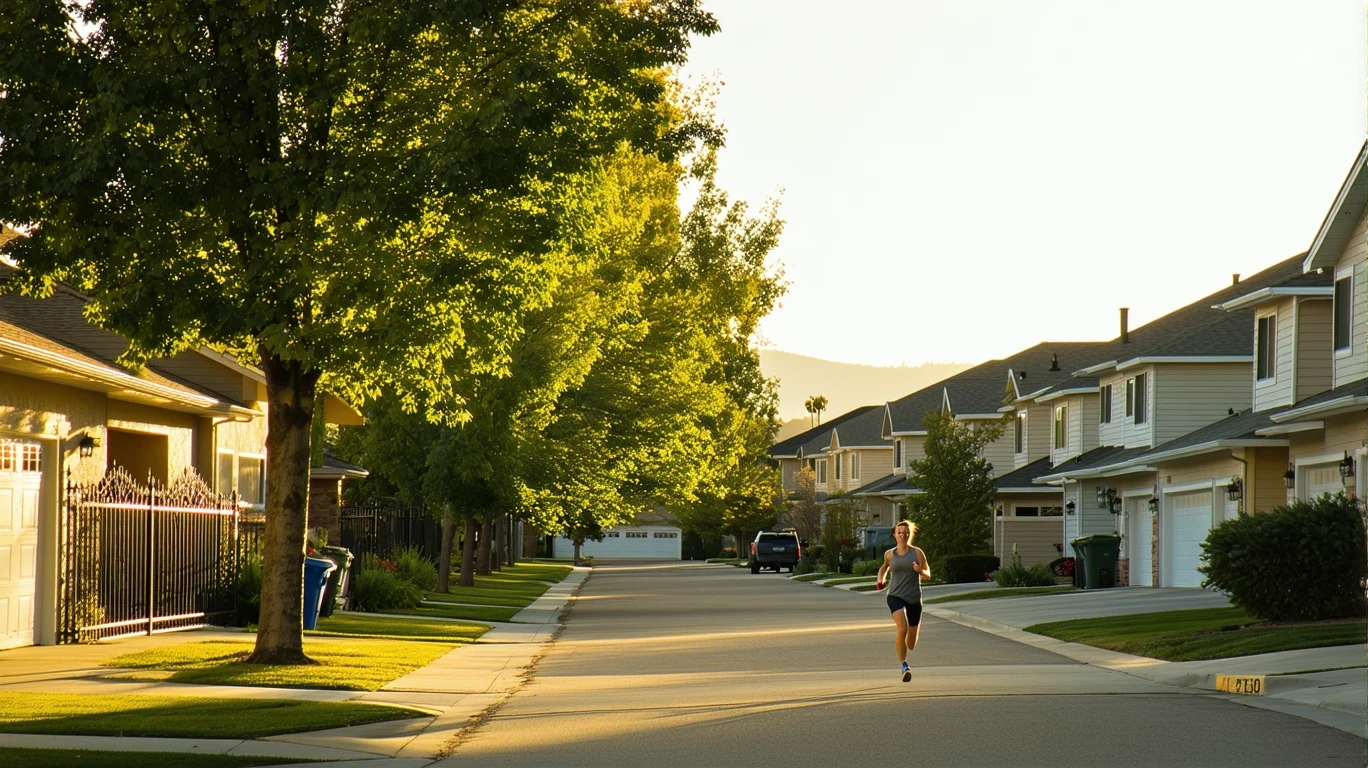
Herriman and Taylorsville sit within the same Salt Lake City metro area, share the same regional price environment, and face identical utility rates—but the cost experience in each city is shaped by fundamentally different infrastructure, housing stock, and household logistics. Families drawn to newer construction and integrated outdoor amenities often compare Herriman’s walkable pockets and rail transit access against Taylorsville’s lower housing entry point and more traditional suburban form. The decision isn’t about which city costs less overall; it’s about which cost pressures show up first, which households feel them most acutely, and whether the tradeoff between housing entry barrier and day-to-day friction aligns with your household’s priorities in 2026.
Both cities reflect Utah’s broader affordability dynamics—moderate regional price parity, low unemployment, and energy costs driven more by seasonal heating and cooling than by rate volatility. Yet the texture of daily life differs sharply. Herriman’s substantial pedestrian infrastructure, notable cycling presence, and high park density create a living pattern where errands, recreation, and commuting can sometimes bypass car dependence, even in a region historically built around driving. Taylorsville’s cost structure is less documented in terms of mobility and access infrastructure, but its lower median home value and rent suggest a different entry calculus for households prioritizing upfront affordability over amenity density.
What follows is a granular comparison of how housing, utilities, groceries, transportation, taxes, and lifestyle factors behave differently in Herriman and Taylorsville—not to declare a winner, but to clarify where cost pressure concentrates, where flexibility exists, and which households are better positioned to absorb or avoid specific financial friction points.
Housing Costs: Entry Barrier vs. Ongoing Obligation
Housing dominates the cost structure in both cities, but the entry point and ongoing exposure differ substantially. Herriman’s median home value of $486,200 and median gross rent of $1,702 per month reflect a market where newer construction, mixed-use land development, and proximity to rail transit command a premium. Taylorsville’s median home value of $358,900 and median gross rent of $1,345 per month position it as a more accessible entry point for first-time buyers and renters prioritizing lower upfront costs over infrastructure density. The difference isn’t subtle—it shapes who can enter each market and what financial flexibility remains after securing housing.
For renters, the gap between $1,702 and $1,345 per month represents a structural difference in how much income is committed before utilities, transportation, or groceries enter the equation. Herriman’s rental market reflects demand for walkable pockets, integrated green space, and rail access—amenities that reduce car dependence and time costs but require higher monthly housing outlays. Taylorsville’s rental stock, while less expensive, may require renters to absorb more transportation friction and longer commutes, depending on employment location and household logistics. Neither city offers a clear advantage for all renters; the tradeoff hinges on whether a household values proximity to transit and outdoor amenities enough to justify the higher monthly obligation.
Homebuyers face a similar calculus, but the stakes are magnified. Herriman’s higher median home value creates a steeper down payment requirement and larger monthly mortgage obligation, even with identical interest rates. Families prioritizing space, newer construction, and access to parks may find Herriman’s housing stock worth the premium, particularly if rail transit reduces commute costs and time over the long term. Taylorsville’s lower home values ease the entry barrier for buyers with tighter budgets or smaller down payments, but the savings at purchase may be offset by higher transportation costs, older housing stock with less energy efficiency, and fewer walkable errands options. The housing decision in these two cities is less about affordability in isolation and more about which ongoing costs—transportation, time, or housing itself—a household is better equipped to manage.
| Housing Type | Herriman | Taylorsville | What This Means |
|---|---|---|---|
| Median Home Value | $486,200 | $358,900 | Herriman requires higher down payment and larger mortgage; Taylorsville eases entry barrier but may shift cost pressure to transportation and maintenance |
| Median Gross Rent | $1,702/month | $1,345/month | Herriman’s rental premium reflects walkable infrastructure and rail access; Taylorsville’s lower rent may require more car dependence and commute time |
Housing takeaway: Herriman’s housing market favors households willing to absorb a higher entry barrier in exchange for infrastructure density, rail transit, and integrated outdoor amenities. Taylorsville fits households prioritizing lower upfront housing costs and willing to navigate transportation and errands logistics with less pedestrian and transit infrastructure. First-time buyers and renters with tighter budgets may find Taylorsville more accessible at entry, while families prioritizing walkability, parks, and reduced car dependence may justify Herriman’s premium as a long-term tradeoff against transportation and time costs.
Utilities and Energy Costs: Predictability in a Shared Rate Environment
Herriman and Taylorsville share identical electricity rates of 13.69¢/kWh and natural gas prices of $11.40/MCF, which means utility cost differences are driven entirely by housing stock, home size, insulation quality, and seasonal heating and cooling behavior—not by rate structures. Utah’s climate imposes both heating and cooling demands, with cold winters requiring natural gas or electric heating and hot, dry summers driving air conditioning usage. The intensity of these seasonal swings depends more on home age, square footage, and construction quality than on geographic location within the metro area.
Herriman’s newer housing stock and mixed building height profile suggest that many homes benefit from modern insulation standards, energy-efficient windows, and updated HVAC systems. Newer construction typically reduces baseline heating and cooling exposure, making utility costs more predictable and less volatile across seasons. Families in larger single-family homes will still face higher absolute usage, but the efficiency gains from recent construction can dampen the seasonal spikes that older homes experience. Taylorsville’s housing stock skews older on average, which often translates to higher heating costs in winter, more air conditioning strain in summer, and less predictable monthly bills. Older homes with single-pane windows, minimal attic insulation, or aging furnaces can see utility costs swing sharply between mild and extreme weather months.
Household size and housing type also shape utility exposure differently in each city. Single adults or couples in Herriman apartments benefit from smaller conditioned spaces and shared wall insulation, which keeps baseline usage low even during temperature extremes. Families in Taylorsville single-family homes face higher exposure due to larger square footage, standalone construction, and older systems that cycle more frequently under load. The cost difference isn’t about rates—it’s about how much conditioned space a household is heating or cooling, how efficiently that space retains temperature, and whether the home’s construction vintage allows for cost control through behavioral adjustments like programmable thermostats or zone heating.
Utility takeaway: Herriman’s newer housing stock and mixed building forms create more predictable utility costs, with modern insulation and efficient HVAC systems dampening seasonal volatility. Taylorsville’s older housing stock introduces more exposure to heating and cooling swings, particularly for families in larger single-family homes. Households prioritizing utility predictability and lower seasonal volatility may find Herriman’s construction vintage advantageous, while those willing to manage older systems and accept higher seasonal variation can offset some of that exposure through Taylorsville’s lower housing entry costs. Neither city imposes rate-based disadvantages; the difference is structural, not regulatory.
Groceries and Daily Expenses: Corridor Clustering vs. Habit Flexibility
Grocery and daily spending pressure in Herriman and Taylorsville is shaped less by price differences—both cities share the same regional price parity index of 96—and more by access patterns, store clustering, and how much time and friction households absorb to reach lower-cost options. Herriman’s food and grocery establishments are corridor-clustered, with medium-density access to both food and grocery options. This means that while options exist, they’re concentrated along specific routes rather than distributed evenly across neighborhoods. Families planning weekly grocery trips can access big-box stores and discount chains, but daily errands or quick top-up shopping may require more intentional routing and car dependence.
Taylorsville lacks detailed experiential signals on grocery and food accessibility, but its more traditional suburban form and lower housing density suggest a similar reliance on car-based grocery trips and corridor shopping. The absence of documented walkable grocery access or neighborhood-scale food options means that households in both cities are likely managing groceries through planned trips rather than spontaneous errands. The cost implication isn’t about per-item pricing—it’s about whether a household has the schedule flexibility to consolidate trips, compare prices across stores, and avoid convenience spending that creeps in when time is tight and options are scattered.
Single adults and couples with flexible schedules can minimize grocery costs in either city by planning around sales, using warehouse clubs, and cooking at home. Families managing larger volumes, tighter schedules, and multiple dependents face more pressure to balance time against price. Herriman’s corridor-clustered access may offer slightly more options within a single trip, reducing the need to visit multiple stores, but the tradeoff is still car-dependent and requires intentional planning. Taylorsville’s grocery landscape likely mirrors this pattern, with cost control hinging more on household habits—meal planning, batch cooking, and avoiding takeout—than on structural price advantages.
Grocery takeaway: Herriman’s corridor-clustered food and grocery access provides medium-density options but still requires car-based planning and intentional trip consolidation. Taylorsville’s grocery structure is less documented, but lower housing density and traditional suburban form suggest similar car dependence and corridor shopping. Households sensitive to grocery costs should focus on planning, bulk buying, and avoiding convenience spending rather than expecting meaningful price differences between the two cities. Families with tighter schedules may feel more friction in both cities, as neither offers dense, walkable grocery access that reduces the time cost of daily errands.
Taxes and Fees: Shared Burden, Different Housing Exposure
Herriman and Taylorsville operate within the same county tax structure, which means property tax rates, sales tax rates, and most local fees are regionally consistent rather than city-specific. The difference in tax burden comes not from rate variation but from assessed home values and the presence of homeowner association fees, special assessments, or municipal service charges that vary by neighborhood and housing type. Herriman’s higher median home value translates directly to higher annual property tax obligations for homeowners, even at identical millage rates. A home valued at $486,200 will generate a larger tax bill than one valued at $358,900, and that difference compounds annually as long as the home is owned.
For renters, property taxes are embedded in monthly rent but not separately itemized, so the direct impact is less visible. However, landlords in Herriman face higher tax obligations and typically pass some portion of that cost through to tenants via higher base rent. Taylorsville renters benefit indirectly from lower assessed home values, which reduce the landlord’s tax burden and create downward pressure on rent levels. The tradeoff is that Taylorsville’s older housing stock may require more frequent maintenance and repair, which can introduce variability in rent renewals or one-time fees for property upkeep.
Homeowner association fees are more common in Herriman’s newer developments, where planned communities often bundle landscaping, snow removal, and shared amenity maintenance into monthly or quarterly HOA dues. These fees add predictability—households know what they’ll pay each month—but they also create a non-negotiable recurring cost that doesn’t fluctuate with usage or behavior. Taylorsville’s older neighborhoods are less likely to carry HOA fees, which reduces recurring obligations but shifts responsibility for yard maintenance, snow removal, and exterior upkeep directly to the homeowner. The cost difference isn’t always visible in monthly budgets, but it shows up in time, effort, and occasional large expenses like tree removal or driveway repair.
Tax and fee takeaway: Herriman homeowners face higher property tax obligations due to elevated home values, and many neighborhoods carry HOA fees that add predictability but increase recurring costs. Taylorsville homeowners benefit from lower property taxes and fewer HOA obligations, but older housing stock may introduce more variability in maintenance and repair costs. Renters in Herriman absorb some of the property tax burden through higher base rent, while Taylorsville renters benefit from lower assessed values and reduced landlord tax exposure. Households planning to stay long-term should weigh the predictability of HOA-managed services in Herriman against the flexibility and lower recurring fees in Taylorsville.
Getting Around: Rail Access vs. Car Reliance
Transportation costs and commute friction differ sharply between Herriman and Taylorsville, not because of gas prices—both cities see nearly identical fuel costs around $2.60/gal—but because of infrastructure, transit access, and the daily logistics of getting to work, errands, and recreation. Herriman’s rail transit presence and substantial pedestrian infrastructure create opportunities to reduce car dependence for households whose employment, errands, and social activities align with transit corridors. The city’s high pedestrian-to-road ratio and notable cycling infrastructure mean that some trips—school drop-offs, park visits, neighborhood errands—can happen on foot or by bike, reducing wear on vehicles and avoiding short-trip fuel consumption.
Herriman’s average commute time of 27 minutes reflects a mix of rail users, carpoolers, and solo drivers, with 46.2% of workers facing long commutes and only 5.6% working from home. The long commute percentage suggests that many Herriman residents travel outside the immediate area for work, but the presence of rail transit offers an alternative to driving for those whose employment is accessible via the system. Households that can use rail for commuting avoid not just fuel costs but also parking fees, vehicle depreciation from high mileage, and the time stress of navigating traffic. For families with two working adults, the ability to use rail for even one commute can meaningfully reduce transportation pressure.
Taylorsville lacks detailed commute data in the input feed, but the absence of documented rail transit or high pedestrian infrastructure suggests a more car-dependent daily pattern. Households in Taylorsville are likely driving for nearly all trips—commuting, groceries, errands, recreation—which increases fuel consumption, vehicle maintenance frequency, and exposure to gas price volatility. The cost difference isn’t always visible in monthly budgets, but it accumulates through oil changes, tire replacements, brake wear, and the eventual need to replace a vehicle that’s logged high annual mileage. Families managing multiple vehicles face compounded exposure, as each car requires insurance, registration, and maintenance on its own cycle.
Transportation takeaway: Herriman’s rail transit and walkable pockets reduce car dependence for households whose daily patterns align with transit corridors and pedestrian infrastructure. Taylorsville’s transportation structure is less documented, but the absence of rail and lower pedestrian density suggest higher car reliance and more exposure to fuel, maintenance, and vehicle replacement costs. Households prioritizing lower transportation friction and reduced car dependence may find Herriman’s infrastructure advantageous, while those willing to absorb higher vehicle usage and maintenance can offset some of that cost through Taylorsville’s lower housing entry point. The tradeoff is between upfront housing costs and ongoing transportation exposure.
Where Cost Pressure Concentrates
Housing pressure dominates the cost experience in Herriman, where elevated home values and rents create a steep entry barrier but deliver infrastructure density, rail transit access, and integrated outdoor amenities in return. Families willing to absorb higher monthly housing obligations gain access to walkable pockets, notable cycling infrastructure, and high park density—amenities that reduce car dependence, lower transportation costs, and create more flexibility in how households manage daily logistics. Taylorsville’s lower housing entry point eases the upfront burden for renters and first-time buyers, but the cost savings at entry may be offset by higher car dependence, longer commutes, and less pedestrian infrastructure to reduce transportation friction.
Utilities introduce similar exposure in both cities due to shared electricity and natural gas rates, but Herriman’s newer housing stock and mixed building forms create more predictable seasonal costs and less volatility. Taylorsville’s older housing stock may require households to manage sharper heating and cooling swings, particularly in larger single-family homes with aging insulation and HVAC systems. The difference isn’t about rates—it’s about how much energy a home requires to stay comfortable and whether the construction vintage allows for behavioral cost control.
Groceries and daily spending follow similar patterns in both cities, with corridor-clustered access requiring car-based planning and intentional trip consolidation. Neither city offers dense, walkable grocery options that reduce the time cost of errands, so households sensitive to grocery spending should focus on planning, bulk buying, and avoiding convenience purchases rather than expecting structural price advantages. Transportation patterns matter more in Herriman, where rail transit and pedestrian infrastructure create opportunities to reduce car dependence, while Taylorsville’s less-documented mobility structure suggests higher reliance on personal vehicles for nearly all trips.
The decision between Herriman and Taylorsville isn’t about which city costs less overall—it’s about which cost pressures a household is better positioned to absorb. Households prioritizing lower upfront housing costs and willing to manage higher car dependence may find Taylorsville more accessible, while those valuing rail transit, walkable infrastructure, and integrated outdoor amenities may justify Herriman’s housing premium as a tradeoff against transportation and time costs. For households sensitive to predictability, Herriman’s newer construction and transit access reduce volatility in both utilities and transportation, while Taylorsville’s lower entry point offers more flexibility for households prioritizing upfront affordability over infrastructure density.
How the Same Income Feels in Herriman vs Taylorsville
Single Adult
For a single adult, housing becomes the first non-negotiable cost, and the difference between Herriman’s $1,702 median rent and Taylorsville’s $1,345 median rent shapes how much flexibility remains for everything else. Herriman’s higher rent buys access to rail transit and walkable pockets, which can reduce car dependence and lower transportation costs if employment aligns with transit corridors. Taylorsville’s lower rent eases the monthly housing burden but likely requires a car for nearly all trips, increasing fuel, insurance, and maintenance exposure. Flexibility exists in grocery spending and discretionary costs in both cities, but Herriman’s infrastructure allows a single adult to potentially avoid owning a car altogether, while Taylorsville’s car-dependent structure makes vehicle ownership a practical necessity. The same income feels tighter in Herriman if housing absorbs too much of the budget, but more predictable if transit access reduces transportation volatility.
Dual-Income Couple
A dual-income couple faces a different calculus, where two commutes, two sets of transportation costs, and the potential for one partner to use rail transit in Herriman create meaningful cost differentiation. Herriman’s rail access allows one commuter to avoid driving, which reduces vehicle wear, parking fees, and fuel consumption, while the other partner may still drive for flexibility. Taylorsville’s lower housing costs free up income for other priorities, but both partners likely need cars, which doubles insurance, registration, and maintenance obligations. Flexibility in Herriman comes from infrastructure—walkable errands, rail commutes, and integrated parks reduce the need for weekend driving—while flexibility in Taylorsville comes from lower upfront housing costs that leave more room for discretionary spending. The same income feels more predictable in Herriman if both partners can reduce car dependence, but more flexible in Taylorsville if lower housing costs allow for savings or debt paydown.
Family with Kids
Families with kids face the most complex cost structure, where housing, transportation, groceries, and time all compete for limited resources. Herriman’s higher housing costs create front-loaded pressure, but the city’s high park density, moderate playground infrastructure, and walkable pockets reduce the need to drive kids to recreation, which saves time and fuel. Taylorsville’s lower housing entry point eases the upfront burden, but families likely need multiple cars to manage school drop-offs, errands, and activities, which increases ongoing transportation exposure. Grocery costs behave similarly in both cities, but Herriman’s corridor-clustered access may allow families to consolidate trips more efficiently, while Taylorsville’s structure requires more intentional planning. The same income feels tighter in Herriman if housing absorbs too much of the budget, but less stressful if rail access and walkable infrastructure reduce the time cost of managing household logistics. In Taylorsville, the same income feels more flexible at entry but more exposed to transportation and time friction as kids’ schedules grow more complex.
Decision Matrix: Which City Fits Which Household?
| Decision factor | If you’re sensitive to this… | Herriman tends to fit when… | Taylorsville tends to fit when… |
|---|---|---|---|
| Housing entry + space needs | You need to minimize upfront costs or maximize space per dollar | You prioritize infrastructure density and newer construction over entry affordability | You prioritize lower entry barrier and are willing to absorb older housing stock |
| Transportation dependence + commute friction | You want to reduce car dependence or avoid long solo commutes | Your employment aligns with rail corridors and you value walkable errands infrastructure | You’re comfortable with car dependence and willing to manage higher vehicle usage |
| Utility variability + home size exposure | You want predictable seasonal bills and minimal volatility | You value newer construction and efficient HVAC systems that dampen seasonal swings | You’re willing to manage older systems and accept higher heating and cooling variability |
| Grocery strategy + convenience spending creep | You need to control food costs through planning and bulk buying | You can consolidate trips along corridors and avoid convenience purchases | You can plan around car-based shopping and manage time friction without walkable options |
| Fees + friction costs (HOA, services, upkeep) | You want predictable recurring costs or prefer to avoid HOA obligations | You value bundled services and predictable HOA-managed amenities | You prefer lower recurring fees and are willing to manage your own maintenance and upkeep |
| Time budget (schedule flexibility, errands, logistics) | You need to minimize time spent on errands and household logistics | You value walkable infrastructure and rail access that reduce trip frequency and driving time | You have schedule flexibility to manage car-based errands and longer trip chains |
Lifestyle Fit: Infrastructure vs. Affordability
Herriman and Taylorsville offer distinct lifestyle textures shaped by infrastructure, outdoor access, and the daily rhythm of getting things done. Herriman’s walkable pockets, rail transit presence, and integrated green space create a living pattern where households can sometimes bypass car dependence for errands, recreation, and commuting. The city’s high park density and water features provide accessible outdoor amenities without requiring long drives, which reduces weekend transportation costs and creates more spontaneous recreation opportunities. Families with young kids benefit from moderate playground infrastructure and the ability to walk or bike to parks, while adults prioritizing fitness or outdoor time find that green space is woven into the city’s fabric rather than concentrated in distant regional parks.
Taylorsville’s lifestyle structure is less documented in terms of pedestrian infrastructure and outdoor amenities, but its lower housing costs and more traditional suburban form suggest a quieter, car-oriented daily pattern. Households prioritizing larger homes, lower entry costs, and a more conventional suburban rhythm may find Taylorsville’s structure familiar and manageable, particularly if they’re comfortable with driving for most trips and don’t prioritize walkable errands or transit access. The absence of detailed signals on parks, playgrounds, or healthcare access doesn’t mean these amenities are absent—it simply means the city’s infrastructure is less differentiated from typical suburban patterns.
Commute times and work-from-home patterns also shape lifestyle fit. Herriman’s 27-minute average commute and 5.6% work-from-home rate suggest that most residents are commuting regularly, but the presence of rail transit offers an alternative to solo driving for those whose employment aligns with the system. Taylorsville lacks detailed commute data, but its proximity to the Salt Lake City metro core and lower housing costs suggest it may attract households willing to trade longer commutes for more affordable housing. The lifestyle tradeoff isn’t about which city is more convenient overall—it’s about whether a household values infrastructure density and outdoor amenities enough to absorb higher housing costs, or whether lower entry costs and traditional suburban form align better with their daily priorities.
Herriman’s median household income of $115,198 per year reflects a population with higher earning power, while Taylorsville’s $81,417 per year suggests a more economically diverse resident base. Both cities share a 3.2% unemployment rate, indicating stable regional labor market conditions. Herriman’s 46.2% long commute percentage suggests that many residents are traveling significant distances for work, which underscores the importance of rail transit and walkable infrastructure in reducing time and transportation costs.
Frequently Asked Questions
Is Herriman or Taylorsville cheaper for renters in 2026?
Taylorsville offers lower median gross rent at $1,345 per month compared to Herriman’s $1,702 per month, which eases the upfront housing burden for renters prioritizing lower monthly obligations. However, Herriman’s higher rent reflects access to rail transit, walkable pockets, and integrated outdoor amenities that can reduce transportation costs and time friction. Renters who can use rail for commuting or who value walkable errands infrastructure may find that Herriman’s premium is offset by lower car dependence, while those prioritizing the lowest possible rent and comfortable with car-based logistics may find Taylorsville more accessible.
Which city has lower transportation costs, Herriman or Taylorsville?
Transportation costs depend more on infrastructure and daily patterns than on gas prices, which are nearly identical in both cities. Herriman’s rail transit presence and high pedestrian-to-road ratio create opportunities to reduce car dependence, lower fuel consumption, and avoid parking fees for households whose employment and errands align with transit corridors. Taylorsville’s less-documented mobility infrastructure suggests higher car reliance, which increases fuel, maintenance, and vehicle replacement exposure. Households that can use rail or walk for some trips in Herriman may experience lower ongoing transportation costs, while those in Taylorsville should plan for higher vehicle usage and associated expenses.
Do utilities cost more in Herriman or Taylorsville in 2026?
Herriman and Taylorsville share identical electricity rates