
Residents who rely on public transit in Herriman can save thousands annually compared to driving alone—but only if their daily routine aligns with where transit actually goes. Herriman sits in Utah’s rapidly growing southwest corridor, where rail access exists but doesn’t eliminate the need for a car. Understanding how transportation works here means recognizing that public transit in Herriman serves commuters heading to downtown Salt Lake City far better than it serves daily errands, school runs, or multi-stop trips within the city itself.
This article explains what transportation options exist in Herriman, who benefits from transit, and how mobility shapes daily life and household logistics in 2026.
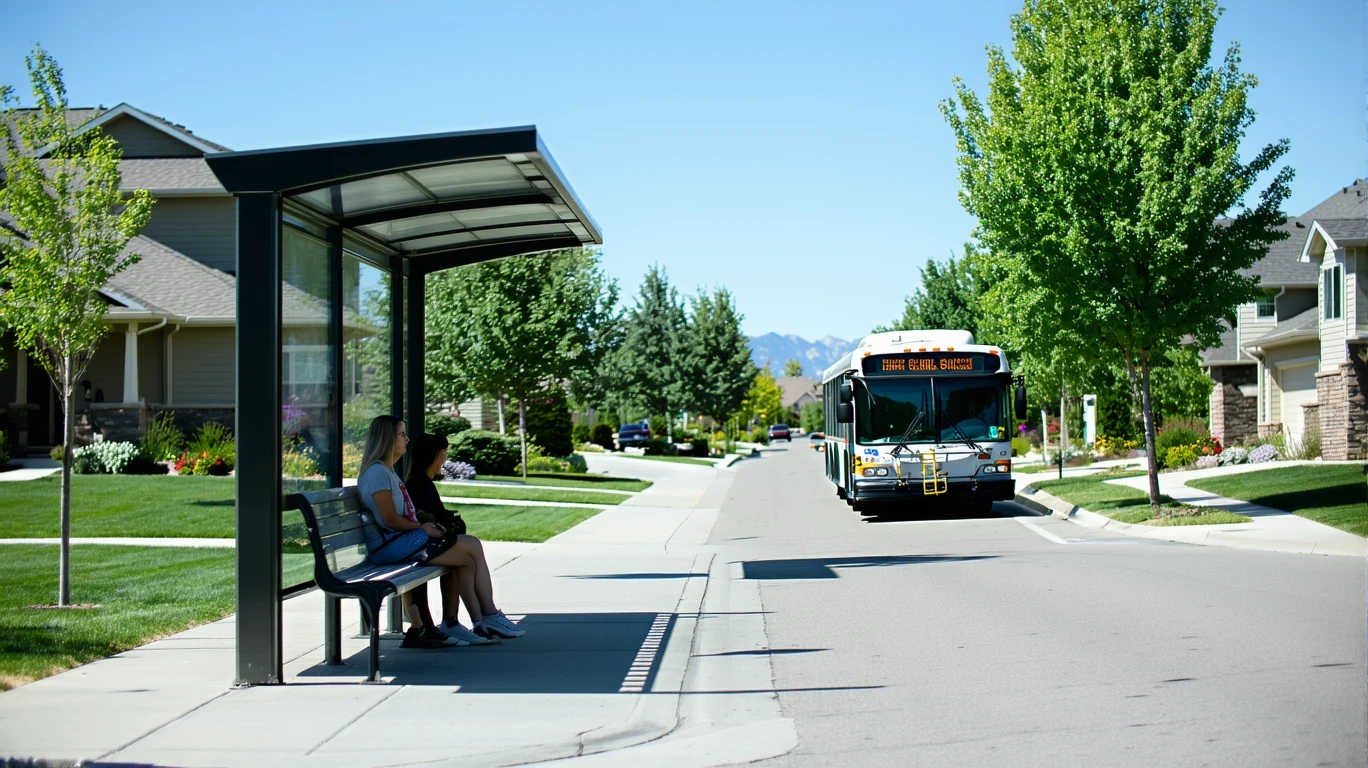
How People Get Around Herriman
Herriman is a car-first suburb with selective transit access. The city has grown quickly over the past two decades, and its street layout reflects that: newer subdivisions, wide arterials, and commercial corridors designed around driving. Most residents own at least one vehicle, and many households operate two or more to manage work, errands, and family schedules.
That said, Herriman isn’t entirely car-dependent. Rail transit is present, and the pedestrian-to-road ratio exceeds typical suburban thresholds in certain areas. Bike infrastructure is notably more developed than in many comparable cities. But these features don’t change the fundamental reality: daily life in Herriman still revolves around driving, even for households that use transit occasionally.
Newcomers often assume that rail access means walkable urbanism. It doesn’t. Herriman’s transit infrastructure supports commuters traveling to regional job centers, not residents running errands locally. Food and grocery options cluster along corridors rather than distributing evenly, and school density remains below thresholds that would support walkable school access for most families. The result is a city where transit works for specific trips but not for the full range of household logistics.
Public Transit Availability in Herriman
Public transit in Herriman often centers around systems such as UTA (Utah Transit Authority), which operates commuter rail and bus service throughout the Salt Lake City metro area. Rail service is present in Herriman, connecting residents to downtown Salt Lake City and other regional employment hubs. This is a meaningful advantage for commuters with predictable schedules and destinations along the rail corridor.
Transit works best for:
- Commuters traveling to downtown Salt Lake City during peak hours
- Residents living near station areas with direct rail access
- Households willing to structure their day around fixed schedules
Transit falls short for:
- Daily errands within Herriman (grocery stores, pharmacies, schools)
- Multi-stop trips that don’t align with rail corridors
- Late-night or weekend travel when service frequency drops
- Families managing multiple simultaneous schedules
Herriman’s transit infrastructure reflects its role as a commuter suburb. It connects residents to regional job centers efficiently, but it doesn’t replace the need for a car when managing the full scope of household logistics. Clinics are present locally, but no hospital exists within city limits, meaning medical trips often require driving to nearby cities. Playground density supports some family activity, but school density remains low, so most families drive children to school.
Driving & Car Dependence Reality
Driving is the default mode of transportation in Herriman, and the city’s layout reinforces that. Parking is abundant and free in most areas. Arterial roads connect residential neighborhoods to commercial corridors, and highway access supports longer regional trips. For most households, driving offers flexibility, predictability, and control that transit can’t match.
Car dependence in Herriman isn’t about preference—it’s about structure. Food and grocery establishments cluster along corridors rather than distributing evenly across neighborhoods, so even short errands often require a car. Schools, clinics, and parks exist, but they’re spread across a low-density layout that makes walking or biking impractical for most trips. Mixed land use is present, meaning residential and commercial zones coexist, but that doesn’t translate to walkable proximity for daily needs.
Households that attempt to live car-free in Herriman face significant friction. Transit serves commutes well, but it doesn’t solve the problem of getting kids to school, picking up groceries, or managing weekend errands. Even households that rely on transit for work typically own at least one vehicle for everything else.
Commuting Patterns & Daily Mobility
The average commute in Herriman is 27 minutes, which is manageable by regional standards but reflects the reality that most jobs are located outside the city. A significant share of workers—46.2%—experience long commutes, meaning their daily travel exceeds typical thresholds for convenience. Only 5.6% of workers in Herriman work from home, which is lower than in many comparable suburbs and suggests that remote work hasn’t reshaped commuting patterns as dramatically here as elsewhere.
Commuting in Herriman typically follows one of two patterns:
Rail commuters: These residents live near station areas and travel to downtown Salt Lake City or other rail-served employment centers. Their commutes are predictable and structured, but they still rely on a car for errands, school runs, and off-peak trips. Rail access reduces driving frequency but doesn’t eliminate car ownership.
Car commuters: The majority of Herriman residents drive to work, either because their job isn’t near a transit line or because their schedule requires flexibility that transit can’t provide. These households absorb the full cost and time burden of driving, including fuel, maintenance, and parking. For families managing multiple jobs or school schedules, driving is the only practical option.
Daily mobility in Herriman isn’t just about commuting—it’s about managing a dispersed set of destinations. Households make frequent trips for groceries, medical appointments, school activities, and recreation, and most of those trips require a car. The city’s layout and density mean that even households with rail access still drive several times per week.
Who Transit Works For — and Who It Doesn’t
Transit in Herriman serves a narrow but meaningful slice of the population: commuters with predictable schedules, destinations along the rail corridor, and car access for everything else. These households benefit from lower commuting costs and reduced wear on their vehicles, but they don’t eliminate car dependence entirely.
Transit works well for:
- Single professionals commuting to downtown Salt Lake City
- Couples with one partner working remotely and one commuting by rail
- Renters living near station areas who prioritize commute convenience
Transit doesn’t work well for:
- Families with school-age children managing multiple daily schedules
- Households with jobs in dispersed suburban employment centers
- Residents living in outer neighborhoods far from rail stations
- Anyone whose daily routine includes frequent errands or multi-stop trips
The distinction isn’t about income or lifestyle preference—it’s about trip structure. Herriman’s transit system is optimized for single-destination commutes, not the complex, multi-stop logistics that define family life. Households with children, multiple jobs, or irregular schedules find that transit adds friction rather than reducing it.
Transportation Tradeoffs in Herriman
Choosing between transit and driving in Herriman isn’t a simple cost comparison—it’s a tradeoff between predictability, flexibility, and control.
Transit offers:
- Lower commuting costs for rail-served trips
- Reduced vehicle wear and parking hassle
- Predictable travel time during peak hours
Driving offers:
- Flexibility for errands, school runs, and multi-stop trips
- Control over departure times and routes
- Access to the full range of destinations in and around Herriman
For most households, the question isn’t “transit or driving”—it’s “how much can transit reduce driving?” The answer depends on job location, household structure, and proximity to rail stations. Households that can use transit for commuting while driving for errands achieve the best balance, but that requires owning a car and living near a station—a combination that limits who can benefit.
Herriman’s transportation structure reflects its role as a suburban commuter city. It connects residents to regional job centers efficiently, but it doesn’t support car-free living. Households that expect transit to replace driving entirely will face significant friction. Those who view transit as a commute tool within a car-dependent lifestyle will find it more useful.
FAQs About Transportation in Herriman (2026)
Is public transit usable for daily commuting in Herriman?
Yes, if your job is located along the rail corridor and your schedule aligns with service hours. Rail transit connects Herriman to downtown Salt Lake City and other regional employment centers, making it a viable option for commuters with predictable schedules. However, transit doesn’t eliminate the need for a car—most households still drive for errands, school runs, and off-peak trips.
Do most people in Herriman rely on a car?
Yes. Herriman’s layout, density, and development pattern are built around driving. Even households that use transit for commuting typically own at least one vehicle for daily errands and family logistics. The city’s food and grocery options cluster along corridors rather than distributing evenly, and school density remains low, so most trips require a car.
Which areas of Herriman are easiest to live in without a car?
Areas near rail stations offer the best transit access, but even these neighborhoods require a car for most daily errands. Walkable pockets exist where pedestrian infrastructure is more developed, but they don’t eliminate car dependence. Living car-free in Herriman is possible only for single professionals with jobs along the rail line and minimal local errand needs.
How does commuting in Herriman compare to nearby cities?
Herriman’s average commute time of 27 minutes is moderate by regional standards, but the high share of long commutes—46.2%—reflects the reality that many jobs are located outside the city. Nearby cities with denser employment centers or more extensive transit networks may offer shorter commutes, but Herriman’s rail access provides a meaningful advantage for residents working in downtown Salt Lake City.
Can families with children rely on public transit in Herriman?
Not for most daily logistics. Transit works for commuting, but it doesn’t solve the problem of getting kids to school, managing after-school activities, or running errands. School density in Herriman is below thresholds that would support walkable access, and grocery options cluster along corridors rather than near residential neighborhoods. Families typically need at least one car, and many operate two to manage multiple schedules.
How Transportation Fits Into the Cost of Living in Herriman
Transportation in Herriman isn’t just a line item—it’s a structural factor that shapes where you live, how you spend your time, and how much flexibility you have. Households that can use rail transit for commuting reduce their driving costs, but they don’t eliminate them. Those who rely entirely on driving absorb higher fuel, maintenance, and time costs, but they gain flexibility and control.
The real cost of transportation in Herriman isn’t just what you spend—it’s how much friction you’re willing to accept. Transit reduces commuting costs but adds complexity to errands and family logistics. Driving increases expenses but simplifies daily routines. Most households find that owning a car is non-negotiable, even if they use transit occasionally.
For a fuller picture of how transportation fits into monthly expenses, budget planning, cost breakdown, see the detailed breakdown of spending patterns across housing, utilities, and other categories. Transportation is one piece of a larger cost structure, and understanding how it interacts with housing choice, commute time, and household logistics is essential for making informed decisions about life in Herriman.
Herriman offers rail access and developing bike infrastructure, but it remains a car-dependent suburb. Households that align their routines with transit’s strengths—predictable commutes to rail-served job centers—can reduce driving costs without eliminating car ownership. Those whose daily lives require flexibility, multi-stop trips, or frequent errands will find that driving remains the default. The city’s transportation structure reflects its role as a commuter suburb, and understanding that reality is the first step toward managing both cost and convenience effectively.
How this article was built: In addition to public economic data, this article incorporates location-based experiential signals derived from anonymized geographic patterns—such as access density, walkability, and land-use mix—to reflect how day-to-day living actually feels in Herriman, UT.