
“You get the mountains in your face every single day, and that changes how you feel about being here — but the city itself is caught between what it was and what it’s trying to become, and not everyone’s comfortable with that.”
That tension — between natural beauty and urban evolution, between tradition and growth, between quiet predictability and increasing complexity — defines much of the emotional experience of living in Salt Lake City. The city offers something rare: immediate access to world-class outdoor recreation, a strong sense of safety and order, and infrastructure that works reliably for families. But it also asks residents to navigate cultural homogeneity, rapid development, and a housing market that has tightened considerably in recent years.
Understanding whether Salt Lake City feels like a good fit requires looking past the postcard imagery and into the daily tradeoffs people actually live with. This isn’t about measuring happiness or ranking satisfaction — it’s about translating the recurring themes that shape how people experience this place emotionally, day to day.
The Emotional Landscape of Salt Lake City
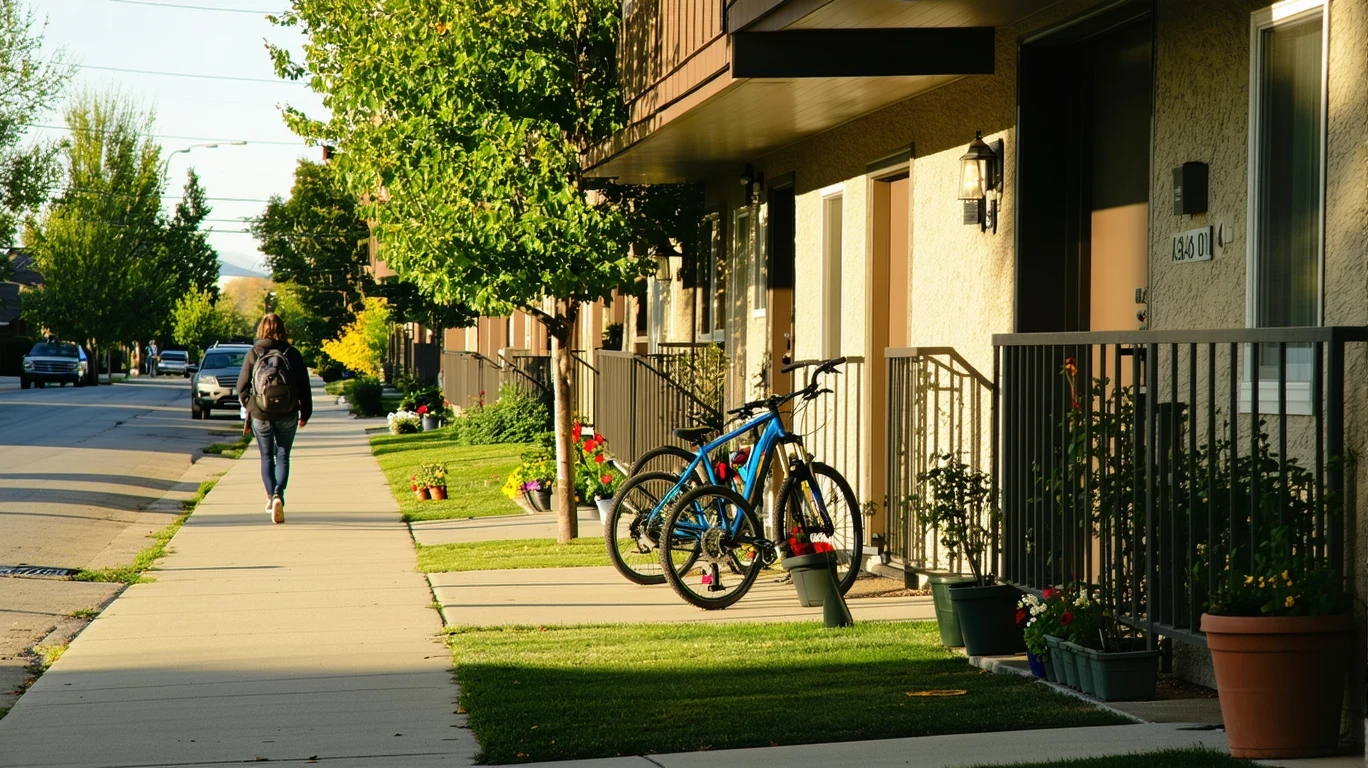
Salt Lake City sits in a unique position: it’s a state capital with genuine urban infrastructure, surrounded by mountains that dominate the skyline and the culture. The city has rail transit, walkable pockets with accessible errands, and parks woven throughout the metro area. Families find strong school density, playgrounds, and a general sense that the city is designed with children in mind. People who value outdoor recreation find alignment almost immediately — skiing, hiking, and trail access aren’t weekend luxuries; they’re woven into the weekly rhythm.
But the city’s emotional tone isn’t uniformly positive. Growth has brought housing pressure, and many longtime residents express frustration with how quickly neighborhoods are changing. The cultural landscape, historically shaped by a dominant religious influence, can feel limiting to those seeking demographic diversity or a broader range of social experiences. Nightlife and dining variety exist but don’t rival larger metros, and people who expect urban texture citywide often find it concentrated in specific corridors rather than distributed evenly.
The result is a city where alignment depends heavily on what you prioritize. If outdoor access, family infrastructure, and a well-maintained public realm matter most, Salt Lake City tends to deliver. If you’re looking for dense urban energy, cultural heterogeneity, or affordability without car ownership, the fit becomes more complicated.
Social Media Buzz in Salt Lake City
Online discussion about Salt Lake City tends to cluster around a few recurring themes: the tension between growth and identity, the dominance of outdoor culture, and the question of who the city is really for. On platforms like Reddit and local Facebook groups, you’ll find passionate defenders of the city’s livability alongside equally vocal critics of its housing costs and cultural limitations.
One common thread: “The mountains are the reason you stay, but the city itself is still figuring out what it wants to be.” People talk about the outdoor access as non-negotiable — a feature so central that it compensates for other frustrations. But there’s also a recurring sense that the city’s infrastructure and culture haven’t fully caught up to its population growth.
Another frequent sentiment: “It’s a great place to raise kids, but if you’re single or looking for nightlife, you’ll feel the limits pretty fast.” Families tend to express satisfaction with parks, schools, and safety, while younger professionals and transplants more often describe feeling socially constrained or culturally isolated.
Transit and walkability come up often, but with nuance. People in neighborhoods near rail lines or downtown express appreciation for the option to leave the car behind, while those in outer suburbs describe car dependency as unavoidable. The conversation isn’t about whether Salt Lake City is walkable — it’s about where walkability exists and whether you’re willing to live in those pockets.
Local News Tone
Local coverage of Salt Lake City tends to frame the city through the lens of growth management, infrastructure adaptation, and community identity. The tone is rarely celebratory or alarmist; instead, it reflects a city in transition, weighing tradeoffs between expansion and preservation.
Recurring topic buckets include:
- “Housing Development Sparks Debate Over Neighborhood Character”
- “Transit Expansion Plans Meet Mixed Reactions”
- “Outdoor Recreation Pressure Grows as Population Increases”
- “Air Quality Concerns Return During Inversion Season”
- “Community Voices Reflect on Cultural Shifts”
The framing tends to emphasize process and participation rather than conflict or crisis. Stories about development often include perspectives from longtime residents, new arrivals, and city planners, reflecting a community that’s actively negotiating its future rather than passively accepting it. The outdoor environment remains a central narrative thread, with coverage highlighting both the recreational opportunities and the environmental challenges that come with growth in a mountain valley.
Review-Based Public Perception
On platforms like Google Reviews, Yelp, and Nextdoor-style forums, Salt Lake City’s reputation tends to split along expectation lines. People who moved here for outdoor access, family-friendly infrastructure, and a clean, orderly environment tend to express satisfaction. Those who expected urban density, diverse dining and entertainment options, or affordable housing tradeoffs more often describe disappointment.
Positive reviews frequently mention:
- Proximity to skiing, hiking, and national parks
- Well-maintained parks and public spaces
- Strong sense of safety and community in family-oriented neighborhoods
- Reliable infrastructure and low traffic congestion compared to larger metros
Critical reviews tend to focus on:
- Housing costs that have risen faster than wages
- Cultural homogeneity and limited social diversity
- Air quality issues during winter inversion periods
- Nightlife and dining options that feel limited compared to peer cities
Neighborhood variation plays a role in perception. Newer planned communities in the suburbs tend to attract families seeking space, safety, and predictability, while older neighborhoods closer to downtown draw people looking for walkability and character. The mismatch happens when expectations don’t align with location — someone seeking urban texture who settles in a car-dependent suburb, or someone prioritizing yard space who rents in a denser corridor.
Comparison to Nearby Cities
| Aspect | Salt Lake City | Provo | Ogden |
|---|---|---|---|
| Overall Vibe | Urban-outdoor hybrid in transition | College-town energy, younger demographic | Grittier, more affordable, slower pace |
| Outdoor Access | Immediate mountain proximity, diverse options | Strong hiking and skiing access | Excellent mountain access, fewer crowds |
| Housing Pressure | High and rising, especially for renters | Tight due to university demand | More accessible, older housing stock |
| Cultural Tone | Homogeneous but diversifying | Heavily influenced by university culture | More working-class, less polished |
| Transit & Walkability | Rail present, walkable pockets exist | Compact downtown, limited transit | Minimal transit, car-dependent |
Salt Lake City sits between Provo’s college-town intensity and Ogden’s rough-edged affordability. If you prioritize urban infrastructure, job diversity, and access to both mountains and city amenities, Salt Lake City offers the most complete package. But it also carries the highest housing costs and the most visible tension between growth and tradition.
Provo appeals to those who want a younger, more transient community and don’t mind the cultural influence of a large university. Ogden attracts people willing to trade polish and convenience for lower costs and a slower pace. The choice depends on whether you value infrastructure and opportunity over affordability and simplicity.
What Locals Are Saying
“We moved here for the skiing, and that part has been everything we hoped for. But the housing market has been brutal — we’re renting longer than we planned because buying feels out of reach.”
“As a parent, I love it here. The parks are clean, the schools feel safe, and there’s always something to do outdoors with the kids. I don’t need nightlife; I need playgrounds and trails, and Salt Lake delivers.”
“I thought I’d get more urban energy here, but outside of downtown, it’s pretty suburban. If you don’t have a car, your options shrink fast. The rail helps, but it doesn’t go everywhere.”
“The cultural vibe can feel narrow if you’re not part of the dominant community. It’s not unfriendly, but it’s not as diverse or open as I expected for a city this size.”
“Air quality in the winter is rough. The inversions trap pollution in the valley, and if you have asthma or respiratory issues, it’s something you have to plan around.”
“I’ve been here my whole life, and the city has changed a lot. More people, more traffic, more development. Some of it’s good, but it’s hard to watch neighborhoods lose their character.”
“If you’re outdoorsy and can afford it, this is one of the best places in the country. If you’re not into hiking or skiing, or if you’re stretching financially, the tradeoffs start to feel heavier.”
Does Salt Lake City Feel Like a Good Fit?
Salt Lake City tends to work for people who prioritize outdoor access, family infrastructure, and a well-maintained public environment. It offers rail transit, walkable pockets, and strong amenities for households with children. The city feels orderly, safe, and functional — qualities that matter deeply to families and professionals seeking stability.
But it tends to frustrate people who expect affordability, consistent urban density, or broad cultural diversity. Housing costs have risen significantly, and the city’s growth hasn’t yet translated into the kind of social and entertainment variety found in larger metros. The cultural tone, while evolving, still reflects a historical homogeneity that can feel limiting to newcomers seeking a more heterogeneous community.
The emotional experience of living here depends on whether the mountains and infrastructure compensate for the housing pressure and cultural constraints. For families and outdoor enthusiasts, the answer is often yes. For young professionals, renters, and those seeking urban texture, the fit is more conditional.
If you’re considering a move, it’s worth exploring how monthly expenses and lifestyle needs align with what Salt Lake City actually delivers — not just what it promises from a distance.
How this article was built: In addition to public economic data, this article incorporates location-based experiential signals derived from anonymized geographic patterns—such as access density, walkability, and land-use mix—to reflect how day-to-day living actually feels in Salt Lake City, UT.
The perspectives shown reflect commonly expressed local sentiment and recurring themes in public discussion, rather than individual accounts.