

Buda’s median home value sits at $358,600 while Pflugerville’s is $321,200—a $37,400 gap that shapes how households experience cost pressure across the Austin metro in 2026. Both cities draw families and professionals seeking suburban space within reach of Austin’s job market, but the decision between them isn’t about which costs less overall. It’s about where cost pressure concentrates, how predictably it shows up, and which household priorities dominate your budget. Buda offers walkable pockets, integrated park access, and a hospital, while Pflugerville presents lower entry costs but longer commute exposure and higher transportation dependence. For households sensitive to housing entry barriers, commute friction, or daily logistics, these structural differences matter more than any single line item.
Both cities sit in the same regional price environment—identical electricity rates, natural gas prices, and broad economic conditions—but their cost experiences diverge sharply based on housing form, infrastructure access, and transportation patterns. Buda’s higher home values reflect mixed land use and pedestrian infrastructure that reduce car dependency in parts of the city, while Pflugerville’s lower entry costs come with trade-offs in commute time and transportation exposure. The choice hinges on whether your household prioritizes front-loaded housing costs with lower ongoing transportation friction, or lower entry barriers with acceptance of longer commutes and car reliance. In 2026, where costs show up matters as much as how much they add up to.
This comparison explains how housing, utilities, groceries, transportation, and taxes behave differently in Buda and Pflugerville—not to declare a winner, but to clarify which households feel cost pressure more acutely in each city and why.
Housing Costs
Buda’s median home value of $358,600 creates a higher entry barrier for buyers compared to Pflugerville’s $321,200, but that gap reflects structural differences in housing stock, land use, and infrastructure access rather than pure affordability. Buda’s housing market includes walkable pockets with mixed residential and commercial land use, integrated park access, and proximity to hospital facilities—features that command premium pricing but may reduce ongoing transportation and recreation costs. Pflugerville’s lower home values reflect a more car-oriented development pattern with longer commute exposure and less pedestrian infrastructure, offering entry cost relief at the expense of higher transportation dependence. For first-time buyers, the $37,400 difference translates into down payment pressure, monthly mortgage obligations, and property tax exposure—but it also signals different trade-offs in daily logistics and time costs.
Renters face a different dynamic. Pflugerville’s median gross rent sits at $1,677 per month, slightly higher than Buda’s $1,648 per month—a reversal that suggests rental inventory in Pflugerville may skew toward newer construction or larger units, while Buda’s rental market may include more compact or older stock. The $29 monthly difference is negligible in isolation, but it interacts with transportation costs, commute friction, and household size in ways that shift the balance. Single adults prioritizing walkability and shorter commutes may find Buda’s rental market more aligned with their needs, while families seeking larger rental homes may encounter better options in Pflugerville despite the modest rent premium. Both cities sit within the Austin metro’s broader rental pressure zone, where inventory tightness and demand from relocating professionals keep rents elevated regardless of city boundaries.
Ownership costs extend beyond mortgage payments. Buda’s higher home values generate higher property tax obligations, even at identical millage rates, while Pflugerville’s lower entry costs reduce front-loaded tax exposure but may increase ongoing maintenance and transportation costs. Homeowners in Buda benefit from proximity to parks, hospital access, and walkable infrastructure that reduce reliance on car trips for errands and recreation, while Pflugerville homeowners accept longer commutes and higher gas costs in exchange for lower purchase prices. For households planning to stay several years, the trade-off shifts from entry barrier to cumulative transportation and time costs—Buda’s higher housing costs may stabilize or even offset over time if reduced car dependency lowers fuel, maintenance, and vehicle replacement expenses.
Housing takeaway: Buda’s higher home values create steeper entry barriers but offer walkable infrastructure and park access that reduce ongoing transportation friction. Pflugerville’s lower home values ease upfront costs but increase commute exposure and car dependency. First-time buyers sensitive to down payment pressure may prefer Pflugerville; households prioritizing walkability, park access, and reduced car reliance may find Buda’s premium justified by lower transportation and time costs.
Utilities and Energy Costs
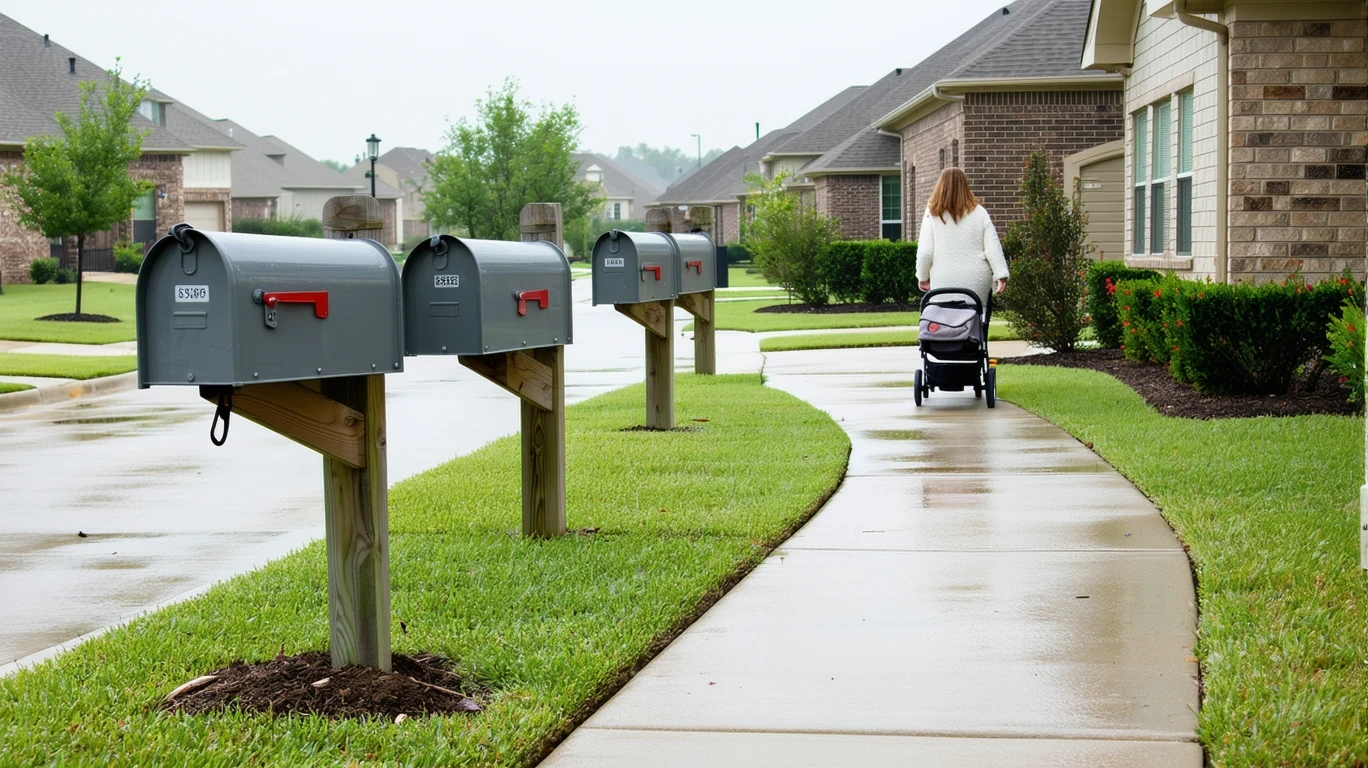
Both Buda and Pflugerville share identical electricity rates at 16.11¢/kWh and natural gas prices at $30.71/MCF, eliminating any rate-based advantage and shifting utility cost differences entirely to consumption patterns, housing stock, and seasonal exposure. In the Austin metro’s climate, cooling dominates utility bills for most of the year—triple-digit summer heat drives air conditioning usage from May through September, while heating needs remain modest and concentrated in brief winter cold snaps. Households in both cities face similar seasonal volatility, but the intensity of that exposure depends on home size, insulation quality, and construction era. Newer homes with modern HVAC systems and tighter building envelopes reduce baseline consumption, while older single-family homes with larger square footage and aging equipment amplify cooling costs during peak summer months.
Buda’s housing stock includes a mix of older single-family homes and newer construction, creating variability in utility exposure across neighborhoods. Households in older homes may experience higher cooling costs due to less efficient insulation and HVAC systems, while those in newer developments benefit from modern energy standards that reduce consumption. Pflugerville’s housing market skews slightly newer on average, offering more consistent energy efficiency across the rental and ownership inventory—but larger home sizes common in suburban single-family developments offset some of that efficiency advantage. Families in spacious homes face higher baseline usage regardless of construction quality, while single adults or couples in smaller apartments or townhomes experience lower absolute utility costs even with identical rates.
Utility cost predictability depends more on household behavior and home characteristics than on city-level differences. Both cities offer access to time-of-use rate structures and efficiency programs through regional providers, allowing households to shift usage to off-peak hours or invest in programmable thermostats and insulation upgrades. The primary distinction lies in housing form: Buda’s mixed land use and walkable pockets may correlate with more compact housing options that reduce cooling load, while Pflugerville’s car-oriented development pattern aligns with larger single-family homes that increase seasonal exposure. Renters in both cities benefit from landlords covering some utility costs in multi-family buildings, while single-family renters and homeowners bear full exposure to seasonal swings.
Utility takeaway: Identical rates eliminate city-level differences, making housing stock and home size the primary drivers of utility exposure. Buda’s mixed housing forms may offer more compact, efficient options that reduce cooling costs, while Pflugerville’s larger single-family homes increase baseline usage. Households in newer construction experience more predictable bills; those in older homes face higher seasonal volatility. Families in spacious homes feel utility pressure more acutely than single adults or couples in smaller units.
Groceries and Daily Expenses
Grocery and daily spending pressure in Buda and Pflugerville reflects access patterns, store concentration, and household shopping habits more than price differences—both cities sit within the same regional price environment, with identical cost baselines for staples and prepared foods. The distinction lies in how households navigate grocery access and whether convenience spending accumulates through frequent small trips or gets managed through planned bulk shopping. Buda’s corridor-clustered food and grocery access concentrates options along main routes, requiring intentional trip planning but offering a mix of big-box stores and neighborhood grocers. Pflugerville’s suburban layout similarly relies on car-based grocery access, with major chains and discount retailers clustered near residential zones but requiring dedicated trips rather than walkable errands.
For families managing larger grocery volumes, the structural difference matters less than the availability of bulk options and discount retailers—both cities provide access to warehouse clubs and regional chains that support cost-conscious shopping. Single adults and couples, however, may feel the friction of car-dependent grocery access more acutely, particularly if work schedules or commute patterns make frequent trips inconvenient. Buda’s walkable pockets offer limited pedestrian access to food establishments in specific neighborhoods, reducing reliance on car trips for quick errands or coffee runs, while Pflugerville’s car-oriented layout requires driving for nearly all grocery and convenience needs. That difference doesn’t change per-item prices, but it shifts the time cost and convenience trade-off—households prioritizing walkable errands may find Buda’s infrastructure reduces the temptation for convenience spending, while those comfortable with car-based shopping experience little practical difference.
Dining out and prepared food spending follows similar patterns. Both cities offer access to chain restaurants, fast-casual options, and regional dining concentrated along commercial corridors, but neither provides dense walkable restaurant districts that encourage frequent dining out. Households sensitive to convenience spending creep benefit from the friction imposed by car-dependent access—driving to restaurants or takeout spots adds a decision barrier that reduces impulse spending compared to walkable urban environments. Families with kids face higher grocery pressure regardless of city, driven by volume needs and the cost of feeding multiple people, while single adults and couples have more flexibility to shift between grocery staples and prepared foods based on time availability and budget priorities.
Grocery takeaway: Identical regional pricing eliminates city-level cost differences, making access patterns and household habits the primary drivers of grocery pressure. Buda’s walkable pockets reduce car dependency for quick errands in specific neighborhoods, while Pflugerville’s car-oriented layout requires driving for nearly all grocery needs. Families feel grocery pressure through volume demands; single adults and couples experience it through convenience trade-offs and time friction. Households prioritizing walkable errands may prefer Buda’s infrastructure; those comfortable with car-based shopping see little practical difference.
Taxes and Fees
Property taxes represent the largest recurring tax burden for homeowners in both Buda and Pflugerville, driven by Texas’s reliance on property taxes to fund schools, infrastructure, and local services rather than state income tax. While specific millage rates vary by taxing district and aren’t provided in the available data, the structural difference lies in assessed home values—Buda’s higher median home value of $358,600 generates higher absolute property tax obligations compared to Pflugerville’s $321,200, even at identical rates. For homeowners, that translates into higher annual tax bills in Buda, increasing the ongoing cost of ownership beyond mortgage payments. Renters don’t pay property taxes directly, but landlords pass through those costs in rent pricing, meaning Buda’s higher home values likely contribute to baseline rent pressure even when monthly rent figures appear similar.
Beyond property taxes, both cities impose typical suburban fees for services like trash collection, water, and stormwater management—costs that vary by provider and service tier but generally remain predictable and modest compared to housing or transportation expenses. HOA fees introduce more variability, particularly in newer subdivisions where homeowners associations bundle landscaping, amenity access, and shared infrastructure maintenance. Pflugerville’s newer housing stock may include more HOA-governed communities, adding $50 to $200 or more per month in recurring fees, while Buda’s mix of older and newer neighborhoods offers more variability—some homes carry no HOA obligations, while others in planned developments face similar monthly charges. For buyers comparing homes, HOA fees represent a hidden ongoing cost that compounds property tax exposure and shifts the total cost of ownership beyond the mortgage payment alone.
Sales taxes apply uniformly across both cities, eliminating any city-level advantage and making consumption patterns the primary driver of sales tax exposure. Households that spend heavily on taxable goods—furniture, electronics, vehicles—feel sales tax pressure more acutely, while those prioritizing services or non-taxable essentials experience less impact. The distinction between Buda and Pflugerville lies not in tax rates but in how property tax exposure interacts with housing values and HOA prevalence. Homeowners in Buda face higher property tax obligations due to elevated home values, while those in Pflugerville may encounter lower property taxes but higher HOA fees depending on neighborhood choice. Long-term residents benefit from Texas’s homestead exemption, which caps annual assessed value increases and reduces property tax volatility, but recent movers face full market-rate assessments that amplify tax exposure in both cities.
Tax and fee takeaway: Buda’s higher home values generate higher property tax obligations for homeowners, increasing ongoing ownership costs beyond mortgage payments. Pflugerville’s lower home values reduce property tax exposure but may include higher HOA fees in newer subdivisions. Renters feel property tax pressure indirectly through rent pricing. Long-term homeowners benefit from homestead exemptions that stabilize tax growth; recent buyers face full market-rate assessments. Households planning to stay several years should account for cumulative property tax and HOA costs, not just purchase price.
Transportation & Commute Reality
Transportation costs in Buda and Pflugerville diverge sharply based on commute patterns, car dependency, and fuel exposure rather than transit access—neither city offers robust public transportation, making car ownership and commute distance the primary cost drivers. Pflugerville residents face an average commute of 30 minutes, with 28.3% of workers enduring long commutes that extend well beyond that baseline, reflecting the city’s role as a bedroom community for Austin’s northern job centers. Only 3.9% of Pflugerville workers work from home, meaning the vast majority rely on daily car commutes that accumulate fuel, maintenance, and time costs. Buda lacks specific commute data in the available feed, but its location south of Austin and walkable pockets suggest more variability—some residents commute north into Austin’s core, while others work locally or benefit from reduced car dependency for daily errands within walkable neighborhoods.
Fuel costs amplify the commute gap. Pflugerville’s gas price sits at $2.85/gal, while Buda’s is $2.42/gal—a 43-cent difference that compounds over time for households driving 25 miles or more per day. A typical commuter driving 500 miles per month at 25 MPG burns 20 gallons of fuel, translating to $57 per month in Pflugerville versus $48.40 in Buda—an $8.60 monthly gap that grows with longer commutes, multiple vehicles, or lower fuel efficiency. For dual-income households with two commuters, that difference doubles, adding $200 or more annually in fuel costs alone before accounting for maintenance, insurance, or vehicle depreciation. Buda’s lower gas prices reduce ongoing transportation exposure, while Pflugerville’s higher fuel costs and longer commute times increase both cash and time burdens.
Car dependency extends beyond commuting. Pflugerville’s suburban layout requires driving for groceries, errands, healthcare, and recreation, concentrating transportation costs into a single unavoidable category. Buda’s walkable pockets and integrated park access reduce car dependency for some daily activities, allowing households in specific neighborhoods to walk or bike for errands, recreation, or short trips—lowering fuel consumption, vehicle wear, and the need for second cars. Families with kids face higher transportation pressure in both cities, driven by school drop-offs, extracurricular activities, and the logistics of managing multiple schedules, but Buda’s hospital presence and park density reduce the need for long drives to healthcare or outdoor recreation. Single adults and couples in Pflugerville accept car dependency as a baseline cost, while those in Buda’s walkable areas may reduce transportation exposure through infrastructure access.
Transportation takeaway: Pflugerville’s 30-minute average commute, 28.3% long-commute share, and higher gas prices increase transportation exposure for most households. Buda’s lower gas prices and walkable pockets reduce fuel and time costs for households prioritizing reduced car dependency. Families with multiple commuters feel transportation pressure more acutely in Pflugerville; single adults and couples in Buda’s walkable areas benefit from lower ongoing transportation friction. Households sensitive to commute time and fuel costs may prefer Buda; those prioritizing lower housing entry costs must account for higher transportation burdens in Pflugerville.
Cost Structure Comparison
Housing pressure dominates the cost experience in both cities, but the nature of that pressure differs sharply. Buda’s higher home values create steeper entry barriers for buyers, requiring larger down payments and generating higher property tax obligations, while Pflugerville’s lower home values ease upfront costs but shift pressure toward ongoing transportation and commute exposure. Renters face similar monthly obligations in both cities, but Buda’s slightly lower median rent and walkable infrastructure reduce car dependency for daily errands, while Pflugerville’s modest rent premium comes with acceptance of car reliance for nearly all activities. For first-time buyers, the $37,400 home value gap represents a meaningful entry barrier, but households planning to stay several years must weigh that upfront cost against cumulative transportation savings in Buda or ongoing commute friction in Pflugerville.
Utilities introduce predictable seasonal volatility in both cities, driven by identical electricity and natural gas rates and similar cooling-dominated exposure. The distinction lies in housing stock—Buda’s mix of older and newer homes creates variability in energy efficiency, while Pflugerville’s slightly newer average construction offers more consistent utility performance. Families in larger single-family homes face higher baseline cooling costs regardless of city, while single adults and couples in smaller units experience lower absolute utility exposure. Neither city offers a structural utility advantage; the difference comes down to home size, construction quality, and household consumption habits.
Transportation patterns matter more in Pflugerville, where longer commutes, higher gas prices, and near-universal car dependency concentrate cost pressure into a single unavoidable category. Buda’s lower gas prices and walkable pockets reduce transportation exposure for households prioritizing reduced car reliance, but those commuting north into Austin face similar time and fuel costs as Pflugerville residents. For dual-income households with two commuters, the transportation gap widens—Pflugerville’s higher fuel costs and longer average commute times compound into hundreds of dollars annually, while Buda’s infrastructure access and lower gas prices offer modest relief. Single adults and couples in Buda’s walkable areas benefit most from reduced transportation friction, while families with kids face high transportation pressure in both cities due to school logistics and extracurricular demands.
Daily living and grocery costs remain consistent across both cities, driven by identical regional pricing and similar access to big-box stores and discount retailers. The distinction lies in convenience friction—Buda’s walkable pockets allow some households to walk for quick errands, reducing impulse convenience spending, while Pflugerville’s car-dependent layout requires driving for nearly all grocery and dining needs. Families managing larger grocery volumes experience similar pressure in both cities, while single adults and couples feel the difference through time costs and convenience trade-offs.
The better choice depends on which costs dominate your household. For households sensitive to housing entry barriers, Pflugerville’s lower home values ease upfront pressure but require acceptance of longer commutes and higher transportation costs. For those prioritizing walkability, park access, and reduced car dependency, Buda’s higher home values may stabilize or offset over time through lower transportation and recreation friction. Families with kids face high costs in both cities, but the balance shifts based on whether housing entry or ongoing commute exposure matters more. Single adults and couples in Buda’s walkable areas experience the most differentiated cost structure, benefiting from reduced transportation and convenience spending friction that doesn’t show up in housing or utility bills alone.
How the Same Income Feels in Buda vs Pflugerville
Single Adult
Housing becomes the first non-negotiable cost, with Buda’s higher home values pushing buyers toward renting or delaying ownership, while Pflugerville’s lower entry costs make ownership more accessible upfront. Flexibility exists in transportation—Buda’s walkable pockets allow some single adults to reduce car dependency for errands and recreation, lowering fuel and maintenance costs, while Pflugerville requires full car reliance and longer commutes that consume both time and cash. Commute friction matters more in Pflugerville, where 30-minute average commutes and 28.3% long-commute exposure reduce schedule flexibility and increase fuel costs, while Buda’s lower gas prices and walkable infrastructure offer modest relief for those prioritizing reduced driving.
Dual-Income Couple
Housing entry pressure eases with two incomes, making Buda’s higher home values more accessible while Pflugerville’s lower entry costs free up cash for other priorities. Transportation costs double with two commuters, amplifying Pflugerville’s longer commute times and higher gas prices into a meaningful ongoing burden, while Buda’s lower fuel costs and walkable neighborhoods reduce cumulative transportation exposure. Flexibility disappears in Pflugerville if both partners commute long distances, concentrating time and cash costs into transportation, while Buda’s mixed land use and park access allow couples to reduce car trips for errands and recreation without sacrificing convenience.
Family with Kids
Housing space becomes non-negotiable, with families prioritizing larger homes that increase baseline utility and maintenance costs in both cities. Pflugerville’s lower home values ease entry barriers, but longer commutes and car dependency for school logistics, extracurriculars, and healthcare increase transportation and time costs, while Buda’s hospital presence and integrated park access reduce the need for long drives to medical care and outdoor recreation. Flexibility exists in Buda for families in walkable neighborhoods who can walk kids to parks or run quick errands without driving, while Pflugerville’s car-oriented layout requires driving for nearly all household logistics, concentrating cost and time pressure into transportation and reducing schedule flexibility.
Decision Matrix: Which City Fits Which Household?
| Decision factor | If you’re sensitive to this… | Buda tends to fit when… | Pflugerville tends to fit when… |
|---|---|---|---|
| Housing entry + space needs | Down payment pressure, upfront ownership costs, property tax exposure | You prioritize walkable infrastructure and park access over lower entry costs and accept higher home values for reduced transportation friction | You prioritize lower purchase prices and accept longer commutes and car dependency in exchange for reduced upfront housing costs |
| Transportation dependence + commute friction | Commute time, fuel costs, car reliance, schedule flexibility | You work locally or prioritize walkable errands and lower gas prices that reduce ongoing transportation exposure | You accept 30-minute commutes and higher fuel costs in exchange for lower housing entry barriers |
| Utility variability + home size exposure | Seasonal cooling costs, home age, square footage | You prioritize compact or newer homes that reduce baseline cooling exposure and benefit from mixed housing forms | You prioritize larger single-family homes and accept higher baseline utility usage in exchange for more space |
| Grocery strategy + convenience spending creep | Walkable errands, impulse spending, time costs of car-based shopping | You value walkable pockets that reduce car trips for quick errands and lower convenience spending friction | You’re comfortable with car-based grocery access and planned bulk shopping that requires dedicated trips |
| Fees + friction costs (HOA, services, upkeep) | Property tax exposure, HOA obligations, ongoing ownership costs | You accept higher property taxes from elevated home values in exchange for walkable infrastructure and park access | You prioritize lower property tax exposure from lower home values but may encounter HOA fees in newer subdivisions |
| Time budget (schedule flexibility, errands, logistics) | Commute time, errand friction, car dependency for all activities | You prioritize reduced commute time and walkable errands that lower time costs and increase schedule flexibility | You accept longer commutes and car-dependent logistics in exchange for lower housing entry costs |
Lifestyle Fit
Buda and Pflugerville offer distinct lifestyle experiences shaped by infrastructure, commute patterns, and access to recreation and healthcare. Buda’s walkable pockets and high pedestrian-to-road ratio create neighborhoods where residents can walk for errands, coffee, or quick trips without defaulting to driving—a feature that reduces car dependency and increases spontaneity for households prioritizing walkable infrastructure. The city’s integrated park access, supported by high park density and water features, provides outdoor recreation options within short distances, reducing the need for long drives to trails or green space. Buda’s hospital presence ensures local access to emergency and routine medical care, lowering the friction of healthcare logistics for families and older adults. Mixed land use combines residential and commercial development, creating corridors where housing, dining, and services coexist, though grocery and food access remains corridor-clustered rather than evenly distributed.
Pflugerville’s suburban layout prioritizes car-based access, with most daily activities—groceries, dining, recreation, healthcare—requiring dedicated car trips rather than walkable errands. The city’s 30-minute average commute reflects its role as a bedroom community for Austin’s northern job centers, with 28.3% of workers facing long commutes that extend well beyond that baseline. Only 3.9% of residents work from home, meaning the vast majority rely on daily car commutes that shape schedule flexibility and time budgets. Pflugerville’s newer housing stock and lower home values attract families seeking space and affordability, but the trade-off comes in the form of longer commutes, higher gas prices, and near-universal car dependency for all household logistics. Recreation and outdoor access require driving to parks or trails, while healthcare access depends on proximity to regional medical facilities rather than local hospital presence.
The lifestyle distinction between Buda and Pflugerville hinges on how households value walkability, park access, and reduced car dependency versus lower housing entry costs and acceptance of commute friction. Buda fits households prioritizing spontaneous errands, outdoor recreation within walking distance, and local healthcare access, while Pflugerville fits those comfortable with car-based logistics and willing to trade commute time for lower purchase prices. Families with kids face high logistics demands in both cities, but Buda’s park density and hospital presence reduce the need for long drives to recreation and medical care, while Pflugerville’s lower home values ease entry barriers at the expense of longer commutes and higher transportation costs. Single adults and couples in Buda’s walkable areas experience the most differentiated lifestyle, benefiting from reduced car reliance and increased schedule flexibility, while those in Pflugerville accept car dependency as a baseline condition of suburban life.
Buda’s hospital presence and integrated park access reduce healthcare and recreation friction for families and older adults.
Pflugerville’s 30-minute average commute and 28.3% long-commute share reflect its role as a bedroom community with high car dependency.
Frequently Asked Questions
Is Buda or Pflugerville cheaper for renters in 2026?
Pflugerville’s median gross rent sits at $1,677 per month compared to Buda’s $1,648 per month—a modest $29 difference that makes Buda slightly cheaper for renters on a monthly basis. However, the cost experience extends beyond rent alone. Buda’s walkable pockets and lower gas prices reduce transportation costs for renters who can walk for errands or work locally, while Pflugerville’s longer commutes and higher fuel costs increase ongoing transportation exposure. Renters prioritizing walkable infrastructure and reduced car dependency may find Buda’s slightly lower rent and transportation savings more meaningful, while those comfortable with car-based logistics and longer commutes see little practical difference in monthly rent obligations.
How do home prices in Buda and Pflugerville compare for first-time buyers in 2026?
Buda’s median home value of $358,600 creates a higher entry barrier for first-time buyers compared to Pflugerville’s $321,200, requiring larger down payments and generating higher property tax obligations. The $37,400 gap represents a meaningful upfront cost difference, but it reflects structural trade-offs—Buda’s higher home values come with walkable infrastructure, integrated park access, and hospital presence that reduce ongoing transportation and recreation costs, while Pflugerville’s lower home values ease entry pressure but shift costs toward longer commutes and higher fuel exposure. First-time buyers sensitive to down payment pressure may prefer Pflugerville’s lower entry costs, while those prioritizing walkability and reduced car dependency may find Buda’s premium justified by lower transportation friction over time.
Which city has lower transportation costs, Buda or Pflugerville, in 2026?
Buda’s lower gas price of $2.42/gal compared to