
A summer electric bill in Buda can easily hit $250 or more for a single-family home during peak cooling months—sometimes double what households pay in spring. That shock is real, and it’s driven by Central Texas heat, not just usage habits. Understanding how utilities behave in Buda means recognizing that cost structure here is seasonal, exposure-driven, and heavily tilted toward electricity.
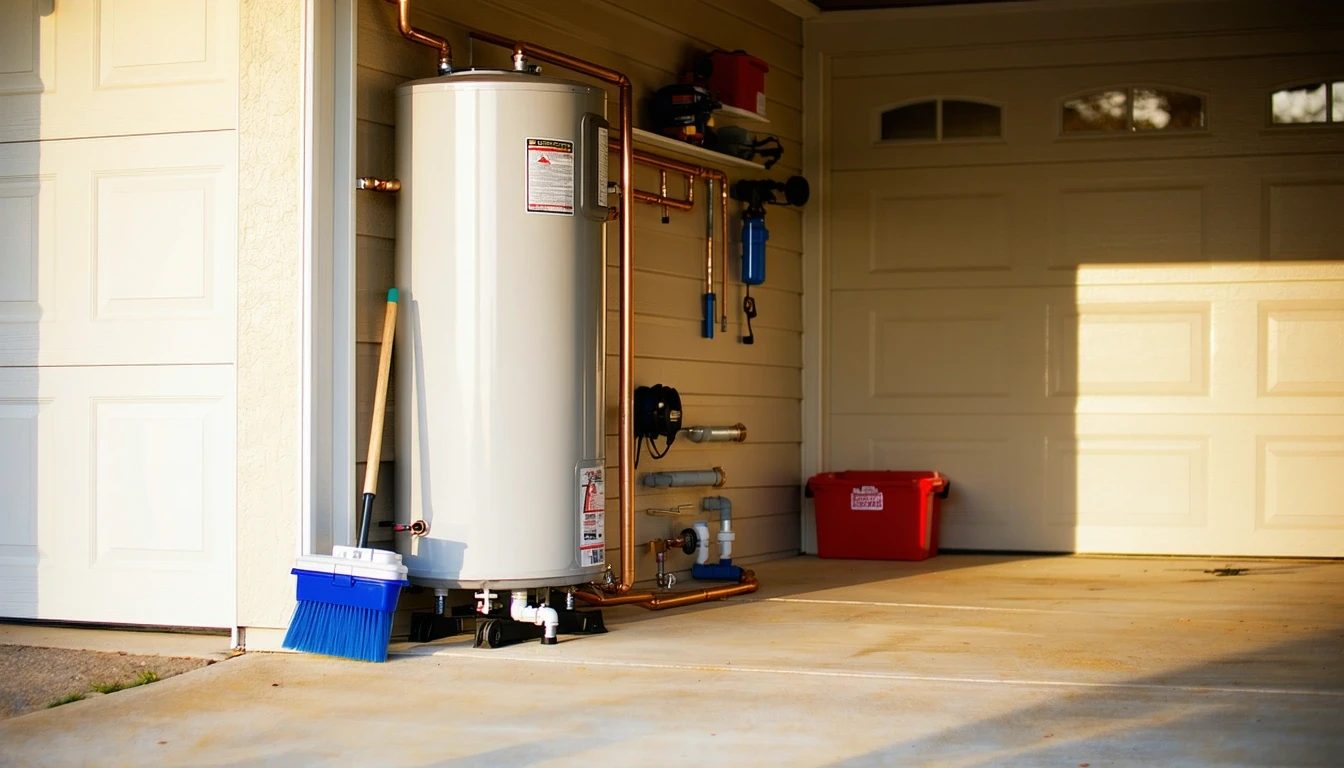
Understanding Utilities in Buda
Utility expenses in Buda represent the second-largest monthly cost for most households after housing, and they behave differently depending on home type, season, and how aggressively you cool or heat your space. For renters in apartments, some utilities may be bundled into rent or managed by the property, while single-family homeowners typically handle all billing directly. Either way, the core categories—electricity, water, natural gas, and trash—add up to a recurring obligation that swings with the calendar.
What makes utilities distinct from rent or groceries is volatility. A lease stays fixed for a year; your electric bill does not. In Buda, summer heat dominates cost exposure, and households that don’t plan for seasonal swings often face budget strain during July and August. Winter heating is far less intense here, but natural gas usage still ticks up during occasional cold snaps. Trash and recycling are usually predictable, and water costs depend on household size, irrigation habits, and whether you’re on a tiered rate structure.
For people moving to Buda from cooler climates or denser urban areas, the shift in utility behavior can be jarring. Cooling isn’t optional—it’s a baseline cost of living. Homes here are built for air conditioning, and even energy-efficient models run hard from May through September. The good news is that Buda’s infrastructure supports household management: walkable pockets near parks and retail corridors mean errands don’t always require a car, and integrated green space throughout the city offers outdoor relief without driving to distant recreation areas. That reduces some transportation-related costs, but it doesn’t change the fact that your home’s climate control will be the dominant utility expense most months of the year.
Utilities at a Glance in Buda
The table below shows how core utility costs typically behave for a mid-size household in a single-family home in Buda. Where city-level prices are available in the data feed, they are shown directly. When exact figures are not provided, categories are described qualitatively to reflect how costs are structured and what drives variability.
| Utility | Cost Structure in Buda |
|---|---|
| Electricity | 16.11¢/kWh; usage-sensitive, seasonal exposure |
| Water | Tiered pricing; usage-dependent, varies by provider |
| Natural Gas | $30.71/MCF; winter-driven, heating-dependent |
| Trash & Recycling | Often bundled with water or HOA; stable monthly fee |
| Total | Seasonal variability driven by electricity and heating |
This table reflects utility cost structure for a mid-size household in a single-family home in Buda during 2026. Where exact figures are not provided in the IndexYard data feed, categories are described directionally to reflect how costs behave rather than a receipt-accurate total.
Electricity is billed per kilowatt-hour at 16.11¢/kWh in Buda, and usage swings dramatically with temperature. A household using 1,000 kWh in a moderate month might see that double during peak summer, pushing bills well above $200. The rate itself is competitive, but the volume of usage—driven by air conditioning, not appliances—is what creates exposure. Homes with older HVAC systems, poor insulation, or west-facing windows face the highest costs.
Water in Buda is typically billed on a tiered structure, meaning the more you use, the higher the per-unit cost climbs. Households with lawns, pools, or large families hit higher tiers faster. Many neighborhoods bundle water with trash collection, so your bill may include both. Conservation measures—like native landscaping or drip irrigation—can keep usage in lower tiers and reduce monthly charges significantly.
Natural gas is priced at $30.71 per thousand cubic feet (MCF) and is used primarily for heating, water heaters, and sometimes cooking. In Buda, heating demand is modest compared to northern climates, so natural gas bills stay low most of the year. During rare winter cold snaps, usage ticks up, but it’s nowhere near the exposure electricity creates in summer. Homes with gas appliances see year-round baseline usage, but it’s a minor cost driver overall.
Trash and recycling are usually bundled with water service or covered by HOA fees, depending on your neighborhood. Standalone trash service, when billed separately, is typically a flat monthly fee and one of the most predictable utility costs. Recycling is widely available in Buda, and most providers include it without an additional charge.
Electricity is typically the most exposure-sensitive utility in Buda, driven more by climate and home efficiency than by base rates.
How Weather Impacts Utilities in Buda
Central Texas heat defines utility behavior in Buda. Summer temperatures regularly push into triple digits, and the cooling season stretches from late April through October. Air conditioning isn’t a luxury—it’s a necessity—and households that try to minimize usage by raising thermostat settings still face substantial bills. Humidity isn’t as oppressive as coastal areas, but it’s enough to make indoor comfort depend entirely on mechanical cooling. For illustrative context, a household using 1,000 kWh during a mild spring month might see usage climb to 1,800 or 2,000 kWh in July, translating to electric bills above $250 before fees.
Winter in Buda is mild by national standards, with only occasional freezing nights. Heating costs are modest, and natural gas usage stays low unless a cold front lingers. Most homes rely on electric heat pumps or gas furnaces, and neither runs continuously the way air conditioning does in summer. The result is a cost structure that’s heavily front-loaded toward warm-weather months, with predictable relief from November through March.
Spring and fall offer the best utility conditions in Buda. Temperatures moderate, windows can stay open, and HVAC systems get a break. These shoulder seasons are when households see their lowest bills and can build budget cushion for the next summer cycle. The challenge is that the comfortable months are short, and the return to cooling season comes fast.
How to Save on Utilities in Buda
Reducing utility costs in Buda starts with controlling electricity exposure. The most effective strategies target cooling efficiency: upgrading to a high-SEER air conditioning unit, sealing ducts, adding attic insulation, and using programmable thermostats to avoid overcooling when no one’s home. Shade trees on south- and west-facing walls can lower indoor temperatures by several degrees, reducing the load on your HVAC system without any behavioral change.
Many electricity providers in the Buda area offer time-of-use or off-peak billing programs, which reward households for shifting usage away from afternoon and early evening hours when grid demand peaks. Running dishwashers, laundry, and pool pumps overnight or early morning can lower per-kWh costs under these plans. Solar panel adoption is growing in Central Texas, and federal tax credits combined with state incentives make rooftop solar a viable long-term investment for homeowners looking to stabilize electricity costs.
Water conservation measures—like replacing grass with native plants, installing low-flow fixtures, and fixing leaks promptly—keep usage in lower pricing tiers and reduce both water and wastewater charges. For natural gas, upgrading to a tankless water heater or a high-efficiency furnace cuts baseline usage, though the payoff is smaller here than with electricity. Trash and recycling costs are mostly fixed, but confirming whether your HOA or water provider already includes them can prevent double-billing.
- Enroll in off-peak or time-of-use electricity plans to lower per-kWh costs
- Upgrade to a high-SEER air conditioning unit and seal ductwork
- Plant shade trees on west- and south-facing walls to reduce cooling load
- Install a programmable or smart thermostat to avoid overcooling empty rooms
- Switch to native landscaping or drip irrigation to lower water usage
- Check for utility rebates on energy-efficient appliances and HVAC systems
- Consider rooftop solar with federal and state incentives for long-term savings
🏆 Tip: Check if your provider in Buda offers rebates for energy-efficient AC units or heating systems—many utilities subsidize upgrades that reduce peak demand.
FAQs About Utility Costs in Buda
Why are utility bills so high in Buda during summer? Central Texas heat drives extended air conditioning use from May through September, and cooling a home in triple-digit temperatures requires substantial electricity. Even energy-efficient homes see bills double compared to spring months, and older HVAC systems or poor insulation amplify the exposure.
What is the average monthly electric bill for an apartment in Buda compared to a single-family home? Apartments typically use less electricity because of smaller square footage and shared walls that reduce heat gain. A single-family home in Buda might see summer electric bills above $250, while a comparable apartment could stay closer to $120–$150, though exact costs depend on unit size, floor location, and thermostat settings.
Do HOAs in Buda usually include trash or water in their fees? Many HOAs in Buda bundle trash collection and sometimes water or wastewater service into monthly dues, especially in newer subdivisions. It’s worth confirming what’s covered before assuming you’ll need separate accounts, as double-billing can happen if you’re not careful during move-in.
How does seasonal weather affect monthly utility bills in Buda? Summer heat dominates cost exposure, with electricity bills peaking from June through August. Winter heating costs are modest by comparison, and spring and fall offer the lowest utility expenses of the year. The result is a cost structure that swings predictably with the calendar, requiring households to budget for seasonal highs.
Does Buda offer incentives for solar panels or energy-efficient appliances? Federal tax credits for solar installations apply in Buda, and some electricity providers offer rebates for high-efficiency HVAC systems, water heaters, and appliances. Checking with your utility or the city’s energy office can uncover programs that offset upfront costs and reduce long-term exposure.
How Utilities Fit Into the Cost Structure in Buda
Utilities in Buda are a cost driver, not a fixed expense. Electricity dominates seasonal swings, natural gas stays minor, and water costs depend on household behavior and irrigation habits. Trash and recycling are predictable, and the overall structure rewards efficiency and planning. For households trying to understand what costs people most in Buda, utilities rank second after housing, but their volatility makes them harder to predict than rent or groceries.
The key to managing utility costs here is recognizing that summer exposure is unavoidable but controllable. Homes with modern HVAC systems, good insulation, and smart thermostats face lower bills than older properties, and behavioral changes—like shifting usage to off-peak hours or reducing irrigation—compound over time. For renters, understanding what’s included in your lease versus what you’ll pay separately is critical, especially if you’re moving from a market where utilities were bundled or negligible.
Utilities don’t exist in isolation. They interact with housing choices, commute patterns, and household size, and they’re part of the broader monthly spending picture that defines affordability in Buda. The difference between a $150 summer electric bill and a $300 one often comes down to home efficiency and thermostat discipline, not income level. That makes utilities one of the few cost categories where households have direct control over outcomes, even if the baseline exposure is high.
How this article was built: In addition to public economic data, this article incorporates location-based experiential signals derived from anonymized geographic patterns—such as access density, walkability, and land-use mix—to reflect how day-to-day living actually feels in Buda, TX.
—