
| Transit Type | Coverage Area | Typical Use Case |
|---|---|---|
| Regional Bus (Capital Metro) | Limited stops, primarily along major corridors | Occasional trips to Austin |
| Local Walkable Zones | Downtown core and select pockets | Errands within immediate neighborhood |
| Personal Vehicle | Citywide | Daily commuting, errands, family logistics |
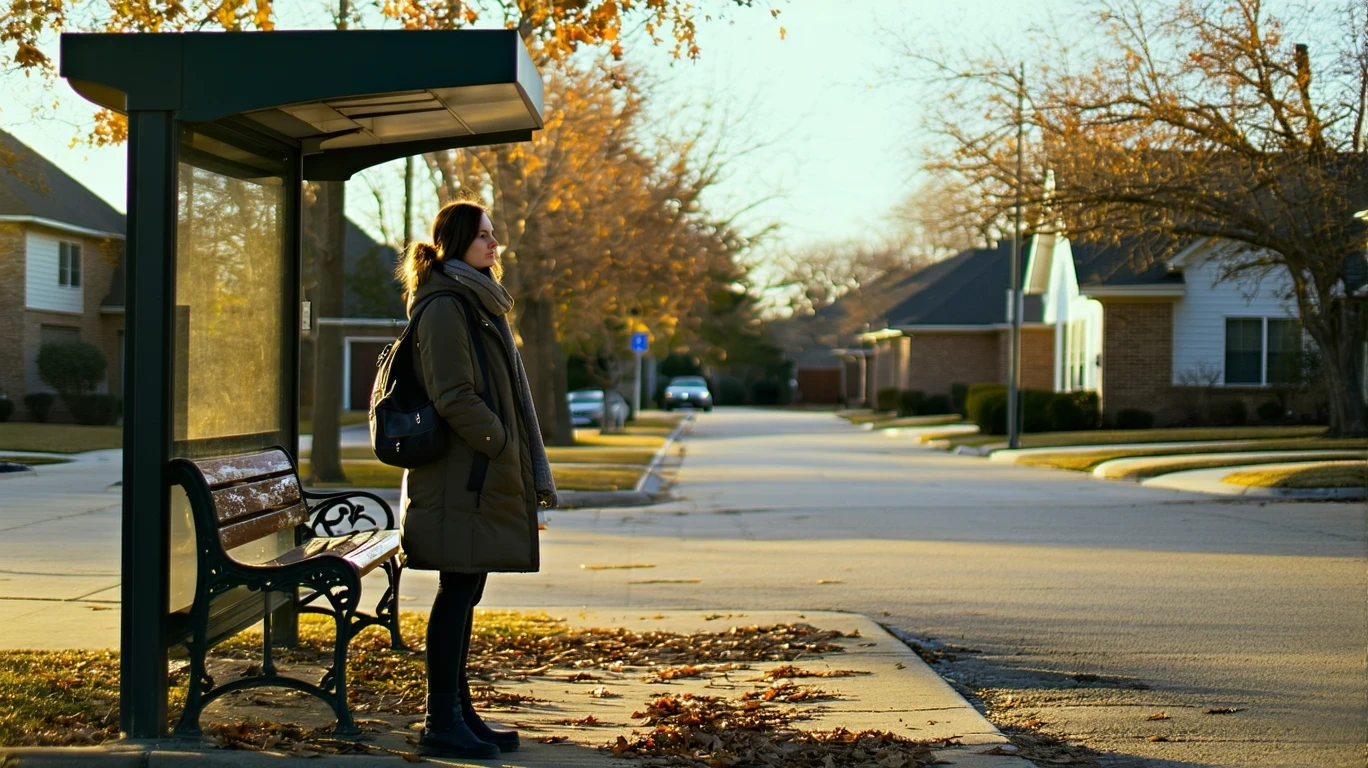
How People Get Around Buda
Transportation options in Buda reflect the city’s position as a growing suburb south of Austin: most residents rely on personal vehicles for daily life, but localized walkable pockets offer relief for those who live near the historic downtown core. The city’s layout—marked by corridor development and residential subdivisions spreading outward from Main Street—means that while certain neighborhoods support pedestrian activity, the broader geography demands car ownership for work commutes, grocery runs, and family logistics.
Newcomers often underestimate how car-dependent Buda remains outside its walkable zones. The pedestrian-to-road ratio exceeds typical suburban thresholds in specific areas, creating small districts where sidewalks, crosswalks, and mixed-use blocks make short trips feasible on foot. But these pockets don’t connect seamlessly across the city, and food and grocery options cluster along commercial corridors rather than spreading evenly through residential areas. That structure means even residents in walkable neighborhoods often drive for anything beyond immediate errands.
Public transit exists as a regional connector rather than a daily-life solution. Services such as Capital Metro provide limited stops in Buda, primarily along major routes linking the city to Austin. For someone commuting occasionally or living near a stop, transit can reduce driving frequency. For families, multi-stop trips, or anyone outside the core, it doesn’t replace car ownership—it supplements it.
Public Transit Availability in Buda
Public transit in Buda functions as a bridge to Austin rather than a comprehensive local network. Regional bus service typically includes stops along main corridors, offering access for residents who work in Austin or need occasional connections to the metro area. Coverage remains sparse compared to denser urban centers, and service patterns favor peak commute windows rather than all-day flexibility.
Transit works best for individuals whose routines align with fixed schedules and who live within walking distance of a stop. It tends to fall short for families managing school drop-offs, multi-destination errands, or late-evening activities. Suburban subdivisions, which house much of Buda’s population, sit outside practical walking range of transit stops, making the first-mile and last-mile problem a real barrier even when service exists nearby.
The role transit plays in Buda is situational: it offers cost relief and reduces driving frequency for those who can structure their lives around it, but it doesn’t eliminate car dependence. Residents who rely solely on transit face significant constraints in job access, schedule flexibility, and household logistics.
Driving & Car Dependence Reality
Driving dominates daily mobility in Buda because the city’s infrastructure and development pattern assume car ownership. Parking is abundant and free in most areas, roads are designed for vehicle throughput, and residential subdivisions sit separated from commercial zones by distances that make walking impractical for most trips. Even in walkable pockets, residents typically own cars for trips beyond the immediate neighborhood.
Car dependence isn’t a lifestyle preference—it’s a structural reality tied to how Buda is built. Grocery stores, medical offices, schools, and workplaces are distributed across corridors and nodes rather than concentrated in dense, walkable districts. That geography means households without reliable vehicles face serious friction in accessing jobs, healthcare, and daily necessities.
For families, car ownership often extends to multiple vehicles. Parents managing school schedules, work commutes, and after-school activities find that sharing a single car creates logistical bottlenecks. The tradeoff is predictability and control: driving offers flexibility that transit can’t match in Buda’s layout, but it also locks households into fuel costs, maintenance, insurance, and depreciation.
Commuting Patterns & Daily Mobility
Commuting in Buda typically means driving, either within the city or north toward Austin. Many residents work in the broader metro area, structuring their housing decisions around highway access and tolerance for drive time. Single-job commuters benefit from predictable routes, while those managing multi-stop days—dropping kids at school, running errands, picking up groceries—rely on the flexibility that only personal vehicles provide in this geography.
Proximity matters more for some households than others. Residents who work locally or from home avoid the cumulative time cost of long commutes, while those commuting to Austin absorb that friction as part of the tradeoff for Buda’s housing costs and community character. The absence of robust transit options means commute structure hinges entirely on car access and route efficiency.
Daily mobility in Buda isn’t just about getting to work—it’s about managing a household across dispersed locations. Schools, doctors, grocery stores, and recreational activities rarely cluster tightly enough to support car-free living outside the downtown core. That dispersion shapes how families allocate time, vehicles, and energy throughout the week.
Who Transit Works For — and Who It Doesn’t
Transit works best in Buda for single professionals or empty nesters who live near downtown, work in Austin on a predictable schedule, and can structure errands within walkable zones or occasional car trips. These households benefit from reduced driving frequency without fully depending on transit for every need.
Transit doesn’t work well for families with children, anyone living in outer subdivisions, or workers whose jobs require flexibility, multiple stops, or non-standard hours. The limited coverage and schedule constraints mean these households face significant logistical barriers if they attempt to rely on transit as a primary mobility solution.
Renters near the core have more flexibility to test car-light living than homeowners in peripheral neighborhoods, where lot sizes, setbacks, and street design assume vehicle ownership. But even in favorable locations, most residents keep a car for trips that transit doesn’t serve—weekend errands, medical appointments, family visits, or anything requiring speed and certainty.
Transportation Tradeoffs in Buda
Choosing between transit and driving in Buda isn’t a balanced tradeoff—it’s a question of whether your household can function without a car. Transit offers lower direct costs and reduces fuel exposure, but it sacrifices flexibility, speed, and geographic reach. Driving costs more in predictable ways (fuel, insurance, maintenance) but delivers control over timing, routing, and capacity.
For households that can absorb the cost of car ownership, driving provides the reliability and convenience that Buda’s layout demands. For those seeking to minimize transportation expenses, the city’s structure makes that goal difficult without significant compromises in job access, housing location, and daily logistics.
The real tradeoff isn’t transit versus driving—it’s proximity versus affordability. Living near Buda’s walkable core reduces driving dependence but narrows housing options. Living in outer subdivisions lowers housing costs but increases reliance on vehicles and lengthens trip distances for most activities.
How this article was built: In addition to public economic data, this article incorporates location-based experiential signals derived from anonymized geographic patterns—such as access density, walkability, and land-use mix—to reflect how day-to-day living actually feels in Buda, TX.
FAQs About Transportation in Buda (2026)
Is public transit usable for daily commuting in Buda?
Public transit in Buda functions primarily as a regional connector to Austin rather than a comprehensive daily commute solution. It works for individuals with predictable schedules who live near stops and work along served routes, but it doesn’t replace car ownership for most households managing school, errands, and flexible work hours.
Do most people in Buda rely on a car?
Yes. The city’s development pattern, residential subdivision layout, and corridor-based commercial zones assume car ownership. Even residents in walkable pockets typically own vehicles for trips beyond their immediate neighborhood.
Which areas of Buda are easiest to live in without a car?
The historic downtown core and nearby blocks offer the highest concentration of pedestrian infrastructure and mixed-use access. Residents in these areas can handle some errands on foot, but car-free living remains difficult citywide due to limited transit coverage and dispersed services.
How does commuting in Buda compare to nearby cities?
Buda’s commuting reality centers on car dependence, similar to other Austin-area suburbs. Residents commuting to Austin face drive times shaped by highway access and traffic patterns, while those working locally benefit from shorter, more predictable trips. Transit options remain more limited than in denser parts of the metro area.
Can families manage without a second car in Buda?
It’s challenging. Families managing school schedules, work commutes, and errands across dispersed locations typically find that sharing a single vehicle creates logistical bottlenecks. The city’s layout and limited transit make multi-vehicle households the norm for families with children.
How Transportation Fits Into the Cost of Living in Buda
Transportation in Buda isn’t just a line item—it’s a structural factor that shapes housing choice, time allocation, and household flexibility. Car dependence means most residents absorb ongoing costs for fuel, insurance, maintenance, and depreciation, and those expenses don’t disappear even when gas prices dip. The city’s layout rewards proximity and punishes distance, making location decisions inseparable from monthly spending in Buda: the real pressure points.
Understanding how mobility works in Buda helps clarify which housing tradeoffs make sense for your household. Living near walkable zones reduces driving frequency but may narrow affordability. Living farther out lowers rent or purchase price but increases transportation exposure and time costs. Neither choice eliminates the need for a vehicle, but both shape how much control you have over daily logistics and long-term costs.
Transportation in Buda rewards households that plan around car ownership, accept the associated costs, and choose housing locations that minimize unnecessary driving. It penalizes those who assume transit will fill gaps or that walkability extends beyond small pockets. Knowing that reality upfront makes the difference between a sustainable plan and ongoing friction.