
How much is enough to feel at ease? In Kyle, that question doesn’t have a single answer—because comfort here depends less on hitting a specific income number and more on how well your household structure, expectations, and flexibility align with the way this city actually works.
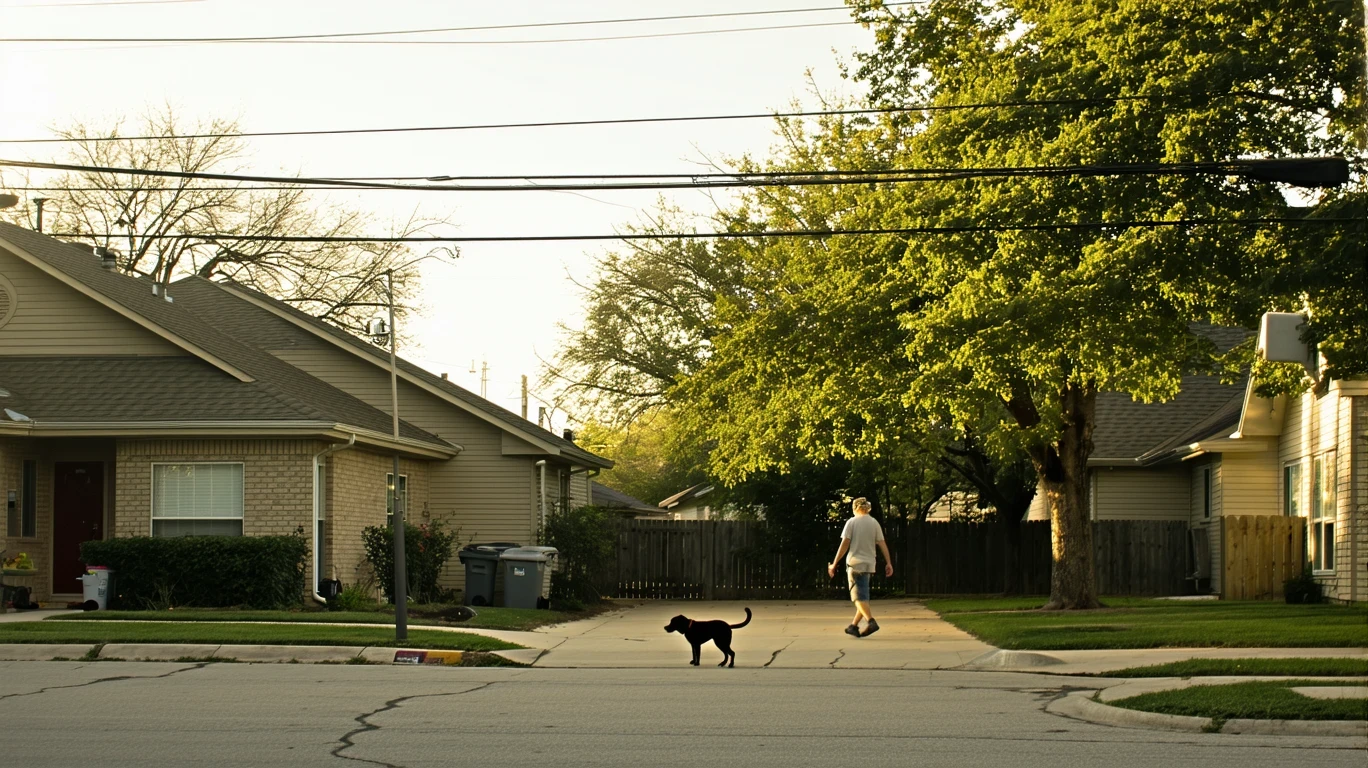
Kyle sits just south of Austin, part of the metro’s suburban growth ring. It’s a low-rise, mixed-use community where residential neighborhoods blend with commercial corridors, and where some pockets offer walkable infrastructure while others assume you’ll drive. The median household income is $85,199 per year, and the unemployment rate is 3.4%. But income alone doesn’t tell you whether life here will feel manageable or stretched—because the same earnings can produce very different experiences depending on what you’re trying to do.
What “Living Comfortably” Means in Kyle
Comfort in Kyle isn’t about luxury—it’s about having enough margin that your decisions aren’t dictated by bills. It means you can absorb a high utility month without panic, choose a home that fits your household without sacrificing everything else, and run errands without turning every trip into a logistics puzzle.
It also means accepting that Kyle’s structure creates friction in certain areas. Grocery density is low, and food options, while present, are concentrated rather than evenly distributed. If you expect to walk to a supermarket on a whim, you’ll be disappointed. If you’re comfortable planning trips and driving to stock up, it’s manageable. Comfort here is as much about expectations as it is about income.
Climate plays a role, too. Kyle’s heat is persistent, and cooling costs dominate summer utility bills. Homes here are low-rise and spread out, which means space comes easier than in denser metros—but it also means you’re managing climate control across more square footage. Comfortable living means budgeting for that reality, not hoping it won’t apply to you.
Where Income Pressure Shows Up First
In Kyle, housing pressure is the first place most households feel the squeeze. The median home value is $271,000, and median gross rent is $1,572 per month. For renters, that’s a significant share of gross monthly income for many households. For buyers, it’s not just the mortgage—it’s property taxes, insurance that reflects Texas’s unregulated market, and maintenance on single-family homes that don’t share walls or systems.
Utility volatility is the second pressure point. Electricity rates are 15.87¢/kWh, and natural gas runs $19.31 per thousand cubic feet. During extended heat, air conditioning isn’t optional—it’s survival. Bills swing with the season, and if your income doesn’t leave room for those swings, summer becomes a month-by-month stress test.
Transportation costs are less about the price of gas—$2.60 per gallon is reasonable—and more about the time and dependency it creates. Kyle has some walkable pockets where pedestrian infrastructure is strong, and bike-to-road ratios are moderate in certain areas. But grocery stores aren’t broadly accessible on foot, and errands often require driving. If you’re trying to minimize car expenses, Kyle’s layout works against you. If you’ve already accepted that a car is non-negotiable, the cost is predictable.
For families, pressure multiplies. School density and playground availability are both low, meaning parents often drive kids to activities, school, and care. Clinics are present for routine healthcare, but there’s no hospital in Kyle—serious medical needs mean a trip out of town. These aren’t catastrophic costs, but they add friction, and friction costs time, which costs money if you’re hourly or juggling schedules.
How the Same Income Feels Different by Household
A single adult earning $70,000 gross per year in Kyle will feel housing costs acutely, but can likely avoid the logistics complexity that families face. Rent or a modest mortgage, utilities, transportation, and food are manageable if expectations stay modest. The challenge is that there’s little room for error—one surprise expense, one rent increase, and the budget tightens fast.
A couple with dual incomes totaling $85,000 to $100,000 has more flexibility. They can absorb seasonal utility swings, split transportation costs, and potentially save. If they’re child-free, they avoid the errands and scheduling friction that defines family life here. Comfort for this household isn’t guaranteed, but it’s plausible if they avoid lifestyle creep and don’t stretch for a home that maxes out their approval.
Families with children face the most pressure, even at higher incomes. A household earning $100,000 or more will still feel the squeeze if they’re managing childcare logistics, school transportation, grocery runs that require planning, and healthcare trips outside Kyle. The lack of dense family infrastructure—schools, playgrounds, and accessible errands—means more driving, more time, and more coordination. Comfort for families isn’t just about income; it’s about whether both partners have schedule flexibility and whether they’re willing to treat errands as a planned operation rather than a spontaneous convenience.
The Comfort Threshold (Qualitative)
The transition to comfort in Kyle happens when housing no longer dominates your decision-making, when utility bills stop dictating behavior, and when you can absorb an unexpected $1,000 expense without restructuring your month. It’s the point where you’re choosing how to spend rather than reacting to what’s due.
For single adults, that threshold is higher than the median income. For couples, it’s reachable if both work and neither carries significant debt. For families, it requires either a single high earner or two solid incomes plus a willingness to accept that convenience costs extra here.
Comfort also depends on what you’re not willing to compromise. If you need walkable errands, Kyle will frustrate you regardless of income. If you need a hospital nearby, you’ll feel the gap. If you expect urban density and spontaneous access, no amount of earnings will make Kyle feel comfortable—because the city’s structure doesn’t support that lifestyle.
Why Online Cost Calculators Get Kyle Wrong
Most cost-of-living calculators treat Kyle as a data point: plug in rent, utilities, transportation, and food, then spit out a total. But totals don’t explain why two households at the same income level report completely different experiences.
Calculators assume average behavior—average commutes, average grocery trips, average utility usage. They don’t account for Kyle’s sparse grocery accessibility, which means some households drive farther and shop less often. They don’t capture the time cost of low family infrastructure density, which forces parents into logistics mode. They don’t reflect the reality that walkable pockets exist but don’t cover the whole city, so your specific address determines whether you walk or drive.
Calculators also ignore expectations. If you moved from a place where errands were walkable and spontaneous, Kyle will feel more expensive than the numbers suggest—because you’ll spend time and gas compensating for what’s missing. If you moved from a car-dependent exurb, Kyle might feel easier. The calculator doesn’t know which one you are.
How to Judge Whether Your Income Fits Kyle
Instead of asking “Is my income enough?”, ask these questions:
- Can you absorb housing at $1,500+ per month for rent, or a $270,000+ purchase price, without it dictating every other decision? If housing leaves you with little margin, every other cost becomes a problem.
- Are you comfortable with grocery and errands requiring planning and driving? If you expect walkable convenience, Kyle’s layout will frustrate you regardless of income.
- Can you handle utility bills that swing with the season? Summer cooling costs are not optional here. If a $200+ electric bill in July would destabilize your month, you’re not buffered enough.
- Do you have schedule flexibility, or are you managing rigid work and family logistics? Families face more friction here because infrastructure is spread thin. If both parents are locked into strict schedules, Kyle’s layout adds stress.
- How much does proximity to a hospital matter to you? Clinics handle routine care, but serious medical needs require leaving Kyle. If that’s a dealbreaker, income won’t fix it.
Your answers to these questions matter more than your salary. Kyle works well for households who’ve accepted car dependency, who plan rather than improvise, and who have enough income margin to absorb variability. It works poorly for those who expect urban convenience, who need spontaneous access, or who are stretched thin before they even arrive.
How this article was built: In addition to public economic data, this article incorporates location-based experiential signals derived from anonymized geographic patterns—such as access density, walkability, and land-use mix—to reflect how day-to-day living actually feels in Kyle, TX.
FAQs About Living Comfortably in Kyle
Is $85,000 a year enough to live comfortably in Kyle?
For a couple without children, yes—if both are working and housing doesn’t consume more than a third of gross income. For a single adult, it’s tight but manageable if expectations stay modest. For a family with children, $85,000 will feel stretched due to childcare, transportation, and the logistics friction created by low family infrastructure density.
Why do people say Kyle is affordable but still feel financially stressed?
Because affordability is relative, and what a budget has to handle depends on household structure and expectations. Kyle’s housing costs are lower than Austin’s, but they’re still significant. Grocery accessibility is sparse, transportation is car-dependent, and utility bills swing with the climate. Households that expect urban convenience or walkable errands face friction that doesn’t show up in rent comparisons.
Do families need more income to feel comfortable in Kyle than singles or couples?
Yes. Families face compounding costs: school transportation, childcare logistics, healthcare trips outside Kyle, and errands that require more planning due to sparse grocery density and low playground availability. Even at higher incomes, families report more pressure because Kyle’s infrastructure doesn’t reduce the time and coordination burden.
How much do utilities actually cost in Kyle during summer?
That depends on home size, insulation, and thermostat settings—but extended heat is non-negotiable here, and air conditioning dominates summer bills. Electricity rates are 15.87¢/kWh. A household running AC heavily can expect bills well above $150 per month, and larger homes or older construction can push that higher. If your income doesn’t leave room for seasonal swings, summer will test you.
Can you live in Kyle without a car?
Technically possible in certain walkable pockets, but practically difficult. Grocery density is low, and food options are concentrated rather than distributed. Bike infrastructure exists in some areas, but it’s not comprehensive. If you’re trying to avoid car ownership to save money, Kyle’s layout will create friction that costs you time and limits access. Most households here assume car dependency and budget accordingly.
Kyle can work well for some households—but only if expectations match reality. Comfort here isn’t about hitting a magic income number; it’s about whether your household structure, flexibility, and priorities align with a city that rewards planning over spontaneity, driving over walking, and margin over precision.