
What Does Living in Cedar Park Really Feel Like?
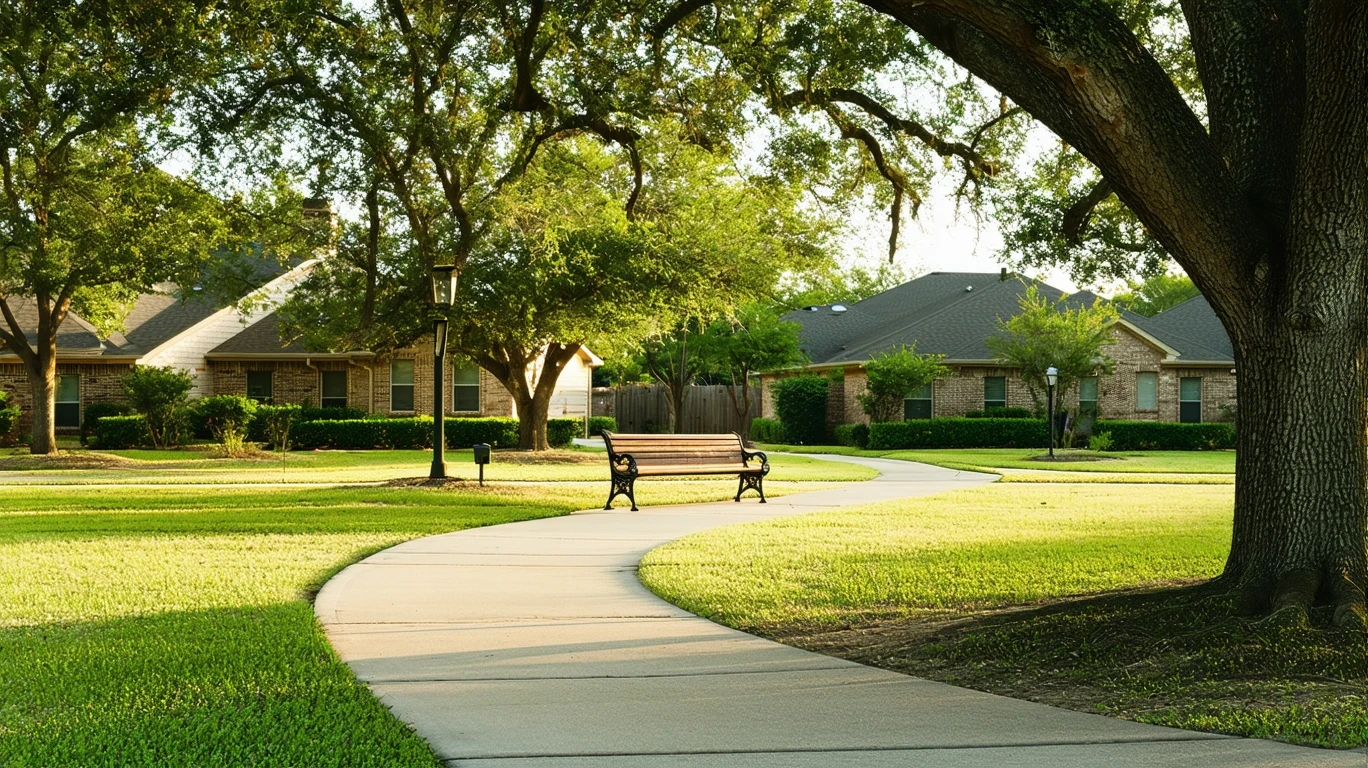
Is Cedar Park the kind of place where you exhale at the end of the day—or where you’re always planning your escape to somewhere more interesting? The answer depends less on the city itself and more on what you’re hoping suburban life near Austin will give you. Cedar Park tends to reward people who want safety, green space, and family-friendly infrastructure without sacrificing access to a major metro. It tends to frustrate people who crave walkable neighborhoods, spontaneous nightlife, or the kind of texture that comes from decades of layered development.
The city sits in a peculiar middle ground: it’s grown rapidly enough to feel new and planned, but it’s mature enough to have developed pockets of character. Some residents love that it offers both parks and proximity to downtown Austin. Others feel caught between suburban predictability and urban convenience, getting neither fully. The vibe here isn’t about whether Cedar Park is “good” or “bad”—it’s about whether its specific tradeoffs match what you actually need day-to-day.
The Emotional Pulse of Cedar Park
Public discussion around Cedar Park tends to circle a few recurring themes: pride in schools and safety, frustration with traffic and growth, protectiveness over the “small-town feel,” and resignation about car dependency. There’s a strong undercurrent of people who moved here intentionally for family life and feel validated by that choice. But there’s also a quieter thread of restlessness from people who thought proximity to Austin would mean more access to its energy—and instead find themselves driving 30 minutes each way to feel like they’re “doing something.”
One commonly expressed sentiment: “We moved to Cedar Park for the schools, but stayed for the neighbors.” That captures the city’s emotional center—it’s a place where social infrastructure often matters more than physical infrastructure. People tend to feel rooted here through relationships, not through the built environment.
Another frequent observation: “It’s great if you have kids and a yard. If you’re single or childfree, it can feel like there’s not much here for you.” That’s not a complaint about amenities being absent—it’s about the city being optimized for one life stage, and feeling flat for others.
A third theme that comes up often: “I love that it’s quiet and safe, but I hate that I have to drive everywhere, even just to grab coffee.” This tension—between appreciating suburban calm and resenting the logistics it requires—is central to how people experience Cedar Park emotionally.
What People Talk About Online
In cities like Cedar Park, locals often describe the vibe as warm but pragmatic. Social media discussion tends to focus on recommendations (where to eat, which pediatrician to use, how to navigate school enrollment) rather than on cultural identity or civic debate. There’s a strong sense of mutual help, but not much philosophical conversation about what the city “should be.”
Growth is a recurring topic, but it’s discussed more with fatigue than anger. People acknowledge that traffic has gotten worse, that new developments keep appearing, and that the city feels less intimate than it did a decade ago—but there’s also acceptance that growth is part of living near Austin. The tone is more “this is the tradeoff we signed up for” than “this is ruining everything.”
One sentiment that appears frequently: “Cedar Park used to feel like a hidden gem. Now it just feels like North Austin with better schools.” That reflects a common emotional arc: people who moved here for distance from the city now feel like the city has followed them.
Another common thread: “If you’re okay with chain restaurants and driving, you’ll be fine. If you want local spots and walkability, you’ll be disappointed.” This isn’t about absence—it’s about expectation management. Cedar Park has amenities, but they’re spread out and often feel interchangeable.
How Local Coverage Frames the City
Local coverage tends to frame Cedar Park through the lens of managed growth and family-oriented development. The tone is rarely critical, but it’s also rarely celebratory—it’s more observational, tracking how the city is changing and what that means for residents.
Recurring topic categories include:
- Community Debates What Growth Should Look Like — discussions about density, traffic, and preserving suburban character
- New Amenities Arrive as Town Identity Evolves — coverage of retail, dining, and entertainment openings
- Residents Weigh Convenience vs Quiet — features on how proximity to Austin shapes daily life
- Schools and Parks Remain Central to Appeal — recurring emphasis on family infrastructure as the city’s core value
- Transportation and Commute Challenges Persist — ongoing attention to traffic, transit options, and car dependency
The overall framing is one of a city in transition—no longer a sleepy suburb, not yet a destination in its own right. Coverage reflects that ambiguity, often highlighting both progress and growing pains in the same story.
What Reviews and Public Perception Reveal
Public perception of Cedar Park tends to split along life-stage lines. Families with school-age children consistently praise the city for safety, parks, and community events. Single professionals and younger couples are more lukewarm, often noting that the city feels “fine” but not exciting. Retirees and empty nesters tend to appreciate the calm but sometimes express feeling isolated from cultural activity.
Positive themes that come up frequently:
- Excellent schools and strong family infrastructure
- Abundant parks and green space, well-maintained and accessible
- Safe, quiet neighborhoods with a suburban feel
- Proximity to Austin without living in the city itself
Critiques that appear regularly:
- Heavy car dependency—walking to errands is rare outside a few pockets
- Limited dining and entertainment variety compared to Austin
- Traffic congestion during commute hours, especially heading south
- Newer planned areas can feel sterile or lacking in character
One recurring observation: “It’s a great place to raise kids, but once they’re grown, I’m not sure what keeps people here.” That sentiment reflects Cedar Park’s strong alignment with one life phase and weaker appeal outside it.
Another common theme: “The parks are amazing, and we use them constantly. But getting to a good restaurant or live music means driving into Austin.” This captures the city’s strength in outdoor infrastructure and its gap in cultural texture.
How this article was built: In addition to public economic data, this article incorporates location-based experiential signals derived from anonymized geographic patterns—such as access density, walkability, and land-use mix—to reflect how day-to-day living actually feels in Cedar Park, TX.
How Cedar Park Compares to Nearby Cities
| Dimension | Cedar Park | Round Rock | Leander |
|---|---|---|---|
| Overall Vibe | Family-focused suburban comfort with Austin proximity | More corporate, slightly more urban texture | Quieter, more rural feel, farther from Austin |
| Walkability | Pockets exist, but most errands require driving | Similar—some walkable zones, mostly car-dependent | Very car-dependent, fewer walkable areas |
| Dining & Nightlife | Chain-heavy, limited local spots | Slightly more variety, still suburban | Fewer options, more family-casual |
| Family Appeal | Strong schools, parks, and playgrounds | Also strong, with similar family infrastructure | Growing family appeal, newer development |
| Commute to Austin | Moderate—traffic can be heavy | Similar distance, similar traffic patterns | Longer commute, more rural buffer |
Cedar Park sits between Round Rock’s slightly more developed commercial feel and Leander’s quieter, more spread-out character. If you want a bit more dining variety and don’t mind a corporate edge, Round Rock might feel more dynamic. If you want more space, lower density, and don’t mind being farther from Austin, Leander offers a slower pace. Cedar Park appeals to people who want suburban family life without feeling too remote, but who are willing to accept that “going out” usually means getting in the car.
Voices from Cedar Park Residents
“We love the parks here—our kids are outside constantly. But if we want a nice dinner or live music, we’re driving to Austin. It’s the tradeoff we accepted.” — Family with young children
“I moved here thinking I’d get the best of both worlds—suburban calm and city access. What I got was suburban calm and a 45-minute round trip anytime I want to do something interesting.” — Young professional, renting
“Cedar Park is exactly what we wanted: safe, quiet, good schools, and neighbors who actually talk to each other. We’re not looking for nightlife.” — Family who relocated from another state
“It’s fine, but it feels like every restaurant is a chain and every neighborhood looks the same. I miss having local spots with personality.” — Transplant from a walkable city
“I’ve been here since before it blew up. It’s not the same town it was, but I get why people keep moving here. It’s still one of the better suburbs if you have kids.” — Long-time resident
“The rail line is great when I need to get downtown without driving, but day-to-day, I’m still in my car for everything. Groceries, errands, coffee—it’s all a drive.” — Remote worker
“We thought about Austin proper, but the housing tradeoffs didn’t make sense for us. Cedar Park gave us space, a yard, and schools we trust. We’re happy here.” — Family who prioritized ownership
Does Cedar Park Feel Like a Good Fit?
Cedar Park tends to work well for families who prioritize safety, schools, and outdoor space, and who don’t mind driving as the default mode for errands and social life. It also appeals to people who want proximity to Austin without living in the city itself—whether for work, affordability, or lifestyle preference. The city offers strong family infrastructure, accessible parks, and a suburban rhythm that feels predictable and manageable.
It tends to frustrate people who value walkability, spontaneous access to dining and culture, or the kind of neighborhood texture that comes from older, layered development. It can also feel isolating for people outside the family-with-kids demographic, particularly if they’re renting and not building equity in the community. The city’s growth has brought more amenities, but it hasn’t fundamentally changed the car-dependent, corridor-clustered structure that defines daily life here.
If you’re trying to decide whether Cedar Park aligns with your needs, consider what you’re optimizing for. If it’s schools, parks, and a quiet suburban base near a major metro, Cedar Park delivers. If it’s walkable errands, local dining variety, or urban energy, you’ll likely feel the gaps. The city’s vibe isn’t about being universally appealing—it’s about being very good at one thing, and knowing that comes with specific tradeoffs.
For more context on how day-to-day costs shape life here, or what drives the lifestyle requirements that make Cedar Park feel like a fit (or a mismatch), explore the related guides.
The perspectives shown reflect commonly expressed local sentiment and recurring themes in public discussion, rather than individual accounts.