
Picture this: it’s Sunday afternoon in Cedar Park, and you’re mapping out meals for the week. You’ve got a list—chicken, rice, eggs, cheese, maybe ground beef for tacos—and you’re deciding whether to hit the discount grocer near the outlet mall or the mid-tier chain closer to home. That choice, more than any single item price, shapes how grocery costs feel here. Cedar Park sits in a corridor-clustered food landscape, meaning grocery options concentrate along specific routes rather than spreading evenly across every neighborhood. For families buying in volume, that geography turns store selection into a primary cost lever. For singles and smaller households, it’s more about convenience versus intentional planning.
Cedar Park’s regional price environment runs slightly below the national baseline, with a regional price parity index of 98, suggesting a modest cost advantage compared to higher-cost metros. But that broad measure doesn’t capture the texture of grocery shopping here. What matters more is how households navigate the mix of discount, mid-tier, and premium options scattered along major corridors. High food establishment density signals plenty of restaurant competition, but grocery density sits in the medium band—meaning fewer stores per square mile than in denser urban cores, and more planning required to access the tier that fits your budget. The result is a system where intentional routing pays off, and defaulting to the nearest option can quietly inflate costs over time.
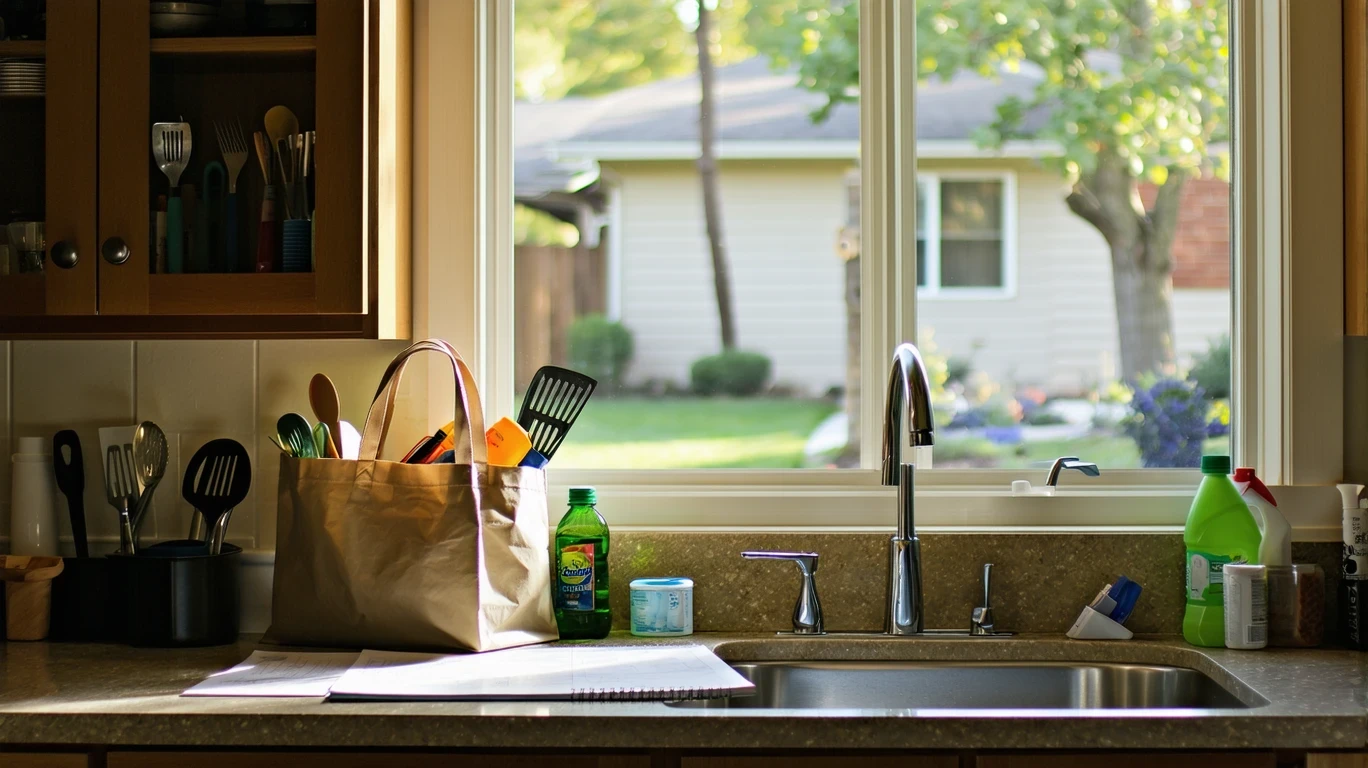
How Grocery Costs Feel in Cedar Park
Grocery prices in Cedar Park don’t feel punishing, but they don’t feel invisible either. For households earning near or above the median income of $118,903 per year, weekly trips to mid-tier or even premium grocers fit comfortably into the budget. But for families with multiple kids, retirees on fixed income, or single earners stretching paychecks, the difference between discount and premium tiers becomes tangible quickly. A family of four buying staples at a premium grocer might spend 25–35% more per trip than the same household shopping discount chains, and that gap compounds weekly. Singles and couples feel less pressure per trip, but over a month, the same tier choices still shape whether grocery spending feels controlled or creeping.
The corridor-clustered layout means access to your preferred tier isn’t always a five-minute detour. If you live in a neighborhood without a nearby discount option, getting to one might mean a deliberate drive rather than a stop on the way home. That friction doesn’t make affordable groceries unavailable—it just means households that prioritize price need to plan trips intentionally rather than shop opportunistically. For families managing tight budgets, that planning becomes routine. For higher earners, it’s often easier to default to convenience, which quietly shifts spending toward mid or premium tiers without much conscious decision-making.
Grocery costs in Cedar Park are also shaped by what you’re not spending on. Housing pressure here is real—median home values sit at $427,800, and rent averages $1,677 per month—so for many households, groceries represent one of the few flexible line items left after fixed costs. That makes store choice and shopping habits feel more consequential. When housing and utilities are locked in, groceries become a place where households can exercise control, and the difference between discount and premium tiers translates directly into breathing room or tightness elsewhere in the budget.
Grocery Price Signals (Illustrative)
These prices illustrate how staple items tend to compare locally—not a full shopping list. They reflect regional price parity adjustments and provide context for understanding relative cost positioning across common categories. Actual prices vary by store tier, brand, and week, but these anchors help explain why certain households feel more grocery pressure than others.
| Item | Illustrative Price |
|---|---|
| Bread (per pound) | $1.80/lb |
| Cheese (per pound) | $4.64/lb |
| Chicken (per pound) | $1.98/lb |
| Eggs (per dozen) | $2.66/dozen |
| Ground beef (per pound) | $6.55/lb |
| Milk (per half-gallon) | $3.97/half-gallon |
| Rice (per pound) | $1.05/lb |
Ground beef stands out as the highest per-pound cost here, which matters most for families cooking multiple protein-heavy meals per week. Chicken offers a lower-cost alternative, and rice provides an inexpensive base for stretching meals. Eggs and milk sit in the middle—not cheap, but not prohibitive. Cheese and bread round out the staples, with cheese carrying enough per-pound cost that households buying in bulk feel the difference between discount and premium tiers quickly. These aren’t checkout-accurate prices, but they show where cost pressure concentrates and why families with kids notice grocery bills more than singles or couples.
Store Choice & Price Sensitivity
Grocery price pressure in Cedar Park varies more by store tier than by any single “average” experience. Discount chains—stores built around private-label products, no-frills layouts, and high volume—offer the lowest per-item costs and the most predictable pricing. Mid-tier grocers provide more brand selection, better produce variety, and a more comfortable shopping experience, but at a noticeable markup over discount options. Premium grocers add organic sections, prepared foods, specialty items, and upscale ambiance, with prices that reflect those features. The gap between discount and premium tiers isn’t trivial—it’s the difference between tight control and loose spending, especially for households buying in volume.
For families with children, store tier choice becomes the primary cost lever. A household buying staples for four people at a discount grocer might spend 25–30% less per trip than the same household shopping a premium chain. That difference compounds weekly, and over a month, it’s the gap between grocery spending feeling manageable or feeling like it’s quietly eating into other priorities. Singles and couples feel less pressure per trip, but the same tier dynamics apply—defaulting to convenience or premium options adds up over time, while intentional discount shopping keeps costs predictable.
Cedar Park’s corridor-clustered grocery layout means access to discount tiers isn’t always immediate. If your neighborhood sits away from the main commercial corridors, reaching a discount grocer might require a deliberate trip rather than a quick stop. That friction doesn’t make affordable groceries unavailable, but it does mean price-conscious households need to plan trips intentionally. For families managing tight budgets, that planning becomes routine. For higher earners, it’s often easier to default to the nearest mid-tier option, which quietly shifts spending upward without much conscious decision-making. The result is a system where store choice and trip planning matter as much as item-level prices.
What Drives Grocery Pressure Here
Grocery pressure in Cedar Park is shaped most by household size and income interaction. The median household income of $118,903 suggests many families can absorb mid-tier or premium grocery costs without strain, but that median masks variation. Households earning below that line—especially those with multiple dependents—feel grocery costs more acutely, and the difference between discount and mid-tier shopping becomes a meaningful budget decision. For retirees on fixed income or single earners, even modest per-item markups compound quickly, making store tier choice a primary tool for controlling monthly spending.
Regional distribution and access patterns also drive pressure. High food establishment density means plenty of restaurant options, but medium grocery density means fewer stores per square mile than in denser metros. That concentration along corridors creates a tradeoff: households near major routes have multiple tier options within a short drive, while those in quieter neighborhoods face longer trips to access discount pricing. The result is a system where geography and intentionality interact—price-conscious shopping is absolutely possible, but it requires planning rather than defaulting to the nearest option.
Seasonal variability plays a quieter role. Produce prices shift with growing seasons, and certain proteins fluctuate with supply cycles, but those swings are less dramatic than the persistent difference between store tiers. Households that shop discount chains and buy seasonal produce feel less volatility than those defaulting to premium grocers and buying out-of-season specialty items. The key driver isn’t the season—it’s the habit. Families that plan meals around what’s affordable this week, rather than what sounds appealing, experience grocery costs as more stable and predictable.
Practical Ways People Manage Grocery Costs
Households in Cedar Park manage grocery costs most effectively by treating store choice as a primary lever, not an afterthought. Shopping discount chains for staples—rice, beans, eggs, chicken, bread—and reserving mid-tier or premium trips for specific items keeps spending predictable without sacrificing variety. Families that plan weekly meals around what’s already affordable, rather than building lists around aspirational recipes, avoid the quiet cost creep that comes from impulse purchases and premium-tier defaults. Singles and couples benefit from the same approach, even if the per-trip savings feel smaller—consistency compounds over months.
Buying in bulk reduces per-unit costs, but only when the household actually uses what it buys. Families with kids benefit most from bulk staples like rice, pasta, canned goods, and frozen proteins, which store well and get used reliably. Smaller households need to be more selective—bulk buying perishables or specialty items often leads to waste, which erases any per-unit savings. The key is matching bulk purchases to actual consumption patterns, not just unit-price appeal.
Cooking at home consistently is the most reliable way to control food spending, but it requires time and planning. Households that batch-cook staples—grains, beans, proteins—and build meals around those foundations spend less per meal and waste less food than those cooking from scratch every night or defaulting to convenience items. Prepared foods and meal kits offer time savings, but they carry significant markups over raw ingredients. For families managing tight budgets, the tradeoff between time and cost is real, and the households that feel least grocery pressure are usually the ones that prioritize meal planning and batch cooking over convenience.
Groceries vs Eating Out (Directional)
The tradeoff between groceries and dining out in Cedar Park isn’t just about price per meal—it’s about time, planning, and how much flexibility a household needs. Cooking at home consistently delivers lower per-meal costs, but it requires planning, shopping trips, and time in the kitchen. Dining out offers convenience and variety, but at a significant markup over raw ingredients. For families with kids, that markup compounds quickly, and frequent restaurant meals can quietly shift monthly expenses away from controlled grocery spending toward less predictable dining costs.
High food establishment density in Cedar Park means restaurant options are plentiful, and the corridor-clustered layout puts dining choices along the same routes as grocery stores. That proximity makes it easy to default to dining out when time is tight or meal planning falls through, but it also makes the cost tradeoff more visible. A household that dines out twice a week instead of cooking might spend as much on those two meals as they would on several days of home-cooked staples. The key isn’t avoiding restaurants entirely—it’s treating dining out as an intentional choice rather than a default when planning falters.
For singles and young professionals, the tradeoff feels different. Cooking for one often means dealing with ingredient waste or eating the same meal repeatedly, which makes dining out or grabbing prepared foods more appealing. The cost difference per meal is still real, but the time and convenience savings can feel worth it, especially for households earning above the median. The households that manage this tradeoff best are the ones that cook at home most of the time and treat dining out as a deliberate budget line, not a fallback when groceries feel like too much work.
FAQs About Grocery Costs in Cedar Park (2026)
Is it cheaper to shop in bulk in Cedar Park? Bulk buying reduces per-unit costs, but only if the household uses what it buys before it spoils. Families with kids benefit most from bulk staples like rice, pasta, and frozen proteins, while smaller households need to be selective to avoid waste.
Which stores in Cedar Park are best for low prices? Discount chains offer the lowest per-item costs and the most predictable pricing, especially for staples. Mid-tier grocers provide more variety and convenience, but at a noticeable markup. Store tier choice is the primary cost lever for price-conscious households.
How much more do organic items cost in Cedar Park? Organic products typically carry a premium over conventional options, with the gap widest for produce and dairy. Households that prioritize organic items should expect to spend more per trip, especially at premium-tier grocers where organic selection is broadest.
How do grocery costs for families in Cedar Park compare to nearby cities? Cedar Park’s regional price parity index of 98 suggests a modest cost advantage compared to higher-cost metros, but the difference is less about item-level prices and more about store tier availability and access patterns. Families that shop discount chains feel less pressure than those defaulting to premium options.
How do households in Cedar Park think about grocery spending when cooking at home? Most households treat groceries as one of the few flexible line items after housing and utilities are locked in. Families that plan meals around affordable staples and shop discount tiers feel more control, while those defaulting to convenience or premium options experience grocery costs as less predictable.
Does Cedar Park’s corridor-clustered layout make grocery shopping harder? It depends on where you live. Households near major commercial corridors have multiple tier options within a short drive, while those in quieter neighborhoods may need to plan trips intentionally to access discount pricing. The layout rewards planning over opportunistic shopping.
Are grocery prices in Cedar Park rising faster than income? Grocery prices fluctuate with regional and national supply cycles, but the primary driver of pressure here is household size and store tier choice, not broad inflation trends. Families that shop discount chains and plan meals around seasonal staples experience less volatility than those defaulting to premium grocers.
How Groceries Fit Into the Cost of Living in Cedar Park
Groceries sit in the middle of Cedar Park’s cost structure—less rigid than housing or utilities, but more persistent than discretionary spending. With median home values at $427,800 and rent averaging $1,677 per month, housing dominates most household budgets, and utilities add seasonal pressure, especially during the extended cooling season when air conditioning drives electricity costs upward. Groceries, by contrast, offer more control. Store tier choice, meal planning, and shopping habits directly shape how much households spend, and families that treat grocery shopping as a strategic decision rather than a convenience default feel less pressure over time.
For a complete picture of where money goes each month, including how groceries interact with housing, utilities, transportation, and other fixed costs, the Monthly Budget article provides the full breakdown. That’s where you’ll find spending totals, affordability thresholds, and household-specific budget scenarios. This article focuses on grocery pressure and sensitivity—how food costs feel, who feels them most, and what levers households can pull to manage spending without sacrificing variety or nutrition.
The households that feel most confident about grocery costs in Cedar Park are the ones that plan trips intentionally, shop discount tiers for staples, and cook at home consistently. That doesn’t mean avoiding mid-tier or premium grocers entirely—it means treating those trips as deliberate choices rather than defaults. For families with kids, that discipline translates directly into breathing room elsewhere in the budget. For singles and couples, it’s the difference between grocery spending feeling invisible or feeling like it’s quietly creeping upward. The key is recognizing that grocery costs here are shaped more by behavior and store choice than by any single item price, and the households that manage those levers best are the ones that feel least pressure over time.
How this article was built: In addition to public economic data, this article incorporates location-based experiential signals derived from anonymized geographic patterns—such as access density, walkability, and land-use mix—to reflect how day-to-day living actually feels in Cedar Park, TX.