
“We moved to Austin for the schools, but stayed for the neighbors.” That sentiment captures something essential about life here—a city where the draw often starts with practical considerations but deepens into something more textured. Austin sits at an interesting crossroads: it’s grown fast enough to offer urban amenities and cultural variety, yet it retains pockets of neighborhood connection and outdoor access that feel genuinely integrated into daily life. The emotional tone here isn’t uniform—some people feel energized by the change, others feel displaced by it—but the recurring theme is that Austin rewards those who want texture, activity, and a bit of creative friction alongside suburban comfort.
Understanding whether Austin feels like a good fit means understanding the tradeoffs that keep surfacing in local conversation: growth vs. familiarity, convenience vs. traffic, cultural vibrancy vs. rising costs, outdoor access vs. summer heat intensity. This isn’t a city where everyone agrees on what’s working, but it is a place where people tend to care deeply about how it’s evolving.
The Emotional Landscape of Austin
Austin’s vibe is shaped by tension between identity and scale. Long-time residents often describe a city that used to feel like a big town and now feels like a mid-sized metro still figuring out its infrastructure. Newcomers tend to arrive expecting either a laid-back creative haven or a booming tech hub, and the reality often sits somewhere in between—more dynamic than they expected, but also more congested and expensive.
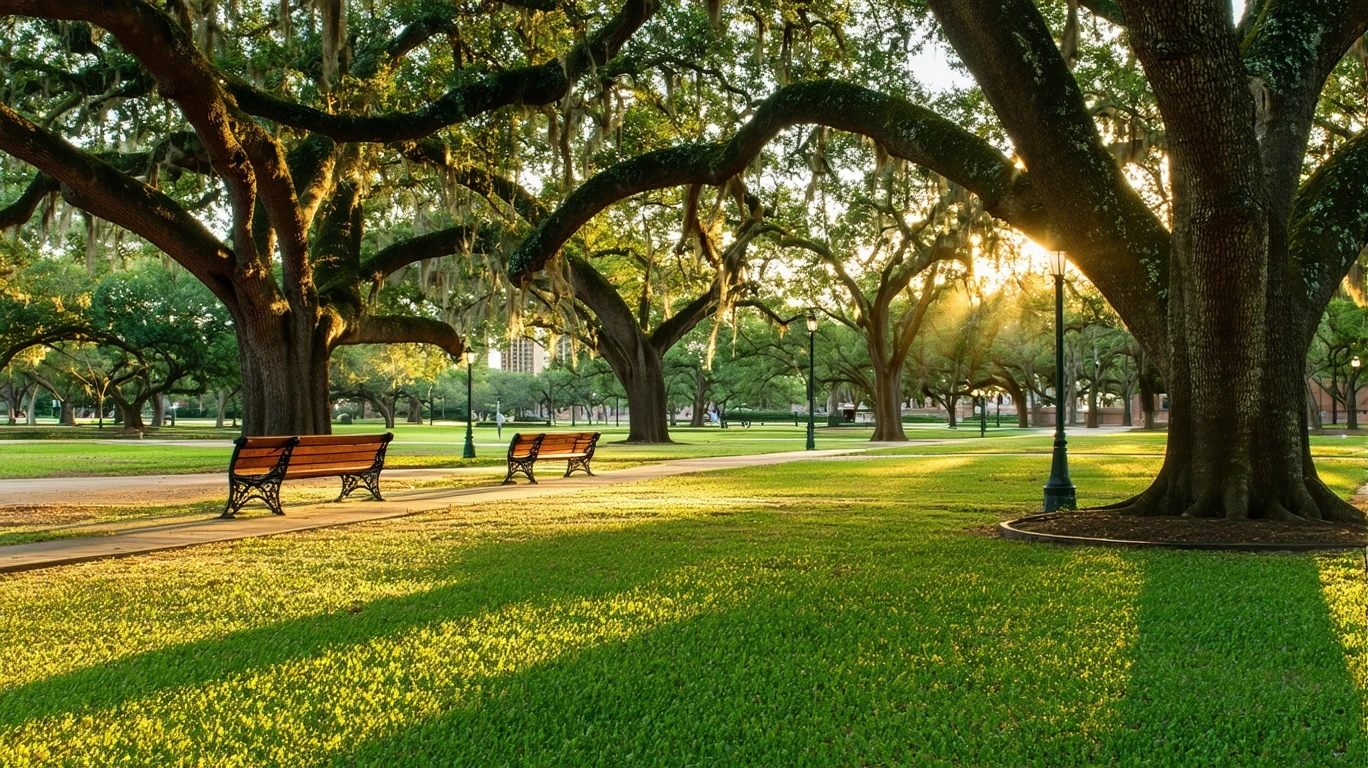
What tends to feel rewarding here is the access to green space, live music, food variety, and a social scene that doesn’t require formality. Parks are plentiful and well-used, cycling infrastructure is notably present, and the pedestrian-to-road ratio in many areas supports walking for errands rather than just recreation. The city’s structure allows for a mix of residential and commercial land use, meaning daily logistics don’t always require long drives. For people who value being able to grab coffee, walk to a farmers market, or bike to a brewery, Austin delivers that texture more consistently than many Sun Belt metros.
What tends to feel irritating is the mismatch between growth and infrastructure capacity. Traffic is a recurring frustration, especially for those commuting from outer suburbs into the urban core. The heat—particularly the extended cooling season with stretches of triple-digit summer temperatures—shapes daily routines and utility exposure in ways that surprise people unfamiliar with Central Texas. And affordability is a persistent emotional undercurrent: housing pressure affects renters and buyers alike, and the sense that “Austin isn’t what it used to be” often centers on who can still afford to live here.
People who tend to feel at home in Austin are those who want a city that’s still building its identity rather than settled into one. They’re comfortable with a bit of chaos, they value outdoor access and cultural options over predictability, and they’re willing to trade some convenience for variety. People who tend to feel restless are those who expected either a sleepy college town or a fully mature metro with seamless systems—Austin is neither, and that in-between state can feel either exciting or exhausting depending on what you need from a place.
What’s Buzzing on Social Media
In cities like Austin, social media discussion tends to organize around a few recurring themes: growth debates, neighborhood identity, outdoor culture, and the tension between newcomers and long-time locals. Platforms like Reddit, Facebook groups, and X (Twitter) reflect a community that’s both proud and protective—people celebrate what makes Austin distinct, but they’re also quick to critique what they see as threats to that character.
One common thread is pride in the city’s outdoor infrastructure and cultural texture. “You can bike to breakfast, hike at lunch, and catch live music after work—that’s not normal for a city this size,” reflects the kind of lifestyle integration that residents value. Another frequent theme is frustration with traffic and commute unpredictability, especially for those living in rapidly growing suburbs. “I love living here, but I’ve learned to plan my life around avoiding I-35,” captures the tradeoff many people make between affordability in outer areas and time lost to congestion.
There’s also a recurring tension around authenticity and change. Long-time residents often express ambivalence: they appreciate new amenities and job opportunities, but they mourn the loss of affordability and the displacement of local institutions. “Austin used to feel like a place where weird was welcome—now it feels like weird is expensive,” reflects a sentiment that surfaces often in discussions about gentrification, rising rents, and neighborhood transformation.
Newcomers, meanwhile, tend to focus on quality-of-life comparisons. “We moved from a bigger city and were surprised by how accessible everything feels—parks, trails, food trucks, breweries—it’s all just woven into daily life,” is a common refrain from people relocating from denser or more car-dependent metros. But there’s also surprise at the heat intensity and the infrastructure growing pains: “I didn’t expect this much traffic in a city that’s supposed to be laid-back.”
How Local Coverage Frames the City
Local news and community discussion in Austin tend to frame the city through the lens of growth management, cultural preservation, and infrastructure strain. Coverage doesn’t focus on decline or stagnation—it focuses on pace, direction, and who benefits from change. The tone is less about crisis and more about negotiation: what kind of city is Austin becoming, and who gets a say in that process?
Recurring topic categories that appear in local coverage include:
- “Community Debates What Growth Should Look Like”
- “New Developments Bring Amenities and Concerns”
- “Traffic Solutions Remain Elusive as Population Climbs”
- “Affordability Pressures Shape Who Can Stay”
- “Outdoor Spaces Expand as Demand Grows”
These aren’t declarations of specific incidents—they’re the emotional categories that shape how residents talk about living here. The framing tends to acknowledge both opportunity and friction: new restaurants and parks are celebrated, but so is the concern that longtime residents and local businesses are being priced out. Infrastructure improvements are welcomed, but the gap between need and capacity remains a persistent theme.
What Reviews and Public Perception Reveal
On platforms like Google, Yelp, and neighborhood forums, Austin’s public perception reflects a city that exceeds expectations in some areas and falls short in others—often depending on what people were hoping to find. The praise tends to center on lifestyle texture: access to trails, parks, food variety, and a social scene that feels approachable rather than exclusive. The criticism tends to focus on cost, traffic, and the gap between Austin’s reputation and its day-to-day realities.
People who moved to Austin expecting suburban comfort with urban perks often express pleasant surprise at how integrated outdoor access feels. Parks aren’t just weekend destinations—they’re woven into daily routines. Grocery density is high, cycling infrastructure is notable, and the mix of residential and commercial land use means errands don’t always require long drives. “I can walk my kid to school, bike to the coffee shop, and still be home in time for a work call—that’s what sold me on this neighborhood,” reflects the kind of logistical ease that newer planned areas and older walkable pockets both offer, in different forms.
People who moved expecting a laid-back, affordable college town often express disappointment. “I thought Austin would be cheaper than where I came from, but rent here is just as high and the traffic is worse,” is a recurring sentiment from newcomers who underestimated the city’s cost structure and growth pressures. Similarly, those expecting a fully mature metro with seamless transit and predictable commutes find that Austin’s infrastructure is still catching up to its population.
Neighborhood variation plays a role in how people experience the city. Newer planned areas tend to offer modern amenities, good schools, and family-friendly infrastructure, but they can feel somewhat homogenous and car-dependent despite the city’s overall walkable texture. Older pockets closer to the urban core offer more character, walkability, and access to cultural amenities, but they come with higher costs and sometimes aging housing stock. The tradeoff between convenience and character is a recurring theme in how people describe their neighborhood fit.
How Austin Compares to Nearby Cities
| Dimension | Austin | San Antonio | Round Rock |
|---|---|---|---|
| Overall Vibe | Creative, growing, textured but congested | Relaxed, affordable, culturally rich but sprawling | Suburban, family-focused, newer but less distinct |
| Outdoor Access | Integrated parks, trails, and water features | Strong park system, less urban trail density | Good neighborhood parks, less variety |
| Cultural Texture | Live music, food variety, creative scene | Deep history, festivals, slower cultural pace | Chain-driven, less local character |
| Traffic & Commute | Frustrating, especially during peak hours | Sprawling but less congested | Manageable locally, harder if commuting to Austin |
| Affordability | High and rising, especially for renters | More accessible across income levels | Moderate, better than Austin but rising |
Austin, San Antonio, and Round Rock each appeal to different priorities. If you value cultural variety, outdoor integration, and a city that’s still evolving, Austin offers that texture—but you’ll pay for it in cost and traffic. If you want a slower pace, deeper affordability, and less congestion, San Antonio provides that with its own cultural richness, though it lacks some of Austin’s walkable density and creative energy. If you prioritize suburban comfort, good schools, and family infrastructure without the intensity of urban growth, Round Rock delivers that stability, but it feels more like a bedroom community than a destination in its own right.
The choice isn’t about which city is “better”—it’s about which tradeoffs align with your household’s priorities. Austin rewards those who want texture and are willing to navigate growth friction. San Antonio rewards those who want space and affordability without sacrificing cultural depth. Round Rock rewards those who want suburban predictability with proximity to Austin’s opportunities.
What Locals Are Saying
“I moved here for a tech job and stayed because I can actually have a life outside of work. I bike to the office, meet friends for tacos, and hit the trails on weekends. The traffic is annoying, but the lifestyle balance is worth it.” — Young professional, relocated from the West Coast
“We chose Austin for the schools and the outdoor access. Our kids can walk to school, we’re close to parks, and there’s always something happening on weekends. The cost is higher than we expected, but we feel like we’re raising them in a place with options.” — Family with elementary-aged children, moved from a smaller Texas city
“I’ve been here for twenty years, and it’s hard to watch the city change so fast. I love the new restaurants and the fact that my neighborhood finally has sidewalks, but I also see friends moving away because they can’t afford rent anymore. It’s bittersweet.” — Long-time resident, works in education
“Austin has everything I wanted—live music, good food, a social scene that doesn’t feel pretentious—but the summer heat is no joke. I didn’t realize how much of the year I’d be planning around air conditioning.” — Remote worker, relocated from the Midwest
“I thought Austin would be more affordable than where I came from, but the rent here is just as high and the commute is worse. I like the vibe, but I’m not sure it’s sustainable long-term.” — Newcomer, renting near the urban core
“Retirement here has been great. We’re close to healthcare, we can walk to coffee and the farmers market, and there’s always live music or a festival to check out. The heat takes some adjustment, but the active lifestyle keeps us engaged.” — Retiree couple, downsized from a larger home in the suburbs
“I love that Austin feels like it’s still figuring itself out. It’s not a finished city, and that means there’s room to shape it. But it also means dealing with construction, traffic, and a lot of growing pains.” — Young professional, native Texan
Does Austin Feel Like a Good Fit?
Austin’s emotional profile is defined by its in-between state: it’s no longer a sleepy college town, but it’s not yet a fully mature metro. That creates both opportunity and friction. The city rewards people who value texture, outdoor integration, and cultural variety—who want a place where daily life feels active and layered rather than predictable. It frustrates people who expect seamless infrastructure, stable costs, or a slower pace of change.
This tends to work for households who prioritize lifestyle richness over logistical ease—who are willing to navigate traffic, rising costs, and summer heat in exchange for access to parks, trails, live music, food variety, and a social scene that feels open rather than exclusive. It works for people who want a city that’s still building its identity and who see growth friction as part of the process rather than a dealbreaker.
This tends to frustrate households who expected affordability, predictability, or a laid-back vibe without the intensity of rapid growth. It frustrates people who need seamless commutes, stable housing costs, or a city that’s already figured out its systems. And it frustrates long-time residents who feel the city’s character is shifting faster than they can adapt.
If you’re considering Austin, the question isn’t whether it’s a “happy” city—it’s whether the tradeoffs align with what you need from a place. If you want texture, outdoor access, and a city that’s still evolving, Austin offers that. If you need predictability, affordability, or infrastructure that’s already caught up to demand, you may find the friction outweighs the benefits.
For more detail on housing tradeoffs, monthly expenses, and lifestyle requirements, explore the related guides.
How this article was built: In addition to public economic data, this article incorporates location-based experiential signals derived from anonymized geographic patterns—such as access density, walkability, and land-use mix—to reflect how day-to-day living actually feels in Austin, TX.
The perspectives shown reflect commonly expressed local sentiment and recurring themes in public discussion, rather than individual accounts.