
It’s Sunday evening in Austin, and you’re mapping out meals for the week. Chicken for Monday and Wednesday. Ground beef for tacos Friday. Eggs, bread, and rice to fill in the gaps. You know what you need—but the bigger question is where you’ll shop, and whether this week’s cart will feel easy or tight. In Austin, grocery costs aren’t defined by a single price point. They’re shaped by store choice, household size, and how sensitive your budget is to the small differences that add up over time.
Austin sits near the national average for grocery price levels, with a regional price parity index of 98—meaning food costs here track close to what you’d see across much of the country. But that baseline doesn’t tell the whole story. What matters more is how those costs interact with income, access, and the daily decisions families make about where to shop and what to prioritize. For a household earning Austin’s median income of $86,556 per year, groceries represent a recurring pressure point that responds directly to planning, store selection, and household composition.
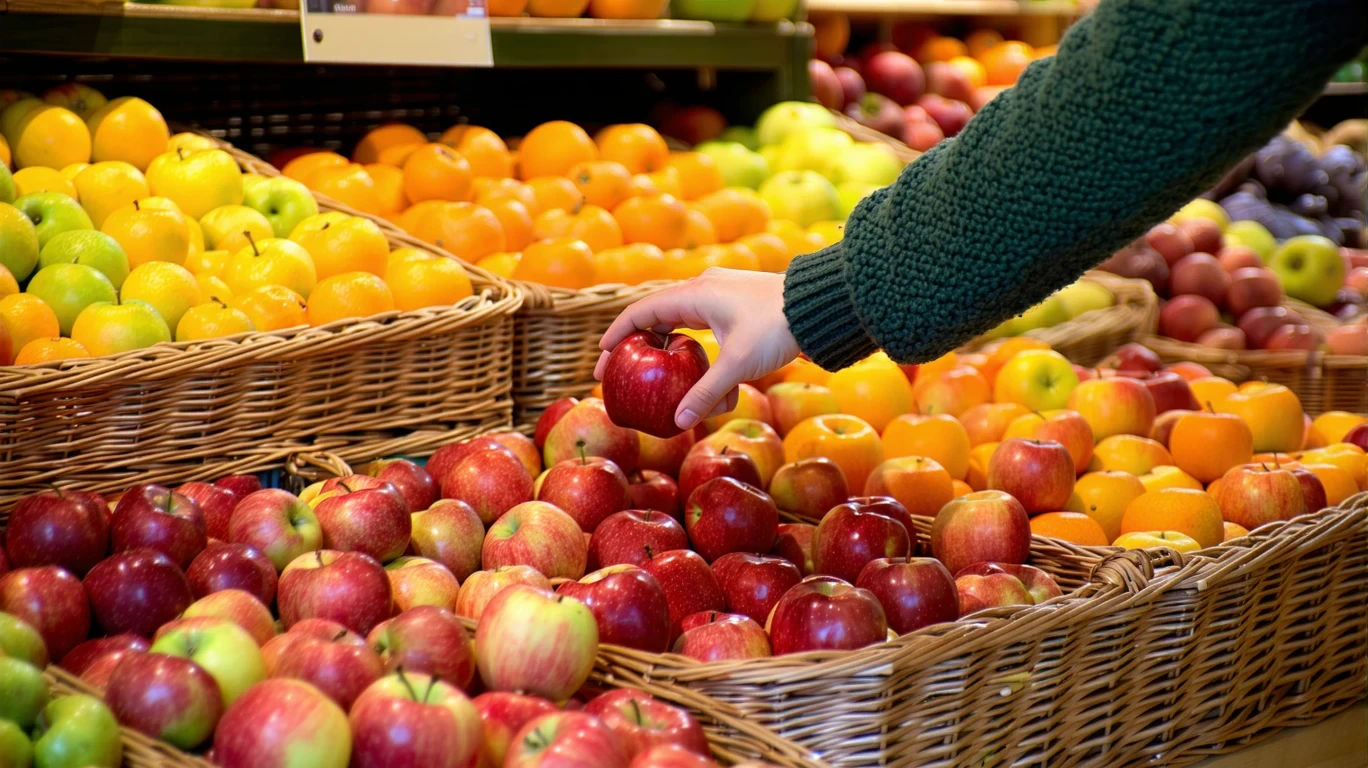
How Grocery Costs Feel in Austin
Grocery prices in Austin don’t feel extreme in either direction—they’re neither a major relief nor a constant source of sticker shock. For singles and couples without kids, weekly shopping tends to feel manageable, especially when routines are predictable and waste is low. The pressure becomes more noticeable for families with children, where volume, variety, and frequency all increase. A household of four buying fresh produce, proteins, dairy, and pantry staples multiple times a week will feel price differences more acutely than someone shopping for one or two.
What amplifies or softens that pressure is store choice. Austin’s grocery landscape includes discount chains, mid-tier supermarkets, and premium-focused retailers, and the gap between them is real. Families who default to convenience or proximity without considering tier positioning often end up spending more than they need to. On the other hand, households that treat store selection as a cost management tool—splitting trips between a discount grocer for staples and a mid-tier store for specific items—can reduce weekly spending without sacrificing quality or variety.
Income plays a quieter but persistent role. At $86,556, Austin’s median household income supports a comfortable grocery routine for smaller households, but it tightens quickly when feeding three or four people. Families at or below median income are more likely to notice when ground beef costs $6.41 per pound or when a dozen eggs runs $2.80. Those aren’t crisis-level prices, but they’re high enough to make meal planning and store strategy matter.
Grocery Price Signals (Illustrative)
These prices illustrate how staple items tend to compare locally—not a full shopping list. They’re derived estimates based on national baselines adjusted by regional price parity, and they reflect typical positioning rather than store-specific or week-specific accuracy. Use them as reference points for relative cost pressure, not as checkout predictions.
| Item | Price |
|---|---|
| Bread | $1.75/lb |
| Cheese | $4.63/lb |
| Chicken | $2.00/lb |
| Eggs | $2.80/dozen |
| Ground Beef | $6.41/lb |
| Milk | $3.92/half-gallon |
| Rice | $1.04/lb |
Ground beef and cheese sit at the higher end of the spectrum, while rice, bread, and chicken remain relatively accessible. Eggs and milk fall somewhere in between—not cheap, but not prohibitive. The pattern that emerges is one of moderate cost pressure on proteins and dairy, with pantry staples offering more flexibility. Families building meals around chicken, rice, and eggs will find more room to maneuver than those relying heavily on beef and cheese.
Store Choice & Price Sensitivity
Grocery price pressure in Austin varies significantly by store tier, and understanding that variation is one of the most effective ways households manage day-to-day costs. Discount grocers—chains focused on private-label products, limited selection, and no-frills environments—offer the lowest baseline prices. These stores work well for households buying in volume, sticking to staples, and willing to trade brand familiarity for savings. Mid-tier supermarkets provide broader selection, more recognizable brands, and better prepared food options, but at a noticeable markup over discount pricing. Premium retailers emphasize organic offerings, specialty items, and curated experiences, and their pricing reflects that positioning.
For families at or near median income, the difference between discount and mid-tier shopping can determine whether groceries feel like a fixed cost or a flexible one. A household that defaults to mid-tier convenience for every trip will spend more over the course of a month than one that uses discount stores for bulk staples and reserves mid-tier or premium stops for specific needs. That doesn’t mean premium stores are off-limits—it means they’re better used selectively, for items where quality or variety justifies the price gap.
Austin’s high grocery density—both food establishments and dedicated grocery stores exceed density thresholds across much of the city—means most households have access to multiple store tiers without long drives. That accessibility creates real optionality. Families who live in areas with walkable access to groceries, or who pass multiple stores on regular commutes, can split their shopping across tiers without adding significant time or friction. The result is a grocery landscape where cost pressure is less about scarcity and more about intentionality.
What Drives Grocery Pressure Here
Income is the most direct driver of grocery pressure in Austin. At the median household income of $86,556, a two-person household can absorb typical grocery costs without major tradeoffs. But as household size increases, that income has to stretch further. A family of four at median income will feel tighter constraints, especially if they’re also managing housing pressure or childcare costs. Grocery spending doesn’t scale linearly—adding a third or fourth person to the household increases not just volume, but also variety, waste, and the frequency of unplanned trips.
Household composition also shapes how grocery costs are experienced. Singles and couples without children tend to have more predictable routines, lower waste, and greater flexibility to cook in batches or skip trips when schedules are tight. Families with young children face the opposite dynamic: more frequent trips, more perishable items, more snacks and convenience foods, and less tolerance for running out of essentials. That creates a baseline level of grocery spending that’s harder to compress, even with careful planning.
Regional distribution patterns matter too. Austin’s mixed urban form—more vertical in some areas, with both residential and commercial land use present—means grocery access isn’t uniform across the city. Some neighborhoods have walkable access to multiple store types, while others require a car and a longer trip. Households in areas with lower grocery density or fewer discount options face higher friction costs, even if prices themselves are similar. Time, convenience, and access all feed into the lived experience of grocery costs, beyond what any single price tag reflects.
Practical Ways People Manage Grocery Costs
The most effective grocery cost management strategies in Austin focus on behavior and structure, not on chasing weekly deals or clipping coupons. Meal planning is the foundation—households that plan a week’s worth of meals before shopping reduce impulse purchases, minimize waste, and avoid the premium pricing that comes with last-minute convenience trips. Planning doesn’t have to be rigid; even a loose framework of proteins, grains, and produce for the week creates enough structure to keep spending predictable.
Store tier strategy is the second lever. Families who use discount grocers for pantry staples—rice, beans, canned goods, frozen vegetables—and reserve mid-tier or premium stores for fresh proteins, dairy, or specialty items can lower their baseline spending without sacrificing meal quality. This approach works especially well in Austin, where high grocery density means multiple store types are often accessible within a short drive or, in some neighborhoods, on foot.
Batch cooking and intentional leftovers reduce both cost and time pressure. Cooking larger portions on weekends or early in the week and repurposing them into lunches or second dinners lowers the per-meal cost and reduces the temptation to eat out when schedules get tight. Households that treat leftovers as planned meals rather than afterthoughts tend to see steadier grocery spending and less food waste.
Buying in bulk works when storage and usage align. Families with space and consistent consumption patterns can lower per-unit costs on proteins, grains, and frozen goods by buying larger quantities. But bulk buying only saves money if the food gets used—households without the space, the routine, or the volume to justify it often end up with waste that negates the savings.
Groceries vs Eating Out (Directional)
The tradeoff between cooking at home and eating out in Austin isn’t just about price—it’s about time, convenience, and how much friction a household can tolerate during busy weeks. Cooking at home consistently delivers lower per-meal costs, especially for families, but it requires planning, shopping, prep time, and cleanup. Eating out eliminates that labor, but at a significant price premium that adds up quickly when it becomes routine rather than occasional.
For singles and couples, the cost gap between cooking and dining out is noticeable but not always decisive. A household that eats out two or three times a week and cooks the rest will spend more than one that cooks six or seven nights, but the difference may feel manageable given the time savings. For families with children, the math shifts—restaurant meals for three or four people become expensive quickly, and the frequency required to replace home cooking creates budget pressure that’s hard to absorb at median income.
The real decision point isn’t whether to cook or eat out—it’s how often eating out becomes the default rather than the exception. Households that treat dining out as a planned expense, budgeted in advance and used selectively, can enjoy the convenience without destabilizing their overall food spending. Those who drift into frequent takeout or delivery because cooking feels overwhelming often find that their food costs have doubled without a clear sense of where the money went.
FAQs About Grocery Costs in Austin (2026)
Is it cheaper to shop in bulk in Austin? Bulk buying lowers per-unit costs on staples like rice, beans, frozen proteins, and canned goods, but only if you have the storage space and consumption patterns to use what you buy. Families with predictable routines benefit most; smaller households or those without pantry space may not see meaningful savings.
Which stores in Austin are best for low prices? Discount-tier grocers focused on private-label products and limited selection offer the lowest baseline prices. Mid-tier supermarkets provide broader variety and brand-name options at higher cost, while premium retailers emphasize organic and specialty items with pricing to match. Splitting trips across tiers—discount for staples, mid-tier for specific needs—gives most households the best balance of cost and flexibility.
How much more do organic items cost in Austin? Organic products typically carry a noticeable premium over conventional equivalents, with the gap widest on fresh produce, dairy, and proteins. The premium varies by store tier and item type, but households prioritizing organic should expect to allocate a larger share of their grocery budget to those purchases, especially at premium-focused retailers.
How do grocery costs for two adults in Austin tend to compare to nearby cities? Austin’s regional price parity index of 98 suggests grocery costs here track close to the national average, meaning prices are generally in line with other mid-sized Texas metros. Differences emerge more from store choice and shopping habits than from baseline price levels, so households moving from higher-cost coastal cities may find relief, while those coming from lower-cost rural areas may notice a modest increase.
How do households in Austin think about grocery spending when cooking at home? Most households treat grocery spending as a controllable cost that responds to planning, store selection, and meal structure. Families who cook at home consistently see groceries as a predictable line item that can be managed through intentional behavior, while those who mix cooking with frequent takeout or dining out often find their total food spending harder to predict and control.
How Groceries Fit Into the Cost of Living in Austin
Groceries represent a recurring, controllable cost in Austin’s overall cost structure, but they’re not the primary driver of financial pressure for most households. Housing, utilities, and transportation typically claim larger shares of monthly income, and those categories are less flexible in the short term. Groceries, by contrast, respond directly to planning, store choice, and behavior—making them one of the few cost categories where households can see immediate results from intentional changes.
That said, grocery costs don’t exist in isolation. A household stretched thin by high rent or mortgage payments will feel grocery price pressure more acutely than one with comfortable housing costs. Similarly, families managing childcare expenses or variable utility bills may find that even moderate grocery spending feels tight when combined with other fixed costs. The role of groceries in Austin’s cost of living is less about absolute price levels and more about how they interact with income, household size, and the cumulative weight of other expenses.
For a complete picture of how grocery costs fit into monthly spending—including housing, utilities, transportation, and other recurring expenses—see the full monthly budget breakdown for Austin. That article provides the context needed to understand where groceries sit relative to other cost pressures and how different household types allocate income across categories. Grocery costs are manageable in Austin when approached with structure and intentionality, but they’re only one piece of a larger financial picture that requires coordination across all major spending categories.
How this article was built: In addition to public economic data, this article incorporates location-based experiential signals derived from anonymized geographic patterns—such as access density, walkability, and land-use mix—to reflect how day-to-day living actually feels in Austin, TX.