
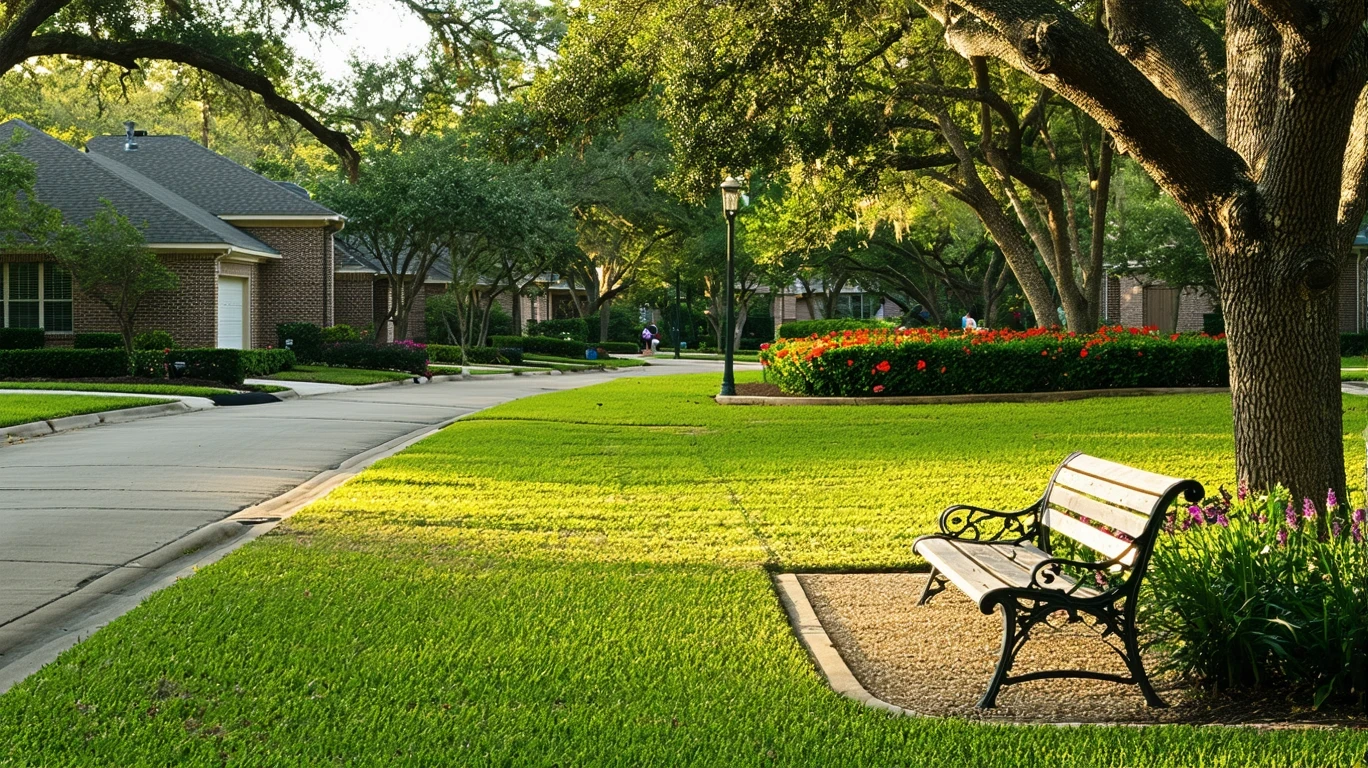
Which city gives you more for your money? For households weighing a move within the San Antonio metro in 2026, the choice between Alamo Heights and San Antonio isn’t about finding the “cheaper” option—it’s about understanding where cost pressure concentrates and which tradeoffs align with your household’s priorities. Alamo Heights, a small enclave known for its top-rated schools and low-rise residential character, sits just northeast of downtown San Antonio. San Antonio, the metro’s economic and cultural hub, offers a broader mix of neighborhoods, employment centers, and housing options. Both cities share the same regional price environment and utility infrastructure, but the way costs show up—and the households they fit—couldn’t be more different.
The decision hinges on housing entry barriers, daily logistics, and how predictable your income and expenses need to be. Alamo Heights front-loads cost into homeownership, creating a high barrier to entry but stable ongoing expenses for those who clear it. San Antonio distributes cost pressure more evenly across rent, transportation, and time, offering flexibility and lower entry thresholds at the expense of longer commutes and more logistical friction. Families prioritizing school quality and walkable residential streets may find Alamo Heights worth the premium. Renters, first-time buyers, and households building savings or navigating variable income will find San Antonio’s structure easier to manage.
This comparison explains how the same income feels different in each city, where daily routines create hidden costs, and which households are more exposed to volatility versus entry barriers. It’s not about which city costs less overall—it’s about which cost structure fits the way your household earns, spends, and plans.
Housing Costs
Housing is where the two cities diverge most sharply, and it’s the single biggest factor shaping who can afford to live where. In Alamo Heights, the median home value sits at $704,500, while San Antonio’s median home value is $198,000. That gap reflects more than price—it reflects access, housing stock, and the type of buyer each market serves. Alamo Heights is dominated by single-family homes on larger lots, with limited turnover and strong demand driven by school district boundaries. San Antonio offers a far wider range of housing types, from older bungalows and starter homes to newer suburban subdivisions and urban apartments, creating more entry points for buyers at different income levels.
For renters, the difference is less extreme but still meaningful. Median gross rent in Alamo Heights is $1,390 per month, compared to $1,189 per month in San Antonio. The rent gap is proportionally smaller than the ownership gap, but it still reflects Alamo Heights’ limited rental inventory and the premium attached to its school access and low-density character. Renters in Alamo Heights are more likely to find single-family homes or duplexes than large apartment complexes, which limits flexibility and increases competition. San Antonio’s rental market is broader and more segmented, with options ranging from budget-friendly complexes near major corridors to newer mid-rise buildings downtown and family-oriented townhomes in suburban pockets.
The housing cost structure in Alamo Heights is front-loaded: high entry barrier, stable ongoing costs, and predictable expenses once you’re in. San Antonio’s structure is more flexible: lower entry thresholds, more turnover, and greater exposure to rent increases or property tax adjustments over time depending on neighborhood and housing type. First-time buyers and households without substantial savings will find San Antonio far more accessible. High-income households prioritizing school quality, neighborhood stability, and low-rise residential character will find Alamo Heights worth the premium—if they can clear the entry hurdle.
| Housing Type | Alamo Heights | San Antonio |
|---|---|---|
| Median Home Value | $704,500 | $198,000 |
| Median Gross Rent | $1,390/month | $1,189/month |
| Typical Housing Stock | Single-family, low-rise, larger lots | Mixed: apartments, starter homes, suburban subdivisions |
Families planning to stay long-term and prioritizing school access will find Alamo Heights’ housing pressure concentrated at entry, with stability afterward. Renters, first-time buyers, and households needing flexibility or building equity over time will find San Antonio’s distributed pressure easier to navigate. The choice isn’t about which city is cheaper—it’s about whether your household can absorb a high upfront cost in exchange for predictability, or whether you need lower entry barriers and more room to adjust.
Utilities and Energy Costs
Utility costs in both cities are shaped by the same regional infrastructure and rate structure. Electricity in both Alamo Heights and San Antonio costs 16.11¢ per kWh, and natural gas runs $30.71 per MCF. Because both cities sit in the same metro and climate zone, the baseline exposure to heating and cooling is identical. What differs is how housing stock, home size, and household density translate that exposure into actual monthly volatility.
Alamo Heights’ housing stock skews toward larger single-family homes, many built decades ago with varying levels of insulation and efficiency. Larger homes mean more square footage to cool during the extended summer season, when triple-digit heat drives air conditioning usage for months. Older construction in some pockets can amplify that exposure, especially in homes that haven’t been upgraded with modern HVAC systems or weatherization. The low-rise, detached character of the city also means fewer shared walls and less passive thermal buffering, which increases both cooling and heating loads compared to attached or multi-story housing.
San Antonio’s housing mix is broader, ranging from compact apartments with shared walls and lower square footage to sprawling suburban homes similar in size to Alamo Heights properties. Renters in smaller units or newer apartment complexes will experience lower baseline utility costs due to reduced square footage and better insulation standards in recent construction. Families in older or larger single-family homes will face exposure similar to Alamo Heights, but the wider range of housing types means more households can choose a structure that limits utility volatility if that’s a priority.
Seasonality dominates utility costs in both cities. Cooling costs peak in summer and remain elevated from May through September, while heating needs are minimal and concentrated in short winter cold snaps. Households in either city should expect air conditioning to be the primary driver of utility bills, with natural gas playing a smaller role except during rare freezing events. The key difference is that Alamo Heights households are more likely to be managing larger homes with higher baseline usage, while San Antonio households have more options to reduce exposure by choosing smaller or newer housing.
Utility cost pressure in Alamo Heights is predictable but higher in magnitude for families in larger homes. San Antonio offers more flexibility to manage exposure by housing type, but households in older or larger properties face the same seasonal volatility. Renters in compact units will experience the least volatility in either city. Homeowners planning long-term stays in either location should factor in cooling-season spikes and consider efficiency upgrades—especially in older homes—as a way to reduce ongoing exposure without changing housing type.
Groceries and Daily Expenses
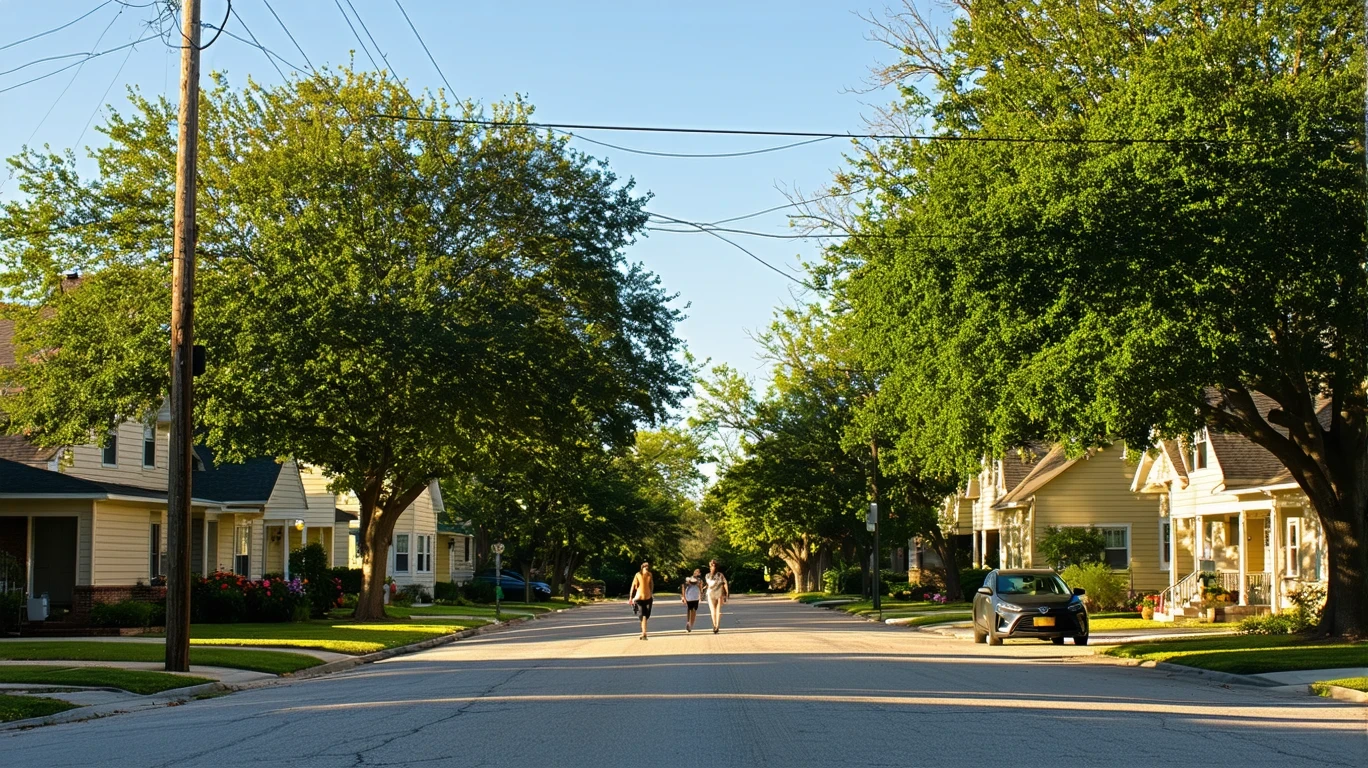
Grocery and everyday spending pressure in both cities is shaped by the same regional price environment. Both Alamo Heights and San Antonio share a regional price parity index of 94, meaning prices for staples, household goods, and dining out are slightly below the national baseline. The cost of bread, eggs, milk, and ground beef doesn’t vary meaningfully between the two cities—what differs is how access, convenience, and household routines shape spending patterns and friction costs.
Alamo Heights is characterized by sparse grocery access, with food and grocery establishment density below typical thresholds for walkable errands. That means most households rely on car trips to reach grocery stores, and the limited density of nearby options can push residents toward larger weekly shopping trips rather than frequent small runs. The city’s low-rise, residential character and mixed land use mean some commercial corridors exist, but they’re concentrated rather than evenly distributed. Families managing larger grocery volumes or households prioritizing convenience may find themselves driving farther or making more deliberate trips, which adds time cost even if prices are regionally consistent.
San Antonio’s broader commercial infrastructure offers more flexibility. Grocery options range from big-box stores and discount chains to neighborhood markets and specialty retailers, with access varying widely by neighborhood. Households near major corridors or suburban commercial hubs will find more options within a short drive, reducing the time cost of restocking and offering more price competition. Renters and smaller households benefit from the ability to shop more frequently without long drives, while families managing bulk purchases can access warehouse clubs and larger-format stores more easily.
Dining out and convenience spending follow similar patterns. Alamo Heights has restaurants and cafes, but the density is lower and options are more concentrated along specific corridors. San Antonio’s larger population and more diverse commercial base mean more variety, more price points, and more opportunities for quick meals or takeout without long drives. Households that rely on prepared foods, coffee runs, or frequent dining out will find San Antonio’s structure reduces friction and offers more flexibility to manage spending by choosing lower-cost options when needed.
Grocery cost pressure in Alamo Heights is less about price and more about access and time. Households need to plan trips more deliberately, and the sparse density means fewer opportunities to comparison-shop or make quick runs. San Antonio’s broader access reduces friction and offers more flexibility to manage spending by location and format, though households in less-dense suburban pockets may experience similar access challenges. Single adults and couples with flexible schedules will find either city manageable, but families managing larger volumes or tight schedules will feel the difference in daily logistics more acutely in Alamo Heights.
Taxes and Fees
Taxes and fees in both cities are shaped by Texas’s reliance on property taxes to fund schools and local services, with no state income tax. Both Alamo Heights and San Antonio depend heavily on property taxes, but the way those taxes interact with home values and household budgets differs significantly. Sales tax rates are set at the state and local level and don’t vary meaningfully between the two cities, so the primary difference comes from property tax exposure and the prevalence of HOA fees or special assessments.
In Alamo Heights, property taxes are applied to a median home value of $704,500, which means the annual tax obligation is substantial even at typical rates. Because Alamo Heights is a small, independent city with its own highly-rated school district, property taxes fund local schools, infrastructure, and services. Homeowners absorb that cost as part of the front-loaded expense structure: high entry, high ongoing obligation, but predictable and tied to a stable, low-turnover housing market. For long-term residents, property tax increases are typically gradual and tied to assessed value adjustments rather than volatile swings.
San Antonio’s property tax structure is similar in mechanism but applied to a much lower median home value of $198,000. That means the annual dollar amount is lower for most homeowners, even if effective rates are comparable. San Antonio’s larger size and more diverse housing stock also mean more variation in how taxes are assessed and what services they fund, depending on neighborhood and school district. Some suburban areas may have additional MUDs (Municipal Utility Districts) or special assessments that add to the tax burden, while older urban neighborhoods may have lower assessments but fewer bundled services.
HOA fees are more common in newer subdivisions and planned communities, which are more prevalent in San Antonio’s suburban growth areas than in Alamo Heights’ older, established neighborhoods. Households moving into newer San Antonio developments should expect monthly HOA fees that may bundle services like landscaping, trash, or shared amenities, adding a predictable but ongoing cost. Alamo Heights homeowners are less likely to encounter HOA fees, but they may face higher costs for private services like lawn care or home maintenance due to larger lot sizes and older housing stock.
Renters in both cities are insulated from direct property tax exposure, but those costs are typically embedded in rent. In Alamo Heights, the higher property tax base on expensive homes may contribute to upward pressure on rents, though the limited rental inventory makes it hard to isolate that effect. San Antonio renters benefit from lower baseline property taxes and more competition, which can keep rent increases more moderate over time, though that varies widely by neighborhood and housing type.
Tax and fee pressure in Alamo Heights is front-loaded and ongoing, tied to high home values and stable long-term ownership. San Antonio offers lower baseline property tax obligations for most homeowners, but households in newer subdivisions may face additional HOA or MUD fees that add predictability at the cost of flexibility. Renters in either city face indirect exposure, but San Antonio’s broader market and lower baseline costs offer more room to adjust. Homeowners planning to stay long-term should factor in property taxes as a significant, recurring cost in both cities, with Alamo Heights requiring a higher income threshold to manage comfortably.
Transportation and Commute Reality
Transportation costs in both cities are shaped by car dependence, regional commute patterns, and limited transit infrastructure. Gas prices are identical—$2.40 per gallon—and both cities sit within the same metro, so fuel costs don’t vary. What differs is how commute distance, traffic patterns, and daily logistics translate into time cost and vehicle wear, and how much flexibility households have to reduce car dependence.
Alamo Heights is a small, low-density city with walkable pockets and a pedestrian-to-road ratio that exceeds typical thresholds, meaning some residential streets support walking for short trips. However, grocery access is sparse and commercial services are concentrated along specific corridors, so most households still rely on cars for errands, school drop-offs, and commuting to jobs outside the city. The city’s compact size means internal trips are short, but anyone commuting to employment centers in downtown San Antonio, the Medical Center, or suburban office parks will face drive times that vary depending on route and time of day. Commute data for Alamo Heights residents isn’t available, but the city’s location just northeast of downtown suggests many households are commuting into San Antonio proper or other parts of the metro.
San Antonio’s commute patterns are better documented: the average commute is 24 minutes, with 33.3% of workers facing long commutes and only 5.4% working from home. Those numbers reflect a large, sprawling metro where employment centers are distributed and many households live far from their workplaces. Traffic congestion on major corridors during peak hours adds time cost, and the city’s size means even short errands can require 15–20 minute drives depending on neighborhood. Public transit exists—bus service is present—but coverage and frequency are limited, and most households treat cars as non-negotiable for daily life.
Alamo Heights offers some walkability within residential pockets, and its compact size means shorter internal trips. However, the sparse grocery access and concentration of services mean households still depend on cars for most errands. Families with school-age children may benefit from shorter school commutes if they live within the district, but working adults commuting to jobs elsewhere in the metro will face similar drive times and traffic exposure as San Antonio residents. The city’s low-rise, residential character and limited commercial density mean fewer opportunities to consolidate trips or walk to daily destinations.
San Antonio’s transportation pressure is distributed across longer commutes, more frequent trips, and greater exposure to traffic variability. Households near major employment centers or commercial corridors can reduce drive times, but many residents face 30–45 minute commutes each way, especially those in suburban neighborhoods. The city’s size and sprawl mean errands often require separate trips, and the limited transit infrastructure offers little relief for households trying to reduce car dependence. Families managing multiple daily trips—school, work, groceries, activities—will feel the time cost more acutely than in a smaller, more compact city.
Transportation cost pressure in Alamo Heights is lower in time and distance for internal trips, but households commuting to jobs elsewhere in the metro face similar exposure to San Antonio residents. San Antonio’s documented long-commute percentage and low work-from-home rate reflect a metro where car dependence is high and time cost is significant. Households prioritizing shorter commutes or walkable residential streets may find Alamo Heights’ compact structure appealing, but those needing access to diverse employment centers or flexible job options will find San Antonio’s size offers more opportunities, even if it comes with longer drives.
How Place Structure Shapes Daily Life
The way Alamo Heights is built—its low-rise residential character, sparse grocery access, and walkable pockets concentrated in specific areas—creates a distinct pattern of daily logistics that differs from San Antonio’s broader, more sprawling structure. In Alamo Heights, households manage errands and routines within a compact, low-density environment where pedestrian infrastructure exists but commercial services are concentrated along corridors rather than evenly distributed. That means families can walk short distances within neighborhoods, but most trips to grocery stores, medical appointments, or dining options still require a car. The city’s mixed land use and high school density support family life, but the limited park access and sparse grocery infrastructure mean households need to plan trips more deliberately rather than making quick, spontaneous runs.
San Antonio’s larger size and more varied urban form offer more flexibility in how households structure their routines, but the tradeoff is longer distances and more time spent managing logistics. The city’s sprawl and distributed employment centers mean most residents depend on cars for nearly all trips, and the low work-from-home rate reflects a metro where commuting is a daily reality for the vast majority of workers. Households managing multiple daily trips—work, school, errands, activities—face more cumulative time cost in San Antonio due to distance and traffic, even if individual neighborhoods offer walkable pockets or nearby commercial access.
These structural differences don’t just affect transportation costs—they shape how much time households spend on logistics, how much flexibility they have to adjust routines, and how much planning is required to manage daily life efficiently. In Alamo Heights, the compact size reduces drive times for internal trips, but the sparse grocery access and concentrated services mean households can’t easily walk to daily destinations or consolidate errands. In San Antonio, the broader commercial infrastructure offers more options and price competition, but the distances involved mean more time in the car and more exposure to traffic variability. Families prioritizing walkable residential streets and shorter internal trips may find Alamo Heights’ structure appealing, while households needing access to diverse services, flexible job options, or frequent errands may find San Antonio’s size offers more practical flexibility despite the longer drives.
Cost Structure Comparison
The cost structures of Alamo Heights and San Antonio differ not in total magnitude but in where pressure concentrates and which households feel it most acutely. Alamo Heights front-loads cost into housing, creating a high barrier to entry that dominates the financial experience for anyone trying to buy. Once that hurdle is cleared, ongoing costs are predictable and stable, with utilities tied to larger homes and property taxes tied to high assessed values. San Antonio distributes pressure more evenly across housing, transportation, and time, offering lower entry thresholds but exposing households to longer commutes, more logistical friction, and greater variability in rent or property tax adjustments depending on neighborhood.
Housing pressure in Alamo Heights is concentrated at entry. The median home value of $704,500 requires substantial savings, strong credit, and high income to qualify for financing. Renters face less extreme pressure, but the limited inventory and premium attached to school access mean fewer options and less flexibility. San Antonio’s median home value of $198,000 opens the door to a much broader range of buyers, and the rental market’s diversity offers more room to adjust by budget, location, or housing type. Families prioritizing homeownership and long-term stability will find Alamo Heights’ structure appealing if they can clear the entry barrier. First-time buyers, renters, and households building savings will find San Antonio far more accessible.
Utilities and energy costs are shaped by the same regional rates, but housing stock differences create exposure gaps. Alamo Heights households in larger, older single-family homes face higher baseline cooling costs during the extended summer season, with less ability to reduce exposure without changing housing type. San Antonio’s broader mix of apartments, townhomes, and single-family homes gives households more flexibility to manage utility volatility by choosing smaller or newer construction. Families in large homes in either city will face similar seasonal spikes, but San Antonio offers more options to avoid that exposure upfront.
Grocery and daily expense pressure is less about price—both cities share the same regional price environment—and more about access and friction. Alamo Heights’ sparse grocery density means households need to plan trips more deliberately and drive farther for restocking, adding time cost even if prices are consistent. San Antonio’s broader commercial infrastructure reduces friction and offers more flexibility to comparison-shop or make quick runs, though suburban pockets may face similar access challenges. Households managing tight schedules or frequent errands will feel the difference in daily logistics more acutely in Alamo Heights.
Transportation pressure in both cities is tied to car dependence, but the patterns differ. Alamo Heights’ compact size reduces internal drive times, but most households still commute to jobs elsewhere in the metro, facing similar traffic and distance exposure as San Antonio residents. San Antonio’s documented long-commute percentage and sprawling structure mean more time in the car and more cumulative trips, especially for families managing multiple daily destinations. Households prioritizing shorter internal trips and walkable residential streets may find Alamo Heights appealing, but those needing access to diverse employment centers or flexible job options will find San Antonio’s size offers more practical opportunities.
The better choice depends on which costs dominate your household’s budget and priorities. Households with high, stable income and minimal sensitivity to entry barriers will find Alamo Heights’ front-loaded structure manageable and its ongoing predictability appealing. Households prioritizing flexibility, lower entry thresholds, or building equity over time will find San Antonio’s distributed pressure easier to navigate, even if it comes with longer commutes and more logistical friction. The decision isn’t about which city costs less—it’s about which cost structure aligns with how your household earns, spends, and plans.
How the Same Income Feels in Alamo Heights vs San Antonio
The same gross monthly income can feel stable and manageable in one city and tight or inflexible in the other, not because of total cost differences but because of where pressure concentrates and what expenses become non-negotiable first. Housing, transportation, and daily logistics interact differently in Alamo Heights and San Antonio, shaping how much flexibility households have to adjust spending, absorb unexpected costs, or build savings over time.
Single Adult
For a single adult, housing becomes the first non-negotiable cost, and the entry barrier in Alamo Heights makes homeownership difficult without substantial savings or high income. Renting offers more flexibility, but the limited inventory and premium attached to the city’s character mean fewer options and less room to adjust by budget. In San Antonio, the broader rental market and lower baseline costs offer more flexibility to choose housing by location, size, or amenities, leaving more income available for transportation, discretionary spending, or savings. A single adult in Alamo Heights may feel more constrained by housing costs upfront, while a single adult in San Antonio has more room to adjust but faces longer commutes and more time cost managing errands across a sprawling metro.
Dual-Income Couple
For a dual-income couple, the decision hinges on whether both partners can absorb commute time and whether housing equity is a near-term priority. In Alamo Heights, the high entry barrier to homeownership requires both incomes to qualify for financing, but once that hurdle is cleared, ongoing costs are predictable and the compact residential structure reduces internal drive times. In San Antonio, the lower entry threshold makes homeownership more accessible earlier, but the sprawling structure and documented long-commute percentage mean both partners may face significant time cost getting to work, especially if jobs are in different parts of the metro. Couples prioritizing walkable residential neighborhoods and stable, long-term housing will find Alamo Heights appealing if they can clear the entry barrier. Couples needing flexibility, diverse job access, or lower upfront costs will find San Antonio easier to navigate despite the longer drives.
Family with Kids
For families with kids, the non-negotiable costs expand to include school access, housing size, and daily logistics—school drop-offs, groceries, activities, medical appointments. In Alamo Heights, the high school density and compact residential structure reduce some logistical friction, and the city’s reputation for strong schools makes it a priority for families willing to absorb the high housing entry cost. However, the sparse grocery access and limited park density mean families still depend on cars for most errands, and the larger homes typical of the city increase utility exposure during cooling season. In San Antonio, the lower housing entry threshold and broader commercial infrastructure offer more flexibility to manage costs and access, but the sprawling structure and longer commutes mean more cumulative time in the car and more complexity managing multiple daily trips. Families prioritizing school quality and residential stability will find Alamo Heights worth the premium if income supports it. Families needing lower entry costs, diverse housing options, or access to varied employment centers will find San Antonio’s structure more practical, even if it requires more time managing logistics.
Decision Matrix: Which City Fits Which Household?
| Decision Factor | If You’re Sensitive to This… | Alamo Heights Tends to Fit When… | San Antonio Tends to Fit When… |
|---|---|---|---|
| Housing entry + space needs | Down payment size, qualification thresholds, long-term equity building | You have substantial savings, high stable income, and prioritize low-density residential character with strong school access | You need lower entry barriers, more housing type flexibility, or are building savings while renting or buying a starter home |
| Transportation dependence + commute friction | Daily drive time, traffic exposure, cumulative trips for errands and activities | You work locally or remotely and prioritize shorter internal trips within a compact residential area | You need access to diverse employment centers across the metro and can absorb longer commutes in exchange for job flexibility |
| Utility variability + home size exposure | Seasonal cooling spikes, baseline usage tied to square footage, older vs newer construction | You can absorb higher baseline utility costs tied to larger single-family homes and prioritize residential space over efficiency | You want flexibility to choose smaller or newer housing to reduce utility exposure and manage seasonal volatility |
| Grocery strategy + convenience spending creep | Access density, trip planning burden, ability to comparison-shop or make quick runs | You can plan larger weekly shopping trips and don’t mind driving to consolidated commercial corridors | You prioritize frequent, flexible access to diverse grocery and dining options with less trip planning required |
| Fees + friction costs (HOA, services, upkeep) | Predictable monthly obligations, property tax exposure, private service costs for larger lots | You can absorb high property taxes on expensive homes and manage private services without HOA bundling | You prefer lower baseline property taxes and are comfortable with HOA fees in newer subdivisions that bundle services |
| Time budget (schedule flexibility, errands, logistics) | Cumulative daily time cost, ability to consolidate trips, walkability for short errands | You value walkable residential pockets and shorter internal trips, even if commercial access requires deliberate planning | You need access to diverse services and job centers and can absorb longer drives and more complex logistics |
Lifestyle Fit
Lifestyle differences between Alamo Heights and San Antonio extend beyon