

Imagine you’re comparing two apartments: one in Cibolo at $1,872 a month, the other in San Antonio at $1,189. You add groceries—chicken at $1.90 per pound in Cibolo, $1.92 in San Antonio; eggs at $2.55 per dozen in Cibolo, $2.69 in San Antonio. The line items look similar, but the total monthly obligation diverges sharply. That’s the texture of comparing Cibolo and San Antonio in 2026: not a battle of price tags, but a question of where cost pressure concentrates and which households feel it most.
Both cities sit in the San Antonio metro, share the same regional price environment, and experience nearly identical utility rates. Yet their housing markets, commute patterns, and day-to-day logistics create fundamentally different cost experiences. Cibolo offers newer suburban infrastructure, strong park access, and a median household income of $116,510 per year. San Antonio provides lower housing entry costs, more urban density, and a median household income of $59,593 per year. The decision isn’t about which city is cheaper—it’s about which cost structure aligns with your household’s income, priorities, and tolerance for tradeoffs.
This article breaks down how housing, utilities, groceries, transportation, and taxes behave differently in each city, then explains which households are more exposed to which pressures. By the end, you’ll understand not just what costs more, but why it matters for your specific situation in 2026.
Housing Costs
Housing is where Cibolo and San Antonio diverge most sharply. Cibolo’s median home value sits at $291,500, while San Antonio’s is $198,000. For renters, Cibolo’s median gross rent is $1,872 per month compared to San Antonio’s $1,189 per month. These aren’t small differences—they represent fundamentally different entry barriers and ongoing obligations that shape who can afford to live where.
In Cibolo, the housing stock skews newer and more suburban, with low-rise single-family homes dominating the landscape. The higher price point reflects not just square footage but also the cost of accessing a community with integrated park space and a mixed land-use structure that includes both residential and commercial zones. However, Cibolo’s experiential signals reveal sparse food and grocery density, meaning households trade housing quality for reduced walkable access to daily errands. San Antonio, by contrast, offers a broader range of housing types—older apartments, duplexes, and single-family homes across varied neighborhoods—which creates more flexibility for households prioritizing lower monthly obligations over newer construction.
For first-time buyers, the gap matters immediately. A household aiming for Cibolo faces a higher down payment requirement and larger monthly mortgage obligation, even before property taxes and insurance. Renters experience similar pressure: Cibolo’s $1,872 median rent demands higher gross monthly income to meet standard affordability guidelines, while San Antonio’s $1,189 rent opens access to households earning less. Families seeking space and newer homes may find Cibolo’s housing stock appealing, but they absorb higher fixed costs in exchange. Single adults or couples prioritizing flexibility and lower baseline expenses often find San Antonio’s housing market more forgiving.
Housing takeaway: Cibolo’s housing costs create a higher entry barrier and larger ongoing obligation, making it more suitable for households with stable, higher incomes who prioritize newer construction and suburban infrastructure. San Antonio’s lower housing costs reduce entry friction and monthly pressure, fitting households prioritizing affordability, flexibility, or proximity to urban amenities. The difference isn’t just price—it’s whether your household can absorb front-loaded costs or needs to preserve cash flow for other obligations.
Utilities and Energy Costs
Utility costs in Cibolo and San Antonio behave almost identically on paper. Cibolo’s electricity rate is 16.04¢/kWh, while San Antonio’s is 16.11¢/kWh—a negligible difference. Both cities share the same natural gas price at $30.71/MCF. Yet the way households experience utility costs differs significantly due to housing stock, home size, and seasonal exposure.
Cibolo’s newer, low-rise single-family homes often feature larger square footage and modern construction, which can mean better insulation but also more space to heat and cool. In South Texas, where triple-digit summer heat dominates the cost calendar, air conditioning drives the bulk of annual utility spending. A larger home in Cibolo with high ceilings and open floor plans may run cooling systems longer and harder than a smaller apartment in San Antonio, even at the same per-kilowatt-hour rate. Conversely, San Antonio’s older housing stock—particularly apartments and smaller single-family homes—may offer lower baseline usage simply due to reduced square footage, though older construction can introduce inefficiency that offsets the size advantage.
Household size and housing type create the real differentiation. A family in a 2,500-square-foot Cibolo home will experience higher absolute utility bills than a single adult in a 900-square-foot San Antonio apartment, not because rates differ but because exposure scales with space. Renters in both cities may find utilities billed separately, meaning the rate matters less than the home’s efficiency and size. Homeowners face the same rates but absorb all seasonal volatility directly—no landlord buffer, no shared costs.
Utility takeaway: Utility rates are nearly identical, so cost differences stem from housing size, age, and household behavior. Cibolo’s newer, larger homes introduce higher baseline usage, making utilities more predictable but larger in absolute terms. San Antonio’s mix of older, smaller housing stock can reduce usage but may introduce inefficiency. Families in larger homes feel utility costs more acutely in both cities, while single adults or couples in smaller spaces experience lower exposure regardless of location.
Groceries and Daily Expenses
Grocery costs in Cibolo and San Antonio reflect the same regional price environment, with nearly identical staple prices. Bread runs $1.72 per pound in Cibolo and $1.68 per pound in San Antonio. Chicken costs $1.90 per pound in Cibolo versus $1.92 in San Antonio. Eggs are $2.55 per dozen in Cibolo, $2.69 in San Antonio. The line-item differences are minimal, but the way households experience grocery spending diverges due to access, store density, and convenience friction.
Cibolo’s experiential signals reveal sparse food and grocery density, meaning fewer establishments per square mile and less walkable access to daily shopping. Households in Cibolo typically rely on larger, less frequent grocery trips to big-box stores or regional chains, which can reduce per-item costs through bulk purchasing but increases car dependence and time investment. San Antonio, with its more established urban infrastructure, offers broader access to neighborhood grocery stores, discount chains, and specialty markets, creating more flexibility for households to shop incrementally or compare prices across nearby options.
The difference matters most for households sensitive to convenience spending. In Cibolo, sparse grocery density means fewer opportunities for quick top-up trips, which can reduce impulse purchases but also increases the friction of running out of staples mid-week. In San Antonio, higher store density and corridor-clustered food access make it easier to grab missing ingredients or stop for prepared meals, which can introduce convenience spending creep—frequent small purchases that add up over time. Families managing larger grocery volumes may prefer Cibolo’s bulk-shopping model, while single adults or couples who value flexibility and spontaneity may find San Antonio’s denser access more practical.
Grocery takeaway: Staple prices are nearly identical, so grocery cost pressure stems from access structure and household habits. Cibolo’s sparse grocery density favors bulk shopping and reduces convenience spending but increases car dependence and planning burden. San Antonio’s broader access supports incremental shopping and price comparison but can introduce convenience spending creep. Families benefit from Cibolo’s bulk model; singles and couples may prefer San Antonio’s flexibility.
Taxes and Fees
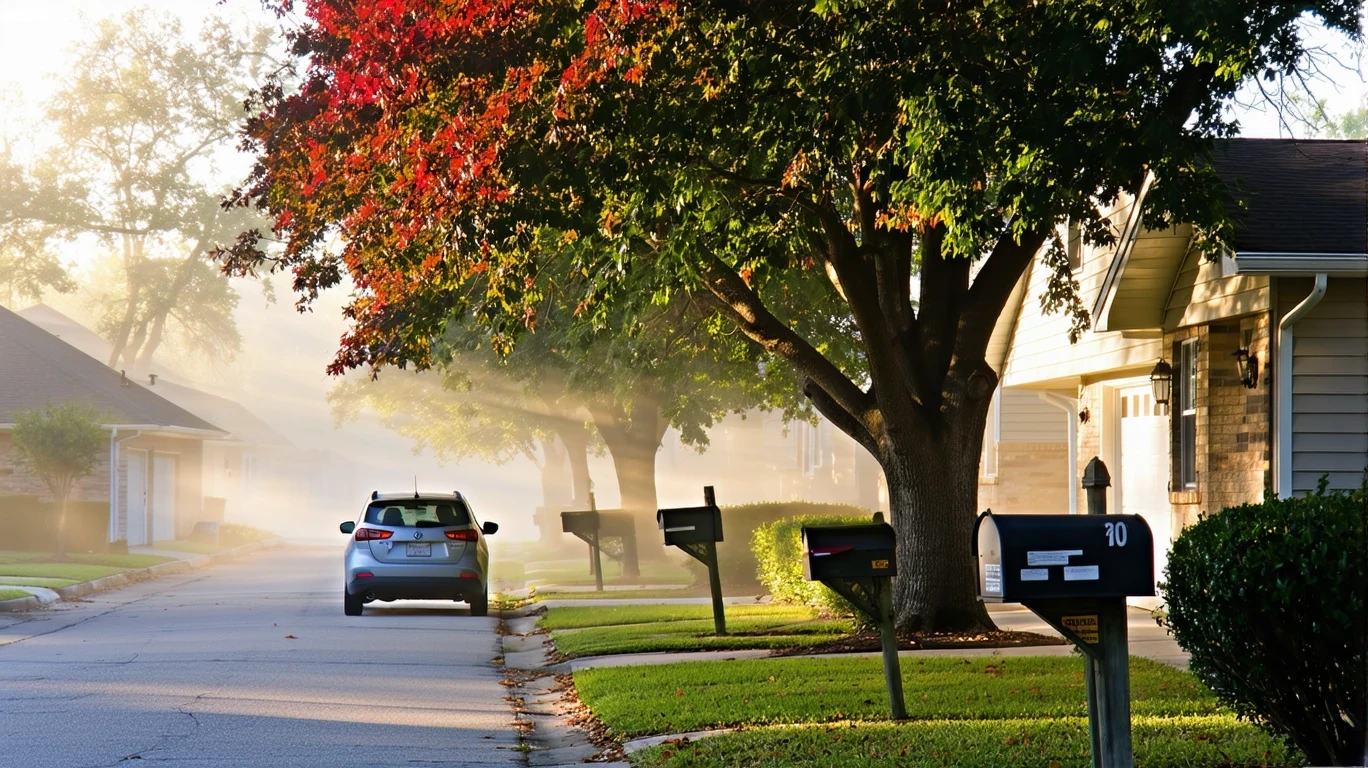
Texas relies heavily on property taxes to fund local services, and both Cibolo and San Antonio operate within this framework. While specific property tax rates aren’t provided in the data, the structural difference lies in how housing values translate into tax obligations. Cibolo’s median home value of $291,500 means homeowners face higher absolute property tax bills than San Antonio homeowners with a median home value of $198,000, even if the effective tax rate is similar. This creates a larger ongoing obligation for Cibolo homeowners, compounding the higher entry barrier already established by purchase price.
Renters in both cities don’t pay property taxes directly, but landlords pass those costs through in rent. Cibolo’s higher rent—$1,872 per month versus San Antonio’s $1,189—reflects not just market demand but also the landlord’s need to cover higher property tax obligations on more expensive properties. For renters, this means the tax burden is embedded in monthly rent, making it less visible but no less real. Homeowners, by contrast, see property taxes as a separate line item, creating more transparency but also more volatility if tax rates or assessments change.
Beyond property taxes, both cities may impose fees for trash collection, water, and other municipal services. Cibolo’s newer suburban infrastructure may include HOA fees that bundle landscaping, shared amenities, or neighborhood services, adding another layer of predictable but non-negotiable costs. San Antonio’s older, more varied housing stock may feature fewer HOA obligations but more variability in how utilities and services are billed. Households planning to stay long-term in Cibolo should account for both higher property taxes and potential HOA fees as fixed costs that don’t shrink over time. San Antonio homeowners face lower absolute tax obligations but may encounter more variability in fee structures depending on neighborhood and housing type.
Tax and fee takeaway: Cibolo’s higher home values translate into higher absolute property tax obligations, compounding the housing cost burden for homeowners. Renters absorb this indirectly through higher rent. San Antonio’s lower home values reduce property tax exposure, making homeownership more accessible for households sensitive to ongoing obligations. HOA fees in Cibolo add predictability but reduce flexibility; San Antonio’s fee structures vary more by neighborhood.
Transportation & Commute Reality
Transportation costs in Cibolo and San Antonio stem less from gas prices—which sit at $2.45 per gallon in Cibolo and $2.40 per gallon in San Antonio—and more from how far households drive, how often, and whether alternatives exist. Cibolo’s experiential signals reveal mixed mobility texture with a pedestrian-to-road ratio in the medium band, but sparse errands accessibility and no detected transit infrastructure. This means most daily trips require a car, and households face limited flexibility to reduce driving through walking, biking, or public transit.
San Antonio offers more transportation diversity. The city’s average commute time is 24 minutes, with 33.3% of workers experiencing long commutes and only 5.4% working from home. While these figures suggest car dependence remains high, San Antonio’s more established urban form and denser commercial corridors create pockets where households can reduce car trips for errands, dining, or local services. Cibolo, by contrast, lacks this density—its sparse food and grocery accessibility means even routine errands typically require driving, adding mileage and time beyond the commute itself.
For households commuting into San Antonio for work, living in Cibolo introduces additional distance and time, though specific commute data for Cibolo isn’t available. The tradeoff becomes whether the housing and lifestyle benefits of Cibolo justify the added transportation burden—not just in gas costs, but in time spent behind the wheel and reduced flexibility to walk or bike for daily needs. Families with multiple drivers may find Cibolo’s car-dependent structure manageable, especially if both adults commute in the same direction. Single adults or couples prioritizing walkability, shorter commutes, or the option to occasionally leave the car at home may find San Antonio’s denser infrastructure more practical.
Transportation takeaway: Gas prices are nearly identical, so transportation pressure stems from driving frequency and access to alternatives. Cibolo’s sparse errands accessibility and lack of transit make car ownership non-negotiable and increase daily mileage. San Antonio’s denser corridors and longer but more varied commute patterns offer more flexibility to reduce car dependence in some neighborhoods. Households prioritizing walkability or transit access will feel less friction in San Antonio; those comfortable with car-dependent logistics may find Cibolo’s structure acceptable.
Cost Structure Comparison
Housing dominates the cost experience in Cibolo. The higher median home value and rent create a larger baseline obligation that shapes every other decision. Households choosing Cibolo absorb this pressure in exchange for newer construction, integrated park access, and a suburban form that prioritizes space over density. San Antonio’s lower housing costs reduce entry friction and monthly obligations, creating more room in the budget for other expenses or savings. For renters, the $683 monthly rent difference between the two cities represents the single largest structural cost gap—more than utilities, groceries, or transportation combined.
Utilities introduce similar exposure in both cities due to nearly identical rates, but the difference lies in housing size and efficiency. Cibolo’s larger, newer homes increase baseline usage, making utility bills more predictable but higher in absolute terms. San Antonio’s mix of older, smaller housing stock can reduce usage but may introduce inefficiency. Families in larger homes feel utility costs more acutely in both cities, while single adults or couples in smaller spaces experience lower exposure regardless of location.
Daily living costs—groceries, dining, and convenience spending—behave similarly on a per-item basis, but access structure creates different friction points. Cibolo’s sparse grocery density favors bulk shopping and reduces convenience spending but increases car dependence and planning burden. San Antonio’s broader access supports incremental shopping and price comparison but can introduce convenience spending creep. Households sensitive to time and logistics may prefer San Antonio’s flexibility; those comfortable with less frequent, larger shopping trips may find Cibolo’s structure manageable.
Transportation patterns matter more in Cibolo due to sparse errands accessibility and lack of transit options. Every trip requires a car, and households face limited flexibility to reduce driving. San Antonio’s denser corridors and longer but more varied commute patterns offer more opportunities to walk, bike, or consolidate trips. For households prioritizing walkability or the option to occasionally leave the car at home, San Antonio reduces transportation friction. For those comfortable with car-dependent logistics, Cibolo’s structure is acceptable but not flexible.
The better choice depends on which costs dominate your household. Households sensitive to housing entry barriers and ongoing rent or mortgage obligations may prefer San Antonio’s lower baseline costs. Households prioritizing newer construction, suburban space, and strong park access may find Cibolo’s higher housing costs justified. For families with stable, higher incomes, Cibolo’s cost structure is manageable; for single adults or couples prioritizing flexibility and lower fixed costs, San Antonio offers more breathing room. The difference is less about total price and more about where pressure concentrates and how much flexibility your household needs to absorb it.
How the Same Income Feels in Cibolo vs San Antonio
Single Adult
For a single adult, housing becomes the first non-negotiable cost, and the difference between Cibolo’s higher rent and San Antonio’s lower baseline creates immediate budget divergence. In Cibolo, sparse grocery and errands accessibility means every trip requires a car, reducing flexibility to cut transportation costs. San Antonio’s denser corridors and lower rent leave more room for discretionary spending or savings. Flexibility exists in San Antonio through walkable access to some errands and the option to choose smaller, older housing; in Cibolo, the cost structure is more rigid, with higher fixed obligations and fewer opportunities to reduce car dependence.
Dual-Income Couple
A dual-income couple faces housing pressure in both cities, but the magnitude differs. In Cibolo, higher rent or mortgage obligations absorb a larger share of combined income, leaving less flexibility for dining out, travel, or savings. San Antonio’s lower housing costs create more breathing room, though longer commutes for one or both partners may introduce time costs that offset cash savings. The role of commute friction becomes more pronounced in Cibolo if both partners work in San Antonio, as the added distance compounds transportation time and reduces schedule flexibility. In San Antonio, denser housing options and shorter potential commutes within the city reduce time costs, even if absolute transportation spending remains similar.
Family with Kids
For families, housing form and size become non-negotiable, and Cibolo’s newer, larger homes offer more space at the cost of higher baseline obligations. Utilities scale with home size, making energy costs more predictable but larger in absolute terms. Cibolo’s integrated park access and low-rise suburban form appeal to families prioritizing outdoor space, but limited school density and sparse errands accessibility increase logistics friction—more driving, more planning, less flexibility. San Antonio’s lower housing costs and broader infrastructure reduce entry barriers and monthly obligations, but families may trade newer construction for older housing stock. Where flexibility disappears in Cibolo is logistics: every errand, every school drop-off, every grocery trip requires a car and planning. In San Antonio, denser corridors and more established infrastructure reduce friction, even if the housing stock is older.
Decision Matrix: Which City Fits Which Household?
| Decision factor | If you’re sensitive to this… | Cibolo tends to fit when… | San Antonio tends to fit when… |
|---|---|---|---|
| Housing entry + space needs | You need lower upfront costs or smaller monthly obligations | You prioritize newer construction and suburban space over lower baseline costs | You prioritize lower entry barriers and monthly flexibility over newer housing stock |
| Transportation dependence + commute friction | You want walkable errands or the option to reduce car trips | You’re comfortable with car-dependent logistics and longer driving distances for daily needs | You value denser corridors and the flexibility to walk or consolidate trips occasionally |
| Utility variability + home size exposure | You want predictable utility costs or smaller baseline usage | You accept higher baseline usage in exchange for newer, larger homes with better insulation | You prefer smaller housing stock that reduces absolute usage even if efficiency varies |
| Grocery strategy + convenience spending creep | You want flexible, incremental shopping or nearby price comparison | You’re comfortable with bulk shopping and less frequent trips to reduce convenience spending | You value denser grocery access and the flexibility to shop incrementally or compare prices |
| Fees + friction costs (HOA, services, upkeep) | You want to minimize ongoing fees or avoid bundled service obligations | You accept higher property taxes and potential HOA fees for newer infrastructure and amenities | You prefer lower absolute property taxes and more variability in fee structures by neighborhood |
| Time budget (schedule flexibility, errands, logistics) | You need to consolidate trips or reduce time spent on household logistics | You have schedule flexibility and can absorb longer driving times for errands and commutes | You prioritize shorter potential commutes and denser access to reduce logistics friction |
Lifestyle Fit
Lifestyle differences between Cibolo and San Antonio extend beyond cost structure into how daily life feels. Cibolo’s experiential signals reveal integrated park access with high park density and water features present, making outdoor recreation a defining feature of the community. Families with kids or adults prioritizing green space will find Cibolo’s suburban form appealing, with ample opportunities for walking, biking, or playing in well-maintained parks. However, Cibolo’s limited family infrastructure—school density below thresholds—and sparse errands accessibility mean households trade outdoor access for increased logistics friction. Every errand, every grocery trip, every school drop-off requires a car, and the lack of walkable commercial density reduces spontaneity.
San Antonio offers more urban texture and established infrastructure. While specific experiential signals aren’t available for San Antonio, the city’s longer average commute time of 24 minutes and higher percentage of long commutes (33.3%) suggest more sprawl and variability in neighborhood character. Some areas offer walkable access to dining, shopping, and services; others remain car-dependent. San Antonio’s status as both a college city and retirement city creates diverse neighborhood options, from student-oriented areas near universities to quieter, established neighborhoods appealing to retirees. This diversity means households can choose neighborhoods that align with their priorities, whether that’s walkability, affordability, or proximity to specific amenities.
Commute patterns also shape lifestyle fit. San Antonio’s 24-minute average commute is manageable, but the 33.3% long-commute percentage suggests some workers face significantly longer drives. Cibolo lacks specific commute data, but its position as a suburban community within the San Antonio metro implies that many residents commute into San Antonio for work, adding distance and time to the daily routine. For households prioritizing shorter commutes or the flexibility to work from home occasionally, San Antonio’s more central location and established infrastructure may reduce friction. For those comfortable with longer drives in exchange for suburban space and newer housing, Cibolo’s tradeoff is acceptable.
Quick fact: Cibolo’s park density exceeds high thresholds, with water features present, making outdoor recreation a core lifestyle feature.
Quick fact: San Antonio’s 5.4% work-from-home percentage is lower than many metro areas, suggesting most workers still commute regularly.
Frequently Asked Questions
Is Cibolo or San Antonio more affordable for renters in 2026?
San Antonio offers lower rent, with a median gross rent of $1,189 per month compared to Cibolo’s $1,872 per month. This difference reduces entry barriers and monthly obligations, making San Antonio more accessible for renters prioritizing lower fixed costs. However, Cibolo’s higher rent reflects newer construction and suburban infrastructure, which may appeal to renters seeking modern amenities and integrated park access. The better choice depends on whether your household prioritizes lower baseline costs or newer housing stock.
How do grocery costs compare between Cibolo and San Antonio in 2026?
Staple prices are nearly identical—chicken costs $1.90 per pound in Cibolo versus $1.92 in San Antonio, and eggs are $2.55 per dozen in Cibolo versus $2.69 in San Antonio. The difference lies in access structure: Cibolo’s sparse grocery density favors bulk shopping and reduces convenience spending but increases car dependence, while San Antonio’s broader access supports incremental shopping and price comparison but can introduce convenience spending creep. Households managing larger grocery volumes may prefer Cibolo’s bulk model; singles and couples may prefer San Antonio’s flexibility.
Which city has lower transportation costs, Cibolo or San Antonio, in 2026?
Gas prices are nearly identical—$2.45 per gallon in Cibolo and $2.40 per gallon in San Antonio—so transportation pressure stems from driving frequency and access to alternatives. Cibolo’s sparse errands accessibility and lack of transit make car ownership non-negotiable and increase daily mileage. San Antonio’s denser corridors and longer but more varied commute patterns offer more flexibility to reduce car dependence in some neighborhoods. Households prioritizing walkability or transit access will feel less friction in San Antonio; those comfortable with car-dependent logistics may find Cibolo’s structure acceptable.
Do utilities cost more in Cibolo or San Antonio in 2026?
Utility rates are nearly identical—16.04¢/kWh in Cibolo and 16.11¢/kWh in San Antonio—so cost differences stem from housing size, age, and household behavior. Cibolo’s newer, larger homes introduce higher baseline usage, making utilities more predictable but larger in absolute terms. San Antonio’s mix of older, smaller housing stock can reduce usage but may introduce inefficiency. Families in larger homes feel utility costs more acutely in both cities, while single adults or couples in smaller spaces experience lower exposure regardless of location.
Is Cibolo or San Antonio better for families with kids in 2026?
Cibolo offers integrated park access with high park density and water features, appealing to families prioritizing outdoor recreation and suburban space. However, limited school density and sparse errands accessibility increase logistics friction—more driving, more planning, less flexibility. San Antonio’s lower housing costs and broader infrastructure reduce entry barriers and monthly obligations, but families may trade newer construction for older housing stock. The better choice depends on whether your household prioritizes outdoor access and newer homes or lower baseline costs and denser infrastructure that reduces logistics friction.
Conclusion
Choosing between Cibolo and San Antonio in 2026 isn’t about finding the cheaper city—it’s about understanding which cost structure aligns with your household’s income, priorities, and tolerance for tradeoffs. Cibolo’s higher housing costs, sparse errands accessibility, and car-dependent logistics create a cost experience that favors households with stable, higher incomes who prioritize newer construction, suburban space, and integrated park access. San Antonio’s lower housing entry barriers, denser corridors, and broader infrastructure reduce baseline obligations and increase flexibility, fitting households prioritizing affordability, walkability, or shorter commutes.
For single adults or couples, San Antonio’s lower rent and denser access to errands reduce fixed costs and increase flexibility. For families, Cibolo’s outdoor recreation and suburban form appeal to those comfortable absorbing higher housing costs and logistics friction in exchange for space and newer homes. For dual-income couples, the decision hinges on whether both partners can manage longer commutes from Cibolo or prefer San Antonio’s more central location and lower baseline costs. Both cities offer tradeoffs; the right choice depends on which pressures your household can absorb and which flexibility you need to preserve.
How this article was built: In addition to public economic data, this article incorporates location-based experiential signals derived from anonymized geographic patterns—such as access density, walkability, and land-use mix—to reflect how day-to-day living actually feels in Cibolo, TX.
—