
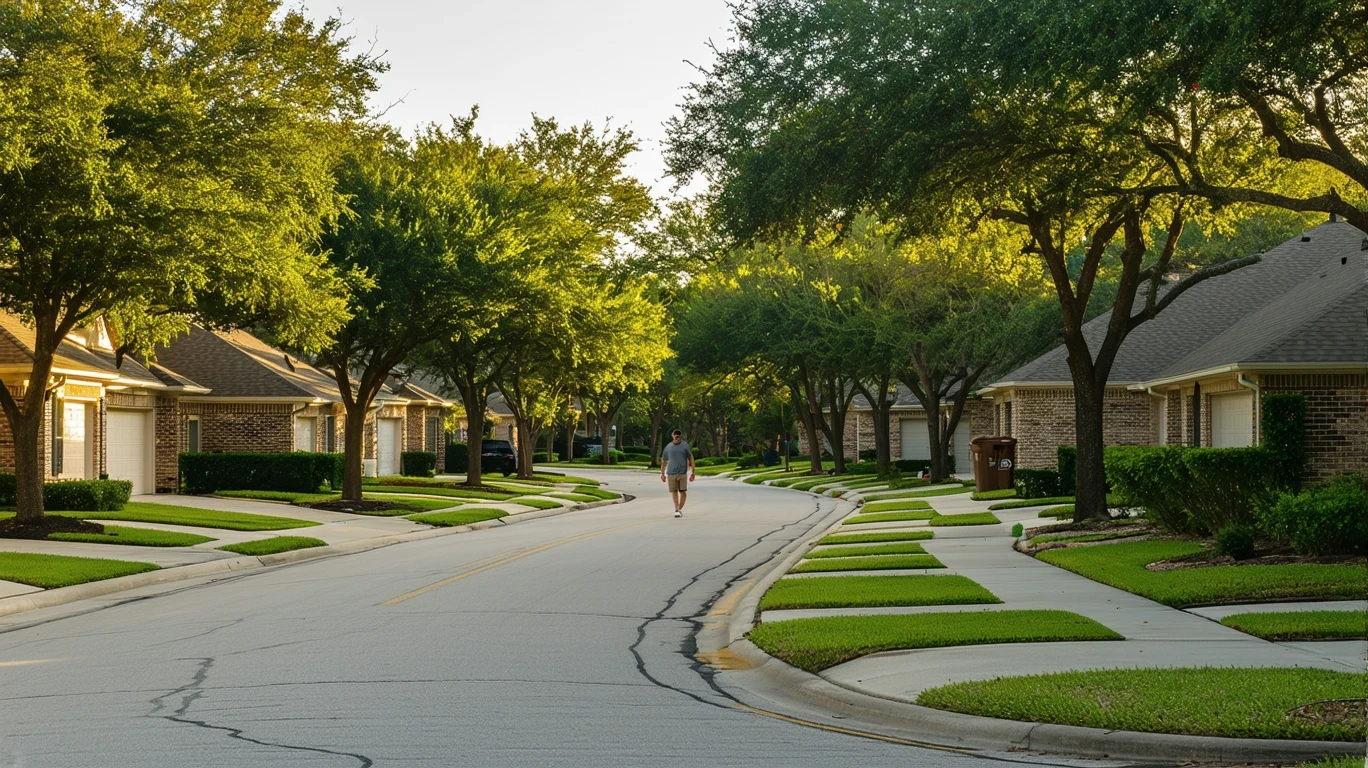
Most people assume Cibolo is more expensive than Converse because home values are higher—but that’s only half the story. The real difference isn’t just about price tags; it’s about where cost pressure shows up in daily life and which households feel it most. Both cities sit in the San Antonio metro area, share similar climate exposure, and cater to families seeking suburban space over urban density. Yet the way costs behave—housing entry barriers, grocery access friction, outdoor amenity availability—differs enough to make one city feel manageable for some households and stretched for others, even at the same income level.
This comparison explains how housing, utilities, transportation, and daily errands create different cost experiences in Cibolo and Converse in 2026. It’s not about declaring a winner or calculating total affordability. Instead, it’s about understanding which cost structures align with your household’s priorities, sensitivities, and trade-offs. Whether you’re a single professional weighing commute time against housing flexibility, a dual-income couple prioritizing predictability, or a family managing school access and weekend logistics, the decision depends on which pressures you’re equipped to handle—and which ones you’re not.
Both cities offer low-rise suburban living with mixed residential and commercial land use, but the texture of daily life—how far you drive for groceries, how much outdoor space feels accessible, how tightly housing costs squeeze other spending—varies in ways that matter more than median prices alone suggest.
Housing Costs in Cibolo vs Converse
Housing costs in Cibolo and Converse differ most visibly at the entry point. Cibolo’s median home value sits at $291,500, while Converse’s median home value is $216,100. For renters, Cibolo’s median gross rent is $1,872 per month compared to Converse’s $1,403 per month. These aren’t small gaps—they represent different levels of upfront financial commitment and ongoing monthly obligation. But the difference isn’t just about higher or lower numbers; it’s about what kind of housing pressure dominates your experience and how much flexibility remains after housing costs are locked in.
In Cibolo, the higher entry barrier filters for households with stronger income baselines or larger down payment reserves. The trade-off often comes in the form of newer construction, larger lots, or proximity to newer retail and school infrastructure—even if that infrastructure remains sparse by urban standards. Renters in Cibolo face higher monthly obligations, which can limit flexibility for discretionary spending, emergency savings, or career transitions. Single-family home buyers in Cibolo are more likely to encounter HOA fees, which bundle services like landscaping or shared amenities but add another layer of recurring cost that doesn’t fluctuate with usage.
Converse offers a lower entry threshold for both renters and buyers, which opens access to households with moderate incomes or those prioritizing cash flow over home size or newness. The housing stock skews older on average, which can mean lower purchase prices but higher maintenance exposure over time. Renters in Converse experience less monthly pressure from housing alone, leaving more room to absorb variability in utilities, transportation, or unexpected expenses. For first-time buyers, Converse’s lower median home value reduces the down payment hurdle and shrinks the monthly mortgage obligation, but it also means less equity accumulation in markets where appreciation is slower or more volatile.
| Housing Type | Cibolo | Converse |
|---|---|---|
| Median Home Value | $291,500 | $216,100 |
| Median Gross Rent | $1,872/month | $1,403/month |
The housing takeaway depends on what kind of pressure you’re most sensitive to. Households prioritizing lower entry barriers and monthly flexibility—especially single adults, early-career professionals, or families with variable income—may find Converse’s housing structure easier to navigate. Households willing to absorb higher upfront and ongoing housing costs in exchange for newer construction, larger outdoor space, or proximity to expanding suburban infrastructure may find Cibolo’s housing market more aligned with long-term plans. Renters in both cities face limited flexibility once a lease is signed, but the difference in monthly rent obligations affects how much cushion remains for transportation, utilities, and discretionary spending.
For buyers, the difference is less about monthly payment size and more about what kind of housing stock you’re entering and how much maintenance, HOA fees, or property tax exposure you’re prepared to manage. Cibolo’s higher home values often correlate with newer builds and lower immediate maintenance needs, but they also lock in higher property tax obligations and less room for income volatility. Converse’s lower home values reduce the monthly obligation but may increase exposure to repair costs, older HVAC systems, and less predictable utility performance.
Utilities and Energy Costs
Utility costs in Cibolo and Converse behave similarly in structure but differ in how housing stock and home size amplify exposure. Both cities face the same electricity rate (Cibolo at 16.04¢/kWh, Converse at 16.11¢/kWh) and identical natural gas pricing at $30.71/MCF. The South Texas climate drives utility behavior in both cities: triple-digit summer heat dominates cooling costs for most of the year, while heating needs remain minimal and concentrated in short winter stretches. The real difference isn’t in the rate—it’s in how home size, insulation quality, and housing age translate that rate into monthly volatility.
In Cibolo, newer construction and larger single-family homes mean more square footage to cool, but also better insulation and more efficient HVAC systems on average. Households in newer builds experience more predictable utility costs because the home’s envelope performs better under sustained heat exposure. However, larger homes still mean higher baseline usage, and families with flexible schedules or work-from-home arrangements face extended cooling periods that stretch beyond evening and weekend use. Apartments and townhomes in Cibolo benefit from shared walls and smaller footprints, which reduce cooling load and create more predictable monthly bills even during peak summer months.
Converse’s older housing stock introduces more variability. Homes built before modern efficiency standards often lack adequate insulation, have older HVAC systems, and experience more air leakage—all of which increase cooling costs without increasing comfort. Single-family homeowners in Converse may face higher utility volatility during summer months, especially in homes with poor attic insulation or aging ductwork. Renters in older apartments or duplexes may encounter less control over efficiency upgrades, leaving them more exposed to seasonal swings. On the other hand, smaller home sizes in Converse can offset some of this exposure, particularly for households occupying older but compact single-story homes.
Utility cost exposure varies significantly by household type. Single adults in apartments experience the least volatility in both cities, with smaller spaces and shared walls dampening cooling load. Couples in single-family homes face moderate exposure, especially if one or both work from home and extend cooling hours beyond typical evening use. Families with kids encounter the highest exposure in both cities—larger homes, more occupants, and less flexibility to reduce usage during peak heat. In Cibolo, that exposure is more predictable but higher in absolute terms due to larger home sizes. In Converse, exposure is more volatile and harder to control due to older housing stock, but smaller homes can create lower baseline costs when efficiency isn’t compromised.
Neither city offers a clear advantage in utility predictability—both are shaped by the same climate and rate structure. The difference lies in whether you’re managing higher baseline usage in a newer, larger home (Cibolo) or higher volatility in an older, less efficient home (Converse). Households sensitive to month-to-month swings may prefer Cibolo’s newer housing stock, even if the baseline is higher. Households prioritizing lower baseline costs and willing to manage seasonal variability may find Converse’s smaller, older homes more aligned with their budget structure—especially if they can invest in targeted efficiency improvements like attic insulation or programmable thermostats.
Groceries and Daily Expenses
Grocery and daily expense pressure in Cibolo and Converse differs less in price and more in access friction and convenience creep. Both cities share the same regional price parity index (94), meaning grocery staples cost roughly the same at checkout. But the structure of where you shop, how often you drive, and how much convenience spending fills gaps between planned trips creates different cost experiences. Cibolo’s sparse food and grocery density means fewer nearby options and more reliance on planned, consolidated trips. Converse’s corridor-clustered grocery access means more options along main routes but still limited walkable access for most residents.
In Cibolo, sparse grocery density translates to longer drives for routine shopping and fewer opportunities for quick top-up trips. Households that plan well—weekly bulk shopping at big-box stores, meal prepping, minimizing impulse runs—experience lower friction and more predictable grocery spending. But households with variable schedules, last-minute needs, or preferences for specialty items face more time cost and fuel expense. The lack of dense neighborhood grocery options also increases reliance on convenience stores or gas station stops, which carry higher per-item costs and can quietly inflate monthly spending. Families managing school pickups, activities, and work schedules may find the planning burden heavier in Cibolo, especially when a forgotten ingredient or household item requires a dedicated 20-minute round trip.
Converse’s corridor-clustered grocery access offers more flexibility for households whose daily routes intersect with main commercial corridors. Grocery stores, discount chains, and smaller ethnic markets cluster along key roads, making it easier to combine errands with commutes or school runs. This structure reduces the time cost of grocery shopping and lowers the friction for mid-week top-ups. However, corridor clustering also increases exposure to convenience spending—drive-thru coffee, fast-casual dining, impulse stops at dollar stores or pharmacies. Households with less rigid budgeting or those managing multiple errands per week may find that convenience spending creeps higher in Converse, even if planned grocery costs remain stable.
Daily expense pressure also differs by household composition. Single adults in both cities can minimize grocery costs through disciplined planning, but Cibolo’s sparse access increases the time burden of each shopping trip. Couples with flexible schedules can absorb Cibolo’s planning requirements more easily, while those with rigid work hours may find Converse’s corridor access more practical. Families with kids face the highest friction in Cibolo—larger grocery volumes, more frequent trips, and less tolerance for long drives when schedules are tight. In Converse, families benefit from more accessible grocery options but also face more temptation for convenience spending, especially when managing multiple stops in a single outing.
The grocery takeaway isn’t about which city has cheaper food—it’s about which access structure aligns with your household’s planning capacity and schedule flexibility. Households that thrive on routine, batch cooking, and minimal mid-week trips may find Cibolo’s sparse access manageable and even cost-effective by reducing impulse spending. Households that value flexibility, shorter trip times, and the ability to combine errands with daily routes may find Converse’s corridor-clustered access reduces friction and time cost, even if convenience spending requires more active management. Neither city offers walkable grocery access for most residents, so car dependence remains a baseline assumption in both.
Taxes and Fees
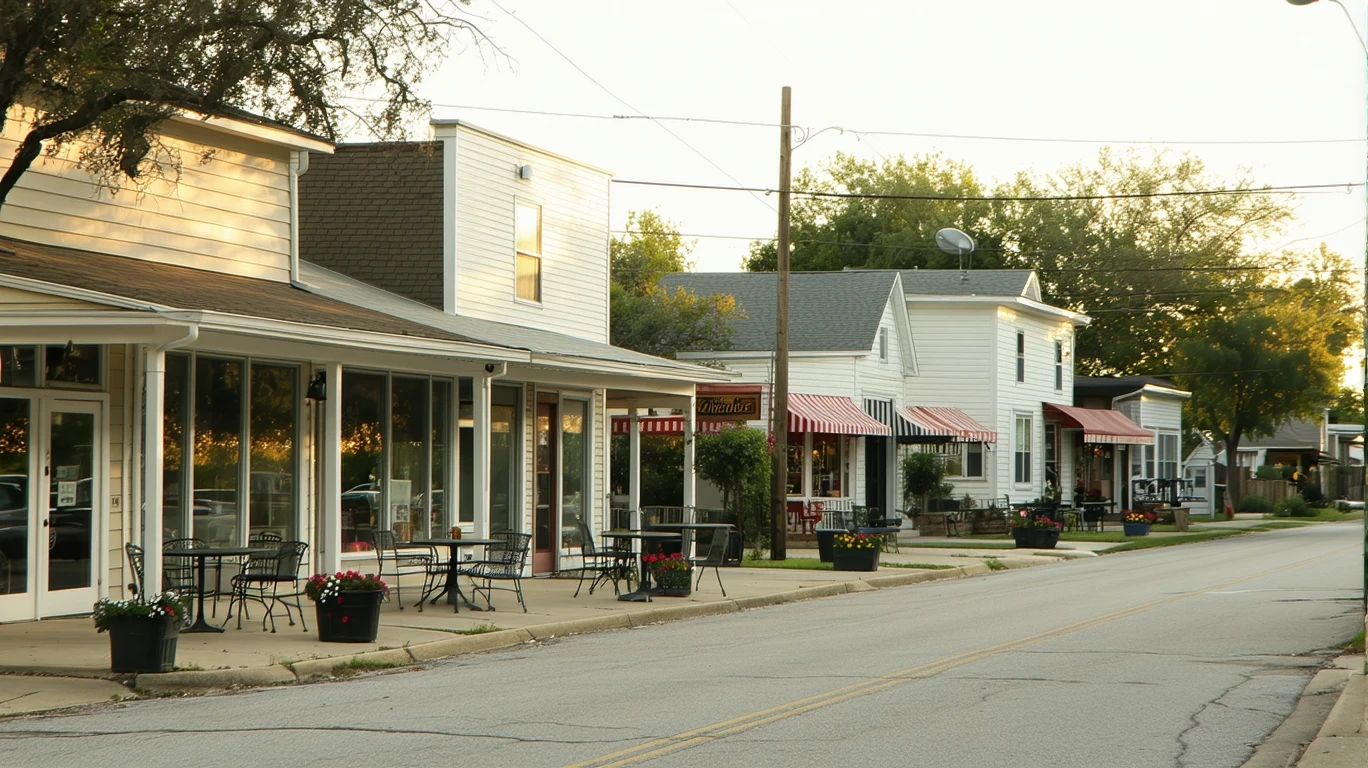
Taxes and fees in Cibolo and Converse follow similar structures but create different exposure levels depending on housing type and length of ownership. Both cities rely heavily on property taxes to fund local services, schools, and infrastructure—a common pattern across Texas suburbs. Sales taxes apply uniformly at the state and local level, affecting all households equally at the point of purchase. The real difference lies in how property tax obligations scale with home values and how recurring fees (HOA dues, water, trash, stormwater) add layers of predictability or variability to monthly costs.
In Cibolo, higher median home values translate directly into higher property tax obligations for homeowners. Texas property taxes are assessed as a percentage of appraised home value, so a $291,500 home in Cibolo carries a larger annual tax bill than a $216,100 home in Converse, even if the tax rate is identical. For homeowners planning to stay several years, this difference compounds—property tax obligations don’t shrink, and appraisal increases (common in growing suburbs) can push tax bills higher over time. Newer subdivisions in Cibolo often include HOA fees that bundle landscaping, shared amenities, or neighborhood services, adding another $50–$150+ per month in recurring costs. These fees are predictable but non-negotiable, and they don’t fluctuate with usage or household size.
Converse’s lower median home values reduce the baseline property tax obligation for homeowners, creating more breathing room in monthly budgets. For first-time buyers or households with moderate incomes, this difference can determine whether homeownership feels sustainable or stretched. Older neighborhoods in Converse are less likely to carry HOA fees, which reduces recurring obligations but also shifts responsibility for yard maintenance, exterior upkeep, and neighborhood aesthetics to individual homeowners. This trade-off favors households that prefer autonomy and are willing to manage maintenance themselves, but it can increase variability in upkeep costs and time investment.
Renters in both cities are indirectly exposed to property taxes (landlords pass costs through rent pricing) but don’t manage tax bills directly. However, renters in Cibolo face higher rent obligations that reflect the higher property tax baseline, while renters in Converse benefit from lower rent pricing that correlates with lower property tax exposure. Recurring fees like trash, water, and stormwater are often billed separately in both cities, adding $50–$100+ per month depending on household size and usage. These fees are more predictable than utilities but still represent non-negotiable costs that reduce flexibility for discretionary spending.
The tax and fee takeaway depends on whether you’re more exposed to upfront obligations (property taxes, HOA fees) or ongoing variability (maintenance, upkeep). Homeowners in Cibolo face higher property tax obligations and more frequent HOA fees, which increase predictability but reduce flexibility. Homeowners in Converse face lower property tax obligations and fewer HOA fees, which increases flexibility but shifts more responsibility to individual households. Renters in both cities are insulated from direct property tax management, but Cibolo’s higher rent pricing reflects the higher tax baseline, while Converse’s lower rent pricing offers more monthly breathing room. Long-term residents in both cities should expect property tax obligations to rise with appraisals, but the magnitude of that exposure scales with home value—making Cibolo’s higher entry point a more significant long-term commitment.
Transportation & Commute Reality
Transportation costs in Cibolo and Converse are shaped almost entirely by car dependence and commute distance, not by transit options or walkability. Both cities show moderate pedestrian infrastructure relative to road networks, but neither offers practical transit coverage or walkable access to daily errands for most residents. Gas prices are nearly identical (Cibolo at $2.45/gal, Converse at $2.46/gal), so fuel cost differences are negligible. The real transportation pressure comes from how far you drive daily, how much time you spend in the car, and whether your household can function with one vehicle or requires two.
In Cibolo, sparse grocery and errands density means more driving for routine tasks—weekly shopping, pharmacy runs, school pickups, and weekend activities. Households that consolidate trips and plan routes carefully can minimize fuel costs, but the time cost remains. Families managing multiple schedules (work, school, activities) often find that one vehicle isn’t enough, pushing them into two-car ownership with the associated insurance, maintenance, and registration costs. Commuters heading into San Antonio or other metro employment centers face moderate drive times, but the lack of transit alternatives means every trip requires a personal vehicle. For single adults or couples without kids, Cibolo’s car dependence is manageable but inflexible—there’s no fallback option if a vehicle is in the shop or if one partner needs the car during the day.
Converse’s corridor-clustered errands access reduces the frequency of dedicated grocery or pharmacy trips, since many households can combine errands with commute routes or school runs. This doesn’t eliminate car dependence, but it does reduce the number of separate trips required each week. Families in Converse may find it easier to manage with one vehicle if work and school schedules align, though two-car households remain the norm. Commuters in Converse face similar drive times to Cibolo when heading into San Antonio, and the lack of transit options means the same baseline car dependence. The difference is less about distance and more about how often you’re making standalone trips versus combining stops along routes you’re already driving.
Transportation pressure differs most by household composition and schedule flexibility. Single adults in both cities need at least one reliable vehicle, and the lack of transit or walkability means car ownership is non-negotiable. Couples with aligned schedules may manage with one vehicle in Converse more easily than in Cibolo, thanks to more clustered errands access. Families with kids almost always require two vehicles in both cities, but Cibolo’s sparse errands density increases the frequency of dedicated trips, while Converse’s corridor access allows more trip consolidation. Households with variable work hours, remote work flexibility, or minimal school-age logistics face the least transportation friction in both cities, since they can time trips to avoid peak congestion and consolidate errands more easily.
The transportation takeaway is that both cities require car ownership and offer no meaningful transit alternatives. The difference lies in how much driving you do beyond commuting—Cibolo’s sparse access increases the number of standalone trips, while Converse’s corridor clustering reduces trip frequency by making it easier to combine errands with routes you’re already driving. Neither city offers a low-car or car-free lifestyle, so transportation costs are less about fuel prices and more about vehicle count, insurance, and the time cost of driving.
Where Cost Pressure Concentrates
Housing dominates the cost experience in both Cibolo and Converse, but the nature of that pressure differs. In Cibolo, housing costs create a higher entry barrier and ongoing monthly obligation, which filters for households with stronger income baselines and reduces flexibility for other spending categories. Renters and buyers in Cibolo absorb more housing pressure upfront, but they often gain access to newer construction, larger lots, and more predictable utility performance. In Converse, lower housing costs reduce the entry threshold and monthly obligation, creating more breathing room for transportation, utilities, and discretionary spending. However, older housing stock in Converse can introduce more maintenance exposure and utility volatility, shifting some of the cost pressure from predictable (rent/mortgage) to variable (repairs, seasonal bills).
Utilities introduce more volatility in Converse due to older housing stock and less efficient building envelopes, even though both cities face the same climate and rate structure. Households in Cibolo experience higher baseline utility costs due to larger home sizes, but those costs are more predictable because newer construction performs better under sustained heat exposure. Families with kids or work-from-home arrangements face the highest utility exposure in both cities, but the difference is whether you’re managing higher predictable costs (Cibolo) or higher volatile costs (Converse).
Transportation patterns matter more in Cibolo because sparse grocery and errands density increases the number of standalone trips required each week. Households that can consolidate trips and plan routes carefully minimize this friction, but families managing multiple schedules or households with less rigid planning capacity face higher time and fuel costs. Converse’s corridor-clustered errands access reduces trip frequency and makes it easier to combine stops, which lowers the time burden even if car dependence remains universal. Neither city offers transit or walkability as viable alternatives, so transportation costs are less about fuel prices and more about vehicle count and trip frequency.
Daily living costs—groceries, convenience spending, errands friction—are shaped more by access structure than by price differences. Cibolo’s sparse access increases the planning burden and time cost of routine shopping, which can reduce impulse spending but also increases friction for households with variable schedules. Converse’s corridor-clustered access reduces trip times and planning burden, but it also increases exposure to convenience spending creep—drive-thru stops, impulse purchases, and mid-week top-ups that quietly inflate monthly costs. Households sensitive to convenience spending may find Cibolo’s sparse access a forcing function for discipline, while households valuing flexibility and shorter trip times may find Converse’s access structure more practical.
The decision between Cibolo and Converse isn’t about which city is cheaper overall—it’s about which cost structure aligns with your household’s income stability, planning capacity, and sensitivity to different types of pressure. Households sensitive to housing entry barriers and monthly obligations may find Converse more accessible, even if maintenance and utility volatility require more active management. Households willing to absorb higher housing costs in exchange for newer construction, larger outdoor space, and more predictable utility performance may find Cibolo’s structure more sustainable, even if it leaves less room for discretionary spending. For households prioritizing errands accessibility and trip consolidation, Converse offers more practical daily logistics. For households prioritizing outdoor space access and newer housing stock, Cibolo offers stronger amenity availability despite sparse grocery density.
How the Same Income Feels in Cibolo vs Converse
Single Adult
For a single adult, housing becomes the first non-negotiable cost, and the difference between Cibolo’s higher rent and Converse’s lower rent determines how much flexibility remains for transportation, savings, and discretionary spending. In Cibolo, higher rent obligations leave less room for variable expenses, making it harder to absorb car repairs, travel, or career transitions. Converse’s lower rent creates more breathing room, but the trade-off often comes in older apartment stock and less predictable utility costs. Car dependence is universal in both cities, so transportation costs remain fixed regardless of income, but Cibolo’s sparse errands access increases the time cost of routine tasks, while Converse’s corridor clustering reduces trip frequency and planning burden.
Dual-Income Couple
For a dual-income couple, housing costs in Cibolo absorb a larger share of combined income, but two earners create more capacity to manage higher rent or mortgage obligations without sacrificing other priorities. Flexibility exists in transportation (one vehicle may suffice if schedules align) and discretionary spending, but Cibolo’s higher housing baseline reduces the cushion for savings or unexpected expenses. In Converse, lower housing costs create more flexibility for travel, dining out, or building emergency reserves, but older housing stock can introduce maintenance surprises that erode that cushion. The role of commute friction is similar in both cities—both require car ownership, but Converse’s corridor-clustered errands access makes it easier to combine stops and reduce the number of standalone trips each week.
Family with Kids
For a family with kids, housing, transportation, and errands logistics all become non-negotiable, and the difference between Cibolo and Converse is less about total cost and more about which pressures dominate. In Cibolo, higher housing costs and sparse errands access increase both the financial baseline and the time cost of managing household logistics—more driving for groceries, school activities, and weekend errands. Flexibility disappears quickly because two vehicles are almost always required, and the planning burden is higher. In Converse, lower housing costs create more breathing room, but older housing stock increases maintenance exposure and utility volatility, shifting some of the pressure from predictable to variable. Corridor-clustered errands access reduces trip frequency and makes it easier to combine stops, which lowers the time burden even if car dependence remains universal.
Decision Matrix: Which City Fits Which Household?
| Decision Factor | If you’re sensitive to this… | Cibolo tends to fit when… | Converse tends to fit when… |
|---|---|---|---|
| Housing entry + space needs | Upfront costs, monthly obligations, and long-term equity exposure | You prioritize newer construction, larger lots, and predictable utility performance over lower entry barriers | You prioritize lower entry thresholds and monthly flexibility over home size or newness |
| Transportation dependence + commute friction | Trip frequency, time cost, and vehicle count requirements | You can consolidate trips, plan routes carefully, and absorb higher time costs for routine errands | You value shorter trip times, corridor-clustered access, and easier trip consolidation along daily routes |
| Utility variability + home size exposure | Seasonal bill swings, cooling costs, and efficiency of housing stock | You prefer predictable utility costs in newer, larger homes even if baseline usage is higher | You can manage seasonal volatility in older homes and prioritize lower baseline costs over predictability |
| Grocery strategy + convenience spending creep | Planning burden, trip frequency, and impulse spending exposure | You thrive on routine, batch shopping, and minimal mid-week trips despite sparse access | You value flexibility, shorter trip times, and corridor access even if convenience spending requires active management |
| Fees + friction costs (HOA, services, upkeep) | Recurring obligations, maintenance responsibility, and predictability vs autonomy | You prefer bundled services, predictable HOA fees, and less individual maintenance responsibility | You prefer lower recurring fees, more autonomy, and willingness to manage maintenance yourself |
| Time budget (schedule flexibility, errands, logistics) | Household logistics complexity, trip consolidation, and daily planning burden | You have flexible schedules, can plan routes carefully, and prioritize outdoor space access over errands convenience | You manage tight schedules, value trip consolidation, and prioritize errands accessibility over outdoor amenity density |
Lifestyle Fit: What Daily Life Feels Like
Daily life in Cibolo and Converse revolves around car-dependent suburban routines, but the texture of that experience differs in ways that affect both cost and convenience. Cibolo offers integrated outdoor space access—park density exceeds high thresholds, and water features are present throughout the city. For families with kids, this means more options for weekend activities, outdoor play, and low-cost recreation without driving long distances. However, sparse food and grocery density means routine errands require more planning and longer drives, which increases the time cost of managing household logistics. Mixed pedestrian infrastructure exists, but it’s not dense enough to replace car trips for most daily tasks.
Converse offers more practical errands accessibility thanks to corridor-clustered grocery and food options, which makes it easier to combine stops along routes you’re already driving. Park density is moderate rather than high, and water features are present but less integrated into daily life. For households prioritizing convenience and shorter trip times over outdoor amenity density, Converse’s structure reduces friction in weekly routines. Both cities feature low-rise building profiles and mixed residential-commercial land use, so the suburban character is similar—single-family homes, quiet streets, and minimal walkable urban texture.
Cultural and recreational options in both cities are limited compared to urban cores, so residents often drive into San Antonio for dining, entertainment, or specialized services. This pattern affects lifestyle costs indirectly—households that prioritize frequent dining out, live music, or cultural events will spend more on transportation and discretionary activities regardless of which city they choose. Families focused on outdoor recreation, youth sports, and neighborhood-based activities may find Cibolo’s higher park density more aligned with their priorities, even if grocery trips require more planning. Households prioritizing convenience, shorter errands loops, and practical daily logistics may find Converse’s corridor-clustered access reduces the time burden of routine tasks.
Cibolo’s median household income is $116,510 per year (gross), compared to Converse’s $77,237 per year (gross). This income gap reflects different household compositions and employment patterns, but it also shapes the cost structure each city supports. Cibolo’s higher housing costs align with higher income baselines, while Converse’s lower housing costs make homeownership and renting accessible to households with moderate incomes. Both cities maintain low unemployment rates—3.6% in Cibolo and 3.8% in Converse—indicating stable local labor markets.
Common Questions About Cibolo vs Converse in 2026
Is Cibolo or Converse more affordable for renters in 2026? Converse offers lower median rent ($1,403/month vs Cibolo’s $1,872/month), which creates more monthly flexibility for renters with moderate incomes. However, affordability depends on which cost pressures you’re most sensitive to—Converse’s lower rent may be offset by higher utility volatility in older housing stock, while Cib