
Cibolo is considered moderately priced in 2026, with a median home value of $291,500 and median rent of $1,872 per month. The value proposition depends on housing entry cost versus car dependence, as sparse grocery and errands accessibility requires vehicle ownership for daily logistics.
You’re weighing a move to Cibolo and trying to figure out if your paycheck will stretch far enough. The numbers look manageable on paper, but you’re wondering what really drives cost structure here—and whether the tradeoffs make sense for your household. Let’s break down where money goes in Cibolo and what shapes financial pressure in this San Antonio-area suburb.
Overall Cost of Living Snapshot
Cibolo sits below the national price baseline, with a regional price parity index of 94, meaning the overall cost structure runs about 6% lower than the U.S. average. That discount shows up unevenly: housing is accessible relative to income, but the city’s layout creates recurring transportation exposure that offsets some of the savings.
The primary cost driver is housing entry—whether you’re buying or renting, that’s the largest single commitment. But the secondary driver is less visible: car dependency. Food and grocery options are concentrated rather than distributed, and pedestrian infrastructure supports walking only in limited pockets. That means most households need reliable vehicles and the fuel, insurance, and maintenance costs that come with them.
Driver verdict: Housing dominates upfront, but transportation is the recurring exposure that surprises newcomers. Day-to-day prices are modest, but getting around requires planning and vehicle access.
Housing Costs (Primary Driver)
At $291,500, the median home value in Cibolo is accessible for middle-income households, especially compared to metro hubs closer to San Antonio. Median gross rent is $1,872 per month, which reflects newer construction and family-oriented layouts common in the area. With median household income at $116,510 per year, housing costs fall comfortably within traditional affordability guidelines for many residents.
The renting-versus-owning calculus here tilts toward ownership. Rental inventory is present but limited, and the price gap between renting and carrying a mortgage is narrow enough that buyers with stable income and down-payment capacity often choose to buy. Renters tend to be in transition—relocating for work, testing the area, or waiting to purchase.
Conclusion: Cibolo is a buying-oriented city. Renting works for short-term flexibility, but the long-term value proposition favors ownership, particularly for households planning to stay and build equity.
| Housing Type | Cost Anchor | What That Buys You |
|---|---|---|
| Median Home | $291,500 | Single-family home, low-rise neighborhood, typically 3–4 bedrooms |
| Median Rent | $1,872/month | Apartment or townhome, newer construction, family layouts common |
Utilities & Energy Risk
Electricity in Cibolo runs 16.04¢ per kWh, which is moderate for Texas. For a typical household using around 1,000 kWh per month, that translates to roughly $160 per month in electricity costs before fees and taxes (illustrative context). Triple-digit summer heat drives extended cooling season demand, so air conditioning dominates warm-weather bills.
Natural gas is priced at $30.71 per MCF (roughly 100 therms). For a household using about 1 MCF per month during heating months, that’s around $31 per month in gas costs before fees (illustrative context). Heating exposure is lighter than in northern climates, but winter variability can still create bill swings.
Risk classification: moderate. Utility costs are predictable in structure but sensitive to seasonal intensity. Cooling dominates annual exposure, and efficiency upgrades—like programmable thermostats or improved insulation—help stabilize bills without requiring major investment.
Groceries & Daily Costs
Grocery pricing in Cibolo reflects the regional price discount, with staples running slightly below national averages. The bigger factor isn’t price—it’s access. Food and grocery density falls below typical thresholds, meaning most households drive to shop rather than walk to nearby stores. That adds time, planning friction, and vehicle dependency to the weekly routine.
For households accustomed to walkable errands or frequent small trips, the shift to bulk shopping and longer drives can feel like a hidden cost—not in dollars, but in logistics and flexibility. For households already oriented toward car-based routines, the structure feels familiar and the pricing feels fair.
Transportation Reality
Cibolo’s layout requires car ownership for nearly all daily errands. Pedestrian infrastructure exists in moderate density, but the ratio of walkable paths to roads remains in the medium band—enough to support neighborhood strolls, but not enough to replace driving for groceries, healthcare, or work commutes. Public transit is minimal, and cycling infrastructure is sparse.
Gas prices are $2.45 per gallon, which is competitive. For a typical commuter driving 25 miles round trip in a vehicle averaging 25 MPG, that’s about 1 gallon per day, or roughly $49 per month in fuel costs (illustrative context, before maintenance or insurance). The real exposure isn’t fuel price—it’s vehicle dependency itself. Households need at least one reliable car, and multi-adult households often need two.
Because food and grocery options are corridor-clustered rather than broadly accessible, even non-commuting households face regular driving for errands. That makes transportation a recurring cost layer, not just a commute expense.
What Daily Life Actually Feels Like
The structure of Cibolo shapes how people move and manage logistics. Grocery stores and clinics are present but not distributed evenly, so most trips require a car and advance planning. You’re not walking to grab milk or picking up prescriptions on foot—you’re bundling errands into driving loops. For households with predictable schedules and reliable vehicles, that rhythm works fine. For those without consistent car access, or those used to walkable urban neighborhoods, the friction is real.
Park access is strong—density exceeds high thresholds, and water features add outdoor appeal. But school density is low, and family-oriented infrastructure is limited. That creates a tension: the city offers green space and low-rise residential character, but the support systems for families with young children are thinner than the housing stock might suggest.
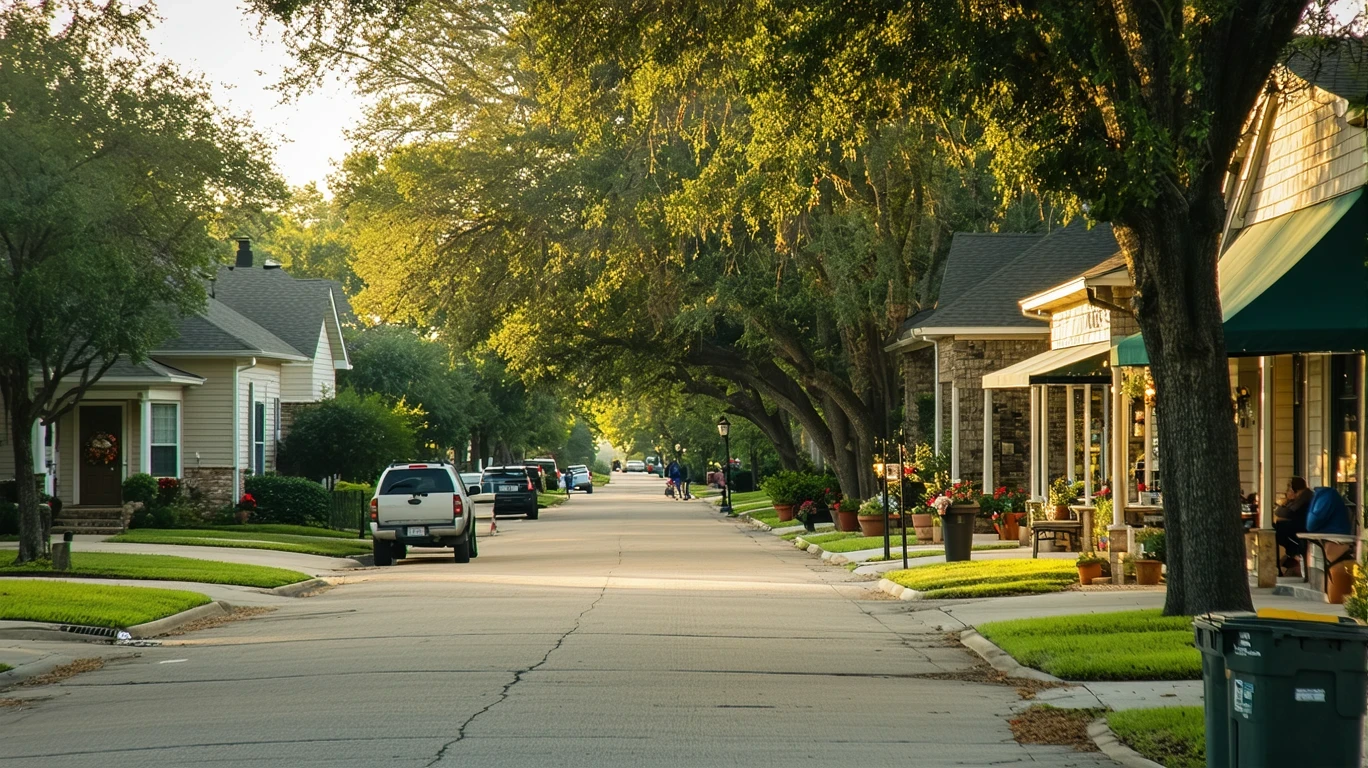
The urban form is low-rise with mixed land use, meaning residential and commercial zones coexist, but the distances between them still require driving. It’s a car-dependent suburb with pockets of walkability, not a walkable city with car alternatives.
Cost Exposure Profiles
Cost pressure in Cibolo varies by household structure and mobility needs, not income alone. Here’s how exposure breaks down:
Low-exposure households are those who own homes, have stable vehicle access, and can absorb seasonal utility swings without stress. Ownership builds equity, car costs are predictable, and the regional price discount on groceries and gas keeps recurring expenses manageable. For these households, Cibolo offers solid value with minimal financial volatility.
High-exposure households are renters without vehicle ownership, or those relying on single-income sources in variable-hour jobs. Rent consumes a larger share of income without building equity, and car dependency creates a barrier to errands, work access, and healthcare. Utility seasonality adds unpredictability, and the lack of transit alternatives limits flexibility.
The difference isn’t about who “can afford” Cibolo—it’s about which cost structures dominate your situation. Ownership and vehicle access reduce exposure. Renting and car dependency without backup options increase it. The city’s layout rewards stability and punishes transitions.
Frequently Asked Questions
Is Cibolo more affordable than nearby San Antonio in 2026? Cibolo’s housing costs run lower than central San Antonio, but transportation dependency can offset the savings. You’ll spend less on rent or mortgage, but you’ll need a car for nearly all errands, which adds recurring costs that urban San Antonio residents might avoid with transit or walkability.
What does a typical cost profile look like in Cibolo? Housing is the largest fixed cost, followed by transportation (fuel, insurance, maintenance). Utilities are moderate with seasonal swings driven by cooling demand. Groceries and daily costs run slightly below national averages, but access requires driving, which adds time and planning friction.
Do utilities cost more in Cibolo than in other Texas suburbs? Electricity rates are moderate for Texas, and natural gas pricing is competitive. The bigger factor is usage intensity—extended cooling seasons drive higher summer bills, but overall utility exposure is manageable with efficiency planning.
What costs tend to surprise newcomers in Cibolo? Transportation dependency is the most common surprise. Even non-commuters need cars for groceries, healthcare, and errands, which means fuel, insurance, and maintenance costs add up faster than expected. The layout doesn’t support car-free or car-light living.
Are property taxes higher in Cibolo than nearby cities? Property tax rates vary by jurisdiction and aren’t included in this dataset, but Texas generally relies on property taxes for local revenue, so homeowners should verify current rates and exemptions with local assessors before committing.
Is Cibolo a good fit for renters long-term? Renting works for short-term flexibility, but the city’s value proposition tilts toward ownership. Rental inventory is present but limited, and the gap between rent and mortgage costs is narrow enough that stable households often choose to buy.
How does car dependency affect household budgets in Cibolo? Car dependency creates a baseline cost layer that affects all households. You’ll need at least one vehicle, and multi-adult households often need two. Fuel costs are modest, but insurance, maintenance, and registration add recurring exposure that doesn’t exist in transit-rich or walkable cities.
Does Cibolo’s layout support families with young children? Park access is strong, but school density and family infrastructure are limited. The city offers green space and residential character, but the support systems for families—schools, playgrounds, pediatric care—are thinner than the housing stock might suggest.
How this article was built: In addition to public economic data, this article incorporates location-based experiential signals derived from anonymized geographic patterns—such as access density, walkability, and land-use mix—to reflect how day-to-day living actually feels in Cibolo, TX.