
Is Live Oak expensive to live in? Live Oak is considered moderately priced in 2026, with median home values at $212,800 and median rent at $1,362 per month. The value proposition depends on housing entry cost versus car dependence, as the city’s structure requires vehicle ownership for most daily needs.
When Maria pulled into Live Oak for the first time, keys to a rental duplex in hand, she felt relief at the rent—lower than what she’d left behind in Austin. But within weeks, she noticed the pattern: every errand meant a drive, every appointment required planning around fuel and time, and her car became less of a convenience and more of a necessity. The costs weren’t hidden, but they were structural, woven into the rhythm of daily life in ways that didn’t show up on a lease agreement.
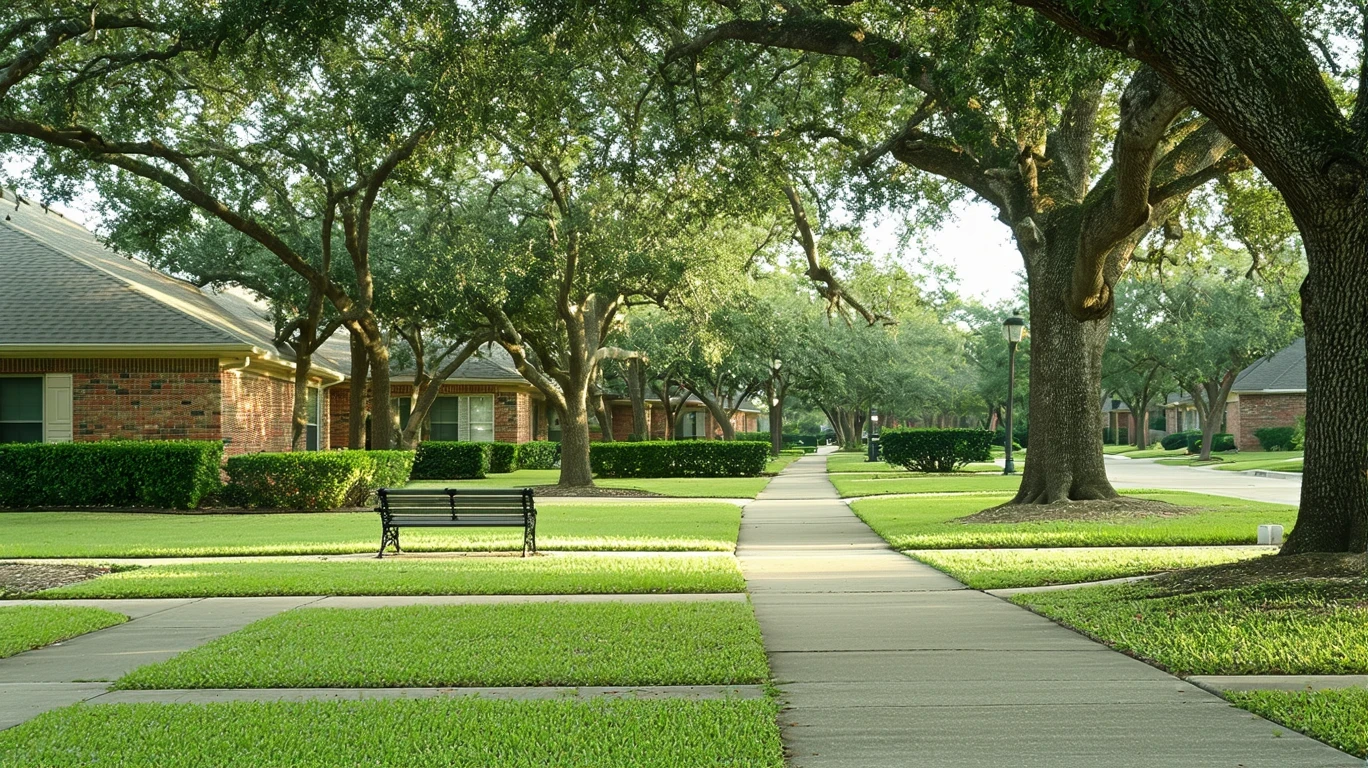
Overall Cost of Living Snapshot
Live Oak sits in the San Antonio metro area with a regional price parity index of 94, meaning the overall cost structure runs slightly below the national baseline. Housing entry costs anchor the financial picture, but the shape of expenses here is defined more by what the city requires than what it charges. The primary cost driver is housing—whether buying or renting—but transportation exposure runs close behind, not as a one-time expense but as a recurring obligation tied to the city’s car-oriented layout.
Median household income stands at $74,326 per year, and unemployment sits at 4.8%, reflecting a stable but not booming local economy. Utility costs carry moderate seasonal risk, with electricity rates at 15.87¢/kWh and natural gas priced at $19.31 per MCF. Groceries track slightly below national norms, and day-to-day prices don’t surprise—but the cost of getting to them does.
Driver verdict: Housing dominates upfront, but transportation defines the ongoing rhythm. Surprises come not from price tags but from the compounding effect of car dependency across errands, commutes, and household logistics.
Housing Costs (Primary Driver)
Housing in Live Oak splits into two distinct experiences. For buyers, the median home value of $212,800 represents a relatively accessible entry point compared to larger Texas metros, though property taxes and insurance add recurring weight. For renters, the median gross rent of $1,362 per month offers breathing room compared to urban cores, but it doesn’t eliminate the pressure—it just shifts it from monthly rent to the vehicle and fuel costs required to live here.
The renting versus owning decision hinges on timeline and mobility. Renters gain flexibility and lower upfront costs but face exposure to lease renewals in a market where landlords can adjust to regional demand. Buyers lock in predictability on the mortgage side but inherit property tax volatility, maintenance unpredictability, and insurance fluctuations that don’t appear in the purchase price.
This is a buying city for households planning to stay, and a transitional city for renters who need affordability now but may not want to anchor long-term.
| Housing Type | Cost Anchor | What That Buys You |
|---|---|---|
| Median Home Value | $212,800 | Entry-level ownership with property tax and insurance exposure |
| Median Gross Rent | $1,362/month | Flexibility and lower upfront cost, but lease renewal risk |
Utilities & Energy Risk
Utilities in Live Oak carry moderate seasonal risk, driven primarily by cooling demand during the extended Texas summer. Electricity rates sit at 15.87¢/kWh, and while that’s not extreme, the intensity and duration of heat exposure push usage higher than temperate climates. For illustrative context, a household using 1,000 kWh per month would face a baseline electric cost around $159 before fees and taxes during peak cooling months.
Natural gas, priced at $19.31 per MCF (roughly 100 therms), plays a smaller role here than in colder regions. Heating needs are minimal, and gas usage spikes only during rare cold snaps. The real volatility comes from summer air conditioning, where a poorly insulated home or an aging HVAC system can turn a predictable bill into a recurring surprise.
Risk classification: Moderate. Utility costs won’t dominate the budget, but they’re not negligible either. The exposure is seasonal, predictable in timing, and manageable with efficiency upgrades—but it’s always present.
Groceries & Daily Costs
Grocery costs in Live Oak track slightly below national norms, reflecting the regional price parity index of 94. Staples like bread ($1.73/lb), chicken ($1.92/lb), and rice ($1.00/lb) sit in the lower-moderate range, while items like ground beef ($6.35/lb) and cheese ($4.55/lb) carry more weight. Eggs run $2.42 per dozen, and milk costs $3.85 per half-gallon.
The pressure here isn’t in the prices themselves—it’s in the friction of accessing them. Grocery density sits below typical thresholds, and food establishment availability is sparse, meaning households often drive farther or consolidate trips to minimize fuel costs. The result is a cost structure where the groceries themselves are reasonable, but the logistics of obtaining them add hidden transportation exposure.
For households that plan well and batch errands, grocery costs remain manageable. For those with unpredictable schedules or frequent small trips, the compounding effect of fuel and time creates a different kind of pressure.
Transportation Reality
Live Oak is a car-dependent city, and that reality shapes daily life more than any single cost figure. Pedestrian infrastructure sits well below functional thresholds, and the ratio of walkable paths to roads is minimal. There’s no rail transit, and bus service—if present—doesn’t change the fundamental calculus: most households need at least one vehicle, and many need two.
Gas prices currently sit at $3.21 per gallon, and while that’s not extreme, the recurring exposure adds up quickly. Commutes, errands, school runs, and healthcare appointments all require driving, and the city’s layout offers few shortcuts. For illustrative context, a household driving 25 miles round trip daily at 25 MPG would use roughly 30 gallons per month, translating to around $96 in fuel before accounting for maintenance, insurance, or depreciation.
Transportation isn’t a one-time cost here—it’s a structural obligation. The city’s design ensures that getting around requires vehicle ownership, and that ownership carries recurring costs that don’t compress easily. Households with longer commutes or multiple drivers face elevated exposure, while those working locally or from home gain meaningful relief.
Cost Exposure Profiles
Cost exposure in Live Oak depends less on income level and more on household structure and logistics. The city’s car-oriented design and sparse errands accessibility mean that transportation dependence dominates recurring costs for most residents, while housing entry costs set the baseline.
Low-exposure situations: Homeowners with short commutes, stable employment, and minimal driving needs face the least pressure. A household that works locally, owns outright or has a fixed mortgage, and can batch errands efficiently avoids the compounding costs of fuel, maintenance, and time. Utility exposure remains moderate but predictable.
High-exposure situations: Renters with long commutes and multi-vehicle households face the highest recurring costs. Lease renewals introduce housing volatility, while daily commutes and errand logistics multiply transportation exposure. Families with school-age children or healthcare needs face additional friction, as limited local infrastructure requires more frequent trips.
The difference isn’t about who can or cannot live here—it’s about which structures amplify cost pressure and which absorb it. Ownership stabilizes housing, short commutes reduce fuel exposure, and efficient trip planning minimizes the friction of car dependency. Households that align with these patterns find Live Oak manageable; those that don’t face compounding costs that don’t show up in advertised prices.
Frequently Asked Questions
Is Live Oak more affordable than San Antonio in 2026? Live Oak tends to offer lower housing entry costs than central San Antonio, but transportation exposure runs higher due to car dependency. The tradeoff favors buyers seeking suburban affordability over renters prioritizing walkability.
What does a typical cost profile look like in Live Oak? Housing and transportation dominate, with utilities adding moderate seasonal pressure. Groceries and day-to-day prices run slightly below national norms, but the logistics of accessing them require vehicle ownership and recurring fuel costs.
Do utilities cost more in Live Oak than nearby areas? Electricity rates at 15.87¢/kWh sit in the moderate range for Texas, and natural gas at $19.31/MCF reflects typical regional pricing. The exposure comes from cooling intensity during long summers, not from unusually high rates.
What costs tend to surprise newcomers in Live Oak? Transportation exposure surprises most. The city’s layout requires driving for nearly all errands, and the compounding effect of fuel, maintenance, and time adds recurring costs that don’t appear in housing or utility bills.
Are property taxes higher in Live Oak than nearby cities? Property tax rates vary by jurisdiction and aren’t specified in available data, but Texas generally carries higher property tax burdens than states with income taxes. Buyers should verify local rates and factor them into ownership costs.
Is Live Oak a good fit for renters or buyers? Live Oak favors buyers planning to stay long-term, as ownership locks in housing predictability and offsets the recurring costs of car dependency. Renters gain flexibility but face lease renewal risk and the same transportation exposure without the equity-building benefit of ownership.
How does car dependency affect household budgets in Live Oak? Car dependency isn’t optional here—it’s structural. Households need at least one vehicle for daily life, and many need two. Fuel, insurance, maintenance, and depreciation compound into recurring costs that shape monthly cash flow more than any single price point.
How this article was built: In addition to public economic data, this article incorporates location-based experiential signals derived from anonymized geographic patterns—such as access density, walkability, and land-use mix—to reflect how day-to-day living actually feels in Live Oak, TX.
—