
Is Converse expensive to live in? Converse is considered moderately priced in 2026, with a median home value of $216,100 and rent at $1,403 per month. The value proposition depends on housing entry cost versus car dependence, as transportation and vehicle ownership shape recurring expenses more than day-to-day prices.
You’re weighing a move to Converse, and the numbers online don’t quite add up to a clear answer. One site says it’s affordable. Another flags rising costs. You need to know what actually drives expenses here—not just whether it’s “cheap” or “expensive,” but where the pressure comes from and what levers you control.
This article maps the cost structure of Converse, TX, in 2026, using authoritative public data and location-based experiential signals. It identifies the primary cost driver, explains how housing, utilities, transportation, and groceries interact, and clarifies which household types face the most exposure. By the end, you’ll understand what dominates your cost profile here and where surprises typically emerge.
Overall Cost of Living Snapshot
Converse sits in the San Antonio metro area with a regional price parity index of 94, meaning the baseline cost level runs slightly below the national average. That directional advantage, however, doesn’t determine your actual cost experience—housing entry point and transportation dependence do.
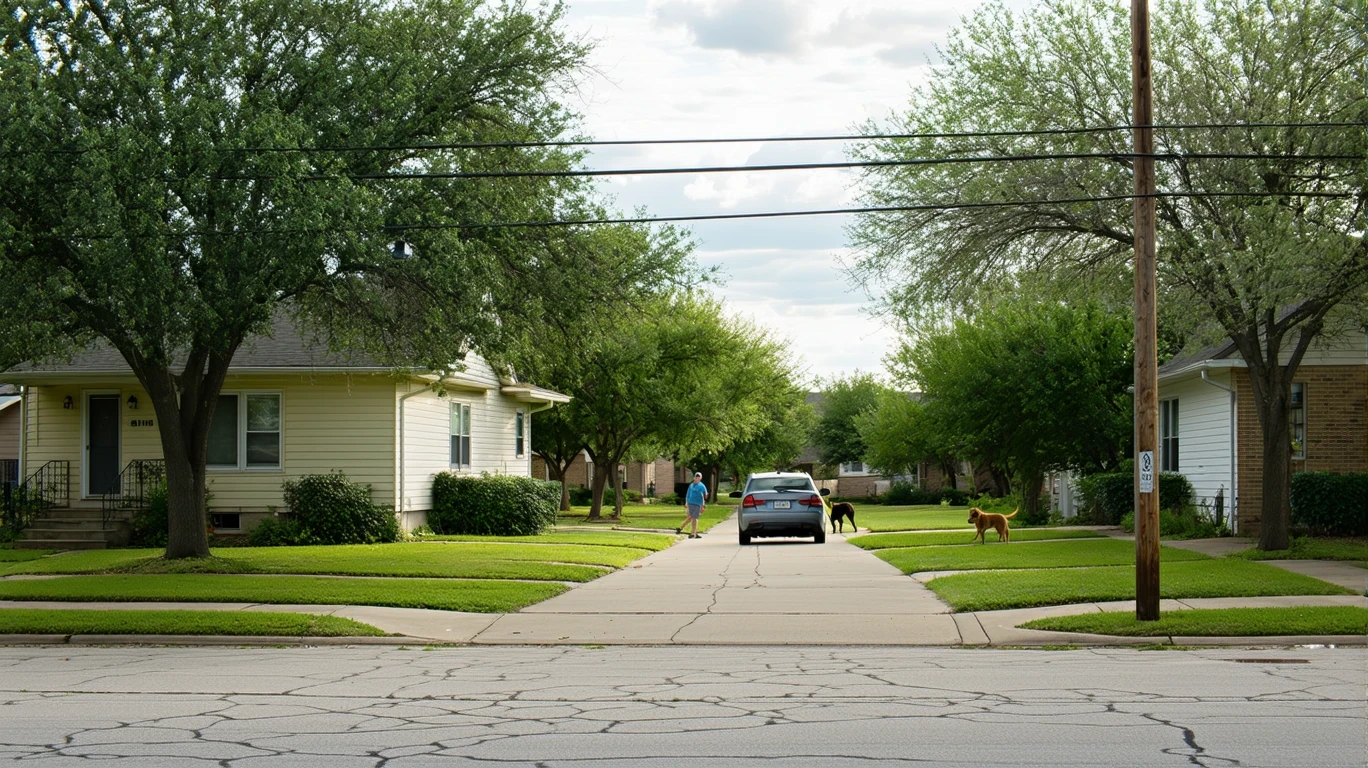
The median home value of $216,100 positions Converse as an ownership-oriented market. Rent at $1,403 per month exists but functions more as a transitional option than a long-term strategy. Electricity rates of 16.04¢/kWh combine with extended cooling seasons in this part of Texas to create meaningful seasonal swings. Natural gas pricing at $25.56/MCF adds winter volatility, though heating demand remains modest compared to northern climates. Gasoline at $2.52/gallon is manageable, but the structure of daily life here—corridor-clustered food access, mixed pedestrian infrastructure, and low-rise residential form—means most households depend on reliable vehicle access for errands, work, and logistics.
Driver verdict: Housing entry cost and car dependency dominate. Surprises come from underestimating seasonal utility swings and the cumulative cost of multi-vehicle households navigating a car-reliant layout.
Housing Costs (Primary Driver)
Housing anchors the cost structure in Converse. The median home value of $216,100 reflects a market where ownership is the expected path for stable households. Rent at $1,403 per month offers flexibility but doesn’t provide long-term cost predictability or equity accumulation.
Ownership here means navigating property taxes, insurance, and maintenance in a low-rise, mixed-use environment where homes are the primary asset class. Renting works for short-term stays, job transitions, or households testing the metro area before committing. But the rent-to-value ratio suggests that long-term renters face ongoing exposure to lease renewals without the offsetting benefits of fixed mortgage payments or home equity.
Conclusion: Converse is a buying market. Renting is transitional.
| Housing Type | Cost Anchor | What That Buys You |
|---|---|---|
| Owned Home | $216,100 median value | Equity path, fixed principal, property tax and insurance exposure |
| Rental | $1,403/month median rent | Flexibility, no maintenance burden, lease renewal risk |
Utilities & Energy Risk
Electricity at 16.04¢/kWh sits in the moderate range, but the extended cooling season in this part of Texas means air conditioning dominates summer usage. Households running central AC through long stretches of triple-digit heat see meaningful swings in monthly bills, even without unusual consumption patterns.
Natural gas pricing at $25.56/MCF introduces winter volatility. Heating demand remains modest compared to colder climates, but gas-heated homes still face seasonal exposure during occasional cold snaps. Water heating, cooking, and other gas appliances add baseline usage year-round.
Risk classification: Moderate. Seasonal swings are predictable but not trivial. Households with older HVAC systems, poor insulation, or high cooling preferences face the upper end of exposure.
Groceries & Daily Costs
The regional price parity index of 94 suggests grocery costs run slightly below the national baseline. That directional advantage shows up in everyday purchases—bread, eggs, chicken, and staples—but the impact varies by shopping habits and household size.
For smaller households or individuals eating out frequently, grocery pressure remains minor. For larger families preparing most meals at home, the baseline advantage helps but doesn’t eliminate the need to budget carefully. Corridor-clustered food access means grocery trips require driving, and the convenience of walkable errands isn’t part of the cost equation here.
Transportation Reality
Converse operates as a car-dependent city. The experiential signals show mixed pedestrian infrastructure and corridor-clustered food and grocery access, meaning most errands, work commutes, and household logistics require a vehicle. Gasoline at $2.52/gallon is manageable, but the recurring cost comes from the structure of daily life, not the fuel price alone.
Single-vehicle households face less exposure. Multi-vehicle households—common in family-oriented suburbs—carry insurance, maintenance, registration, and fuel costs across multiple cars. Commuters traveling to San Antonio or other metro employment centers add time and mileage, compounding transportation as a recurring expense rather than a one-time consideration.
The low-rise, mixed-use urban form supports neighborhood stability, but it doesn’t reduce car dependence. Households planning to rely on transit or walkability will find limited infrastructure for that lifestyle here.
Cost Exposure Profiles
Cost pressure in Converse comes from housing entry point and transportation dependence, not from elevated day-to-day prices. The structure of exposure varies by household type and lifestyle.
Low-exposure situations: Owned home with manageable mortgage, single vehicle, short commute or work-from-home arrangement, moderate cooling usage. These households benefit from the regional price parity advantage and avoid compounding transportation costs.
High-exposure situations: Long-term renting without ownership path, multi-vehicle household with long commutes, high cooling season usage, older home with inefficient HVAC. These households face recurring lease risk, cumulative transportation costs, and seasonal utility swings without offsetting equity or fixed housing payments.
The difference isn’t about income sufficiency—it’s about which cost levers dominate your household structure. Ownership and transportation decisions shape your cost profile more than grocery shopping or gas prices.
Frequently Asked Questions
Is Converse more affordable than nearby San Antonio in 2026? Converse tends to offer lower housing entry costs than central San Antonio neighborhoods, but transportation dependence and commute exposure can offset that advantage. The value proposition depends on whether you’re buying or renting and how far you’re traveling for work.
What does a typical cost profile look like in Converse? Most households face moderate housing costs, seasonal utility swings, and meaningful transportation expenses due to car dependence. The regional price parity index of 94 provides a slight baseline advantage, but housing and vehicle ownership dominate the overall structure.
Do utilities cost more in Converse than nearby areas? Electricity rates at 16.04¢/kWh and natural gas at $25.56/MCF sit in the moderate range for Texas. The extended cooling season drives higher summer usage, but rates themselves aren’t unusually elevated compared to the metro area.
What costs tend to surprise newcomers in Converse? Underestimating car dependence is the most common surprise. Corridor-clustered errands and mixed pedestrian infrastructure mean most households need at least one reliable vehicle, and multi-vehicle families face compounding insurance, fuel, and maintenance costs.
Are property taxes higher in Converse than nearby cities? Property tax rates vary by jurisdiction and district within the metro area. Converse’s median home value of $216,100 provides a baseline, but actual tax bills depend on assessed value, exemptions, and local levies. Verify current rates with the county assessor before committing.
Is Converse a good fit for renters long-term? Rent at $1,403 per month positions Converse as more ownership-oriented than renter-friendly for long-term stability. Renting works for transitions, but the rent-to-value ratio suggests ownership offers better cost predictability and equity accumulation over time.
How much does transportation really add to monthly costs in Converse? Transportation exposure depends on vehicle count, commute distance, and insurance rates. Single-vehicle households with short commutes face manageable costs, while multi-vehicle families with long metro-area commutes see transportation rival or exceed housing as a recurring expense.
Does the below-average price parity index make Converse a budget-friendly choice? The regional price parity index of 94 provides a directional baseline advantage, but it doesn’t determine your actual cost experience. Housing entry point, car dependence, and seasonal utility exposure shape your budget more than the index itself.
How this article was built: In addition to public economic data, this article incorporates location-based experiential signals derived from anonymized geographic patterns—such as access density, walkability, and land-use mix—to reflect how day-to-day living actually feels in Converse, TX.
—