
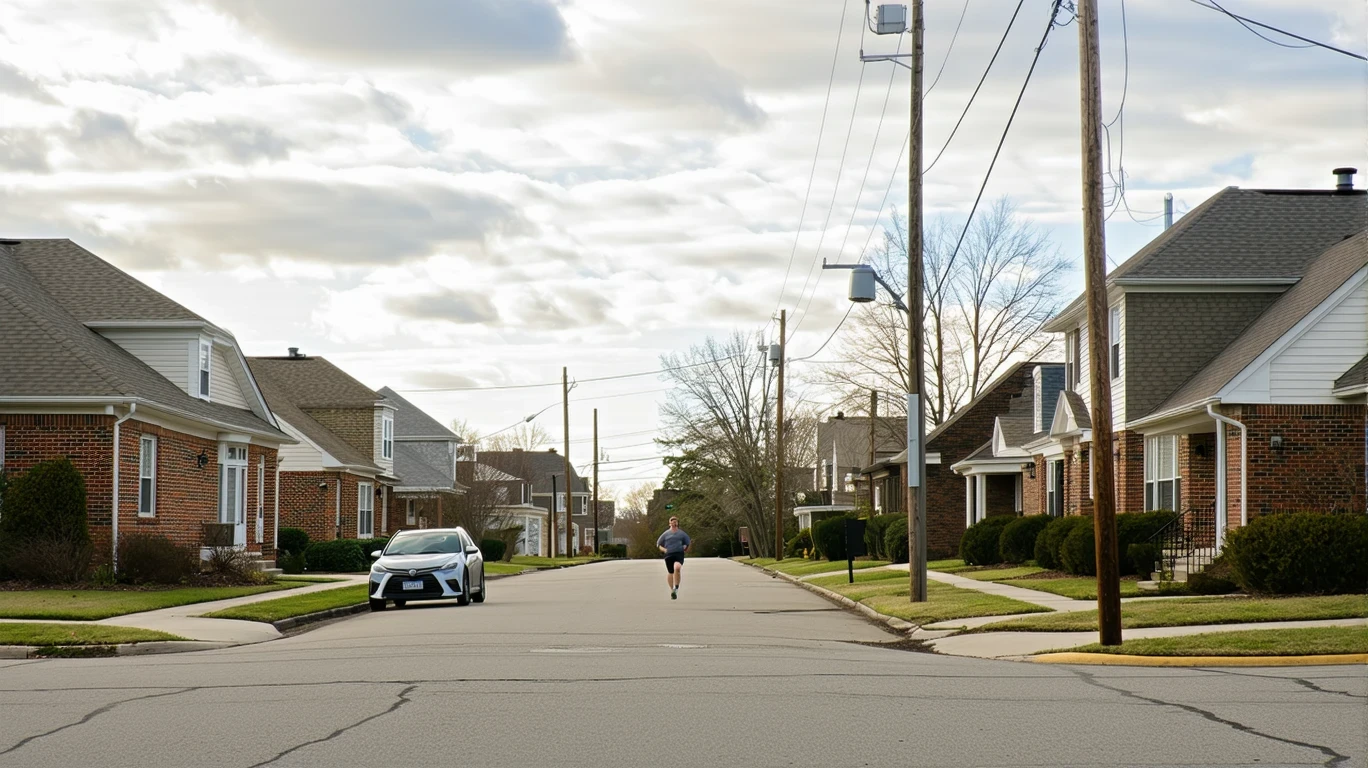
Duluth and Smyrna sit within the same Atlanta metro sprawl, close enough to share weather patterns and regional job markets, yet structured differently enough that the same household income produces distinct day-to-day experiences. Both cities attract families, commuters, and professionals looking for suburban stability without leaving the metro orbit. The decision between them in 2026 isn’t about which costs less overall—it’s about where cost pressure concentrates, how predictable monthly obligations feel, and which household logistics become friction points versus conveniences.
This comparison explains how housing entry barriers, utility exposure, errands accessibility, and transportation dependence differ between Duluth and Smyrna. It focuses on mechanism, not math: where costs show up, how they behave over time, and which households feel those differences most acutely. The better choice depends entirely on which cost categories dominate your household’s budget sensitivity and which lifestyle tradeoffs you’re willing to navigate.
Meet the Chens, a fictional family debating this exact move. Maya works remotely three days a week; Jordan commutes to Buckhead. Their two kids are in elementary school. They’re weighing Duluth’s lower home prices against Smyrna’s denser errands infrastructure and trying to figure out whether saving on entry costs is worth the trade in daily convenience and time budget.
Housing Costs
Duluth’s median home value sits at $334,800, while Smyrna’s reaches $380,100—a meaningful gap that affects down payment requirements, mortgage qualification, and long-term equity exposure. For first-time buyers or households stretching to enter ownership, Duluth’s lower entry threshold reduces the initial cash barrier and may open access to single-family homes that would require higher income verification in Smyrna. However, this difference reflects market structure, not a universal advantage: Smyrna’s higher home values correspond to neighborhoods with denser amenities, stronger school infrastructure signals, and more integrated park access, all of which can reduce household logistics costs over time even if the mortgage payment runs higher.
Rental markets flip the script. Duluth’s median gross rent stands at $1,675 per month, while Smyrna’s comes in at $1,553 per month. For renters, Smyrna offers lower monthly housing obligations despite the higher ownership entry point, a pattern common in suburbs where rental stock skews toward older apartment complexes or smaller units while newer single-family construction drives up purchase prices. Renters in Smyrna gain access to broadly accessible errands infrastructure and integrated green space without paying the premium that homeowners face. Renters in Duluth pay more per month but may find more single-family rental options or larger floor plans in neighborhoods where ownership costs remain accessible.
Housing type matters as much as tenure. Duluth’s mixed building height character and corridor-clustered errands pattern suggest a suburban layout where single-family homes dominate and apartments cluster near commercial strips. Smyrna’s low-rise character combined with high food and grocery density indicates a more evenly distributed mix of housing forms, where townhomes, duplexes, and small apartment buildings sit closer to daily destinations. Families prioritizing yard space and separation from neighbors may prefer Duluth’s layout; households prioritizing walkable errands and reduced car dependency for short trips may find Smyrna’s structure more practical, even if the home price runs higher.
Housing takeaway: First-time buyers face lower entry barriers in Duluth, while renters find lower monthly obligations in Smyrna. Families sensitive to long-term equity growth and willing to manage higher monthly payments may prefer Smyrna’s access to denser amenities. Households prioritizing immediate affordability and traditional suburban layouts may find Duluth’s housing market easier to navigate, though renters pay a premium for that access.
Utilities and Energy Costs
Utility rate structures create ongoing cost differences that accumulate over years of occupancy. Duluth’s electricity rate sits at 13.67¢/kWh, while Smyrna’s reaches 14.42¢/kWh—a gap that compounds with household size, home age, and cooling season intensity. Both cities experience the same Atlanta-area climate: long, humid summers that drive air conditioning usage from May through September, and mild winters where heating needs remain modest. The rate difference means that identical usage patterns—same square footage, same thermostat settings, same appliance load—produce higher monthly bills in Smyrna purely due to the per-unit cost structure.
Natural gas pricing follows the same pattern. Duluth’s rate of $16.56/MCF runs lower than Smyrna’s $18.94/MCF, affecting households that rely on gas for heating, water heating, or cooking. In this region, natural gas heating remains secondary to electric heat pumps in newer construction, but older single-family homes—more common in Duluth’s housing stock—often retain gas furnaces and water heaters. Families moving into older homes in either city should expect natural gas bills during winter months, with Smyrna’s higher rate increasing exposure for the same usage volume.
Housing form amplifies or dampens these rate differences. Smyrna’s low-rise character and mixed land use suggest more attached housing—townhomes, duplexes, small apartment buildings—where shared walls reduce heating and cooling loads. Duluth’s mixed building height and single-family dominance mean more detached homes with greater exterior surface area, higher baseline energy consumption, and more pronounced seasonal swings. A family in a 2,000-square-foot detached home in Duluth may experience lower per-unit rates but higher total usage than a similar household in a 1,500-square-foot townhome in Smyrna, making direct rate comparisons less predictive than housing type and age.
Utility takeaway: Duluth offers lower electricity and natural gas rates, reducing per-unit costs for identical usage. Smyrna’s higher rates increase exposure for larger homes and households with high cooling or heating demands. Families moving into older, detached single-family homes face more volatility in both cities, but Duluth’s lower rates provide a modest buffer. Households in newer, attached housing may find Smyrna’s rate difference less impactful due to reduced baseline consumption.
Groceries and Daily Expenses

Both Duluth and Smyrna share the same regional price parity index of 101, meaning grocery staples, household goods, and everyday items cost roughly the same at checkout when comparing identical products at identical store types. The meaningful difference lies not in prices but in access density and the time cost of running errands. Smyrna’s experiential signals show high food and grocery density, indicating that households can reach multiple grocery options, pharmacies, and convenience stores within short drives or, in some neighborhoods, on foot. Duluth’s corridor-clustered pattern means grocery stores and daily errands destinations concentrate along major commercial strips, requiring more intentional trip planning and longer drives from residential areas.
This structural difference affects household logistics more than it affects per-item spending. In Smyrna, a parent can swing by a grocery store on the way home from school pickup, grab a forgotten ingredient before dinner, or walk to a pharmacy for a prescription refill without dedicating a separate car trip. In Duluth, the same errands require bundling into a single weekly shopping trip or accepting that forgotten items mean a 15-minute round trip to the nearest commercial corridor. For dual-income households managing tight schedules, Smyrna’s density reduces planning burden and time cost; for households with flexible schedules or a preference for bulk shopping trips, Duluth’s layout imposes less friction.
Dining out and convenience spending follow similar patterns. Smyrna’s broadly accessible food density suggests more restaurants, coffee shops, and takeout options within easy reach, increasing the temptation—and convenience—of substituting prepared food for home cooking. Duluth’s corridor clustering means dining options exist but require deliberate trips, naturally reducing impulse spending on meals out. Families sensitive to lifestyle creep may find Duluth’s layout helpful in maintaining grocery discipline; households that value spontaneous dining flexibility or rely on takeout to manage busy weeknights may prefer Smyrna’s denser food access, even if it increases monthly spending.
Groceries takeaway: Prices remain comparable due to shared regional price parity, but access structure differs meaningfully. Smyrna’s high food and grocery density reduces time cost and planning burden, fitting households that prioritize convenience and flexibility. Duluth’s corridor-clustered pattern requires more intentional errands routing, fitting households that prefer bulk shopping trips and lower exposure to impulse dining spending.
Taxes and Fees
Both Duluth and Smyrna sit within Gwinnett and Cobb counties respectively, each with distinct property tax structures, millage rates, and local fee environments. Property taxes represent the largest recurring tax obligation for homeowners, and while exact rates depend on assessed values and local millage, the higher home values in Smyrna generally translate to higher annual property tax bills for comparable square footage and lot size. Renters don’t pay property taxes directly, but landlords pass those costs through in rent pricing, meaning Smyrna’s lower rent partially reflects how property tax exposure distributes across the rental market versus the ownership market.
Local fees—trash collection, water and sewer, stormwater management—vary by municipality and housing type. Single-family homeowners in both cities typically pay these fees separately from mortgage or rent, while apartment dwellers often see them bundled into rent. Homeowners associations add another layer: newer subdivisions in both Duluth and Smyrna may carry HOA fees ranging from modest landscaping assessments to comprehensive packages covering exterior maintenance, amenity access, and insurance. Families evaluating specific neighborhoods should verify whether HOA fees exist and what they cover, as these obligations can add meaningful monthly costs that don’t appear in home price or rent comparisons.
Sales taxes in Georgia apply uniformly across the metro area for most goods, but local option sales taxes (LOST) and special purpose local option sales taxes (SPLOST) can create small differences in effective rates depending on jurisdiction. These differences rarely exceed a percentage point and affect all households equally based on consumption patterns rather than housing tenure. Households that spend more on taxable goods—furniture, electronics, vehicles—feel sales tax exposure more acutely, but the difference between Duluth and Smyrna remains marginal compared to housing, utilities, and transportation.
Taxes and fees takeaway: Smyrna’s higher home values generally produce higher property tax bills for homeowners, though renters benefit from lower monthly rent that partially offsets landlord tax costs. Duluth’s lower home values reduce property tax exposure for owners but result in higher rent for tenants. HOA fees vary by neighborhood in both cities and can meaningfully affect monthly obligations. Sales tax differences remain minimal and affect households based on consumption volume rather than location choice.
Transportation & Commute Reality
Both Duluth and Smyrna show mixed mobility texture with medium pedestrian-to-road ratios, indicating suburban layouts where walking remains possible in pockets but car ownership dominates daily transportation. The key difference: Smyrna’s experiential signals confirm bus service presence, while Duluth shows no transit signal, meaning Smyrna households have at least a baseline public transportation option for commutes or errands, even if service frequency and route coverage remain limited. For households trying to manage with one vehicle or avoid car dependency entirely, Smyrna’s bus access provides a fallback that Duluth lacks.
Gas prices sit nearly identical—$2.79/gal in Duluth versus $2.71/gal in Smyrna—a difference too small to meaningfully affect monthly fuel budgets for typical commuters. What matters more is commute distance and frequency. Both cities serve as bedroom communities for the broader Atlanta metro, meaning many residents commute to Midtown, Buckhead, or Perimeter Center job hubs. Smyrna’s location closer to I-285 and I-75 may shorten drive times to central Atlanta employment centers, reducing fuel consumption and wear-and-tear costs even at identical per-gallon prices. Duluth’s position farther northeast means longer commutes to the same job centers, increasing time cost and fuel exposure for households with daily office requirements.
Errands accessibility compounds transportation pressure. Smyrna’s broadly accessible food and grocery density means households can accomplish daily errands with short, local trips, reducing total miles driven per week even if commuting distances remain fixed. Duluth’s corridor-clustered pattern requires longer errands trips and more deliberate routing, adding mileage and time to weekly household logistics. For families managing school pickups, grocery runs, and activity shuttling, Smyrna’s denser layout reduces the cumulative transportation burden; for households with flexible schedules or remote work arrangements, Duluth’s layout imposes less friction.
Transportation takeaway: Gas prices remain comparable, but commute distance and errands structure differ meaningfully. Smyrna’s bus service presence and denser errands accessibility reduce car dependency and total miles driven for households managing tight schedules. Duluth’s lack of transit and corridor-clustered layout increase car reliance and time cost for daily logistics. Households with remote work flexibility or a preference for bundled errands trips may find Duluth’s structure manageable; dual-income families juggling commutes and school schedules may prefer Smyrna’s reduced transportation friction.
Cost Structure Comparison
Housing pressure concentrates differently in each city. Duluth presents a lower entry barrier for homeownership, making it easier for first-time buyers to qualify for mortgages and accumulate down payments. Smyrna’s higher home values create a steeper ownership threshold but reward renters with lower monthly obligations, a trade that favors households still building savings or uncertain about long-term tenure. Families planning to stay five-plus years and prioritizing equity growth may accept Smyrna’s higher entry cost; households prioritizing immediate ownership access or traditional suburban layouts may find Duluth’s market more navigable.
Utilities introduce more predictable cost differences. Duluth’s lower electricity and natural gas rates reduce per-unit costs for identical usage, benefiting larger households, older homes, and families with high cooling or heating demands. Smyrna’s higher rates increase exposure for the same consumption patterns, though housing form—more attached, low-rise construction—may offset some of that difference through reduced baseline usage. Households moving into detached single-family homes face more volatility in both cities, but Duluth’s rate structure provides a modest buffer against seasonal swings.
Daily living costs—groceries, dining, convenience spending—remain comparable in price but differ sharply in access structure. Smyrna’s high food and grocery density reduces time cost and planning burden, fitting households that value spontaneous errands flexibility and frequent dining out. Duluth’s corridor-clustered pattern requires more intentional trip planning and naturally discourages impulse spending, fitting households that prefer bulk shopping routines and tighter control over discretionary food budgets. Neither structure costs more in absolute terms, but they reward different household management styles.
Transportation patterns matter more than transportation prices. Smyrna’s bus service presence, denser errands accessibility, and proximity to central Atlanta job hubs reduce total miles driven and time spent managing logistics. Duluth’s lack of transit, longer commute distances, and spread-out errands destinations increase car dependency and cumulative transportation burden. For dual-income families managing school schedules and tight weeknight windows, Smyrna’s structure reduces friction; for remote workers or households with flexible schedules, Duluth’s layout imposes less constraint.
The better choice depends on which costs dominate your household. Households sensitive to housing entry barriers and utility rate exposure may prefer Duluth’s lower thresholds and reduced per-unit costs. Households sensitive to time cost, errands convenience, and transportation logistics may prefer Smyrna’s denser structure and transit access, even if ownership entry runs higher. For renters, Smyrna offers lower monthly obligations and better daily accessibility; for buyers prioritizing immediate affordability, Duluth offers easier market entry and traditional suburban form.
How the Same Income Feels in Duluth vs Smyrna
Single Adult
Rent becomes the first non-negotiable, and Smyrna’s lower median rent creates more breathing room for discretionary spending or savings. Flexibility exists in dining and entertainment, but Smyrna’s denser food access increases temptation to substitute takeout for home cooking. Duluth’s higher rent tightens the budget earlier, but corridor-clustered errands naturally limit impulse spending. Commute friction matters more in Duluth for single adults working in central Atlanta, as longer drive times reduce evening flexibility and increase fuel exposure without the offsetting benefit of family-oriented amenities.
Dual-Income Couple
Housing costs dominate, but the trade between ownership entry and monthly rent creates different pressure points. In Smyrna, higher home values delay ownership but lower rent preserves cash flow for other priorities; in Duluth, lower home values accelerate ownership timelines but higher rent makes saving for a down payment slower. Flexibility exists in transportation—both partners likely own cars—but Smyrna’s bus access provides a fallback if one vehicle needs repair or replacement. Time cost becomes more visible in Duluth, where errands require longer trips and more planning, compressing weeknight schedules for couples managing two commutes.
Family with Kids
Housing space needs become non-negotiable, and Duluth’s lower home values make single-family ownership more accessible for families prioritizing yards and room separation. Flexibility disappears in transportation—school pickups, activity shuttles, and errands require constant car use in both cities, but Smyrna’s denser layout reduces total miles driven and time spent managing logistics. Smyrna’s strong family infrastructure signals—both schools and playgrounds meeting density thresholds—suggest shorter distances to parks and recreational spaces, reducing weekend planning burden. Duluth’s present family infrastructure still supports family life but requires more intentional routing to access the same amenities, increasing time cost for households managing multiple kids’ schedules.
Decision Matrix: Which City Fits Which Household?
| Decision factor | If you’re sensitive to this… | Duluth tends to fit when… | Smyrna tends to fit when… |
|---|---|---|---|
| Housing entry + space needs | Down payment size, mortgage qualification, yard space priority | You’re buying your first home and need lower entry barriers or prefer traditional detached single-family layouts | You’re renting and want lower monthly obligations or you’re buying long-term and value denser amenities access over immediate affordability |
| Transportation dependence + commute friction | Commute distance, time budget, car dependency, transit fallback | You work remotely or have flexible schedules that reduce daily commute pressure and allow bundled errands trips | You commute to central Atlanta job hubs daily or manage tight weeknight schedules that benefit from shorter drive times and bus access |
| Utility variability + home size exposure | Seasonal bill swings, cooling costs, older home energy consumption | You’re moving into a larger or older detached home where lower per-unit rates reduce exposure to high summer cooling bills | You’re moving into newer or attached housing where shared walls and smaller square footage offset higher per-unit rates |
| Grocery strategy + convenience spending creep | Impulse dining spending, errands planning burden, takeout frequency | You prefer bulk shopping routines and want layout structure that naturally limits spontaneous dining spending | You value errands flexibility and want short trips to grocery stores, pharmacies, and restaurants without dedicated planning |
| Fees + friction costs (HOA, services, upkeep) | Property taxes, HOA assessments, recurring service fees | You’re buying and want lower home values that reduce annual property tax bills and limit HOA exposure in older neighborhoods | You’re renting and benefit from landlords absorbing property tax costs, or you’re buying in newer neighborhoods where HOA fees bundle services |
| Time budget (schedule flexibility, errands, logistics) | Weeknight windows, school pickup coordination, weekend errands efficiency | You have flexible work schedules or prefer dedicating specific time blocks to errands rather than integrating them into daily routines | You manage multiple schedules and need errands infrastructure that allows quick stops without disrupting tight weeknight windows |
Lifestyle Fit
Both Duluth and Smyrna offer suburban stability within the Atlanta metro, but their experiential structures create different day-to-day rhythms. Smyrna’s integrated green space access—high park density combined with water features—means families can reach playgrounds, walking trails, and outdoor recreation without driving across town. Duluth’s present green space access still supports outdoor activity but requires more intentional planning to reach parks and trails, a difference that compounds for families managing multiple kids’ weekend schedules. Both cities show mixed land use, meaning residential neighborhoods sit near commercial corridors, but Smyrna’s broadly accessible food and grocery density makes that proximity more functional for daily errands, while Duluth’s corridor-clustered pattern keeps residential and commercial zones more separated.
Commute culture differs subtly. Smyrna’s location closer to I-285 and I-75 makes it a practical base for professionals working in Midtown, Buckhead, or the Perimeter Center office clusters, with drive times that remain manageable even during peak hours. Duluth’s position farther northeast extends commute times to the same job centers, making it a better fit for households with remote work flexibility or jobs located in the northern suburbs. Both cities show hospital presence and pharmacy access, meaning routine healthcare needs remain locally accessible, but families managing chronic conditions or frequent specialist visits may find Smyrna’s proximity to central Atlanta medical hubs more convenient.
Cultural and recreational amenities reflect each city’s size and density. Smyrna’s stronger family infrastructure signals—both schools and playgrounds meeting density thresholds—suggest more frequent opportunities for spontaneous park visits and neighborhood play without coordinating playdates or driving to dedicated facilities. Duluth’s present family infrastructure still supports family life but may require more planning to access the same density of kid-friendly spaces. Both cities offer suburban safety, good schools, and access to Atlanta’s broader cultural scene, but Smyrna’s denser layout and transit presence make spontaneous trips to restaurants, events, or entertainment more practical, while Duluth’s structure rewards households that prefer quieter, more separated residential zones.
Quick fact: Smyrna’s low-rise building character and high park density create a walkable-pockets feel in parts of the city, while Duluth’s mixed building height and corridor-clustered errands maintain a more traditional suburban separation between residential and commercial zones.
Quick fact: Both cities share the same regional unemployment rate of 3.2%, indicating stable job markets and similar economic conditions across the Atlanta metro.
Frequently Asked Questions
Is Smyrna or Duluth cheaper for renters in 2026?
Smyrna offers lower median gross rent at $1,553 per month compared to Duluth’s $1,675 per month, making it the more affordable option for renters on a monthly basis. However, Smyrna’s higher home values mean the rental market may skew toward older apartment complexes or smaller units, while Duluth’s rental stock may include more single-family options or larger floor plans. Renters prioritizing lower monthly obligations and denser errands accessibility will find Smyrna more practical; renters seeking larger spaces or traditional suburban layouts may prefer Duluth despite the higher rent.
Which city has lower utility bills, Duluth or Smyrna, in 2026?
Duluth shows lower electricity rates at 13.67¢/kWh compared to Smyrna’s 14.42¢/kWh, and lower natural gas prices at $16.56/MCF versus Smyrna’s $18.94/MCF. For identical usage patterns, Duluth produces lower utility bills. However, housing type matters as much as rates: Smyrna’s low-rise character and more attached housing may reduce baseline consumption through shared walls and smaller square footage, partially offsetting the higher per-unit costs. Families moving into larger, detached homes will feel Duluth’s rate advantage more clearly; households in newer, attached housing may find the difference less impactful.
Is it easier to buy a home in Duluth or Smyrna in 2026?
Duluth’s median home value of $334,800 creates a lower entry barrier compared to Smyrna’s $380,100, making it easier for first-time buyers to qualify for mortgages and accumulate down payments. Smyrna’s higher home values correspond to neighborhoods with denser amenities and stronger family infrastructure signals, which may justify the higher cost for families planning long-term stays. Buyers prioritizing immediate ownership access and lower monthly mortgage payments will find Duluth more navigable; buyers willing to stretch for denser errands accessibility and integrated outdoor spaces may prefer Smyrna despite the steeper entry threshold.
Does Smyrna or Duluth require more driving for errands in 2026?
Duluth’s corridor-clustered errands accessibility means grocery stores, pharmacies, and daily destinations concentrate along major commercial strips, requiring more intentional trip planning and longer drives from residential areas. Smyrna’s broadly accessible food and grocery density allows households to reach multiple errands destinations with short trips or, in some neighborhoods, on foot. For families managing tight weeknight schedules or juggling multiple kids’ activities, Smyrna’s denser layout reduces time cost and planning burden. Households with flexible schedules or a preference for bulk shopping trips may find Duluth’s structure less constraining.
Which city is better for families with kids, Duluth or Smyrna, in 2026?
Smyrna shows stronger family infrastructure signals, with both school density and playground density meeting thresholds, plus integrated green space access that makes outdoor recreation more spontaneous and less planning-intensive. Duluth shows present family infrastructure, meaning schools and parks exist but require more intentional routing to access the same density of kid-friendly spaces. Families prioritizing lower home prices and traditional suburban layouts may prefer Duluth’s housing market; families prioritizing shorter distances to parks, playgrounds, and schools may find Smyrna’s denser structure more practical for managing daily logistics, even if ownership entry costs run higher.
Conclusion
Duluth and Smyrna offer distinct suburban experiences within the same Atlanta metro, shaped more by where cost pressure concentrates than by which city costs less overall. Duluth fits households prioritizing lower housing entry barriers, reduced utility rates, and traditional suburban layouts where residential and commercial zones remain separated. First-time buyers, families seeking yard space, and households with flexible work schedules that reduce commute friction will find Duluth’s structure more navigable. Smyrna fits households prioritizing lower monthly rent, denser errands accessibility, and reduced transportation logistics burden. Renters, dual-income families managing tight weeknight schedules, and households with kids who value spontaneous access to parks and playgrounds will find Smyrna’s integrated structure more practical, even if ownership entry costs run higher.
The Chens ultimately chose Smyrna. Maya’s remote work flexibility meant commute distance mattered less, and Jordan’s Buckhead office sat closer to Smyrna’s I-285 access. The lower rent freed up cash flow for their kids’ activities, and the denser errands infrastructure reduced the weeknight planning burden that had exhausted them in their previous suburb. They accepted the higher home values as a future challenge, knowing that for now, Smyrna’s structure fit their household’s