
Before you sign a lease or close on a home in Decatur, make sure you’ve accounted for the utilities most newcomers underestimate: summer cooling costs, water tiering structures, and whether trash is bundled or billed separately. These line items don’t appear on the purchase agreement, but they shape your monthly cash flow from day one.
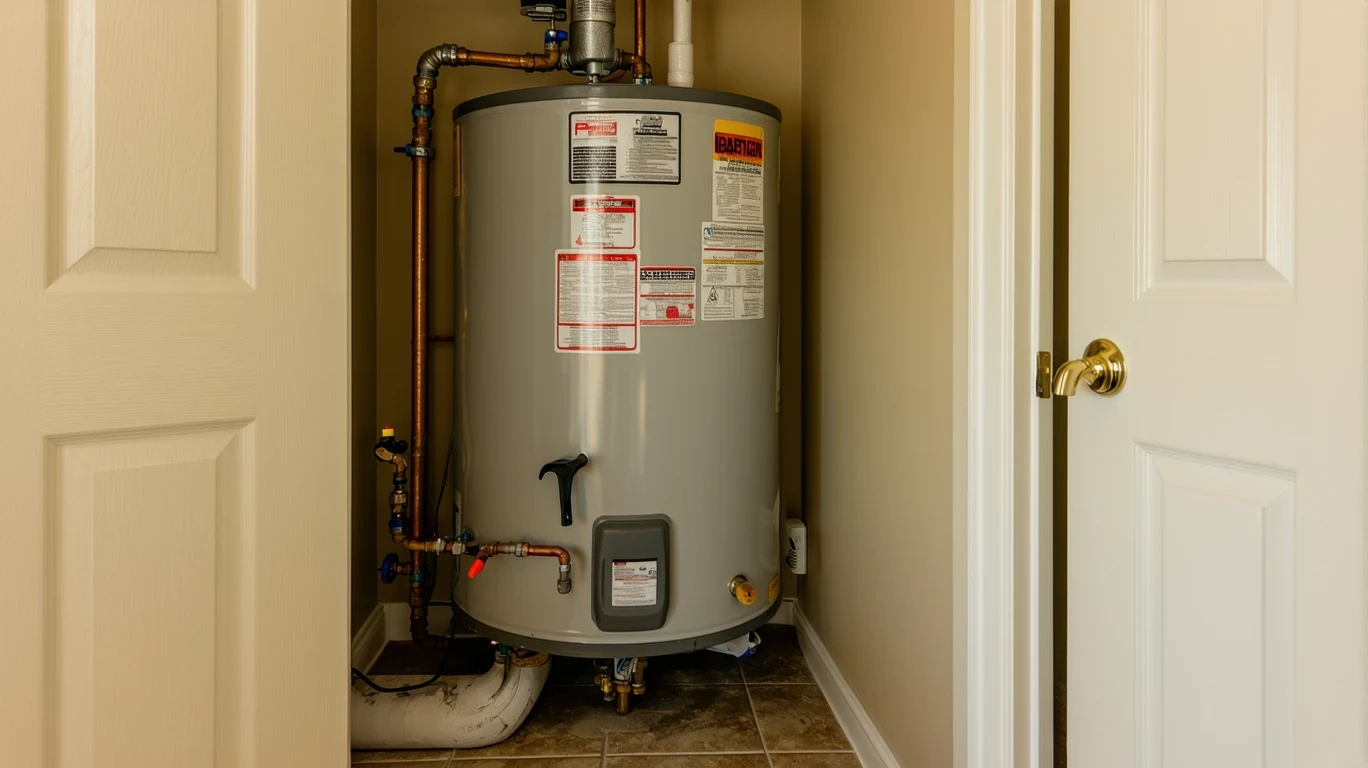
Understanding Utilities in Decatur
When planning a household budget in Decatur, utilities represent the second-largest recurring expense after housing. Unlike rent or a mortgage payment, utility costs fluctuate month to month based on weather, usage habits, and the efficiency of your home. For families moving to Decatur in 2026, understanding how these bills behave—and what drives them—turns an unpredictable expense into a manageable one.
Utility costs in Decatur typically include electricity, water, natural gas, trash collection, and recycling. In single-family homes, these services are usually billed separately by municipal providers or private utilities. In apartments and condos, some costs may be bundled into rent or HOA fees, while others remain the tenant’s responsibility. Knowing which bills you’ll receive directly, and which are included, is essential before move-in day.
For households relocating from other regions, Decatur’s utility structure reflects broader patterns common across metro Atlanta suburbs. Electricity dominates summer months due to extended cooling seasons and high humidity. Natural gas plays a smaller role, primarily for heating during Georgia’s mild winters. Water and trash costs vary by provider and neighborhood, with some areas offering tiered pricing that rewards conservation. Understanding these dynamics helps newcomers avoid bill shock and budget with confidence.
Utilities at a Glance in Decatur
The table below shows how core utility costs typically behave for a mid-size household in a single-family home in Decatur. Where city-level prices are available in the data feed, they are shown directly. When exact figures are not provided, categories are described qualitatively to reflect how costs are structured and what drives variability.
| Utility | Cost Structure |
|---|---|
| Electricity | ~$144 illustrative (based on 1,000 kWh at 14.42¢/kWh, before fees) |
| Water | Tiered pricing; usage-dependent |
| Natural Gas | Winter-driven; heating-dependent |
| Trash & Recycling | Bundled with water or HOA in many neighborhoods |
| Total | Seasonal variability driven by electricity and heating |
This table reflects utility cost structure for a mid-size household in a single-family home in Decatur during 2026. Where exact figures are not provided in the IndexYard data feed, categories are described directionally to reflect how costs behave rather than a receipt-accurate total.
Electricity is billed per kilowatt-hour in Decatur, with rates currently at 14.42¢/kWh. For a household using around 1,000 kWh per month—common in a mid-size single-family home with central air conditioning—the base charge before fees and taxes would run approximately $144. Actual bills vary widely depending on home size, insulation quality, thermostat settings, and seasonal weather. Summer months see the highest usage due to extended cooling demands, while spring and fall offer relief.
Water costs in Decatur are typically structured with tiered pricing, meaning the more you use, the higher the per-unit rate climbs. Households that irrigate lawns, fill pools, or run older appliances face steeper bills than those practicing conservation. Many neighborhoods bundle water with trash collection, so your total “water bill” may include multiple services under one invoice.
Natural gas is primarily a winter expense in Decatur, used for heating, water heaters, and gas ranges. Georgia’s mild winters mean natural gas bills remain modest compared to colder climates, but homes relying on gas furnaces will see noticeable increases from December through February. Homes without gas service use electric heating, shifting that cost onto the electricity line instead.
Trash and recycling services in Decatur are often bundled with water bills or included in HOA fees, particularly in planned communities and newer subdivisions. Standalone single-family homes outside HOA boundaries may receive separate invoices from municipal or private waste haulers. Costs are generally stable month to month, with occasional adjustments for service tier or bin size.
How Weather Impacts Utilities in Decatur
Decatur’s climate plays an outsized role in shaping utility costs throughout the year. Summers are long, hot, and humid, with temperatures regularly climbing into the low 90s and heat indices pushing higher. Air conditioning isn’t optional—it’s a necessity for comfort and safety. Households running central AC systems from May through September see their electricity usage spike, often doubling or tripling compared to milder months. Humidity compounds the challenge, as HVAC systems work harder to remove moisture from indoor air, extending runtime and driving up kilowatt-hour consumption.
Winters in Decatur are mild by national standards, with only occasional freezing nights and minimal snow. Natural gas heating costs remain modest, and many homes rely on electric heat pumps or resistance heating instead. This shifts winter energy costs back onto the electricity bill rather than creating a separate gas heating surge. The result is a utility calendar dominated by summer cooling exposure, with smaller secondary peaks in winter depending on your heating system.
Spring and fall offer the most predictable and affordable utility months in Decatur. With moderate temperatures and lower humidity, households can reduce or eliminate HVAC usage, allowing electricity bills to drop to baseline levels. Many Decatur residents describe these shoulder seasons as financial breathing room, a chance to recover from summer highs before winter heating begins. One regional quirk worth noting: Georgia’s extended pollen season can keep windows closed longer than expected, nudging households back toward air conditioning earlier in spring than the calendar might suggest.
How to Save on Utilities in Decatur
Reducing utility costs in Decatur starts with understanding what drives your bills and where you have control. Electricity dominates household utility exposure, so targeting cooling efficiency delivers the most immediate impact. Simple behavioral changes—raising the thermostat a few degrees, using ceiling fans to circulate air, and closing blinds during peak sun—reduce runtime without sacrificing comfort. Homes with programmable or smart thermostats can automate these adjustments, lowering usage during work hours and overnight.
Beyond behavior, infrastructure upgrades offer long-term savings. Improving insulation, sealing air leaks around windows and doors, and upgrading to high-efficiency HVAC systems all reduce the amount of energy required to maintain indoor temperatures. Many utility providers in the metro Atlanta area offer rebates or incentive programs for energy-efficient appliances, smart thermostats, and HVAC replacements. Solar panel adoption is growing in Georgia, supported by federal tax credits and net metering policies that allow homeowners to offset grid usage with rooftop generation.
For water and gas, conservation strategies focus on usage patterns rather than rates. Low-flow showerheads, efficient washing machines, and mindful irrigation practices lower water consumption and push households into cheaper pricing tiers. Gas water heaters and furnaces benefit from regular maintenance, ensuring they operate efficiently and avoid costly mid-season failures. Some providers offer budget billing programs that spread costs evenly across the year, smoothing out seasonal spikes and making monthly planning easier.
- Enroll in off-peak or time-of-use billing programs if your provider offers them
- Check for state and federal solar incentives before installing rooftop panels
- Install a smart thermostat and program it to reduce cooling during unoccupied hours
- Plant shade trees on south- and west-facing sides of your home to reduce solar heat gain
- Upgrade to ENERGY STAR-rated appliances when replacing older units
- Request a home energy audit to identify insulation gaps and air leaks
- Use ceiling fans to circulate air and reduce reliance on AC
- Consider a tankless water heater to eliminate standby energy loss
🏆 Tip: Check if your provider in Decatur offers rebates for energy-efficient AC units or heating systems—many metro Atlanta utilities run seasonal incentive programs that can offset hundreds of dollars in upgrade costs.
FAQs About Utility Costs in Decatur
Why are utility bills so high in Decatur during the summer?
Summer bills spike because Decatur’s extended cooling season and high humidity force air conditioning systems to run longer and work harder. Homes with poor insulation, older HVAC units, or large square footage see the steepest increases, sometimes doubling or tripling spring costs.
Do HOAs in Decatur usually include trash or water in their fees?
Many planned communities and newer subdivisions in Decatur bundle trash, recycling, and sometimes water into HOA fees, but this varies widely by neighborhood. Older single-family areas outside HOA boundaries typically receive separate bills from municipal or private providers.
How does seasonal weather affect monthly utility bills in Decatur?
Summer cooling dominates Decatur’s utility calendar, with electricity bills peaking from May through September. Winters are mild, so heating costs remain modest whether you use natural gas or electric systems. Spring and fall offer the lowest bills, as HVAC usage drops to near zero.
Does Decatur offer incentives for solar panels or energy-efficient appliances?
Georgia supports solar adoption through federal tax credits and net metering policies, and many metro Atlanta utility providers offer rebates for high-efficiency HVAC systems, smart thermostats, and ENERGY STAR appliances. Availability and amounts vary by provider, so check directly with your utility before purchasing.
Are trash and recycling billed separately in Decatur or included with water service?
It depends on your neighborhood. Many areas bundle trash and recycling with water bills, while others receive separate invoices from waste haulers. HOA-managed communities often include these services in monthly dues, so review your lease or closing documents carefully.
How Utilities Fit Into the Cost Structure in Decatur
Utilities in Decatur function as a secondary but significant cost driver, sitting between housing and transportation in most household budgets. Unlike rent or mortgage payments, which remain fixed month to month, utility bills fluctuate with weather, usage, and home efficiency. This variability makes them harder to predict but also more controllable. Households that invest in insulation, upgrade HVAC systems, and adjust behavior during peak seasons can reduce exposure without relocating or changing housing tenure.
Because Decatur’s layout is car-oriented and daily errands require driving to reach grocery stores and services, most households already face transportation fuel costs as a recurring line item. Utilities add a second layer of exposure, particularly during summer months when cooling dominates. Together, these variable costs shape cash flow in ways that fixed housing payments do not. Understanding how utilities behave—and where you have leverage—turns an unpredictable expense into a manageable one.
For a fuller picture of how utilities interact with housing, transportation, and other recurring expenses in Decatur, explore Monthly Spending in Decatur: The Real Pressure Points. If you’re weighing Decatur against other metro Atlanta suburbs or trying to understand The Real Cost Pressures in Decatur, those resources provide the broader context utilities alone can’t capture. Utility costs matter, but they’re one piece of a larger financial structure—plan accordingly, and you’ll avoid surprises when the first bill arrives.
How this article was built: In addition to public economic data, this article incorporates location-based experiential signals derived from anonymized geographic patterns—such as access density, walkability, and land-use mix—to reflect how day-to-day living actually feels in Decatur, GA.
—