
What does it actually feel like to live in Decatur, GA day to day? For some, it’s the relief of space and quiet after years in denser neighborhoods. For others, it’s the surprise of how much driving is required to pick up groceries or meet a friend. Decatur sits in an interesting emotional space—close enough to Atlanta to feel connected, but far enough out that daily life operates on a different rhythm. The people who thrive here tend to be those who’ve made peace with the car, who value residential calm over spontaneous walkability, and who don’t mind a little logistical planning in exchange for affordability and elbow room.
The friction tends to show up for households expecting urban texture or small-town walkability. Despite the low-rise character and mixed land use that hint at a more integrated community, the infrastructure on the ground is car-oriented. Errands require intention. Parks and playgrounds are present but sparse. Schools exist, but the density doesn’t match what families moving from more established suburbs might expect. It’s not a mismatch of quality—it’s a mismatch of structure. And that gap between expectation and reality is where most of the emotional tension lives.
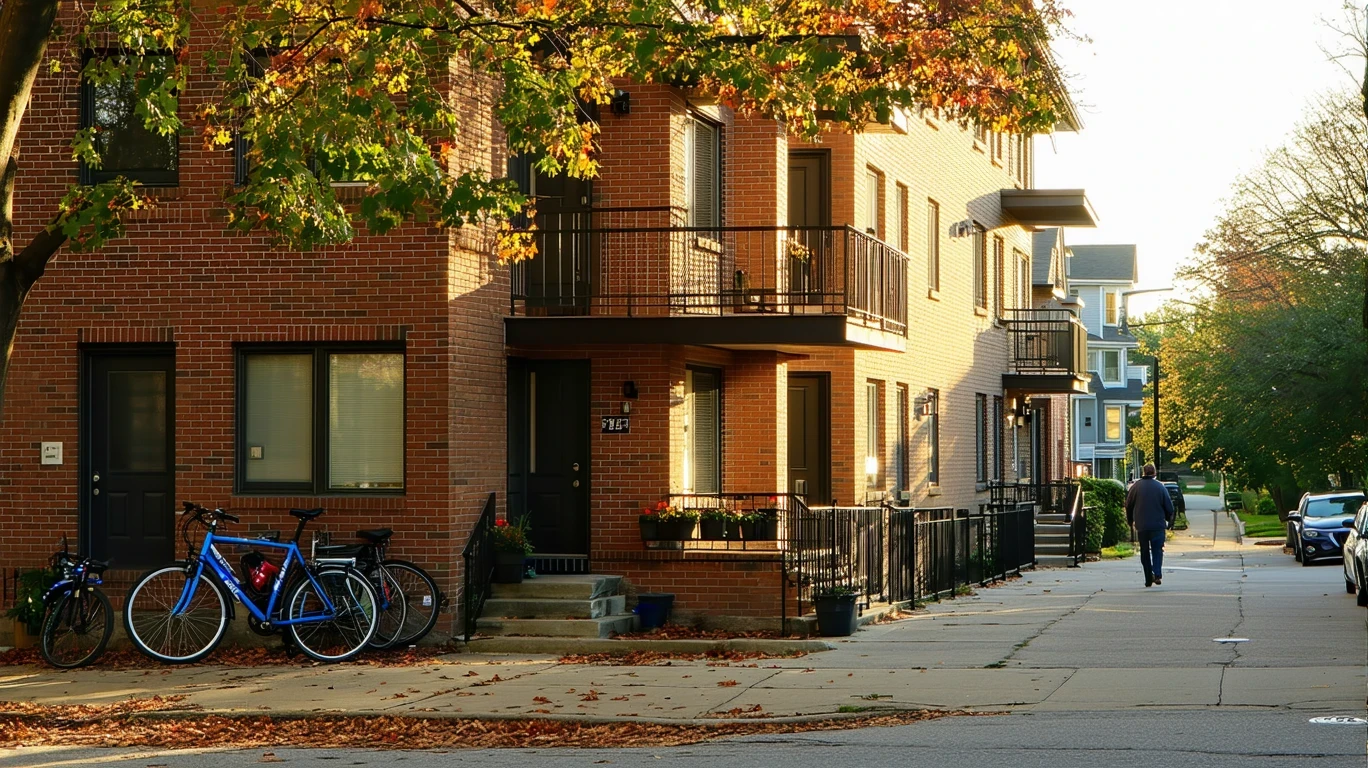
What the Conversation Sounds Like Online
In local Facebook groups and on Reddit threads about metro Atlanta suburbs, Decatur comes up often as a “quiet option” or a “starter suburb.” The tone is generally positive but tempered. People praise the breathing room, the relative affordability compared to Brookhaven or Decatur proper (the city, not the broader area), and the sense that you’re not on top of your neighbors. But there’s also a recurring thread of mild disappointment—especially from newcomers who assumed “Decatur” would mean walkable streets, corner cafes, and weekend farmers markets within strolling distance.
“We thought we’d be able to walk to things, but it’s really a driving neighborhood. Everything’s spread out.”
“It’s peaceful, and that’s what we wanted. But if you forget something at the store, it’s a whole trip.”
“Good for families who want space. Not great if you’re used to having options right outside your door.”
The discussion tends to center on tradeoffs: space vs. convenience, affordability vs. amenity access, quiet vs. vibrancy. There’s not a lot of anger, but there’s also not a lot of evangelism. It’s more of a pragmatic acceptance.
How Local Coverage Frames the Area
Local news outlets and community blogs tend to frame Decatur through the lens of transition and growth. The coverage isn’t about crisis or celebration—it’s about adjustment. Headlines and story angles often reflect questions of identity: what kind of place is this becoming, and who is it for?
- “New Retail Arrives as Residents Debate Walkability Goals”
- “Families Weigh School Access Against Commute Length”
- “Quiet Streets Draw Remote Workers, But Amenities Lag”
- “Community Asks: What Does ‘Suburban’ Mean Here?”
- “Growth Brings Change, and Mixed Feelings”
The tone is neither boosterish nor critical. It’s observational. The underlying theme is that Decatur is still figuring out what it wants to be, and residents are figuring out whether that aligns with what they need.
What Reviews and Public Feedback Reveal
On platforms like Google Reviews, Nextdoor, and Yelp, the feedback about living in Decatur tends to cluster around a few recurring themes. People who moved here for space, quiet, and a slower pace tend to feel satisfied. People who moved here expecting a walkable, amenity-rich environment tend to feel let down—not because things are broken, but because the structure doesn’t support that lifestyle.
Positive comments often mention: large lots, low traffic, friendly neighbors, and a sense of safety. There’s appreciation for the hospital and pharmacy access, which provides reassurance even if not frequently used. Families note that kids have room to play, and remote workers appreciate the lack of noise and congestion.
Critical comments—though rarely harsh—focus on: driving distance to grocery stores, limited dining and entertainment options, sparse park infrastructure, and the lack of sidewalks or bike lanes in many areas. There’s also a subtle frustration among families who expected more visible school and playground density. The infrastructure exists, but it’s not woven into the daily fabric the way it is in more established family-oriented suburbs.
Newer planned pockets tend to get slightly better marks for layout and walkability within the neighborhood itself, but even there, day-to-day costs include the assumption that you’ll drive for most errands. Older sections feel more isolated, with less pedestrian infrastructure and fewer nearby services.
How Decatur Compares to Nearby Communities
| Dimension | Decatur, GA | Avondale Estates | Tucker |
|---|---|---|---|
| Walkability | Car-oriented, limited pedestrian infrastructure | More walkable core, village feel | Similar car dependency, slightly more retail corridors |
| Errands & Amenities | Sparse, requires planning | Compact downtown area with local shops | Strip mall access, more chain options |
| Family Infrastructure | Limited school/playground density | Small but integrated parks and schools | Moderate family amenities, more suburban sprawl |
| Community Vibe | Quiet, transitional, pragmatic | Tight-knit, identity-driven, quirky | Functional, middle-income, steady |
Decatur sits in the middle of a spectrum. Avondale Estates offers more walkability and a stronger sense of place, but at a higher price point and with less space. Tucker offers similar car dependency but with more commercial access and a more established suburban rhythm. Decatur appeals to people who want the affordability and space of Tucker but hope for a little more character—and who are willing to accept that the character is still emerging, not fully formed.
If you prioritize a defined downtown and walkable errands, Avondale Estates might feel more aligned. If you want straightforward suburban functionality and don’t mind chain retail, Tucker might be a better fit. Decatur works best for people who value potential over polish, and who are comfortable with a slower pace of community development.
Voices from the Ground
“We moved to Decatur for the schools, but stayed for the neighbors. It’s not flashy, but it’s solid.”
“I work from home, and the quiet is exactly what I needed. But I do wish there was a coffee shop I could walk to.”
“It’s affordable compared to where we were before, and we got a yard. The tradeoff is that we drive everywhere—grocery store, gym, even the park.”
“Good place to raise kids if you’re okay with driving them places. There’s not a lot within walking distance, even for older kids.”
“We thought ‘Decatur’ meant the city vibe, but this is definitely suburbs. Took us a few months to adjust our expectations.”
“It’s peaceful. Sometimes too peaceful. If you want things to do on a weeknight, you’re going into Atlanta.”
“The hospital being here is a huge plus. Makes me feel like it’s a real community, not just a bedroom neighborhood.”
Living Here Means Planning Around the Car
One of the most consistent themes in how people describe daily life in Decatur is the role of the car. It’s not optional—it’s structural. The pedestrian infrastructure is minimal, bike lanes are rare, and the density of food and grocery options is low enough that even a quick errand requires a drive. For households that have always been car-dependent, this doesn’t register as a problem. But for people moving from walkable neighborhoods or expecting a more integrated suburban layout, it’s a daily friction point.
Errands don’t happen spontaneously here. You plan your grocery run, you batch your stops, you think about timing to avoid backtracking. It’s not burdensome in an absolute sense, but it does require a mindset shift. The lifestyle here rewards people who are comfortable with logistics, who don’t mind a 10-minute drive for a gallon of milk, and who see the car as a tool rather than a compromise.
For families, this structure also shapes how kids experience independence. There’s no walking to a friend’s house or biking to the park in most areas. Playdates require coordination. After-school activities require driving. The limited playground and school density means that even within the neighborhood, options are spread thin. It’s not a safety issue—it’s a design issue. And it affects how much autonomy kids have, and how much time parents spend in the car.
Does Decatur Feel Like a Good Fit?
Decatur works well for people who value space, quiet, and affordability over convenience and walkability. It fits households that are already car-dependent, that don’t expect a lot of spontaneous activity, and that are comfortable with a slower, more residential pace. It’s a good match for remote workers who want low noise and low congestion, for families who prioritize yard space over nearby parks, and for people who see housing pressure as the primary constraint and are willing to trade amenity access for more square footage.
It tends to frustrate people who moved here expecting urban texture, walkable errands, or dense family infrastructure. If you’re used to being able to walk to a coffee shop, a grocery store, or a playground, Decatur will feel limiting. If you’re looking for a vibrant social scene, weekend activities within walking distance, or a strong sense of place, you’ll likely feel restless.
The emotional profile here is pragmatic, not passionate. People don’t rave about Decatur, but they also don’t regret it. It’s a place that works if you know what you’re getting—and if you’re honest about what you actually need in daily life.
How this article was built: In addition to public economic data, this article incorporates location-based experiential signals derived from anonymized geographic patterns—such as access density, walkability, and land-use mix—to reflect how day-to-day living actually feels in Decatur, GA.
The perspectives shown reflect commonly expressed local sentiment and recurring themes in public discussion, rather than individual accounts.