
Can you stay under $100 on your next grocery run in Atascocita? For many households, that question defines the week. Whether you’re filling a cart for one or stocking up for a family of four, grocery costs here shape daily decisions in ways that housing and utilities don’t—because you face them every few days, and every trip to the store reminds you how much (or how little) flexibility you have. Understanding how food prices feel in Atascocita, and why they hit some households harder than others, is essential to managing your budget without constant stress.
Atascocita sits within the broader Houston metro, where grocery costs reflect a mix of regional distribution advantages, competitive retail presence, and the realities of feeding a household in a place where incomes vary widely. The city’s median household income of $115,687 per year suggests that many families here have room to absorb grocery bills without severe strain, but that average masks real variation. Singles, young couples, and families with multiple kids all experience grocery pressure differently, and the store you choose—and how you shop—matters as much as the prices themselves.
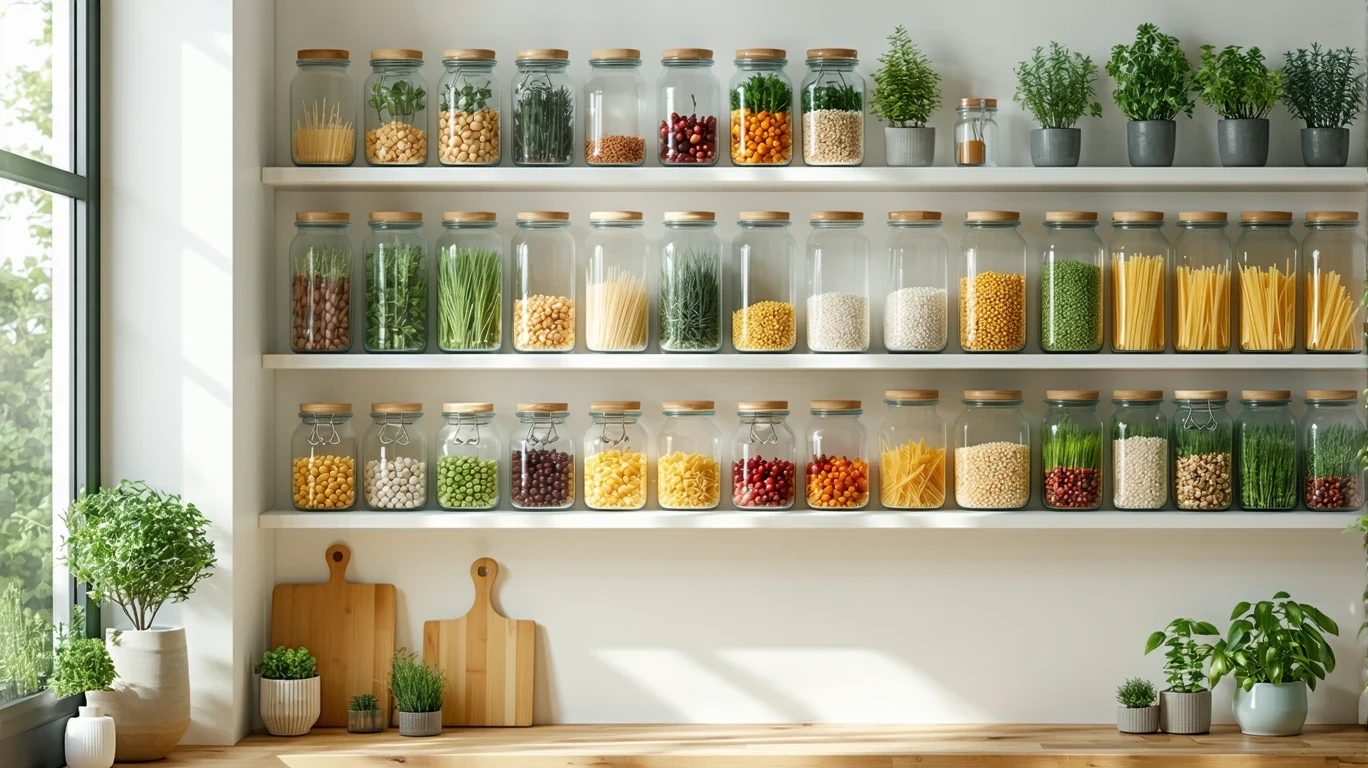
How Grocery Costs Feel in Atascocita
Grocery prices in Atascocita tend to track closely with broader Houston-area norms, benefiting from the metro’s logistics infrastructure and the presence of multiple retail tiers. The regional price parity index here sits at 100, meaning that overall cost of living aligns with the national baseline. That doesn’t guarantee that every grocery item will match national averages, but it does suggest that food costs here aren’t systematically inflated or deflated by regional factors the way they might be in more isolated or expensive metros.
For a two-adult household, monthly grocery spending in Atascocita typically runs around $587, according to modeled estimates that adjust national food cost baselines for local price conditions. That figure represents a moderate, home-cooking-focused approach—not lavish, but not bare-bones either. It assumes you’re buying fresh produce, proteins, dairy, and pantry staples without relying heavily on prepared foods or premium organic lines. For context, that’s roughly $135 to $150 per week, or about $17 to $19 per person per day when cooking at home. That level of spending feels manageable for households earning near or above the median here, but it can feel tight for singles earning less, or for families of four or five where per-person costs multiply quickly.
Who notices grocery costs most? Singles and young professionals often face the highest per-person food costs, because buying for one means less ability to buy in bulk, more waste risk, and fewer opportunities to spread fixed costs (like a bag of rice or a bottle of olive oil) across multiple meals. Families, on the other hand, face volume pressure: even if per-person costs drop slightly with bulk buying, the absolute dollar amount at checkout climbs fast. A household of four might easily spend $900 to $1,100 per month on groceries if they’re not carefully managing store choice, meal planning, and waste. That’s where your monthly budget in Atascocita starts to feel the squeeze, especially if housing and childcare are already claiming large shares of income.
Grocery Price Signals (Illustrative)
These prices illustrate how staple items tend to compare locally—not a full shopping list, and not a guarantee of what you’ll pay on any given week. Prices vary by store, season, and promotion, but these figures give you a sense of the baseline cost structure for common items in Atascocita.
| Item | Price |
|---|---|
| Bread (per pound) | $1.79 |
| Cheese (per pound) | $4.72 |
| Chicken (per pound) | $2.04 |
| Eggs (per dozen) | $2.86 |
| Ground beef (per pound) | $6.54 |
| Milk (per half-gallon) | $4.00 |
| Rice (per pound) | $1.06 |
These numbers reflect modeled estimates based on national food cost data adjusted for regional price conditions—they’re not observed local prices from a specific store or week. What they tell you is that staples like rice, bread, and chicken remain relatively affordable in Atascocita, while proteins like ground beef and dairy products like cheese carry more weight in your weekly spending. Eggs and milk sit in the middle, sensitive to seasonal and supply-chain shifts but generally predictable. If you’re building a weekly meal plan, these anchor items give you a starting point for understanding where your dollars go and where you have room to adjust.
The absence of extreme price pressure here—no dramatic markups, no severe scarcity—means that grocery costs in Atascocita are less about sticker shock and more about volume and frequency. You’re not paying a premium just to live here, but you’re also not getting a discount. The challenge is managing the cumulative effect of multiple trips per week, especially if you’re feeding a larger household or shopping without a plan.
Store Choice & Price Sensitivity
Grocery price pressure in Atascocita varies significantly by store tier, and understanding that variation is one of the most practical ways to control food costs without sacrificing quality or convenience. The city benefits from access to discount, mid-tier, and premium grocery options, each serving different household priorities. Discount stores focus on low prices and high-volume staples, often with limited selection and minimal prepared foods. Mid-tier stores offer broader variety, frequent promotions, and a balance between price and convenience. Premium stores emphasize organic lines, specialty items, and prepared foods, but at a noticeable markup.
For households earning near the median income here, mid-tier stores often represent the best balance: you get enough variety to avoid feeling restricted, enough promotions to manage costs week to week, and enough convenience (location, hours, parking) to make shopping efficient. But for families on tighter budgets—especially those with multiple kids or single-income households—discount stores can cut grocery bills by 15% to 25% compared to mid-tier options, simply by eliminating premium branding, reducing prepared food temptation, and focusing on bulk staples. That difference might translate to $75 to $125 per month in real savings, which matters when you’re trying to keep total monthly spending under control.
Premium stores, on the other hand, appeal to households prioritizing organic produce, specialty diets, or convenience-driven shopping (grab-and-go meals, pre-prepped ingredients). The markup is real—often 20% to 40% higher than mid-tier stores for comparable items—but for some households, the time savings and dietary preferences justify the cost. The key is recognizing that store choice isn’t just about price per item; it’s about how the store’s layout, product mix, and pricing strategy interact with your habits. If you walk into a premium store without a list, you’re likely to spend more not because prices are higher, but because the environment encourages impulse purchases and convenience substitutions.
Atascocita’s food and grocery establishment density sits in the medium band, meaning that options are present but somewhat concentrated along commercial corridors rather than evenly distributed across neighborhoods. That pattern means that store choice often involves a tradeoff between proximity and price: the closest store might not be the cheapest, and the cheapest store might add 10 or 15 minutes to your trip. For households with flexible schedules, that tradeoff is manageable. For working parents or shift workers, proximity often wins, even if it means paying a bit more per trip.
What Drives Grocery Pressure Here
Grocery pressure in Atascocita is shaped less by extreme prices and more by the interaction between household size, income variation, and shopping behavior. The median household income of $115,687 suggests that many families here can absorb typical grocery costs without severe strain, but that median conceals meaningful variation. Households earning $70,000 to $90,000—still solidly middle-class—face tighter margins, especially if they’re supporting three or more people. For these families, grocery costs become a primary lever for budget control, because unlike housing or insurance, food spending is somewhat flexible week to week.
Household size amplifies grocery pressure in predictable ways. A single adult might spend $250 to $300 per month on groceries and feel comfortable, while a family of four might spend $900 to $1,100 and still feel like they’re cutting corners. The difference isn’t just volume—it’s also waste risk, dietary variety, and the difficulty of meal planning when you’re managing multiple schedules, preferences, and nutritional needs. Families with young kids face additional pressure from snacks, school lunches, and the reality that kids often reject leftovers or unfamiliar foods, driving up waste and forcing more frequent trips.
Regional distribution patterns in the Houston metro generally work in Atascocita’s favor. The city benefits from proximity to major distribution hubs, competitive retail presence, and relatively low logistical friction. That means grocery prices here don’t carry the rural markup you might see in more isolated towns, nor do they reflect the extreme density premiums of urban cores. But it also means that price competition is driven more by store tier and format than by dramatic regional discounts. You’re not getting a bargain just by living here, but you’re also not paying a penalty.
Seasonal variability affects grocery costs here in modest but noticeable ways. Fresh produce prices fluctuate with growing seasons, and certain proteins (especially beef and pork) experience periodic supply-driven price swings. Households that shop seasonally—buying berries in summer, squash in fall, citrus in winter—can smooth out some of that volatility, but most families prioritize consistency and convenience over seasonal optimization. The result is that grocery bills here tend to be relatively stable month to month, with occasional spikes driven by holiday shopping or back-to-school stocking rather than sustained seasonal pressure.
Practical Ways People Manage Grocery Costs
Managing grocery costs in Atascocita is less about finding secret discounts and more about building habits that reduce waste, control impulse spending, and align store choice with household priorities. Meal planning is the single most effective lever: households that plan a week’s worth of meals before shopping tend to spend less, waste less, and feel less stress at checkout. Planning doesn’t require elaborate recipes or rigid schedules—it just means knowing what you’ll cook, what ingredients you need, and what you already have at home. That simple discipline prevents duplicate purchases, reduces mid-week “emergency” trips, and makes it easier to buy in bulk when it makes sense.
Buying in bulk works well for non-perishable staples—rice, pasta, canned goods, frozen proteins—but it requires upfront cash and storage space. For families with room and budget flexibility, bulk buying can smooth out weekly spending and reduce the per-unit cost of staples. But for singles or small households, bulk buying often backfires, because the savings get erased by waste or the opportunity cost of tying up cash in food that sits unused. The key is matching bulk purchases to actual consumption patterns, not aspirational ones.
Store loyalty programs and digital coupons offer modest but real savings, especially at mid-tier stores where promotions are frequent and targeted. Households that consistently use loyalty apps and check weekly ads can shave 5% to 10% off their grocery bills without significant effort. The savings aren’t dramatic, but they’re cumulative, and they require almost no behavior change beyond checking your phone before you shop. The risk is that promotions encourage impulse purchases—buying something just because it’s on sale, even if you don’t need it—so the savings only materialize if you stick to your list.
Reducing food waste is another high-impact strategy, though it’s harder to quantify. Households that use leftovers intentionally, freeze excess ingredients, and rotate pantry stock tend to stretch their grocery dollars further without feeling deprived. The challenge is that waste reduction requires planning, discipline, and a willingness to eat the same meal twice in a week—habits that don’t come naturally to everyone. But for families spending $900 or more per month on groceries, even a 10% reduction in waste can free up $90 per month, which compounds quickly over a year.
Groceries vs Eating Out (Directional)
The tradeoff between cooking at home and eating out shapes grocery pressure in ways that aren’t always obvious. Cooking at home is almost always cheaper per meal, but it requires time, energy, and planning—resources that aren’t evenly distributed across households. A family where both adults work full-time, manage kids’ schedules, and face long commutes might find that cooking every night isn’t realistic, even if it’s cheaper. In those cases, grocery costs become part of a larger time-versus-money calculation, where occasional takeout or meal kits reduce stress even if they increase total food spending.
Atascocita’s food establishment density sits in the medium band, meaning that dining options are present but somewhat concentrated along commercial corridors. That pattern means eating out here is convenient for some households and less so for others, depending on where you live and how much time you’re willing to spend driving. For households that eat out frequently—three or more times per week—the cost difference compared to home cooking can easily reach $300 to $500 per month, depending on restaurant choice and household size. That’s a meaningful share of total food spending, and it’s one of the first places households look when they need to tighten their budget.
The key insight is that grocery costs and dining costs aren’t independent. Households that cook at home consistently tend to spend more on groceries but less overall on food. Households that eat out frequently spend less on groceries but more overall. The challenge is avoiding the worst of both worlds: buying groceries you don’t use (because you end up eating out) and then spending heavily on dining because you didn’t plan meals. That pattern—common among busy families and young professionals—drives up total food costs without delivering much satisfaction or convenience.
FAQs About Grocery Costs in Atascocita (2026)
Is it cheaper to shop in bulk in Atascocita? Bulk buying works well for non-perishable staples like rice, pasta, and canned goods, especially for larger households with storage space and upfront budget flexibility. For singles or small households, bulk buying often leads to waste unless you’re disciplined about freezing and rotating stock.
Which stores in Atascocita are best for low prices? Discount-tier stores generally offer the lowest prices on staples and high-volume items, often 15% to 25% below mid-tier options. Mid-tier stores balance price and variety, while premium stores emphasize organic and specialty items at a noticeable markup.
How much more do organic items cost in Atascocita? Organic produce and proteins typically carry a premium, often 20% to 50% higher than conventional equivalents, depending on the item and store. For households prioritizing organic options, that premium adds up quickly, especially for families buying in volume.
How do grocery costs for two adults in Atascocita tend to compare to nearby cities? Atascocita’s grocery costs track closely with broader Houston-area norms, benefiting from regional distribution advantages and competitive retail presence. You’re unlikely to see dramatic differences compared to nearby suburbs, though store choice and shopping habits matter more than location alone.
How do households in Atascocita think about grocery spending when cooking at home? Most households here prioritize consistency and convenience over extreme frugality, aiming for a balance between cost control and dietary variety. Meal planning, store choice, and waste reduction are the most common levers for managing grocery costs without feeling deprived.
Does Atascocita’s income level make grocery costs easier to manage? The median household income of $115,687 suggests that many families here can absorb typical grocery costs without severe strain, but income variation means that some households—especially those earning below $80,000 or supporting larger families—face tighter margins and need to manage food spending carefully.
How does shopping frequency affect grocery costs in Atascocita? Households that shop once or twice per week with a plan tend to spend less and waste less than those who make frequent, unplanned trips. Multiple trips increase exposure to impulse purchases and convenience substitutions, which drive up total spending even if individual trips feel small.
How Groceries Fit Into the Cost of Living in Atascocita
Grocery costs in Atascocita represent a meaningful but manageable share of household spending, especially when compared to housing and utilities. For a two-adult household spending around $587 per month on groceries, that’s roughly 6% to 7% of gross income at the median household income level—a comfortable margin that leaves room for other expenses without severe tradeoffs. But for households earning less, or for families of four spending $900 or more per month on food, groceries can claim 10% to 12% of income, which starts to feel like a primary budget pressure point.
The key to understanding grocery costs here is recognizing that they’re one of the few major expense categories where you have real control week to week. Housing costs are fixed, utilities fluctuate with weather but not behavior, and transportation costs are driven by commute distance and fuel prices. Groceries, by contrast, respond directly to your choices: where you shop, how often you shop, what you buy, and how much you waste. That flexibility makes groceries a natural place to adjust when budgets tighten, but it also means that poor habits—shopping without a plan, buying on impulse, letting food spoil—can quietly inflate your spending without delivering much value.
For a complete picture of how grocery costs interact with housing, utilities, transportation, and other expenses in Atascocita, see your monthly budget in Atascocita, which breaks down where your money goes and how different household types experience cost pressure. Groceries are just one piece of the puzzle, but they’re a piece you can control—and that control matters, especially when other costs feel fixed or unpredictable. The goal isn’t to minimize grocery spending at all costs; it’s to align your food spending with your priorities, your income, and your household’s real needs, so that you’re not constantly stressed at checkout or surprised by how much you’ve spent at the end of the month.
How this article was built: In addition to public economic data, this article incorporates location-based experiential signals derived from anonymized geographic patterns—such as access density, walkability, and land-use mix—to reflect how day-to-day living actually feels in Atascocita, TX.