
“We moved to Humble for the schools, but stayed for the neighbors.”
That sentiment captures much of what draws people to Humble, TX — and much of what keeps them here, even when the commute stretches long or the errands require more planning than expected. Humble sits in the Greater Houston metro, close enough to access big-city jobs and amenities, but far enough out to offer single-family homes, yards, and a pace that feels distinctly suburban. It’s a place where affordability and space often win over walkability and nightlife, where families tend to feel rooted, and where anyone craving urban texture or transit options may feel the friction quickly.
Understanding whether Humble feels like a good fit comes down to alignment: what you’re willing to trade, what you need close by, and how you want your daily routines to unfold. The city’s vibe reflects that negotiation — pride in community and value, but also honest acknowledgment of the tradeoffs that come with car dependency, growth, and distance from Houston’s core.
What Defines Humble’s Emotional Tone
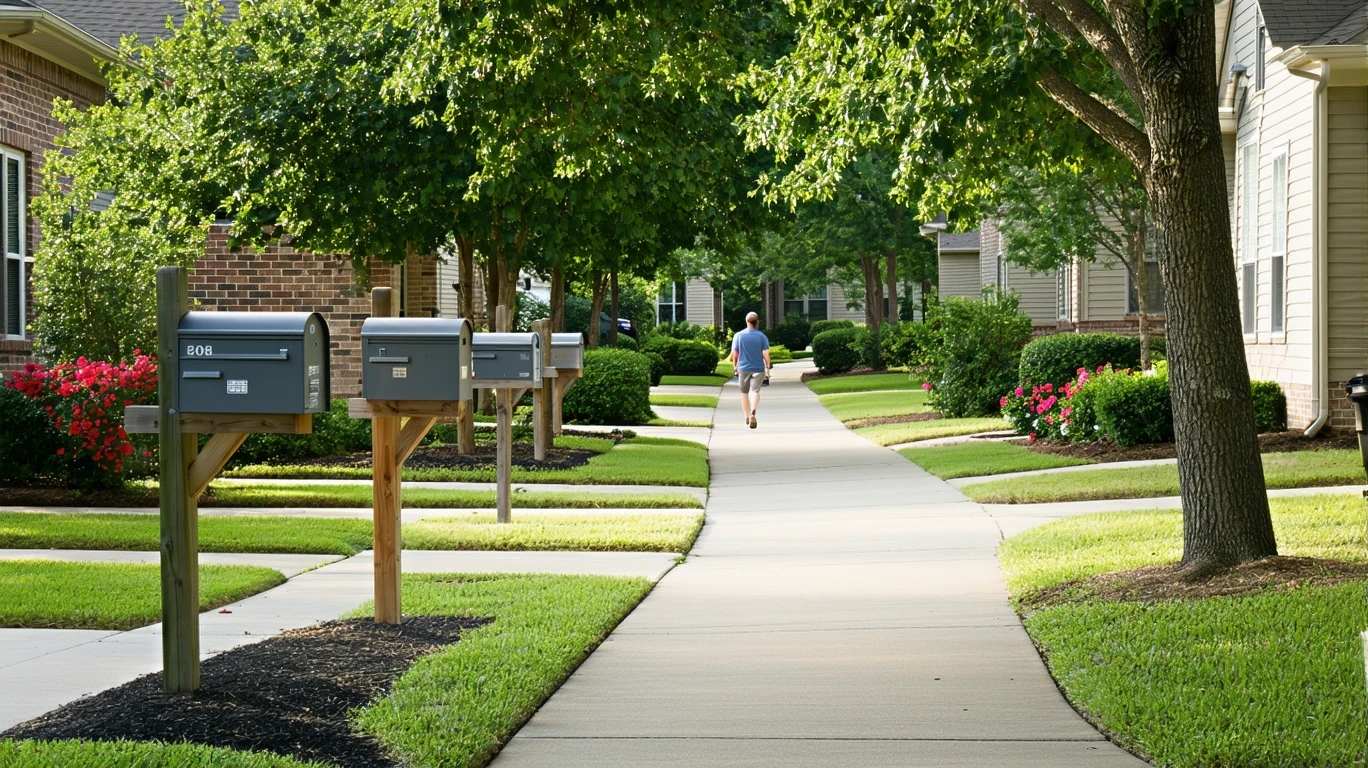
Humble’s overall sentiment leans toward steady suburban satisfaction, but it’s not without tension. People who thrive here tend to prioritize space, affordability, and a family-friendly environment over walkable streets and local nightlife. The city’s low-rise character and mixed land use create pockets of residential comfort alongside commercial corridors, but pedestrian infrastructure is minimal and transit is limited to bus service. That means daily life revolves around the car — errands cluster along corridors, and getting around requires planning and fuel.
For families stretching budgets who want a yard, good neighbors, and access to a hospital without paying inner-loop prices, Humble often feels like a smart compromise. For remote workers, retirees seeking quiet, or young professionals hoping to walk to dinner, it can feel isolating or logistically demanding. The city’s proximity to Houston creates both opportunity and identity tension: you’re close enough to benefit, but far enough that the commute becomes a daily fact of life.
What tends to feel rewarding here is the sense of community, the value per dollar in housing, and the presence of green space and water features that offer some outdoor relief. What tends to feel limiting is the lack of walkable texture, the need to drive for nearly everything, and the sense that growth is changing the character faster than infrastructure can adapt.
Social Media Buzz in Humble
In cities like Humble, locals often describe the vibe as grounded and neighborly, but also shaped by the realities of suburban sprawl and commute logistics. Conversations on platforms like Facebook, Nextdoor, and Reddit tend to circle around a few recurring themes: traffic and commute frustration, pride in local schools and parks, debates over new development, and the tension between wanting more local options and preserving the quieter, slower pace that drew people here in the first place.
The emotional tone is often protective and pragmatic. Long-time residents express affection for the community feel and the sense that people look out for each other, while newcomers sometimes voice surprise at how car-dependent daily life is or how far they have to drive for certain amenities. There’s also a thread of fatigue around growth — appreciation for new restaurants and services, but concern about congestion, school crowding, and whether the city’s identity is shifting too fast.
“It’s not the kind of place where you walk to the coffee shop, but it’s the kind of place where your neighbor brings you cookies when you move in.”
“I love the space and the price, but I didn’t realize how much time I’d spend in the car just running errands.”
“Humble has that small-town feel even though we’re basically part of Houston now. It’s changing, but it hasn’t lost that yet.”
Local News Tone
Local coverage of Humble tends to frame the city through the lens of growth, infrastructure adaptation, and community identity. The tone is generally constructive but occasionally cautious, reflecting the city’s position as a suburban area absorbing population and development while trying to maintain its character and manage the logistical challenges that come with expansion.
Common headline-style themes include:
- “Community Debates What Growth Should Look Like”
- “New Amenities Arrive as Town Identity Evolves”
- “Residents Weigh Convenience vs Quiet”
- “Schools and Infrastructure Adapt to Population Shifts”
- “Local Parks and Green Spaces Offer Outdoor Relief”
The framing tends to emphasize progress and opportunity, but also acknowledges the friction points: longer commutes, crowded roads, and the challenge of preserving the neighborly, slower-paced feel that many residents value. There’s pride in the city’s hospital access and family-oriented amenities, but also recognition that walkability and transit aren’t part of the equation.
Review-Based Public Perception
On platforms like Google, Yelp, and Nextdoor, Humble’s public perception reflects a mix of genuine appreciation and realistic expectation-setting. People who moved here for suburban comfort, affordability, and family-friendly surroundings tend to leave positive reviews, praising the value, the neighbors, and the access to parks and healthcare. People who expected more walkable texture, local nightlife, or easy transit access tend to express disappointment or mild frustration.
Praise often centers on:
- Affordable housing compared to inner Houston neighborhoods
- Strong sense of community and neighborly culture
- Access to green space, water features, and outdoor areas
- Presence of a hospital and pharmacies for routine and urgent care
- Good value for families prioritizing space and yards
Complaints or critiques often focus on:
- Car dependency for nearly all errands and activities
- Long commutes to Houston job centers
- Limited walkable areas or pedestrian-friendly streets
- Sparse school and playground density relative to family population
- Growth outpacing infrastructure, leading to congestion
Neighborhood variation is sometimes mentioned, with newer planned areas offering more modern amenities and older pockets providing more established trees and character. But across the board, the expectation-matching theme is clear: if you wanted suburban predictability and space, Humble delivers. If you wanted urban texture or transit viability, it doesn’t.
Comparison to Nearby Cities
| Dimension | Humble | Kingwood | Atascocita |
|---|---|---|---|
| Overall Vibe | Grounded suburban, neighborly, car-dependent | More polished, master-planned feel, slightly higher cost | Similar suburban comfort, slightly newer development tone |
| Walkability | Minimal, car-oriented | Limited but more trail access | Minimal, similar car dependency |
| Community Feel | Strong, protective, slower-paced | Established, active, more amenity-focused | Growing, family-oriented, evolving identity |
| Commute Tolerance | High — most accept long drives | High — similar Houston commute reality | High — distance and car dependency assumed |
| Growth Tension | Moderate — change vs character debate | Lower — more settled development pattern | Higher — rapid growth, infrastructure catching up |
Humble sits in the middle of this comparison: less polished than Kingwood, but more established than Atascocita. All three share the same fundamental suburban reality — you’ll drive for most things, commutes are long, and walkability isn’t part of the deal. The choice between them often comes down to budget, how much “newness” you want, and whether you prefer a slightly more master-planned feel or a more organic, slower-evolving community character.
If you prioritize affordability and don’t mind a more lived-in suburban texture, Humble offers strong value. If you want more trails and a slightly more polished aesthetic, Kingwood may feel more aligned. If you’re drawn to newer development and don’t mind the growing pains, Atascocita might appeal. But none of these cities will satisfy someone seeking walkable streets, transit access, or dense local nightlife.
What Locals Are Saying
“I work in Houston and the commute is rough, but coming home to a quiet street and a yard makes it worth it. I couldn’t afford this much space closer in.”
“Humble is great if you have kids and want a neighborhood where they can play outside. But if you’re single or don’t have a car, it’s going to feel pretty isolating.”
“We love the neighbors and the parks, but I do wish we could walk to more things. Everything requires a drive, and that adds up in time and gas.”
“It’s not flashy, but it’s solid. People are friendly, the schools are decent, and you get a lot of house for the money. Just don’t expect a downtown vibe.”
“I moved here from an apartment in the city and the adjustment was harder than I expected. I miss being able to walk to dinner or grab coffee without getting in the car.”
“Humble has that small-town feel even though it’s growing fast. I hope it doesn’t lose that as more people move in.”
“The hospital being here is a big deal for us. My mom needed care last year and we didn’t have to drive all the way into Houston. That peace of mind matters.”
Does Humble Feel Like a Good Fit?
Humble’s emotional profile is defined by tradeoffs that feel rewarding to some and limiting to others. This tends to work for families prioritizing space and affordability over walkability, commuters willing to drive for Houston job access, and those seeking suburban predictability with metro proximity. It tends to frustrate walkability seekers, transit users, people avoiding long commutes, and renters seeking urban texture at this price point.
The city’s vibe is grounded, neighborly, and shaped by car dependency and distance. If you’re looking for a place where you can stretch your housing budget, enjoy a yard, and build community with people who value the same things, Humble often delivers. If you’re hoping for walkable streets, local nightlife, or easy transit, the friction will show up quickly and persistently.
Understanding what a budget has to handle in Humble and whether you can feel comfortable on your income can help clarify whether the city’s tradeoffs align with your priorities. Humble doesn’t try to be something it’s not — and for the right person, that honesty and consistency can feel like home.
How this article was built: In addition to public economic data, this article incorporates location-based experiential signals derived from anonymized geographic patterns—such as access density, walkability, and land-use mix—to reflect how day-to-day living actually feels in Humble, TX.
The perspectives shown reflect commonly expressed local sentiment and recurring themes in public discussion, rather than individual accounts.