
Can you get by without a car in Baytown? For most people, the answer is no. Baytown’s layout, infrastructure, and daily rhythms are built around driving. While some pedestrian paths exist and certain corridors support walking, the city’s sparse distribution of grocery stores and everyday services means that running errands, getting to work, and managing household logistics almost always require a vehicle. Public transit plays little to no role in how residents move through their day.
Understanding transportation options in Baytown means recognizing what’s actually available versus what newcomers might hope for. This isn’t a city where you can rely on buses, trains, or ride-sharing as primary mobility. It’s a place where car ownership isn’t just convenient—it’s structural.
How People Get Around Baytown
Baytown sits within the broader Houston metro area, but it functions as a car-first community with limited alternatives. The city’s development pattern favors low-density residential zones spread across a wide geographic area, with commercial activity clustered along major corridors rather than integrated into walkable neighborhoods. Pedestrian infrastructure exists in pockets—sidewalks appear along some streets, and certain areas show moderate pedestrian-to-road ratios—but the overall texture is mixed at best.
What this means in practice: even if you live near a sidewalk, the things you need to reach—grocery stores, pharmacies, schools, workplaces—are rarely within walking distance. Food establishment density falls below typical thresholds, and while grocery density sits in a moderate band, stores are spread out enough that most trips require a car. The city’s structure doesn’t support the kind of spontaneous, on-foot errands that define walkable communities.
Newcomers sometimes assume that proximity to Houston means access to regional transit options, but Baytown’s transportation reality is distinct. The city operates as a suburban extension where driving is the default, and alternatives are scarce.
Public Transit Availability in Baytown
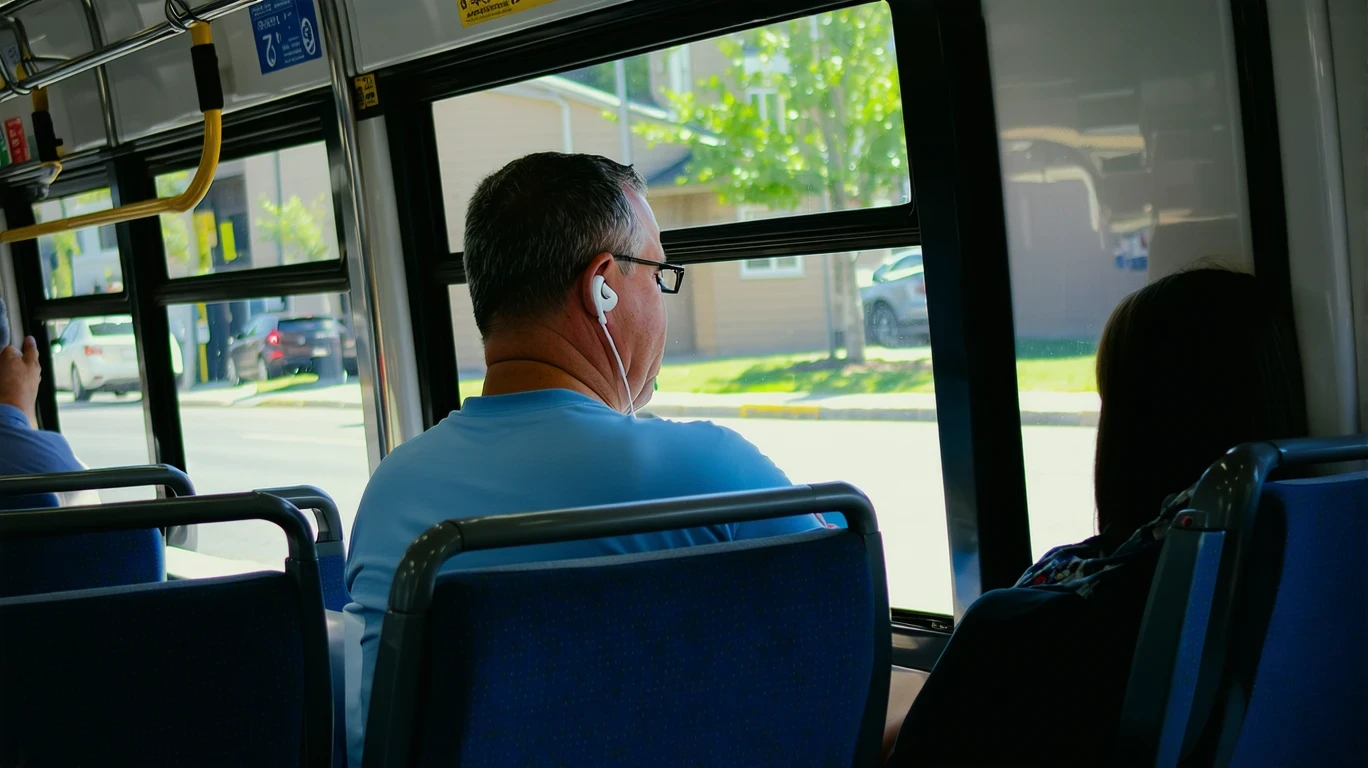
Public transit in Baytown is effectively absent. No bus stops, rail stations, or shuttle services were detected in the city’s infrastructure. Unlike denser parts of the Houston metro area where transit might serve commuters or connect neighborhoods, Baytown lacks the coverage, frequency, or network needed to make transit a viable option for daily life.
This isn’t a case of limited service or inconvenient schedules—it’s a structural gap. Residents who rely on public transportation for work, medical appointments, or errands face significant barriers. There’s no fallback system for households that can’t afford a car, and no secondary option for those who prefer not to drive.
For anyone evaluating a move to Baytown, this is a hard constraint. If your household depends on transit access, or if you’re weighing whether to bring a second vehicle, the answer is clear: Baytown requires car ownership.
Driving & Car Dependence Reality
Driving isn’t just the most common way to get around Baytown—it’s the only practical way. The city’s layout assumes vehicle access. Major roads connect residential areas to commercial zones, industrial sites, and employment centers, but those connections are designed for cars, not pedestrians or cyclists.
Parking is abundant and typically free, which removes one friction point common in denser cities. But that convenience comes with tradeoffs. Households need to budget for vehicle purchase, insurance, maintenance, fuel, and registration. Gas prices in Baytown sit at $2.41 per gallon, which is relatively moderate, but the cost burden isn’t just about fuel—it’s about the necessity of owning and maintaining at least one vehicle per household, and often two.
Car dependence also shapes where people can live. Proximity to work, schools, and grocery stores becomes a driving-distance calculation, not a walking-radius decision. Commute flexibility exists in the sense that you control your departure time and route, but there’s no option to skip the commute entirely by hopping on a bus or train.
Commuting Patterns & Daily Mobility
Commuting in Baytown typically means driving to a job site within the city or traveling to nearby employment centers in the Houston metro area. The city’s industrial base—petrochemical plants, refineries, and manufacturing facilities—draws workers who often live locally, but many residents also commute outward for office jobs, healthcare work, or service-sector employment.
Because transit doesn’t exist, commute patterns are shaped entirely by road access and traffic conditions. Multi-stop commutes—dropping kids at school, running an errand, then heading to work—are common, and they’re only feasible with a car. Households with two working adults almost always need two vehicles, because there’s no way to share a single car and still meet daily obligations.
Remote work, where available, eliminates the commute entirely, but for everyone else, driving is non-negotiable. The lack of transit also means that commute disruptions—road construction, accidents, weather events—have no workaround. If the road is blocked, you wait.
Who Transit Works For — and Who It Doesn’t
Transit doesn’t work for anyone in Baytown, because it doesn’t exist. This is a city where car ownership is a prerequisite for participation in daily life. Renters, homeowners, families, singles, retirees—everyone faces the same transportation structure.
This creates real hardship for households that can’t afford a vehicle. Low-income residents, people with disabilities, or those who’ve lost a license face severe mobility constraints. There’s no public system to fall back on, and ride-sharing or taxis become prohibitively expensive for regular use.
For households that can afford cars, the system works in the sense that it’s predictable. You know you’ll drive, you know where you’ll park, and you know what it costs. But that predictability comes at the expense of flexibility, and it locks in a baseline transportation cost that can’t be avoided.
Transportation Tradeoffs in Baytown
The central tradeoff in Baytown is control versus cost. Driving gives you control over timing, routing, and logistics. You’re not waiting for a bus, checking a schedule, or adjusting your plans around service gaps. But that control requires owning, insuring, fueling, and maintaining a vehicle—costs that add up quickly and can’t be deferred.
There’s also a tradeoff between proximity and affordability. Living closer to work or essential services reduces driving time and fuel consumption, but housing closer to key corridors may come at a premium. Living farther out might lower rent or mortgage costs, but it increases commute distance and the wear on your vehicle.
Unlike cities with robust transit, Baytown offers no low-cost mobility alternative. You can’t trade time for money by taking a slower bus, and you can’t skip car ownership by paying for transit passes. The transportation cost floor is high, and it’s fixed.
FAQs About Transportation in Baytown (2026)
Is public transit usable for daily commuting in Baytown?
No. Public transit is not available in Baytown. The city lacks bus service, rail connections, and shuttle systems. Daily commuting requires a personal vehicle.
Do most people in Baytown rely on a car?
Yes. Virtually all residents rely on cars for work, errands, and household logistics. The city’s infrastructure and service distribution assume vehicle access.
Which areas of Baytown are easiest to live in without a car?
None. Even areas with moderate pedestrian infrastructure and some nearby grocery options still require a car for most daily needs. Baytown’s layout does not support car-free living.
How does commuting in Baytown compare to nearby cities?
Baytown is more car-dependent than denser parts of the Houston metro area, where some transit options exist. Commuting here is entirely road-based, with no public alternatives.
What does car dependence mean for household budgets in Baytown?
It means every household must budget for at least one vehicle, and most need two. Costs include purchase or lease payments, insurance, fuel, maintenance, and registration. These aren’t optional—they’re structural requirements for living in Baytown. For a fuller picture of monthly expenses, budget planning, cost breakdown, consider how transportation fits alongside housing, utilities, and other fixed costs.
How Transportation Fits Into the Cost of Living in Baytown
Transportation in Baytown isn’t a budget line you can optimize—it’s a baseline cost you absorb. Because the city offers no transit, every household must own at least one vehicle, and most need two. That locks in a set of recurring expenses that can’t be avoided through behavior changes, route planning, or service substitutions.
This affects housing decisions, too. Proximity to work or schools doesn’t eliminate the need for a car, but it does reduce how much you drive. Choosing where to live becomes a calculation of commute distance, road access, and how often you’ll need to make multi-stop trips. The city’s sparse distribution of grocery stores and services means that even well-located homes still require regular driving.
For households evaluating Baytown, the transportation reality is non-negotiable. Budget for vehicle ownership, plan for driving as the primary mode of mobility, and recognize that this cost structure won’t change based on where you live within the city. Baytown’s transportation system is built around cars, and that shapes everything from daily routines to long-term financial planning.
How this article was built: In addition to public economic data, this article incorporates location-based experiential signals derived from anonymized geographic patterns—such as access density, walkability, and land-use mix—to reflect how day-to-day living actually feels in Baytown, TX.
—