
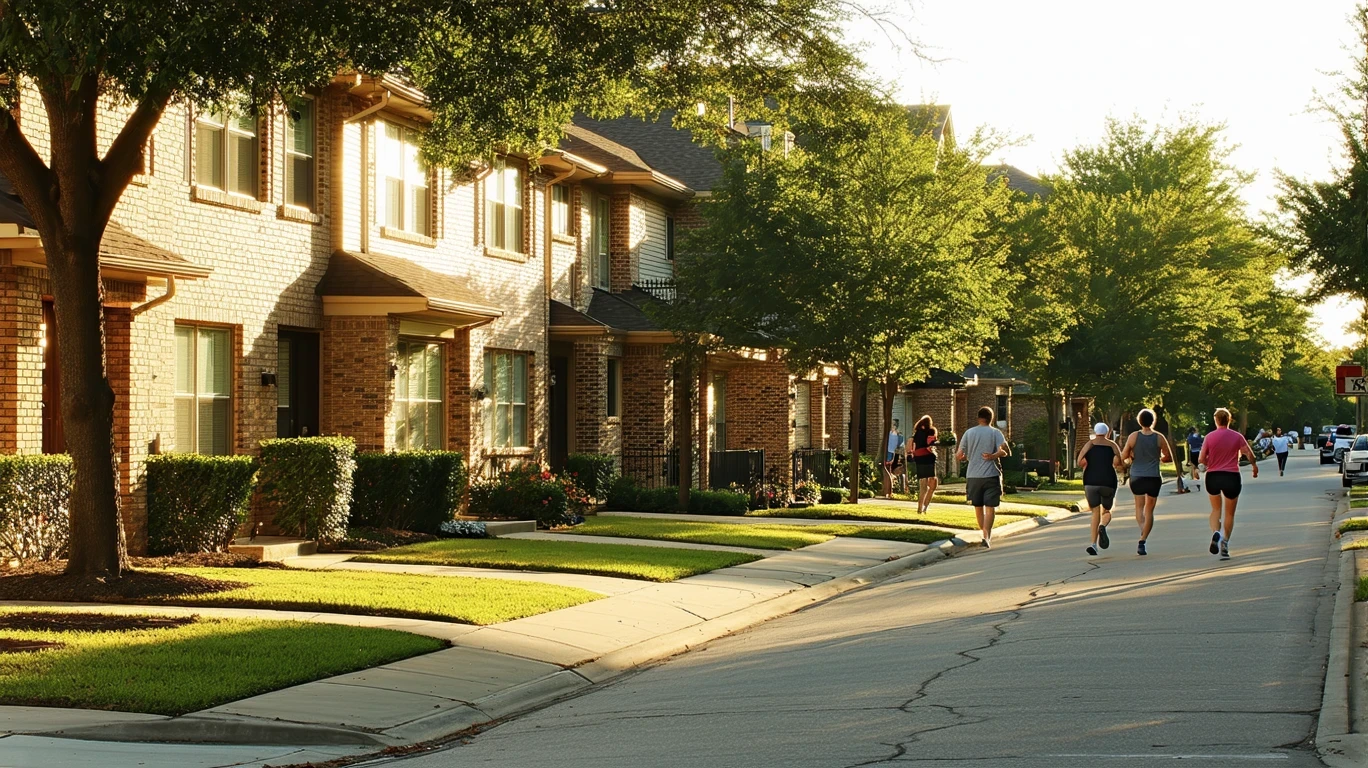
Why Retirees Choose Houston
Houston’s retirement population has grown by double digits over the past decade—but does the city deliver on its promise of affordable, accessible senior living? For many retirees, the answer hinges on a few critical factors: healthcare access, cost predictability, and the ability to maintain independence without constant car trips. Houston offers a compelling mix of strengths in these areas, though the trade-offs are real and worth understanding before making the move.
The city’s primary advantages for retirees include no state income tax on retirement income, a median home value of $235,000 that remains below many peer metros, and confirmed hospital and pharmacy presence that supports aging in place. Park density exceeds high thresholds, with water features integrated throughout, creating outdoor environments that support active aging. Food and grocery establishment density is broadly accessible, meaning daily errands don’t require long drives or complex planning. Rail transit is present, offering a non-driving option for those who prefer or need alternatives to car ownership.
Based on these factors, Houston earns a retirement suitability score of 78 out of 100. The score reflects strong healthcare infrastructure, manageable housing costs, excellent outdoor access, and accessible daily amenities. It’s tempered by extended cooling seasons that drive air conditioning costs, a more vertical urban form that may limit single-story housing options, and utility exposure that requires active management on fixed incomes. For retirees who prioritize medical access, outdoor activity, and tax efficiency, Houston delivers. For those sensitive to heat or utility volatility, the city demands more planning.
Healthcare Access for Seniors
Healthcare infrastructure is often the deciding factor for retirement destinations, and Houston performs well in this category. Hospital facilities are present within the metro, supported by pharmacy access that ensures prescription continuity. The pedestrian-to-road ratio exceeds high thresholds in certain areas, meaning some neighborhoods support walking to nearby clinics or pharmacies without requiring a car for every medical errand. For seniors managing chronic conditions or frequent specialist visits, this level of access reduces logistical friction and supports independence.
Houston’s hospital systems have strong reputations for senior care, particularly in cardiology, orthopedics, and cancer treatment. Many facilities maintain partnerships with Medicare Advantage plans, and acceptance rates for traditional Medicare are generally high across the metro. Urgent care availability is widespread, and physical therapy centers are accessible in most residential corridors. For retirees who need regular monitoring or rehabilitation services, the density of medical infrastructure means shorter drive times and more appointment flexibility.
Prescription access benefits from the presence of both chain and independent pharmacies, many of which offer delivery services or mail-order coordination. Specialty medications and durable medical equipment suppliers are available throughout the metro, reducing the need to travel long distances for specific treatments. For seniors evaluating Houston, the healthcare landscape supports both routine management and acute needs, with infrastructure that scales to different levels of mobility and independence.
Senior-Friendly Amenities and Services
Beyond healthcare, Houston’s amenity structure reflects the city’s experiential signals: broadly accessible errands, integrated green space, and notable cycling infrastructure. Senior centers and adult day programs operate throughout the metro, offering social engagement, wellness classes, and meal programs. Recreation facilities—many located within parks that exceed density thresholds—provide low-impact fitness options, walking trails, and shaded outdoor spaces that remain usable even during warmer months.
Transportation options extend beyond personal vehicles. Rail transit is present, offering seniors a non-driving option for medical appointments, social outings, or errands. Some corridors support walking or cycling for daily needs, particularly in areas where food and grocery density is high. Ride services and senior shuttle programs supplement public transit, creating a layered mobility system that accommodates different comfort levels and physical abilities. For retirees concerned about future driving limitations, Houston’s transit presence offers a meaningful safety net.
Shopping accessibility benefits from the city’s broadly accessible food and grocery establishment density. Many neighborhoods support errands without long drives, and grocery delivery services are widely available. Meal programs—both through senior centers and private providers—offer additional support for those managing dietary restrictions or mobility challenges. Libraries and community colleges provide lifelong learning opportunities, from technology workshops to arts programming, helping retirees stay engaged and connected. The combination of accessible errands, outdoor space, and structured programming creates an environment where aging in place remains viable for longer.
Cost of Living for Retirees in Houston
Housing costs anchor any retirement budget, and Houston’s median home value of $235,000 positions the city as more affordable than many coastal or high-growth metros. For retirees downsizing from larger homes, this price point often allows for equity preservation while reducing maintenance burdens. Condos and townhomes in 55+ communities or age-restricted developments typically range from accessible to moderate price points, depending on location and amenities. Single-family homes remain an option for those prioritizing outdoor space or single-story layouts, though the city’s more vertical urban form means ranch-style homes may require more selective searching.
Property taxes in Texas are a significant consideration, as the state relies on property tax revenue in the absence of income tax. However, seniors aged 65 and older qualify for additional homestead exemptions that reduce taxable value, and some jurisdictions offer tax ceiling freezes that limit increases. These mechanisms provide meaningful relief for retirees on fixed incomes, though the baseline tax rate remains higher than in states with income tax structures. For renters, the median gross rent of $1,235 per month offers a predictable alternative, particularly for those who prefer to avoid maintenance responsibilities or property tax exposure.
Utility costs in Houston are shaped by the city’s extended cooling season. Electricity rates stand at 16.04¢/kWh, and typical household usage of around 1,000 kWh per month can result in summer bills that climb as air conditioning runs continuously through hot months. Natural gas, priced at $25.56/MCF, plays a smaller role given the mild winters, but retirees should budget for higher cooling costs and lower heating expenses compared to northern climates. Some utilities offer senior rate programs or budget billing plans that smooth seasonal spikes, helping fixed-income households manage cash flow. The state’s lack of income tax means Social Security benefits, pensions, and retirement account withdrawals are not taxed at the state level, preserving more income for living expenses. Medicare supplement costs vary by plan and provider, but the competitive insurance market in Texas often results in reasonable premiums for Medigap or Medicare Advantage coverage.
Monthly Retirement Budget in Houston
Here’s what a typical monthly retirement budget might look like in Houston:
| Category | Modest Lifestyle | Comfortable Lifestyle |
|---|---|---|
| Housing (mortgage/rent + insurance) | $1,100 | $1,600 |
| Utilities (electric, gas, water, internet) | $220 | $260 |
| Healthcare (premiums, copays, prescriptions) | $350 | $500 |
| Food (groceries + occasional dining) | $400 | $600 |
| Transportation (gas, insurance, maintenance) | $250 | $350 |
| Entertainment (hobbies, travel, social) | $150 | $400 |
| Miscellaneous (personal care, household items) | $180 | $290 |
| Total | $2,650 | $4,000 |
Estimates based on average senior spending patterns and local costs. Figures are illustrative and do not include property taxes, which vary by jurisdiction and exemption status.
Community and Social Opportunities
Social engagement is a key predictor of healthy aging, and Houston’s community infrastructure supports connection across multiple dimensions. Senior groups operate through parks and recreation departments, faith communities, and nonprofit organizations, offering everything from book clubs to volunteer coordination. The city’s integrated park access—with density exceeding high thresholds—provides natural gathering spaces for walking groups, outdoor fitness classes, and seasonal events. Water features present throughout the metro add scenic variety and support activities like birdwatching or casual strolls.
Volunteer opportunities abound in Houston, from hospital auxiliaries to food banks, libraries, and environmental stewardship programs. Many retirees find that structured volunteering provides purpose and routine while building new social networks. Faith communities remain active across denominations, offering worship services, study groups, and service projects that connect seniors with intergenerational congregations. Hobby clubs—gardening, photography, quilting, woodworking—meet regularly, often facilitated by senior centers or community colleges.
Cultural activities include theater productions, museum exhibitions, and music performances, many of which offer senior discounts or matinee pricing. Seasonal events, from farmers markets to outdoor concerts, leverage the city’s green space and create low-cost social opportunities. Intergenerational programs, such as reading partnerships with schools or mentorship initiatives, allow retirees to share expertise while staying connected to younger generations. For retirees with family nearby, Houston’s accessibility and regional airport connections make it easy for out-of-town relatives to visit, supporting the kind of regular contact that sustains family bonds over time.
Aging in Place Considerations
Aging in place—remaining in your home as mobility or health needs change—requires both physical infrastructure and service availability. Houston’s housing stock includes a mix of single-story homes, condos, and townhomes, though the city’s more vertical urban form means single-level living may require intentional searching. Home modification services, from grab bar installation to wheelchair ramps, are available through contractors and occupational therapy providers. Some utility companies and nonprofits offer weatherization or accessibility upgrade programs that reduce out-of-pocket costs for qualifying seniors.
In-home care availability is strong in Houston, with agencies providing everything from companion services to skilled nursing. The density of healthcare infrastructure means that home health aides, physical therapists, and visiting nurses can often schedule efficiently across neighborhoods. Assisted living options range from independent living communities to memory care facilities, giving retirees a continuum of care as needs evolve. The presence of these services within the metro reduces the need to relocate far from established social networks or family.
Walkability varies across Houston, but the pedestrian-to-road ratio exceeds high thresholds in certain pockets, meaning some neighborhoods support walking for errands or recreation without requiring a car. Climate considerations are significant: the extended cooling season and high humidity can limit outdoor activity during peak summer months, particularly for seniors with cardiovascular or respiratory conditions. Seasonal challenges include managing air conditioning costs and planning outdoor activities around heat exposure. Emergency services are well-distributed, and disaster preparedness—particularly for hurricanes—requires planning, including evacuation routes, medication supplies, and communication plans for family members. For retirees committed to aging in place, Houston offers the infrastructure and services to support independence, provided they account for climate exposure and plan for mobility changes.
FAQs About Retirement in Houston
What’s the average cost of retirement in Houston?
A modest retirement lifestyle in Houston typically requires around $2,650 per month, covering housing, utilities, healthcare, food, and transportation. A more comfortable lifestyle, with additional discretionary spending on travel, dining, and hobbies, runs closer to $4,000 per month. These figures exclude property taxes, which vary by jurisdiction and exemption status, and assume Medicare coverage with supplemental insurance.
How good is healthcare access for seniors?
Houston’s healthcare access is a major strength. Hospital facilities are present within the metro, supported by widespread pharmacy and urgent care availability. The city’s medical infrastructure supports both routine care and specialist treatment, with strong reputations in cardiology, orthopedics, and oncology. Medicare acceptance is generally high, and the density of providers means shorter drive times and more appointment flexibility.
Are there active senior communities?
Yes. Houston supports active aging through senior centers, recreation programs, and volunteer opportunities. The city’s integrated park access—with density exceeding high thresholds—provides outdoor spaces for walking groups, fitness classes, and social events. Cultural activities, hobby clubs, and lifelong learning programs through community colleges offer structured engagement. Faith communities and intergenerational programs add additional layers of connection.
What are the tax implications of retiring in Texas?
Texas does not impose state income tax, meaning Social Security benefits, pensions, and retirement account withdrawals are not taxed at the state level. This preserves more income for living expenses compared to states with income tax structures. However, property taxes in Texas are higher than the national average, as the state relies on property tax revenue. Seniors aged 65 and older qualify for additional homestead exemptions and may benefit from tax ceiling freezes that limit increases, providing meaningful relief for fixed-income households.
Making the Move: Is Houston Right for Your Retirement?
Houston’s retirement appeal rests on a foundation of healthcare access, tax efficiency, and manageable cost structure. The city’s hospital and pharmacy infrastructure supports aging in place, while integrated park access and broadly accessible errands reduce the logistical burden of daily life. The absence of state income tax preserves retirement income, and housing pressure remains moderate compared to coastal metros, with a median home value of $235,000 offering equity preservation for downsizers.
The trade-offs are equally clear. Extended cooling seasons drive air conditioning costs that require active budgeting, particularly for fixed-income households. The city’s more vertical urban form may limit single-story housing options, and while walkable pockets exist, much of the metro remains car-oriented. Humidity and heat exposure can restrict outdoor activity during summer months, affecting retirees who prioritize year-round outdoor engagement.
For retirees who value healthcare access, outdoor amenities, and tax efficiency, Houston delivers a strong value proposition. For those sensitive to heat, utility volatility, or who require single-story accessibility, the city demands more careful neighborhood selection and budget planning. The decision ultimately hinges on how well Houston’s strengths align with your health needs, financial priorities, and lifestyle preferences. Visit during summer months to experience the climate firsthand, tour neighborhoods with high pedestrian infrastructure, and consult with local healthcare providers to assess network compatibility. The city’s infrastructure supports successful retirement, but only if the fit is deliberate and informed.
How this article was built: In addition to public economic data, this article incorporates location-based experiential signals derived from anonymized geographic patterns—such as access density, walkability, and land-use mix—to reflect how day-to-day living actually feels in Houston, TX.