
‘We moved to Beaumont for the schools, but stayed for the neighbors.’
That sentiment captures something essential about life in Beaumont, CA—a city where the draw isn’t nightlife or walkable coffee shops, but rather the promise of space, affordability relative to the broader Inland Empire, and a community that still feels like it knows itself. But like any place experiencing growth and change, Beaumont comes with tradeoffs that tend to delight some residents while leaving others feeling restless.
Understanding whether Beaumont feels like a good fit means understanding what people value most when they arrive—and what they’re willing to give up to get it.
The Emotional Landscape of Beaumont
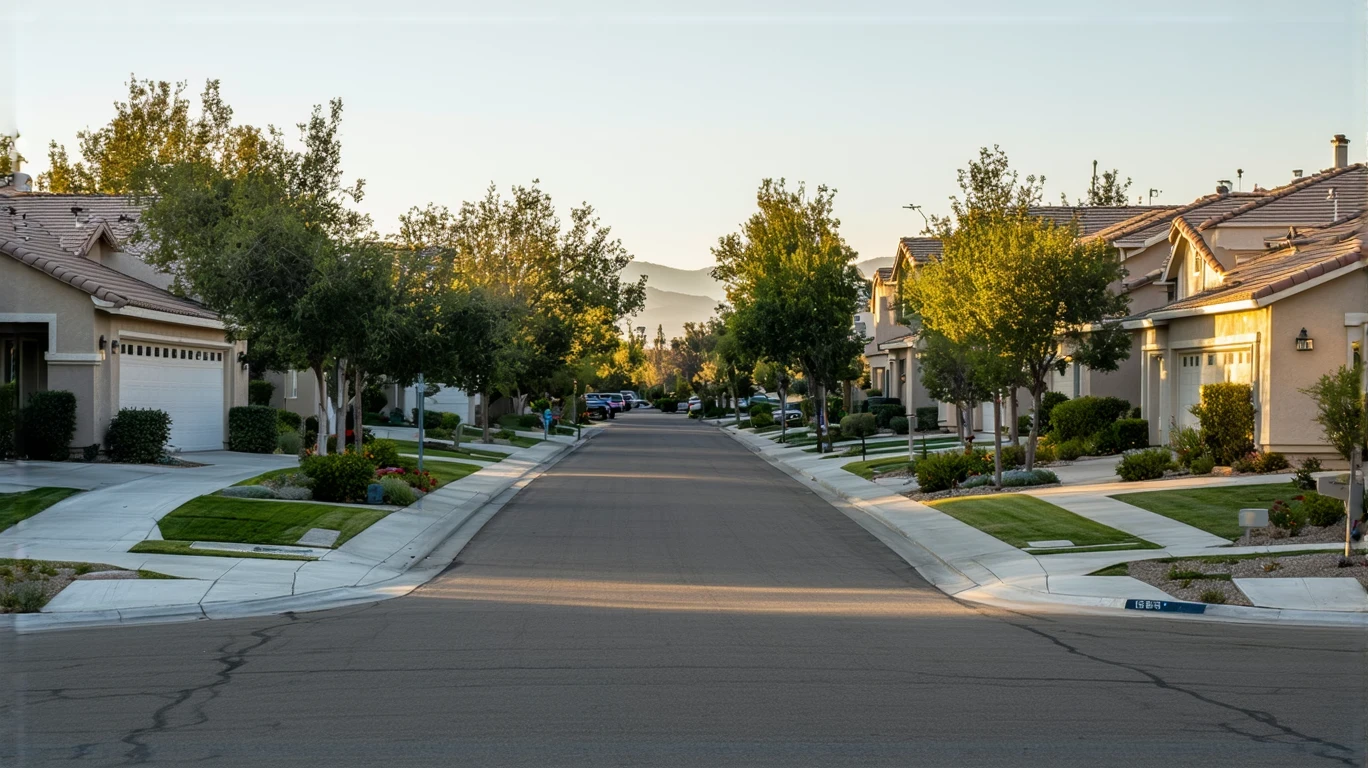
Beaumont sits in a particular kind of tension: it’s a city that has grown quickly, drawing families and commuters looking for newer homes and more square footage than they could afford closer to the coast or in denser parts of Riverside County. The appeal is real—planned neighborhoods, parks with open lawn space, and a pace of life that feels decidedly suburban.
But that growth has also reshaped the city’s identity. Long-time residents sometimes express nostalgia for a quieter, smaller Beaumont, while newcomers tend to focus on the practical wins: more house for the money, good school options, and neighborhoods that feel safe and family-oriented. The friction isn’t dramatic, but it’s present—a low hum of “this used to be different” that coexists with “this is exactly what we needed.”
What tends to work here: households that prioritize space, outdoor access, and a predictable suburban rhythm. Families with young kids often describe feeling “settled” in Beaumont—playgrounds are accessible, parks offer room to spread out, and the overall vibe leans toward community events and weekend routines rather than spontaneous urban exploration.
What tends to frustrate: people who value walkability, transit flexibility, or a dense mix of dining and entertainment options. Beaumont’s structure requires a car for nearly everything, and errands often mean driving to commercial corridors rather than strolling a few blocks. For remote workers, retirees, or young professionals hoping for a more textured day-to-day experience, that car dependency can feel limiting.
Social Media Buzz in Beaumont
On platforms like Facebook and community-focused forums, Beaumont residents tend to talk about the city in terms of change, growth, and identity. There’s pride in the community—especially around family-friendly amenities and the sense that neighbors still look out for each other—but also recurring conversations about what gets lost as the city expands.
“It’s not the small town it used to be, but honestly, we needed the growth. More options, better services—it’s a tradeoff.”
“I love that my kids can ride bikes in the neighborhood and we have park space nearby. But if you want anything beyond chain restaurants, you’re driving.”
“The commute is rough, but we couldn’t afford this much house anywhere closer to work. You just accept it.”
The tone is rarely extreme—Beaumont doesn’t inspire the passionate advocacy or sharp criticism you might see in more polarizing cities. Instead, the conversation tends to be pragmatic, focused on whether the tradeoffs align with what a household actually needs. There’s affection here, but it’s the affection of people who chose practicality over excitement and feel good about that choice—most of the time.
Local News Tone
Coverage of Beaumont tends to frame the city through the lens of growth, infrastructure, and community identity. Headlines and story angles often reflect the balancing act between development and preservation, between welcoming new residents and maintaining the character that drew people here in the first place.
Typical themes include:
- “New Retail and Dining Options Arrive as Population Grows”
- “Community Debates What Growth Should Look Like”
- “Families Drawn to Newer Neighborhoods and School Quality”
- “Residents Weigh Convenience vs Quiet”
- “Infrastructure Improvements Aim to Keep Pace with Expansion”
The framing is generally optimistic but cautious—acknowledging that growth brings both opportunity and tension. There’s an underlying question in much of the coverage: can Beaumont grow without losing the suburban predictability that makes it appealing?
Review-Based Public Perception
On platforms like Google Reviews, Yelp, and Nextdoor-style community boards, Beaumont’s reputation is shaped by expectation matching. People who wanted suburban comfort, space, and family-friendly infrastructure tend to leave positive impressions. People who hoped for walkability, nightlife, or urban texture tend to feel disappointed.
Common praise focuses on:
- Newer homes with yards and modern layouts
- Parks and outdoor space that feel accessible and well-maintained
- A sense of safety and neighborly connection in planned communities
- Good school options that draw families from other parts of the Inland Empire
Common complaints center on:
- Car dependency for nearly every errand
- Limited dining and entertainment variety beyond chain options
- Long commutes for those working in Riverside, Ontario, or points west
- A sense that the city is “still figuring itself out” as it grows
Neighborhood variation exists but tends to be subtle—newer planned areas offer more amenities and a polished feel, while older pockets have more established trees and a quieter, less manicured character. Neither is definitively “better,” but they attract different kinds of households.
Comparison to Nearby Cities
| Dimension | Beaumont | Riverside | Redlands |
|---|---|---|---|
| Overall Vibe | Suburban, family-oriented, car-dependent | Urban texture, more walkable pockets, diverse | Historic charm, tree-lined, more established feel |
| Housing Character | Newer developments, space-focused | Mix of older and newer, denser options | Older homes, character-rich, smaller lots |
| Walkability | Low; errands require driving | Moderate in central areas | Higher in downtown and near university |
| Commute Burden | High for metro jobs | Moderate; more central location | Moderate; closer to employment hubs |
| Community Feel | Neighborly, suburban predictability | Diverse, more urban energy | Tight-knit, small-town pride |
Beaumont offers more space and newer construction than Riverside, but less walkability and urban texture. Riverside appeals to households that want more dining variety, transit options, and a denser mix of activities—but that comes with less square footage and older housing stock. Redlands splits the difference, offering historic charm and better walkability than Beaumont, but with higher housing costs and a more competitive market.
If you value newness, space, and a quieter suburban rhythm, Beaumont tends to deliver. If you want walkable errands, nightlife, or a more established downtown feel, Riverside or Redlands might align better. The choice isn’t about which city is “happier”—it’s about which tradeoffs match your household’s priorities.
What Locals Are Saying
“We left Riverside because we wanted a yard and a garage. Beaumont gave us that, and the schools are solid. The commute is long, but we knew that going in.”
“It’s a great place to raise kids—parks, safe streets, neighbors who actually talk to each other. But if you’re single or don’t have kids, it can feel pretty quiet.”
“I work remotely, and honestly, the car dependency gets old. I’d love to walk to a coffee shop or grab groceries without planning a whole trip.”
“The city is growing fast, and that’s both good and bad. More restaurants and stores are opening, but traffic is getting worse and it doesn’t feel as small-town anymore.”
“For the price, you can’t beat it. We got twice the house we could afford in Corona, and we’re only 20 minutes farther out.”
“I miss the Beaumont I grew up in—it was quieter, slower. But I get why people are moving here. It’s still a good place, just different.”
“If you don’t mind driving everywhere and you prioritize space over walkability, you’ll love it here. If you want urban energy, look elsewhere.”
Does Beaumont Feel Like a Good Fit?
Beaumont doesn’t try to be everything to everyone, and that clarity is part of its appeal. It’s a city built for households that value space, family infrastructure, and suburban predictability over walkability, nightlife, or urban texture. The tradeoffs are transparent: you get more house, more yard, and more quiet—but you give up convenience, density, and the ability to live without a car.
This tends to work for families with young kids, commuters willing to absorb drive time in exchange for affordability, and households that find peace in a slower, more predictable rhythm. It tends to frustrate remote workers who want walkable errands, young professionals seeking social density, and anyone who values transit flexibility or hospital-level healthcare nearby.
The emotional profile of Beaumont isn’t about happiness in the abstract—it’s about alignment. If your priorities match what the city offers, it feels like home. If they don’t, it feels like compromise. Understanding that distinction is the key to knowing whether Beaumont fits.
For a deeper look at what drives housing costs in Beaumont, or to explore monthly spending and budget planning, those resources can help you move from emotional intuition to practical decision-making. And if you’re weighing quality of life factors and lifestyle needs, that lens can clarify whether the tradeoffs here align with what you actually need day-to-day.
How this article was built: In addition to public economic data, this article incorporates location-based experiential signals derived from anonymized geographic patterns—such as access density, walkability, and land-use mix—to reflect how day-to-day living actually feels in Beaumont, CA.
The perspectives shown reflect commonly expressed local sentiment and recurring themes in public discussion, rather than individual accounts.