
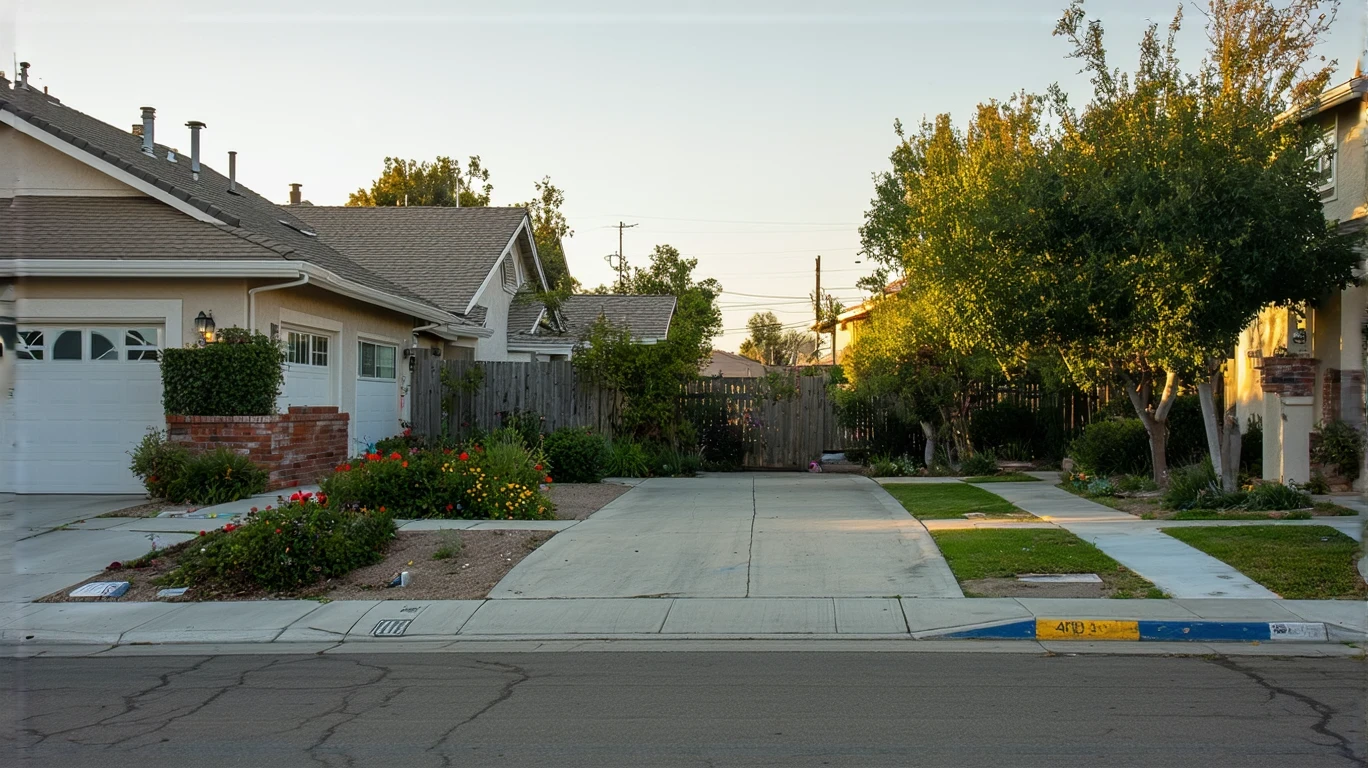
Corona and Murrieta sit roughly 20 miles apart in California’s Inland Empire, sharing the same regional economy, unemployment rate, and price parity index—yet the way cost pressure shows up in daily life differs sharply between them. Corona’s median home value reaches $624,200, while Murrieta’s sits at $567,700; but renters face the opposite pattern, with Corona averaging $2,020 per month and Murrieta $2,150. These aren’t small distinctions—they signal fundamentally different housing markets, different commute realities, and different tradeoffs between entry barriers and ongoing obligations. For households deciding between the two in 2026, the question isn’t which city costs less overall, but which cost structure aligns with how they live, work, and move through the day.
Both cities anchor family-oriented suburban life in Southern California, but Corona’s infrastructure reveals walkable pockets, rail transit access, and notable cycling infrastructure—features that reshape how households navigate errands, commutes, and daily logistics. Murrieta, by contrast, operates within a more car-dependent framework, where transportation decisions and housing form interact differently with cost exposure. The choice between them hinges on whether a household prioritizes lower purchase entry with higher ongoing mobility costs, or higher rent with potentially simpler transportation logistics. This comparison explains where those differences concentrate, who feels them most acutely, and why the same gross income can feel stable in one city and stretched in the other.
Housing Costs in Corona vs Murrieta
Corona’s housing market imposes a steeper entry barrier for buyers, with a median home value of $624,200 compared to Murrieta’s $567,700—a difference of over $56,000 that translates directly into down payment requirements, mortgage qualification thresholds, and monthly principal-and-interest obligations. For first-time buyers or households stretching to enter ownership, that gap matters: it determines whether a household qualifies at all, and whether the front-loaded cost leaves room for maintenance reserves, moving expenses, or furnishing a larger space. Corona’s higher purchase prices reflect proximity to job centers, transit infrastructure, and denser commercial corridors, all of which reduce transportation friction but concentrate more cost pressure into the housing line item itself.
Renters face the opposite dynamic. Murrieta’s median gross rent of $2,150 per month exceeds Corona’s $2,020 by $130 monthly, or roughly $1,560 annually—a recurring obligation that compounds over lease renewals and limits flexibility for households prioritizing liquidity over equity accumulation. The rent premium in Murrieta may reflect newer housing stock, larger floor plans, or lower density neighborhoods where single-family rentals dominate, but it also means renters absorb more ongoing cost without the offsetting benefit of property appreciation or mortgage paydown. For young professionals, dual-income couples without kids, or households planning to relocate within a few years, Corona’s lower rent can preserve cash flow and reduce exposure to lease-renewal volatility.
Housing type and tenure interact with these differences in meaningful ways. Corona’s mix of older single-family homes, townhomes, and apartment complexes offers more variety in price and form, which can help households find entry points that match their budget and lifestyle. Murrieta’s housing stock skews newer and more uniform, with larger lots and more separation between residential and commercial zones—a structure that appeals to families prioritizing space and quiet but limits options for renters seeking walkable access to errands or transit. The decision isn’t about which city offers cheaper housing in aggregate; it’s about whether a household is more exposed to purchase barriers or ongoing rent obligations, and whether the housing form aligns with how they plan to move, work, and manage daily logistics.
| Housing Type | Corona | Murrieta |
|---|---|---|
| Median Home Value | $624,200 | $567,700 |
| Median Gross Rent | $2,020/month | $2,150/month |
Housing takeaway: Corona imposes higher purchase entry barriers but offers lower rent, making it more accessible for renters and more challenging for first-time buyers. Murrieta reverses that pattern, with lower home values but higher rent—favoring households ready to buy but penalizing renters with ongoing obligations. Families prioritizing ownership and long-term equity may find Murrieta’s entry point more manageable; renters, young professionals, and households prioritizing cash flow flexibility will feel less pressure in Corona. The difference isn’t about total housing cost—it’s about whether the household is more sensitive to front-loaded barriers or recurring monthly obligations.
Utilities and Energy Costs
Utility cost exposure in Corona and Murrieta operates within nearly identical rate structures, but the way those rates interact with housing stock, climate, and household behavior creates meaningfully different cost experiences. Corona’s electricity rate sits at 31.91¢/kWh, while Murrieta’s reaches 33.60¢/kWh—a difference of 1.69 cents per kilowatt-hour that compounds over months of air conditioning use during the Inland Empire’s extended cooling season. Natural gas pricing remains nearly identical, with Corona at $21.89/MCF and Murrieta at $21.94/MCF, meaning heating exposure during brief winter cold snaps imposes similar pressure in both cities. The real divergence comes from how housing age, insulation quality, and home size amplify or dampen those baseline rates.
Corona’s older housing stock—much of it built before modern energy efficiency standards—tends to leak conditioned air more readily, forcing HVAC systems to work harder and longer to maintain comfort during triple-digit summer heat. Larger single-family homes with vaulted ceilings, older windows, and minimal insulation can see cooling costs dominate the utility budget from May through October, even with rate structures only marginally lower than Murrieta’s. Murrieta’s newer construction, by contrast, often includes better insulation, dual-pane windows, and more efficient HVAC systems, which can offset the slightly higher electricity rate and reduce overall consumption. For households moving into older Corona homes, the lower rate may not translate into lower bills if the home itself demands more energy to cool.
Household size and home type further shape utility exposure. Single adults or couples in smaller Corona apartments benefit from lower baseline usage and the city’s marginally lower electricity rate, keeping summer bills more predictable. Families in larger Murrieta homes face higher absolute consumption due to square footage and occupancy, but newer construction can limit how much that consumption costs per kilowatt-hour. Renters in both cities often see water, trash, and sometimes gas bundled into rent or billed separately by landlords, which can obscure the true cost structure and limit control over usage. Homeowners, meanwhile, absorb the full volatility of seasonal swings, making summer utility bills a recurring pressure point that varies more by home age and size than by city-level rate differences.
Utility takeaway: Murrieta’s slightly higher electricity rate matters less than housing stock age and home size in determining actual utility exposure. Corona’s older homes can negate the rate advantage through higher consumption, especially during cooling season. Families in larger, newer Murrieta homes may experience more predictable bills despite higher rates; households in older Corona single-family homes face more volatility. The primary driver isn’t the rate—it’s how the home itself responds to the Inland Empire’s climate extremes, and whether the household has control over insulation, HVAC efficiency, and usage timing.
Groceries and Daily Expenses
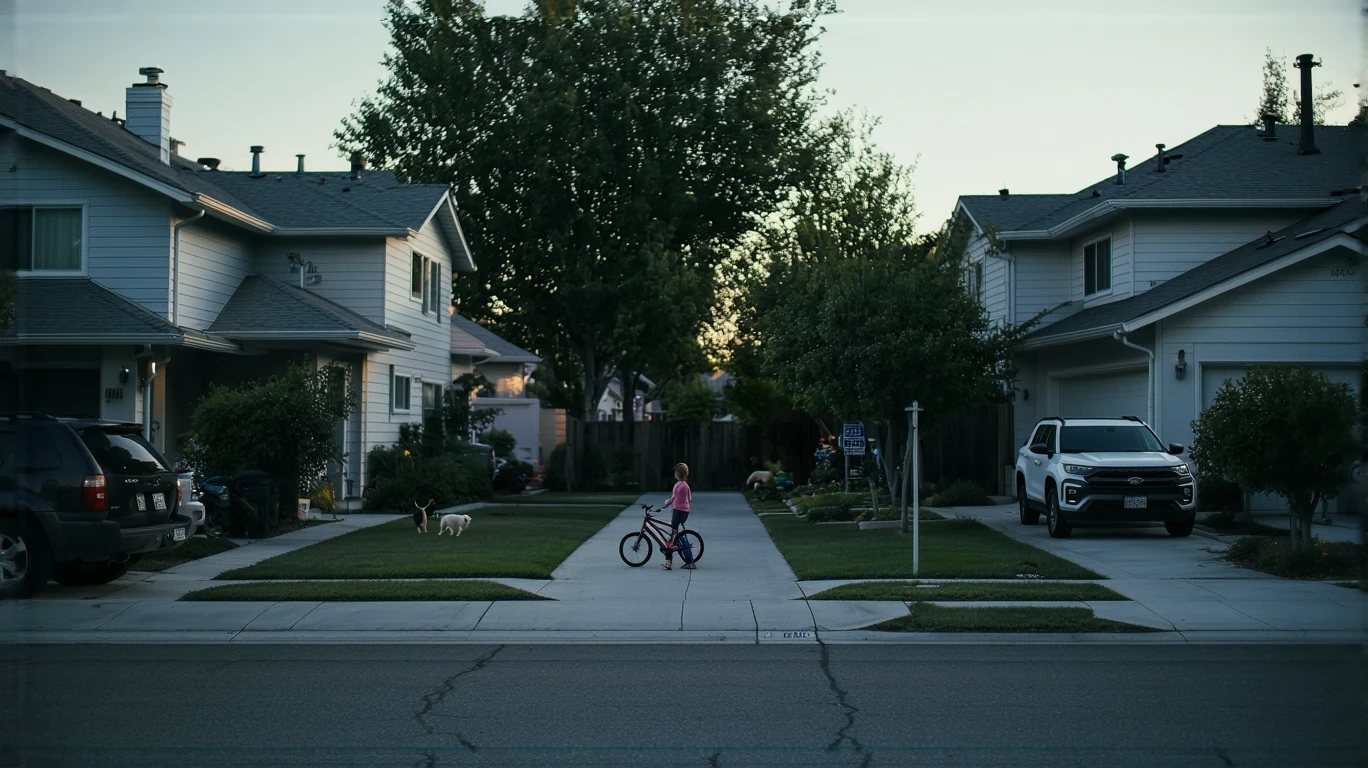
Grocery and everyday spending pressure in Corona and Murrieta reflects less about price differences—both cities share the same regional price parity index of 100—and more about how access, convenience, and household routines interact with cost discipline. Corona’s corridor-clustered food and grocery establishments, supported by walkable pockets and mixed land use, mean households can often reach multiple grocery options, discount chains, and prepared food outlets without long drives or dedicated trips. That density creates more opportunity for price comparison, impulse control, and strategic shopping across different store formats. Murrieta’s more dispersed layout, by contrast, tends to concentrate grocery access along major corridors, making each shopping trip more intentional but also more car-dependent and less flexible for quick top-up runs or price hunting.
The distinction matters most for households managing larger grocery volumes or tight budgets. Families with kids in Corona can layer discount grocers, bulk warehouse clubs, and neighborhood markets into a single errand loop, reducing per-unit costs through strategic sourcing. In Murrieta, the same family may rely more heavily on a single primary grocer due to distance and time constraints, which can limit flexibility and expose the household to that store’s pricing structure. Single adults and couples, meanwhile, may find Corona’s denser commercial fabric more conducive to convenience spending—coffee shops, takeout, and quick-service dining are more accessible on foot or by bike, which can either save time or quietly inflate spending depending on habits and discipline.
Prepared food and dining out frequency also diverge based on infrastructure. Corona’s rail transit access, walkable pockets, and mixed-use corridors make it easier to incorporate dining out into daily routines without dedicated car trips, which can normalize higher spending on meals away from home. Murrieta’s car-oriented layout tends to make dining out a more deliberate choice, often tied to weekend outings or special occasions rather than weeknight convenience. For households sensitive to grocery budget creep, the question isn’t whether one city’s food costs more—it’s whether the built environment encourages or discourages convenience spending, and whether the household has the time and discipline to optimize across multiple store formats.
Grocery takeaway: Corona’s denser commercial corridors and walkable access create more flexibility for price comparison and strategic shopping, but also more temptation for convenience spending on prepared food and dining out. Murrieta’s car-dependent layout imposes more friction on quick grocery runs, which can limit flexibility but also reduce impulse spending. Families managing large grocery volumes may find Corona’s multi-store access more cost-effective; single adults and couples may face higher convenience spending in Corona if habits drift toward takeout and coffee shops. The cost difference isn’t in prices—it’s in how the built environment shapes shopping routines and spending discipline.
Taxes and Fees
Property taxes, sales taxes, and local fees in Corona and Murrieta operate within California’s statewide frameworks, but the way those obligations land on different household types reveals meaningful distinctions. Both cities fall under Riverside County’s property tax structure, which applies a base rate of roughly 1% of assessed value plus voter-approved bonds and assessments that vary by neighborhood and school district. Corona’s higher median home value of $624,200 translates into higher absolute property tax bills for homeowners compared to Murrieta’s $567,700 median, even if the effective rate remains similar. That difference—potentially several hundred dollars annually—compounds over years of ownership and affects affordability calculations for households stretching to qualify for a mortgage.
Renters, by contrast, don’t pay property taxes directly, but landlords often pass those costs through in the form of higher base rent or annual increases tied to tax reassessments. Murrieta’s higher median rent of $2,150 per month may already embed property tax obligations, HOA fees, or special assessments that homeowners in newer developments face. Corona’s lower rent of $2,020 per month may reflect older housing stock with lower assessed values and fewer HOA-managed amenities, reducing the pass-through tax burden on renters. For households planning to rent long-term, the tax structure matters less than the rent itself; for those planning to buy, the assessed value and local bond measures become recurring obligations that shape monthly budgets for the life of ownership.
Sales taxes in both cities hover near California’s statewide baseline, with local add-ons for transportation and public safety measures that vary by jurisdiction. These affect all households equally on a per-transaction basis, but the cumulative impact grows with spending volume—families making frequent large purchases (furniture, appliances, vehicles) feel the sales tax burden more acutely than single adults or couples with lower consumption. Local fees for utilities, trash collection, and water service can vary by provider and housing type, with some Murrieta neighborhoods bundling services through HOAs and others billing separately. Corona’s older neighborhoods more commonly see unbundled billing, giving homeowners more visibility into each line item but also more administrative friction.
Taxes and fees takeaway: Corona’s higher home values impose higher absolute property tax obligations on owners, while Murrieta’s higher rent may already embed those costs for renters. Homeowners in Corona face more predictable, unbundled fee structures; Murrieta homeowners in newer developments may encounter HOA fees and special assessments that bundle services but reduce transparency. Long-term owners in either city will see property taxes rise with assessed value over time, but the initial entry point matters more for households stretching to qualify. Renters feel tax pressure indirectly through rent levels, making Murrieta’s higher rent a more immediate concern than the underlying tax structure.
Transportation and Commute Reality
Transportation cost exposure in Corona and Murrieta diverges sharply based on infrastructure, commute patterns, and how households navigate daily errands. Corona’s average commute sits at 35 minutes, with 56.0% of workers facing long commutes—a reflection of the city’s role as a bedroom community for job centers in Orange County, Los Angeles, and San Bernardino. But Corona also offers rail transit access, walkable pockets, and notable cycling infrastructure, which means households can layer non-car options into their routines for errands, short trips, and even some commute segments. Gas prices in Corona reach $4.50/gal, and while that’s high in absolute terms, the ability to reduce car dependency for daily tasks can limit how much fuel a household burns over the course of a month.
Murrieta lacks documented commute data in the available feed, but the absence of rail transit, walkable infrastructure, and mixed-use corridors signals a more car-dependent framework. Gas prices in Murrieta sit slightly lower at $4.22/gal, but that 28-cent-per-gallon advantage evaporates quickly if every errand, school drop-off, and grocery run requires a dedicated car trip. Households in Murrieta may find themselves driving more miles per week even if individual trips feel shorter, simply because the built environment offers fewer alternatives. For families managing multiple drivers, after-school activities, and weekend errands, the cumulative mileage and fuel consumption can exceed what a Corona household experiences despite Corona’s longer average commute.
The distinction matters most for households with flexibility in how they structure their days. Single adults or couples working remotely—21.1% of Corona workers work from home—can take advantage of Corona’s walkable corridors and transit access to reduce car dependency entirely for days at a time. Families with school-age kids in Murrieta, by contrast, may find themselves locked into multi-car ownership and high weekly mileage simply to manage logistics. Corona’s rail transit doesn’t eliminate car ownership for most households, but it does create optionality: a second car becomes less essential, ride-sharing becomes more viable, and fuel costs become more controllable. Murrieta’s car-oriented layout offers less flexibility, meaning transportation costs feel more fixed and less responsive to household behavior changes.
Cost Structure Comparison
Housing pressure concentrates differently in Corona and Murrieta, shaping how households experience financial strain over time. Corona’s higher home values impose steeper entry barriers for buyers, but lower rent offers relief for renters and households prioritizing liquidity. Murrieta reverses that pattern: lower purchase prices make ownership more accessible, but higher rent penalizes renters with ongoing obligations that compound over lease renewals. For first-time buyers, Murrieta’s $567,700 median home value creates a more manageable entry point; for renters planning to stay flexible, Corona’s $2,020 median rent preserves cash flow and reduces exposure to annual increases. The housing cost difference isn’t about totals—it’s about whether the household is more sensitive to front-loaded barriers or recurring monthly obligations.
Utilities introduce more volatility in Corona due to older housing stock, even though the city’s electricity rate sits slightly lower than Murrieta’s. Homes built before modern efficiency standards demand more energy to cool during the Inland Empire’s extended summer heat, which can negate the rate advantage and create unpredictable seasonal spikes. Murrieta’s newer construction tends to insulate households from that volatility, making utility bills more predictable despite the marginally higher rate. Families in larger, older Corona homes face more exposure; single adults or couples in smaller, newer Murrieta apartments experience more stability. The utility cost difference isn’t in the rate—it’s in how the home itself responds to climate extremes.
Transportation patterns matter more in Corona, where longer average commutes and higher gas prices create ongoing fuel exposure, but rail transit and walkable infrastructure offer households tools to reduce car dependency for errands and short trips. Murrieta’s lower gas price offers a marginal advantage, but the car-oriented layout means households drive more miles per week simply to manage daily logistics. For families with multiple drivers, Murrieta’s structure can impose higher cumulative transportation costs despite the lower per-gallon price. For remote workers or households with flexible schedules, Corona’s transit access and walkable corridors create optionality that reduces fixed transportation obligations.
Groceries and daily expenses reflect less about price differences—both cities share the same regional price parity—and more about how access shapes spending habits. Corona’s denser commercial corridors create more flexibility for price comparison and strategic shopping, but also more temptation for convenience spending on prepared food and dining out. Murrieta’s car-dependent layout imposes friction on quick grocery runs, which can limit flexibility but also reduce impulse spending. Households sensitive to budget creep may prefer Murrieta’s more deliberate shopping structure; households prioritizing time efficiency and variety may find Corona’s multi-store access more valuable.
The decision between Corona and Murrieta isn’t about which city costs less overall—it’s about which cost structure aligns with how the household earns, spends, and moves through daily life. Households sensitive to housing entry barriers may prefer Murrieta; those prioritizing rent affordability and transit optionality may prefer Corona. Families managing older homes and long commutes will feel more pressure in Corona; families in newer homes with car-dependent logistics will feel more pressure in Murrieta. The better choice depends on which costs dominate the household’s budget, and whether predictability or flexibility matters more in managing those costs over time.
How the Same Income Feels in Corona vs Murrieta
Single Adult
For a single adult, Corona’s lower rent and walkable infrastructure reduce the share of income consumed by housing and transportation, creating more flexibility for discretionary spending or savings. Murrieta’s higher rent and car-dependent layout mean more income flows toward fixed obligations—rent, fuel, car maintenance—leaving less room for variability. In Corona, a single adult can manage daily errands on foot or by bike, reducing the need for a second vehicle or frequent fuel purchases; in Murrieta, car ownership becomes non-negotiable, and every errand requires planning and mileage. The same gross income feels more flexible in Corona because fewer costs are locked into recurring, non-negotiable obligations.
Dual-Income Couple
A dual-income couple in Corona faces higher housing entry barriers if buying, but lower rent if renting, which can preserve cash flow for other priorities like travel, dining out, or building an emergency fund. Murrieta’s lower home values make ownership more accessible, but higher rent penalizes couples who aren’t ready to buy. Transportation costs in Corona can be managed through transit and walkable access, reducing the need for two cars if one partner works remotely or commutes by rail; in Murrieta, two-car ownership becomes essential, and fuel costs compound with every commute and errand. The same income feels more stable in Corona for renters, more stable in Murrieta for buyers ready to lock in ownership and absorb the car-dependent logistics.
Family with Kids
Families with kids in Corona face higher purchase entry barriers and more utility volatility in older homes, but lower rent and transit access can offset some of that pressure if the family rents or manages transportation strategically. Murrieta’s lower home values and newer housing stock reduce entry barriers and utility unpredictability, but higher rent and car-dependent logistics mean more income flows toward housing and transportation simply to manage school drop-offs, activities, and weekend errands. In Corona, families can layer transit, biking, and walkable errands into their routines, reducing the need for constant car use; in Murrieta, multi-car ownership and high weekly mileage become unavoidable. The same income feels more stretched in Murrieta for renters, more stretched in Corona for buyers managing older homes and long commutes.
Decision Matrix: Which City Fits Which Household?
| Decision factor | If you’re sensitive to this… | Corona tends to fit when… | Murrieta tends to fit when… |
|---|---|---|---|
| Housing entry + space needs | Down payment size, mortgage qualification, or ongoing rent obligations | You’re renting and prioritize lower monthly obligations over ownership | You’re ready to buy and prefer lower purchase entry barriers |
| Transportation dependence + commute friction | Fuel costs, car ownership requirements, or commute time | You can use transit or bike for errands and value optionality over car dependency | You’re comfortable with multi-car ownership and prefer shorter local trips |
| Utility variability + home size exposure | Seasonal bill spikes, older home inefficiency, or cooling costs | You’re in a smaller or newer unit and can manage consumption actively | You’re in newer construction and prioritize predictable utility bills |
| Grocery strategy + convenience spending creep | Price comparison access, impulse control, or time spent shopping | You value multi-store access and can resist convenience spending temptation | You prefer deliberate shopping trips and less exposure to impulse purchases |
| Fees + friction costs (HOA, services, upkeep) | Transparency in billing, bundled services, or recurring assessments | You prefer unbundled fees and more control over service choices | You’re comfortable with HOA structures and bundled amenities |
| Time budget (schedule flexibility, errands, logistics) | Errand efficiency, multi-stop trips, or managing family schedules | You can layer errands into walkable or transit-accessible routines | You have time to manage car-dependent logistics and prefer larger home space |
Lifestyle Fit
Corona and Murrieta offer distinct lifestyle textures that extend beyond cost structure into how households spend time, manage logistics, and experience daily routines. Corona’s walkable pockets, rail transit access, and integrated green space create opportunities for households to incorporate outdoor recreation, errands, and short trips into their days without constant car reliance. Families with kids can access parks, playgrounds, and schools within walking or biking distance in some neighborhoods, reducing the time and fuel spent on logistics. Single adults and couples benefit from mixed-use corridors where dining, coffee shops, and grocery stores cluster within reach, making it easier to run errands on foot or by bike. The city’s infrastructure doesn’t eliminate car ownership, but it does create optionality—households can choose when to drive and when to walk, which can reduce both transportation costs and the mental load of constant trip planning.
Murrieta’s lifestyle centers more on space, privacy, and newer housing stock, with larger lots, quieter streets, and more separation between residential and commercial zones. Families prioritizing yard space, newer construction, and lower-density neighborhoods will find Murrieta’s layout more aligned with those preferences, even if it means more time spent driving to reach schools, parks, and shopping. The car-dependent structure can feel more burdensome for households managing multiple schedules—school drop-offs, after-school activities, weekend errands—but it also offers more predictability and less exposure to the density and congestion that can accompany Corona’s more compact corridors. For retirees, remote workers, or families with flexible schedules, Murrieta’s quieter pace and newer amenities can offset the higher transportation friction.
Recreation and outdoor access differ meaningfully between the two cities. Corona’s integrated green space and water features provide more immediate access to parks and outdoor activities, which can reduce the need for weekend drives to regional trails or recreation areas. Murrieta’s park density sits lower, meaning families may need to plan longer trips for outdoor recreation, but the city’s proximity to wine country, regional parks, and open space preserves offers weekend destination options that Corona residents also access. Both cities experience similar climate patterns—hot, dry summers and mild winters—but Corona’s older housing stock and denser layout can make summer heat feel more oppressive without access to green space or air-conditioned indoor alternatives. Murrieta’s newer homes and larger lots offer more private outdoor space, which can provide relief during peak heat without requiring trips to public parks.
Quick facts: Corona offers rail transit access and walkable corridors that reduce car dependency for errands and short trips, making it easier for households to manage daily logistics without constant driving. Murrieta’s newer housing stock and larger lots appeal to families prioritizing space and privacy, but the car-oriented layout means more time and fuel spent on routine errands and school runs.
Frequently Asked Questions
Is Corona or Murrieta cheaper for renters in 2026?
Corona offers lower median rent at $2,020 per month compared to Murrieta’s $2,150, making it more accessible for renters prioritizing cash flow and flexibility. The $130 monthly difference compounds over lease renewals, and Corona’s walkable infrastructure can further reduce transportation costs for renters who can manage errands without constant car use. Murrieta’s higher rent may reflect newer housing stock and larger floor plans, but renters absorb that premium as an ongoing obligation without the offsetting benefit of equity accumulation.
Which city has lower housing entry barriers for first-time buyers?
Murrieta’s median home value of $567,700 sits over $56,000 below Corona’s $624,200, creating a more manageable entry point for first-time buyers stretching to qualify for a mortgage. That difference translates into lower down payment requirements, smaller monthly principal-and-interest obligations, and more room in the budget for maintenance reserves and moving costs. Corona’s higher home values reflect proximity to transit and denser commercial corridors, but those benefits come at the cost of steeper purchase barriers.
How do commute patterns differ between Corona and Murrieta?
Corona’s average commute reaches 35 minutes, with 56% of workers facing long commutes, reflecting the city’s role as a bedroom community for regional job centers. But Corona also offers rail transit access and walkable infrastructure, which can reduce car dependency for errands and short trips even if the primary commute remains long. Murrieta lacks documented commute data, but the absence of rail transit and walkable corridors signals a more car-dependent framework where every trip requires driving, potentially increasing cumulative weekly mileage despite shorter individual commutes.
Do utility costs vary significantly between Corona and Murrieta?
Utility rates differ only marginally—Corona’s electricity sits at 31.91¢/kWh versus Murrieta’s 33.60¢/kWh, and natural gas prices remain nearly identical. The real difference comes from housing stock age and home size: Corona’s older homes can demand more energy to cool during summer heat, negating the rate advantage, while Murrieta’s newer construction tends to limit consumption through better insulation and more efficient HVAC systems. Families in larger, older Corona homes face more utility volatility; households in newer Murrieta homes experience more predictable bills.
Which city fits families with kids better in 2026?
The answer depends on whether the family prioritizes ownership entry barriers or ongoing rent obligations, and whether they value walkable infrastructure or larger home space. Murrieta’s lower home values and newer construction make ownership more accessible and utility bills more predictable, but higher rent penalizes families who aren’t ready