
A summer electric bill topping $320 can jolt even prepared households in Corona—but it’s not a fluke. In this inland Southern California city, utility costs are shaped less by base rates than by climate exposure, home efficiency, and how long the air conditioning runs each day. Understanding what drives those swings, and which utilities dominate your monthly outflow, is essential whether you’re moving to Corona or trying to stabilize expenses in a home you already own.
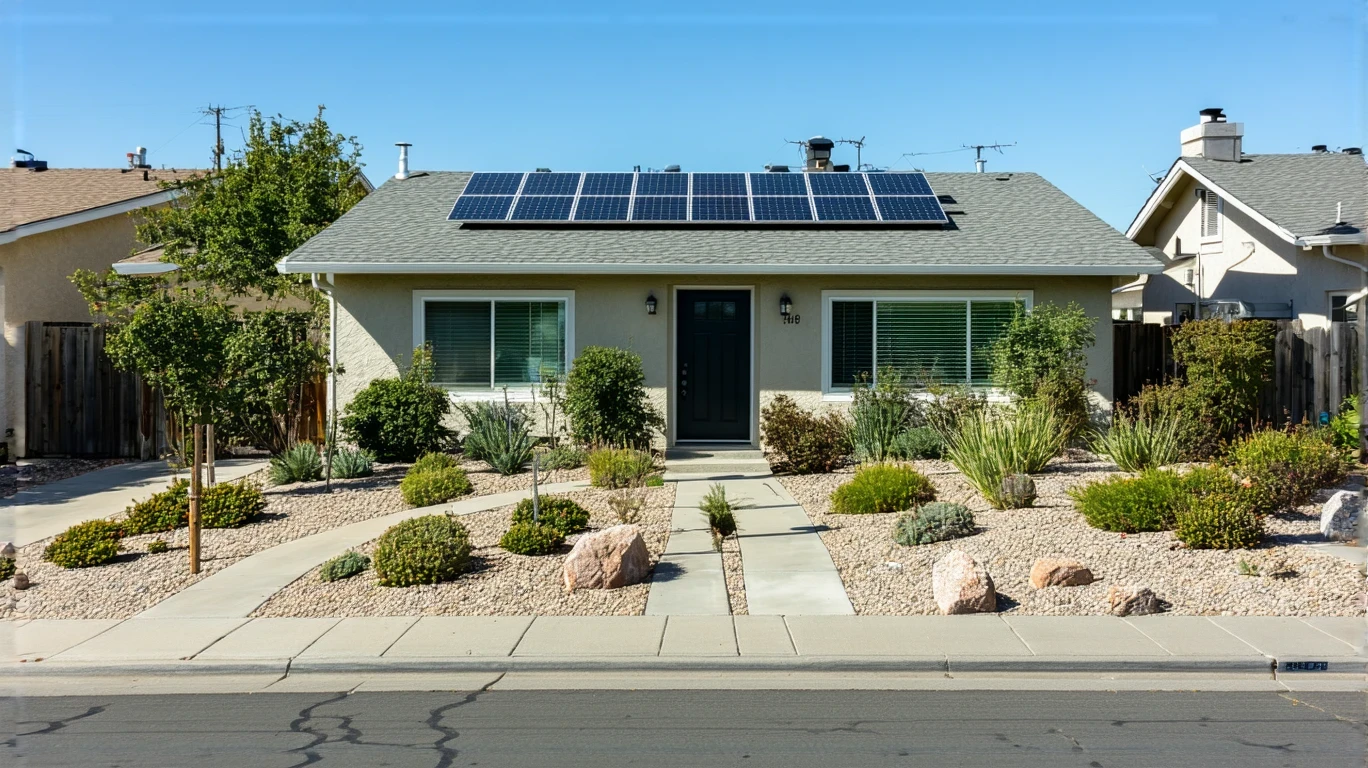
Understanding Utilities in Corona
Utilities represent the second-largest fixed expense for most Corona households after housing, yet they behave less predictably than rent or a mortgage. Unlike a lease payment that stays constant month to month, utility bills fluctuate with weather, occupancy, and behavioral choices—making them both a planning challenge and an opportunity for control. In Corona, where summer heat stretches from May into October and triple-digit afternoons are routine, cooling costs dominate the annual utility profile. Natural gas, water, trash, and recycling round out the typical bundle, but their combined impact rarely matches the seasonal swings driven by electricity alone.
For renters, utility responsibility varies widely: some apartments include water and trash in the lease, while single-family rentals almost always pass all utility costs to tenants. Homeowners face the full exposure, plus the added complexity of managing efficiency upgrades, rate plans, and seasonal budgeting. New movers often underestimate the gap between a mild spring month and a peak summer bill, especially if they’re coming from coastal areas where cooling needs are lighter or from regions where heating dominates the annual curve. Corona’s climate flips that script—air conditioning is the primary cost driver, and understanding that reality early shapes both housing decisions and monthly cash flow.
The structure of utility billing in Corona also matters. Electricity is typically metered and billed per kilowatt-hour, making it highly usage-sensitive. Water follows tiered pricing, where exceeding baseline allocations triggers higher per-unit costs—a common feature across Southern California designed to encourage conservation. Natural gas is billed per therm or MCF, with costs concentrated in winter months when heating systems cycle on. Trash and recycling are often bundled with water service or included in HOA fees, depending on neighborhood and housing type. Knowing which utilities are fixed, which are variable, and which respond to behavior gives households the leverage to reduce volatility without sacrificing comfort.
Utilities at a Glance in Corona
The table below shows how core utility costs typically behave for a mid-size household in a single-family home in Corona. Where city-level prices are available in the data feed, they are shown directly. When exact figures are not provided, categories are described qualitatively to reflect how costs are structured and what drives variability.
| Utility | Cost Structure |
|---|---|
| Electricity | 31.91¢/kWh; usage-sensitive and climate-driven |
| Water | Tiered pricing; usage-dependent with conservation incentives |
| Natural Gas | $21.89/MCF; winter-driven, heating-dependent |
| Trash & Recycling | Bundled with water or HOA; typically fixed monthly |
| Total | Seasonal variability driven by electricity and heating |
This table reflects utility cost structure for a mid-size household in a single-family home in Corona during 2026. Where exact figures are not provided in the IndexYard data feed, categories are described directionally to reflect how costs behave rather than a receipt-accurate total.
Electricity is billed at 31.91 cents per kilowatt-hour in Corona, a rate that reflects California’s higher-than-national energy costs but remains secondary to usage volume as the true cost driver. A household using 1,000 kWh in a peak summer month—common for a mid-size home with central air conditioning running daily—would face roughly $319 before fees and taxes. That same household might use 400–500 kWh in a mild spring month, cutting the bill by more than half. Electricity is typically the most exposure-sensitive utility in Corona, driven more by climate and home efficiency than by base rates.
Water costs in Corona follow tiered pricing structures typical across Southern California, where baseline allocations are set per household size and property type, and exceeding those tiers triggers higher per-gallon rates. Outdoor irrigation, pool maintenance, and lawn care push many single-family homes into higher tiers during summer, while apartments and townhomes with minimal landscaping tend to stay within baseline ranges. Conservation measures—low-flow fixtures, drought-tolerant landscaping, and behavioral adjustments—directly reduce both usage and per-unit costs, making water one of the more controllable line items despite its structural complexity.
Natural gas is priced at $21.89 per thousand cubic feet (MCF) in Corona, with costs concentrated in winter months when heating systems cycle on during cool mornings and evenings. Corona’s mild winters mean natural gas exposure is far lighter than in colder climates—many households use less than one MCF per month during peak heating season, translating to modest bills even at this rate. Homes with gas water heaters or cooking appliances see year-round usage, but the seasonal swing remains minimal compared to electricity’s summer dominance.
Trash and recycling services in Corona are often bundled with water billing or included in homeowners association fees, depending on neighborhood and housing type. For households where trash is billed separately, costs are typically fixed monthly rather than usage-based, making this one of the most predictable utility line items. Recycling is usually included in the same service tier, with occasional add-ons for bulky item pickup or extra bins.
How Weather Impacts Utilities in Corona
Corona’s inland Southern California location delivers hot, dry summers and mild winters, a climate profile that pushes cooling costs to the center of the annual utility calendar. From late May through October, afternoon temperatures regularly climb into the 90s and frequently break 100°F, forcing air conditioning systems to run for extended hours—often from mid-morning through evening. Unlike coastal areas where marine breezes moderate heat, or desert regions where nighttime temperatures drop sharply, Corona’s summer days are long and sustained, keeping indoor temperatures elevated well into the evening. This extended cooling season is the single largest driver of utility cost variability for most households, capable of doubling or tripling monthly electric bills compared to spring or fall baselines.
Winter in Corona brings mild temperatures with rare freezing nights, meaning heating costs remain modest and predictable. Natural gas furnaces cycle on during cool mornings and evenings, but the heating season is short and the intensity low compared to regions with sustained cold. Many households see natural gas bills peak in December and January, but the totals rarely approach summer electricity exposure. Homes with electric heat pumps or baseboard systems face slightly higher winter electric bills, but even those increases pale next to summer cooling demands. The asymmetry is stark: Corona households experience noticeably higher electric bills during peak summer compared to spring, while winter heating adds only a modest bump to the annual curve.
Humidity is low year-round in Corona, which helps air conditioning systems run more efficiently than in humid climates where moisture loads increase cooling demands. However, the sheer duration of heat exposure—six months of elevated temperatures rather than a brief summer spike—means efficiency gains are quickly offset by runtime. Homes with poor insulation, older HVAC systems, or west-facing windows without shade see the steepest seasonal swings, while newer construction with better envelopes and programmable thermostats can moderate the impact. One regional quirk worth noting: Corona’s position in the Inland Empire means it shares the valley heat trap effect, where warm air settles and lingers, making evening cooling slower than in hillside or elevated neighborhoods nearby.
How to Save on Utilities in Corona
Reducing utility costs in Corona starts with recognizing that electricity dominates both the total and the volatility, making cooling efficiency the highest-leverage target for most households. Programmable or smart thermostats allow precise control over when air conditioning runs, letting households avoid cooling empty homes during work hours or overnight when temperatures drop. Even a few degrees of adjustment—setting the thermostat to 78°F instead of 74°F during peak afternoon hours—reduces compressor runtime and lowers monthly bills without sacrificing comfort during occupied hours. Ceiling fans and strategic window shading (especially on west-facing glass) further reduce cooling loads by improving air circulation and blocking direct solar gain.
Many electricity providers in the Inland Empire region offer time-of-use rate plans, where power costs less during off-peak hours (typically late evening and early morning) and more during peak afternoon demand. Households that can shift usage—running dishwashers, laundry, and pool pumps after 9 p.m., for example—can lower their effective per-kWh cost without reducing total consumption. Solar panel adoption is widespread in Corona, supported by state and federal incentives that reduce upfront costs and allow net metering, where excess generation offsets grid usage. While solar requires capital investment, it directly addresses the utility category with the highest exposure and the longest seasonal duration.
Water conservation measures—low-flow showerheads, efficient irrigation controllers, and drought-tolerant landscaping—help households stay within baseline tiers and avoid the higher per-gallon rates that kick in with heavy usage. Outdoor watering is the largest discretionary water expense for single-family homes in Corona, and shifting to drip irrigation or reducing lawn coverage can cut usage substantially. Trash and recycling costs are typically fixed, but confirming whether service is already bundled into HOA fees or water bills prevents double-payment and ensures households aren’t paying separately for included services.
- Enroll in time-of-use electricity plans and shift high-draw appliances to off-peak hours
- Install or upgrade to a programmable thermostat to reduce cooling runtime when the home is unoccupied
- Add shade trees or exterior window shades on west- and south-facing walls to block direct solar heat
- Replace older HVAC systems with high-SEER models eligible for utility rebates
- Switch to drip irrigation and drought-tolerant landscaping to stay within water baseline tiers
- Seal air leaks around doors, windows, and attic access points to reduce cooling loss
- Check for solar panel incentives and net metering programs available to Corona residents
🏆 Tip: Check if your provider in Corona offers rebates for energy-efficient AC units or heating systems—many Inland Empire utilities provide cash-back programs that reduce the upfront cost of high-efficiency replacements.
FAQs About Utility Costs in Corona
Why are utility bills so high in Corona during summer? Corona’s inland location and extended cooling season—often six months of temperatures in the 90s and above—force air conditioning systems to run for long hours daily, driving electricity usage well above spring or fall baselines. The rate per kilowatt-hour is only part of the equation; it’s the volume of usage during sustained heat that pushes bills into the $250–$350 range for mid-size homes in peak months.
What is the average monthly electric bill for an apartment in Corona compared to a single-family home? Apartments and townhomes in Corona typically see lower electric bills than single-family homes due to shared walls that reduce cooling loads, smaller square footage, and less exposure to direct sun. A two-bedroom apartment might use 500–700 kWh during summer, while a comparable single-family home could easily exceed 1,000 kWh, translating to a $100–$150 difference in peak months before accounting for insulation quality or thermostat habits.
Do HOAs in Corona usually include trash or water in their fees? Many planned communities and condominium associations in Corona bundle trash, water, and sometimes sewer service into monthly HOA fees, making those utilities effectively fixed costs rather than variable bills. Single-family homes outside HOA boundaries typically receive separate water and trash bills, either combined or issued by different providers depending on the neighborhood’s service contracts.
How does seasonal weather affect monthly utility bills in Corona? Summer heat drives the largest seasonal swing, with electricity bills often doubling or tripling from spring baselines due to air conditioning demands that stretch from May into October. Winter heating adds a modest bump to natural gas bills, but the increase is far smaller and shorter in duration, leaving electricity as the dominant source of annual volatility for most Corona households.
Does Corona offer incentives for solar panels or energy-efficient appliances? California’s statewide solar incentives, combined with federal tax credits and local utility rebate programs, make solar panel installation financially accessible for many Corona homeowners, with net metering allowing households to offset grid usage with rooftop generation. Energy-efficient appliance rebates—particularly for HVAC systems, water heaters, and smart thermostats—are also available through regional providers, reducing both upfront costs and long-term consumption.
How Utilities Fit Into the Cost Structure in Corona
Utilities in Corona function as both a fixed baseline and a variable exposure, with electricity’s seasonal swings creating the majority of month-to-month unpredictability. Unlike rent or mortgage payments that remain constant, utility bills respond directly to weather, occupancy, and efficiency choices, making them one of the few major household expenses where behavior and infrastructure directly control outcomes. For households managing tight budgets, understanding which utilities are fixed (trash, often water baseline), which are seasonal (electricity, natural gas), and which respond to conservation (water tiers, cooling runtime) provides the clarity needed to reduce volatility without sacrificing comfort or convenience.
The relationship between utilities and housing type is also significant in Corona. Single-family homes face full exposure to cooling costs, outdoor water usage, and landscape irrigation, while apartments and townhomes benefit from shared walls, smaller footprints, and often-included water or trash service. New movers evaluating what costs people most in Corona should weigh utility exposure alongside rent or mortgage amounts, particularly if comparing a lower-rent single-family home with high summer bills against a higher-rent apartment with modest utility costs. The total monthly outflow often tells a different story than the lease price alone.
Corona’s experiential structure—walkable pockets, rail transit access, and integrated green space—also shapes utility exposure indirectly. Households with shorter commutes or the ability to work from home may spend more daytime hours cooling their residence, increasing electricity usage but reducing transportation costs. Conversely, those who commute long hours leave homes unoccupied during peak heat, creating opportunities for programmable thermostat savings. The interplay between transportation patterns, housing type, and utility behavior is part of the broader cost structure that defines affordability in Corona, and it’s a dynamic that shifts with household composition, work schedules, and lifestyle priorities.
For a complete view of how utilities interact with rent, groceries, transportation, and other recurring expenses, explore your monthly budget in Corona to see where utility costs fit within the larger household cash flow picture. Utilities are rarely the largest line item, but they’re often the most volatile—and the most responsive to informed planning. Whether you’re moving to Corona or optimizing expenses in a home you already own, treating utilities as a controllable variable rather than a fixed cost unlocks both savings and predictability across the year.
How this article was built: In addition to public economic data, this article incorporates location-based experiential signals derived from anonymized geographic patterns—such as access density, walkability, and land-use mix—to reflect how day-to-day living actually feels in Corona, CA.