
74 out of 100 residents say they’re happy in Corona—but that number doesn’t tell you whether you’d be one of them. Happiness here isn’t about a single verdict; it’s about alignment. Corona offers suburban comfort, accessible parks, and housing that feels more attainable than coastal alternatives, but it asks for tradeoffs: longer commutes, car dependency for most errands, and a quieter social scene. The people who thrive here tend to value space, greenery, and family-friendly infrastructure over walkable urbanism and nightlife. The people who struggle often underestimated how much the commute would wear on them, or how much they’d miss the texture of denser, more spontaneous city life.
This article translates the emotional tone of living in Corona through the lens of public discussion—what people praise, what they tolerate, and what makes them restless. It’s not about proving Corona is “good” or “bad.” It’s about helping you predict whether the tradeoffs here match what you actually need.
What It Feels Like to Live in Corona
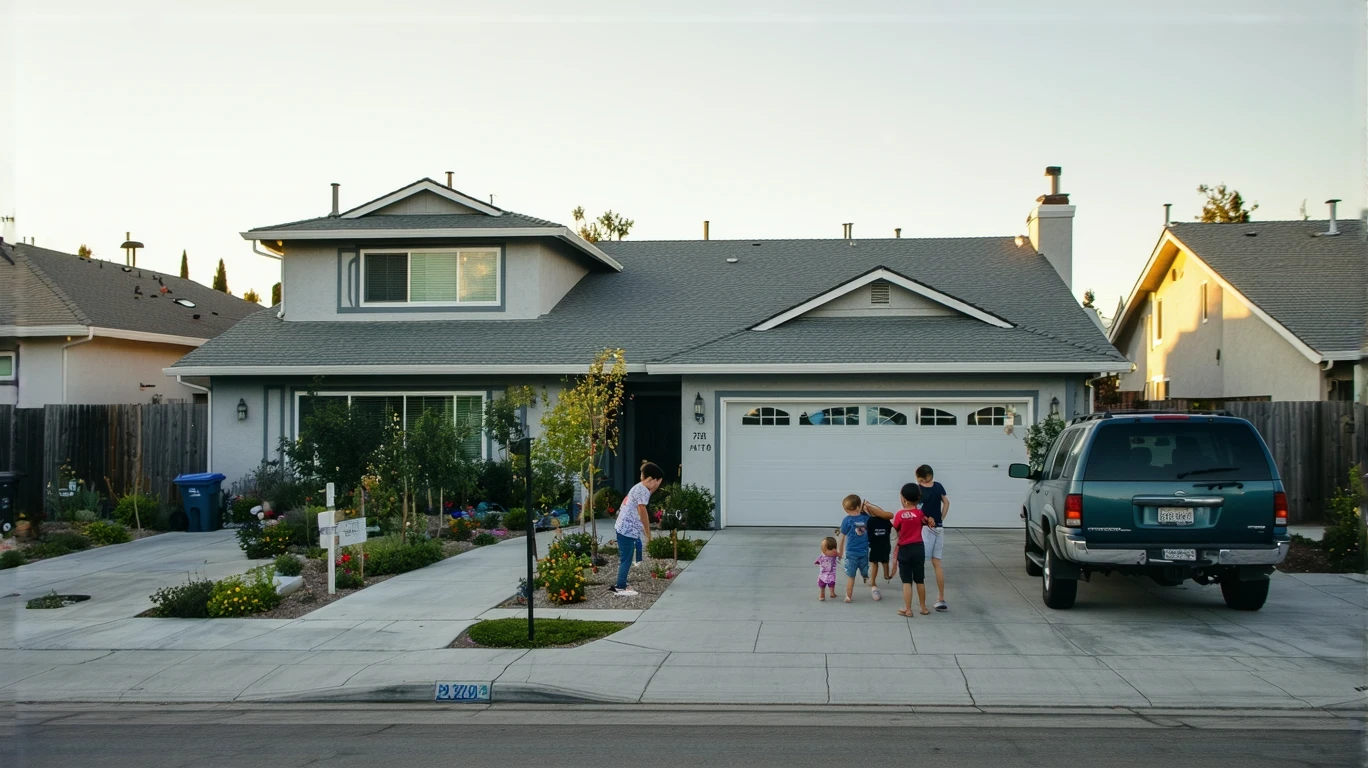
Corona sits in the Inland Empire with a reputation for being family-oriented, affordable relative to Orange County or Los Angeles, and blessed with more parks than many suburban peers. The vibe is suburban in structure but not sleepy—there’s a sense of activity, especially in areas with mixed-use pockets and along commercial corridors. People who feel at home here often describe it as a place where you can have a yard, send kids to decent schools, and still access hiking trails or regional rail without feeling completely isolated.
But Corona also carries the weight of its geography. It’s far enough from job centers that commuting becomes a daily calculation, and while rail service exists, most households still depend heavily on cars. The city has walkable pockets—higher pedestrian infrastructure in certain areas, notable bike presence—but the overall texture leans car-oriented. Errands are manageable, with grocery density exceeding expectations, but food and dining options cluster along corridors rather than spreading evenly. For families, the infrastructure is present: schools meet moderate density thresholds, parks are plentiful, and playgrounds exist, though not as densely as some might expect. Healthcare access is routine and local, with clinics available, but there’s no hospital within city limits for more serious needs.
The people who feel friction here often fall into two camps: those who underestimated how much time they’d spend in the car, and those who came expecting more spontaneity, walkability, or cultural variety than a suburban city typically offers. Corona isn’t trying to be urban, and it doesn’t pretend to be a resort town. It’s a place where you trade density and convenience for space and relative affordability—and whether that feels like freedom or compromise depends entirely on what you value day to day.
Social Media Buzz in Corona
In local Facebook groups and on Reddit threads about the Inland Empire, Corona’s name comes up often in conversations about commuting, housing affordability, and quality of life comparisons. The tone is rarely extreme—most discussions reflect pragmatic acceptance rather than passionate love or hate. People talk about Corona as a “solid choice” for families, a place where you get more house for your money, and where parks and trails make weekends feel less confined.
Recurring themes include pride in outdoor access and frustration with traffic. One commonly expressed sentiment: “We love the parks and the space, but the 91 freeway is a daily test of patience.” Another: “It’s not flashy, but it works for us—good schools, quiet streets, and we’re not drowning in rent.” There’s also a thread of protectiveness when Corona gets compared unfavorably to coastal cities: “People who complain about Corona usually wanted something it was never trying to be.”
Complaints tend to focus on sameness—both visual and social. Some residents describe the suburban layout as repetitive, and others wish there were more local dining or entertainment options that didn’t require a drive. The conversation isn’t bitter, but it’s honest: Corona delivers on suburban comfort and doesn’t apologize for what it isn’t.
Local News Tone
Local coverage of Corona tends to frame the city through the lens of growth, infrastructure adaptation, and identity negotiation. Headlines and story angles often reflect a city in transition—adding amenities, managing traffic, and debating what kind of place it wants to become as the Inland Empire continues to grow.
Simulated topic buckets that capture the tone of local coverage include:
- “Community Debates What Growth Should Look Like”
- “New Retail and Dining Arrive as Town Identity Evolves”
- “Residents Weigh Convenience Against Quiet”
- “Parks and Trails Remain Central to Local Quality of Life”
- “Commuters Seek Solutions as Traffic Pressure Builds”
The tone is rarely alarmist, but it’s also not celebratory. Local news reflects a city that’s functional, growing, and aware of its tradeoffs. There’s less focus on cultural events or civic innovation and more attention to practical concerns: road projects, school funding, retail development, and how to preserve the suburban character that drew people here in the first place.
Review-Based Public Perception
On platforms like Google Reviews, Yelp, and Nextdoor-style community boards, Corona’s public perception splits along expectation lines. People who wanted suburban comfort, outdoor access, and family-friendly infrastructure tend to leave positive reviews. Those who expected walkable urbanism, vibrant nightlife, or easy access to cultural amenities often express disappointment.
Praise centers on parks, space, and relative affordability. Residents frequently mention the quality and quantity of green space, the ability to have a yard, and the sense that Corona offers better value than nearby Orange County or Los Angeles. Families appreciate the school options and the feeling that neighborhoods are safe and quiet. One recurring theme: “It’s not exciting, but it’s exactly what we needed—room to breathe and a place the kids can play outside.”
Criticism tends to focus on car dependency, limited dining variety, and the commute burden. Some reviews note that while grocery stores are plentiful, finding interesting restaurants or entertainment requires planning and driving. Others mention that the city feels “cookie-cutter” in places, especially in newer planned developments. A common refrain: “If you’re okay with driving everywhere and don’t need a lot of nightlife, it’s fine. If you want walkability or spontaneity, look elsewhere.”
Neighborhood variation exists but is often described in broad terms: older pockets near the city center feel more established and slightly more walkable, while newer areas on the edges offer modern homes but less character. Healthcare access gets mixed reviews—clinics are available and convenient for routine needs, but the lack of a local hospital means serious medical situations require travel.
Comparison to Nearby Cities
| Aspect | Corona | Riverside | Murrieta |
|---|---|---|---|
| Overall Vibe | Suburban comfort with some walkable pockets | More urban texture, denser downtown core | Newer, quieter, more uniform suburban feel |
| Commute Burden | Long but rail option exists | Slightly shorter to some job centers | Longer, more car-dependent |
| Walkability | Pockets exist, mostly car-oriented | Better downtown walkability | Minimal, very car-dependent |
| Outdoor Access | High park density, integrated green space | Good parks, river access | Parks present, less dense |
| Dining & Nightlife | Corridor-clustered, moderate variety | More variety, denser options | Limited, chain-heavy |
| Family Infrastructure | Schools and parks present, playgrounds limited | Strong school options, more playgrounds | Family-focused, newer facilities |
Corona occupies a middle ground between Riverside’s denser, more urban character and Murrieta’s newer, quieter suburban uniformity. If you want more walkability, dining variety, and a stronger downtown core, Riverside may feel more aligned. If you prioritize newer construction, quieter streets, and don’t mind driving for everything, Murrieta might suit you better. Corona offers a compromise: more established than Murrieta, more suburban than Riverside, with better park access than both and a rail option that neither fully matches. The question isn’t which city is “better”—it’s which set of tradeoffs you’re willing to live with every day.
What Locals Are Saying
“We moved here from Orange County and finally feel like we can breathe. The mortgage is manageable, the kids have a yard, and we’re five minutes from a great trail. The commute is rough, but we knew that going in.” — Family of four, newer development
“Corona’s fine if you’re okay with suburban life, but it’s not for me long-term. Everything requires a drive, and I miss being able to walk to dinner or grab coffee without planning it like an errand.” — Young professional, renting near downtown
“I’ve been here twenty years and watched it grow. It’s not the same quiet town it was, but the parks are still amazing, and the sense of community hasn’t disappeared. Traffic is worse, though.” — Long-time homeowner
“The rail line is a lifesaver for my commute, but I still drive for groceries, errands, and anything social. It’s not a walkable city, even in the better areas.” — Remote worker with occasional office days
“We chose Corona for the schools and the space, and we’re happy with that decision. But if we need a hospital or want a nice dinner out, we’re driving to Riverside or beyond.” — Parents with school-age children
“It’s affordable compared to where we came from, but it’s also kind of bland. The neighborhoods all look the same, and there’s not much to do unless you’re into hiking or staying home.” — Newcomer from Los Angeles
“Corona works if you know what you’re getting. It’s not exciting, but it’s stable, safe, and we can actually save money here. That matters more to us than nightlife.” — Couple in their 30s, first-time homebuyers
Does Corona Feel Like a Good Fit?
Corona doesn’t ask you to love it unconditionally—it asks you to decide whether its tradeoffs align with your daily priorities. This is a city that works well for families seeking space, outdoor access, and relative affordability without sacrificing all infrastructure. It works for commuters who can tolerate long drives or use the rail line and who value what they get at home more than what they give up in transit time. It works for people who find peace in suburban rhythms, who don’t need spontaneity or density to feel satisfied, and who see parks and yards as worth the compromise of driving for most errands.
Corona tends to frustrate people who underestimated the car dependency, who wanted more walkability or dining variety, or who find the suburban layout visually and socially repetitive. It’s not the right fit for those who need short commutes, vibrant nightlife, or immediate access to urban amenities. And while healthcare is available locally for routine needs, households with serious or ongoing medical concerns may feel the absence of a nearby hospital more acutely.
The city’s experiential structure—walkable pockets within a car-oriented framework, corridor-clustered errands, integrated green space, and rail transit that exists but doesn’t dominate—creates a specific kind of daily life. Some people find that mix liberating; others find it limiting. The question isn’t whether Corona is “happy.” The question is whether the life it offers matches the life you actually want to live.
If you’re still weighing whether Corona fits your needs, consider exploring your monthly budget in Corona to understand where money goes day to day, or dive into housing tradeoffs to see what you get—and what you give up—when choosing where to live. And if you’re curious whether your income supports the lifestyle you’re hoping for, quality of life factors can help you think through what comfort and flexibility actually cost here.
How this article was built: In addition to public economic data, this article incorporates location-based experiential signals derived from anonymized geographic patterns—such as access density, walkability, and land-use mix—to reflect how day-to-day living actually feels in Corona, CA.
The perspectives shown reflect commonly expressed local sentiment and recurring themes in public discussion, rather than individual accounts.