
Budgeting Smarter in Land O Lakes
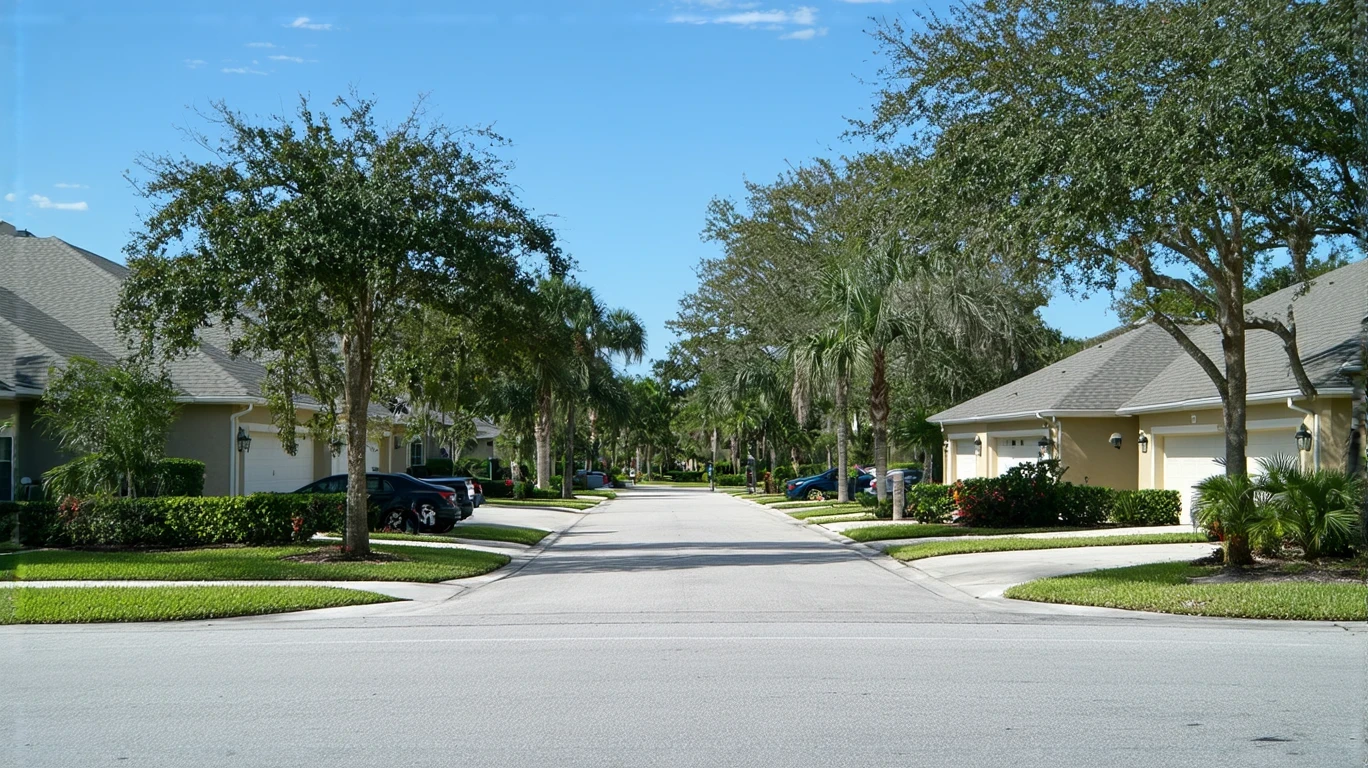
Understanding a monthly budget in Land O Lakes starts with recognizing how costs layer in a low-rise, car-oriented suburb where errands accessibility is sparse and summer cooling dominates utility exposure. At 15.78¢/kWh for electricity and $2.84/gal for gas, the feed numbers tell only part of the story—what matters is how those rates interact with daily logistics. Newcomers often underestimate the cumulative friction of trip-chaining across dispersed grocery and service locations, and the sustained air conditioning load that stretches from late spring through early fall in Florida’s inland heat.
Let’s walk through a sample month for a working single renter—call her Jasmine—to see where dollars actually go. Her largest fixed cost is rent, which we’ll leave as a placeholder since exact figures vary widely by unit type and neighborhood. Utilities come next: assuming 1,000 kWh in a peak cooling month, she’s looking at roughly $158 for electricity alone, illustrative of the seasonal pressure. Natural gas at $25.39/MCF plays a minor role here—Florida homes rarely need heating. Transportation is where the budget gets textured: with grocery density below typical thresholds and food establishments only moderately clustered, Jasmine drives most errands. Assuming a 25-mile round-trip commute five days a week at 25 MPG, that’s about 100 miles weekly, or roughly 433 miles monthly—translating to around $49 in fuel for commuting alone, before adding errands, which easily stack another $20 to $30. Groceries run her about $250 to $300 monthly when she’s cooking at home—ground beef at $6.95/lb, chicken at $2.10/lb, eggs at $2.65/dozen, and cheese at $4.99/lb shape her cart. Then come the friction costs: trash service, renters insurance, parking if her complex charges separately, and the occasional HVAC filter or pest control fee. Discretionary spending—dining out, entertainment, small surprises—compresses when the fixed and semi-fixed costs stack high.
What newcomers miss is that Land O Lakes doesn’t punish you with one expensive line item—it’s the operational texture. The bus service exists, but the sparse errands landscape and mixed walkability mean most households default to driving, and every trip has a fuel cost attached. The low-rise building character and present land-use mix create pockets of convenience, but they’re not broadly distributed. For families, the limited school density adds logistical friction—longer drives, more coordination. The result is a budget that feels less like a receipt and more like a management problem.
A Simple Budget Map: How Costs Behave by Household Type
| Category | Jasmine (single renter) | Sam & Elena (couple) | Ortiz family (2 kids, owners) |
|---|---|---|---|
| Housing (Rent or Mortgage) | Fixed monthly, solo absorption | Fixed monthly, shared absorption | Fixed monthly, larger footprint, property tax exposure |
| Utilities | Seasonal volatility, efficiency-sensitive, limited control in rental | Seasonal volatility, shared usage, moderate control | High seasonal volatility, size-sensitive, owner control over efficiency upgrades |
| Food (Groceries + Eating Out) | Moderate flexibility, sparse grocery access increases trip frequency | Shared planning leverage, bulk buying possible, trip-chaining reduces per-trip cost | High volume, sparse access increases logistics burden, meal planning critical |
| Transportation | Commute-dependent, errands exposure high due to sparse accessibility, solo fuel cost | Dual commute exposure possible, shared errands reduce per-person trips | Multi-trip household, school logistics add mileage, highest total exposure |
| Fees / Friction Costs | Trash, renters insurance, parking if separate, pest control occasional | Similar to single but shared; may add storage or second parking spot | HOA possible, trash, lawn/pest service, maintenance episodic but material |
| Discretionary (life + surprises) | Compressed by fixed cost stack, limited buffer | Moderate buffer, shared income smooths volatility | Tightest discretionary room, kid activities and surprises compete for space |
| What Changes This Most | Commute distance, cooling efficiency, trip consolidation | Dual-income stability, shared vehicle strategy | Home size, school proximity, maintenance timing |
Methodology: This guide uses only city-level figures provided in the IndexYard data feed for 2026. Where exact category totals aren’t provided, categories are described directionally to show budget behavior rather than a receipt-accurate total.
The Real Cost Drivers in Land O Lakes
In Land O Lakes, the budget stress point is rarely one big bill—it’s the stack of small “friction” costs that show up after move-in. Housing anchors the budget, but utilities and transportation define its volatility. Electricity at 15.78¢/kWh becomes material when you’re cooling a low-rise single-family home through five or six months of heat. Natural gas at $25.39/MCF is nearly irrelevant here—Florida’s inland climate means heating demand is negligible. The real pressure comes from the operational pattern: sparse grocery accessibility and limited transit options mean most households drive most errands, and every trip costs fuel at $2.84/gal. The mixed pedestrian-to-road ratio creates some walkable pockets, but they’re not distributed broadly enough to reduce car dependency for daily logistics.
Transportation exposure compounds when you layer in school runs for families—school density is below typical thresholds, so the Ortiz family might be driving farther than they’d expect. For couples like Sam and Elena, dual commutes can double fuel costs unless they coordinate schedules or share a vehicle strategically. Jasmine, commuting solo, absorbs the full cost of every trip. The presence of bus service offers a theoretical alternative, but without rail and with errands scattered, it’s rarely a practical substitute for a car in this landscape.
Then come the friction costs—small, predictable, but persistent:
- HOA or association dues: Common in newer developments; often cover lawn care, exterior maintenance, and shared amenities, but add $100 to $300 monthly depending on the community.
- Trash and recycling: Sometimes included in rent or HOA, sometimes billed separately by the city or a private hauler—clarify before move-in.
- Water and sewer: Typically billed by the city or utility district; usage-based, so larger households or homes with irrigation see higher bills.
- Parking or storage: Apartment complexes may charge separately for covered spots or second vehicles; single-family homes rarely have this cost.
- Seasonal upkeep: HVAC servicing before summer, pest control (common in Florida’s humid climate), and occasional storm prep (trimming trees, securing outdoor items) are episodic but necessary.
What makes Land O Lakes distinct is that these costs don’t announce themselves upfront—they emerge as you settle into the operational rhythm of the place. The low-rise building character and present land-use mix mean you’re not in a dense urban grid, but you’re also not in a fully isolated exurb. You’re in a car-dependent suburb with moderate infrastructure, where budget control comes from managing exposure, not avoiding costs entirely.
How Households Keep the Budget Under Control (Without Living Like a Monk)
Budgeting in Land O Lakes isn’t about deprivation—it’s about timing, consolidation, and knowing which levers actually move the needle. The households that stay ahead don’t necessarily earn more; they structure their routines to reduce volatility and operational waste. Jasmine consolidates errands into one or two trips per week, mapping stops to minimize backtracking across the sparse grocery landscape. Sam and Elena coordinate their schedules to share a vehicle when possible, cutting their dual-commute fuel cost without sacrificing flexibility. The Ortiz family runs their air conditioning on a programmable thermostat, pre-cooling the house before peak rate hours and letting the temperature drift slightly during the day when everyone’s out—reducing electricity exposure without discomfort.
The key is recognizing that most budget pressure in Land O Lakes comes from operational patterns, not unit prices. Gas at $2.84/gal isn’t punishing on its own, but it becomes material when you’re making four separate trips for groceries, pharmacy, school pickup, and weekend activities. Electricity at 15.78¢/kWh is manageable if you’re strategic about cooling—sealing gaps, using ceiling fans to circulate air, and avoiding the “set it and forget it” thermostat trap. Grocery costs—ground beef at $6.95/lb, chicken at $2.10/lb—respond to planning: buying proteins on sale, batch-cooking, and avoiding the convenience tax of last-minute takeout.
Here are the tactics that work without requiring lifestyle sacrifice:
- Trip-chain aggressively: Combine errands into single outings; map your route to avoid doubling back across town.
- Pre-cool strategically: Run AC before peak afternoon heat, then let the house coast; ceiling fans extend comfort without continuous compressor load.
- Batch-cook proteins: When chicken or ground beef is on sale, buy in bulk and freeze portions—reduces per-meal cost and last-minute takeout temptation.
- Coordinate vehicle use: For couples or families, sharing a vehicle even two days a week cuts fuel costs meaningfully without requiring a second car sale.
- Audit subscription creep: Streaming services, app subscriptions, and auto-renewals stack quietly—review quarterly and cut what you’re not using.
- Time big purchases around sales cycles: HVAC filters, pest control contracts, and bulk staples (rice at $1.09/lb, for example) cost less when bought during seasonal promotions.
- Use fans and natural ventilation: In the cooler months (which do exist in Florida), open windows at night and use fans instead of AC—small habit, noticeable impact on the bill.
- Plan one “anchor” grocery trip per week: Reduces impulse buys and fuel waste; supplement with a single midweek top-up if needed.
FAQs About Monthly Budgets in Land O Lakes (2026)
What’s the biggest budget surprise for people moving to Land O Lakes?
The cumulative cost of car dependency. With sparse grocery accessibility and limited transit alternatives, most households drive more than they expect—errands, school runs, and commuting all add up quickly at $2.84/gal. It’s not one expensive trip; it’s the operational texture of daily logistics.
How much do utilities really fluctuate in Land O Lakes throughout the year?
Electricity at 15.78¢/kWh drives the swing—cooling season runs long in Florida, so summer bills can be notably higher than winter months when heating demand is negligible. Natural gas at $25.39/MCF plays almost no role here. Families in larger homes see the biggest seasonal swings; renters in smaller units have more stability but less control over efficiency upgrades.
Is it realistic to live in Land O Lakes without a car?
Technically possible with bus service present, but practically difficult. The sparse errands accessibility and mixed walkability mean most daily needs—groceries, clinics, schools—require either a car or significant time investment in trip planning. Couples or individuals near a walkable pocket might manage with one shared vehicle, but going fully car-free adds substantial friction to household logistics.
How do grocery costs in Land O Lakes compare to what I’d expect?
Grocery prices reflect a regional price parity index of 103, meaning costs run slightly above the national baseline. Ground beef at $6.95/lb, chicken at $2.10/lb, and eggs at $2.65/dozen are illustrative of the local price texture. The bigger factor is access—grocery density is below typical thresholds, so trip frequency and fuel costs layer onto the food budget itself. Planning and bulk buying become more important here than in denser areas.
What’s a realistic monthly budget for a single person in Land O Lakes?
Without specific rent data, it’s hard to anchor a total, but the cost structure is clear: transportation and utilities are the two most volatile categories. A single renter like Jasmine will spend roughly $50 to $70 monthly on commute fuel alone, another $150 to $200 on electricity during peak cooling months, and $250 to $300 on groceries if cooking at home. Add rent, friction costs (trash, insurance, parking), and discretionary spending, and the budget tightens quickly. The key is controlling trip frequency and cooling efficiency—those are the levers that move the needle for solo households.
Planning Your Next Step
Budgeting in Land O Lakes comes down to three drivers: transportation exposure shaped by sparse errands accessibility, seasonal utility volatility driven by Florida’s extended cooling season, and the stack of small friction costs that emerge once you’re settled. The households that thrive here don’t necessarily earn more—they structure their routines to reduce operational waste, consolidate trips, and manage cooling strategically. If you’re evaluating whether Land O Lakes fits your financial picture, focus on how much you’ll drive, how large a space you’ll cool, and whether your household can absorb the logistics friction of a car-dependent suburb with moderate infrastructure.
For deeper context on how renting vs buying in Land O Lakes shapes long-term budget stability, or to understand what drives food costs beyond the grocery price tags, explore groceries in Land O Lakes. If you’re weighing whether a car is truly necessary or what getting around Land O Lakes looks like without one, those guides add the operational detail this budget map assumes. The numbers here are real, the behavior patterns are local, and the tradeoffs are yours to navigate—but now you know which levers actually move the budget, and which ones just make noise.
How this article was built: In addition to public economic data, this article incorporates location-based experiential signals derived from anonymized geographic patterns—such as access density, walkability, and land-use mix—to reflect how day-to-day living actually feels in Land O Lakes, FL.