
Here’s the myth: Tampa is automatically cheaper than Lutz because home prices are lower. But in 2026, that narrative misses how cost pressure actually works across two cities in the same metro area. Lutz and Tampa sit within the Tampa Bay region, share the same regional price environment, and face identical unemployment rates—yet the financial experience of living in each feels entirely different depending on your household structure, income level, and daily routine. The decision isn’t about which city costs less overall; it’s about where different types of costs concentrate, how predictable or volatile they are, and which households can absorb or avoid specific pressures.
Lutz functions as a suburban bedroom community with higher housing costs but significantly higher median household income. Tampa operates as a regional hub and college city with lower housing entry costs but tighter income margins for many residents. Both cities require careful navigation of housing markets, transportation infrastructure, and daily logistics—but the tradeoffs show up in completely different places. For some households, Lutz’s higher housing costs are offset by space, newer construction, and reduced day-to-day friction. For others, Tampa’s lower entry barrier and urban amenities justify tighter budgets and smaller living spaces.
This comparison explains how housing, utilities, groceries, transportation, and taxes behave differently in Lutz and Tampa in 2026—not to declare a winner, but to clarify which cost structures fit which households and why the same income can feel stable in one city and stretched in the other.
Housing Costs
Housing is where the most visible difference appears between Lutz and Tampa, but the gap isn’t just about price—it’s about what that price buys, what it obligates you to, and how it interacts with income. Lutz’s median home value sits at $403,200, while Tampa’s is $70,000 lower at $333,200. For renters, the pattern holds: Lutz’s median gross rent is $1,562 per month compared to Tampa’s $1,422. On the surface, Tampa looks more accessible. But Lutz’s median household income is $101,159 per year—over $34,000 higher than Tampa’s $66,802. That income gap changes the entire affordability equation, because housing pressure isn’t just about the price tag; it’s about how much flexibility remains after housing is paid.
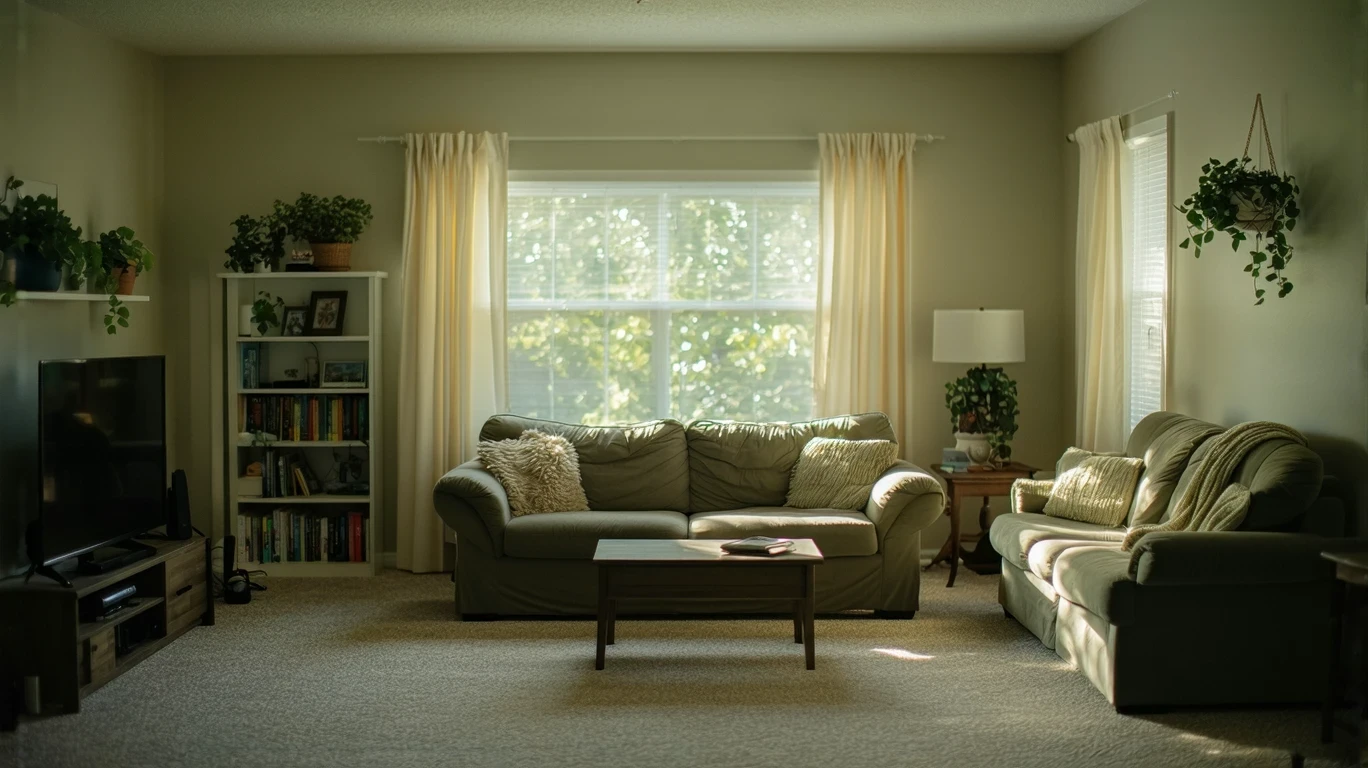
In Lutz, higher housing costs typically buy newer construction, larger lots, and single-family layouts designed for families and remote workers. The housing stock skews toward low-rise suburban development with more space per household, which also means higher baseline utility exposure and maintenance obligations. Homeownership dominates, and the entry barrier—whether through down payments or qualifying income—is steeper. But for households earning near or above the median, that front-loaded cost can feel manageable because ongoing budget pressure is distributed across fewer daily friction points. Renters in Lutz face limited apartment inventory and higher per-unit costs, but those units often come with amenities, parking, and proximity to newer retail corridors.
Tampa’s housing market offers more variety and lower entry costs, but it also serves a broader income spectrum and includes a significant population of students, young professionals, and service workers. The $333,200 median home value reflects a mix of older single-family homes, townhomes, and condo conversions, many of which require more maintenance or updates. Renters benefit from greater inventory and more price tiers, but competition can be intense in desirable neighborhoods near transit, universities, or walkable commercial districts. For households earning below the city’s median income, even Tampa’s lower housing costs can dominate the budget, leaving little room for transportation upgrades, emergency savings, or discretionary spending.
| Housing Type | Lutz | Tampa |
|---|---|---|
| Median Home Value | $403,200 | $333,200 |
| Median Gross Rent | $1,562/month | $1,422/month |
| Typical Housing Form | Single-family, low-rise, newer suburban | Mixed: older single-family, condos, apartments |
| Renter Inventory | Limited, amenity-focused | Broader, varied price tiers |
For first-time buyers, the difference is stark. Lutz requires higher savings and income documentation, but it offers predictability in the form of newer systems, lower immediate maintenance risk, and stable suburban neighborhoods. Tampa’s lower purchase prices make entry easier, but buyers may inherit deferred maintenance, older HVAC systems, and higher near-term repair costs. Families prioritizing space and school access may find Lutz’s housing costs justified by reduced daily logistics complexity. Singles and couples prioritizing walkability, nightlife, or proximity to employment hubs may find Tampa’s housing costs worth the tradeoff, even if the budget feels tighter month to month.
Housing takeaway: Lutz imposes higher housing costs but serves households with higher incomes and priorities that align with suburban space and newer construction. Tampa offers lower entry costs but requires careful budget management, especially for households earning below the median. The better fit depends on whether your household is more exposed to front-loaded costs (down payments, higher rent) or ongoing costs (maintenance, utilities, transportation).
Utilities and Energy Costs
Utilities in both Lutz and Tampa are shaped by Florida’s long cooling season, high humidity, and minimal heating needs—but the way those costs show up depends on housing type, home age, and household size. Electricity rates are nearly identical: Lutz pays 15.02¢ per kWh, while Tampa pays 15.70¢ per kWh. That 0.68¢ difference is negligible in practice. What matters more is how much electricity a household uses, and that’s driven by square footage, insulation quality, thermostat discipline, and occupancy patterns. Natural gas, used primarily for water heating and occasional heating during rare cold snaps, costs $23.62 per MCF in Lutz compared to $32.82 per MCF in Tampa—a meaningful gap, though natural gas consumption in Florida is low compared to heating-dominant climates.
In Lutz, the prevalence of newer single-family homes means better insulation, more efficient HVAC systems, and programmable thermostats as standard features. But those homes are also larger, with higher ceilings and more conditioned square footage, which increases baseline cooling demand. Families running multiple zones, keeping systems on during the day for remote work, or managing teenagers’ temperature preferences will see higher usage regardless of efficiency. Apartments and townhomes in Lutz benefit from shared walls and smaller footprints, which can significantly reduce cooling costs, but rental inventory is limited. Utility bills in Lutz are more predictable because the housing stock is newer, but the floor is higher because the homes are bigger.
Tampa’s older housing stock introduces more variability. Single-family homes built in the 1980s or earlier may have outdated insulation, single-pane windows, and aging HVAC systems that cycle more frequently and deliver less consistent cooling. Renters in older apartment complexes may face similar inefficiencies, with window units or central systems that struggle during peak summer heat. However, Tampa’s housing mix includes more compact units—condos, smaller bungalows, and mid-rise apartments—that naturally use less energy. For budget-conscious households, choosing a smaller, well-maintained unit in Tampa can deliver lower utility costs than a larger, newer home in Lutz, even if the efficiency ratings favor Lutz.
Household size amplifies these differences. A single adult in a one-bedroom Tampa apartment may spend less on utilities than a single adult in a Lutz townhome, simply because there’s less space to cool. A family of four in a 2,000-square-foot Lutz home will likely spend more on electricity than a similar family in a 1,500-square-foot Tampa home, even with better insulation. Dual-income couples working from home in either city face higher daytime cooling costs, but Lutz’s newer construction may offset some of that exposure through better envelope performance.
Utility takeaway: Lutz offers more predictable utility costs due to newer housing stock, but higher baseline usage due to larger homes. Tampa’s older, more varied housing stock introduces volatility—households in efficient units save money, while those in older homes face higher exposure. The primary cost driver is home size and age, not the rate itself. Households sensitive to utility volatility should prioritize unit age and square footage over city choice.
Groceries and Daily Expenses
Grocery and daily spending pressure in Lutz and Tampa isn’t driven by dramatic price differences—both cities share the same regional price parity index of 103, meaning costs are roughly 3% above the national baseline. Instead, the difference is structural: where you shop, how often you shop, and how much convenience costs when errands require intentional planning rather than spontaneous stops. In Lutz, grocery access is corridor-clustered, with food and grocery options concentrated along major roads rather than distributed throughout neighborhoods. That means most households drive to shop, often consolidating trips to big-box stores or regional chains. In Tampa, grocery access is more varied, with neighborhood markets, ethnic grocers, and convenience stores interspersed with larger supermarkets, offering more flexibility in how and when households restock.
For families doing weekly bulk shopping, Lutz’s big-box access works well. Stores like Walmart, Publix, and regional discount chains are reachable by car, and parking is abundant. Households that plan meals, buy in volume, and minimize mid-week top-up trips can keep grocery costs predictable. But for households that prefer fresh ingredients, frequent small purchases, or last-minute additions, Lutz’s sparse errands infrastructure increases friction. There’s no quick walk to grab milk or a forgotten ingredient—every trip requires a car, a parking spot, and a chunk of time. That friction can push households toward convenience spending: pre-prepped meals, delivery fees, or dining out when cooking feels logistically harder than it should.
Tampa’s broader grocery landscape supports more shopping styles. Singles and couples can walk or bike to corner markets in some neighborhoods, reducing reliance on cars for small purchases. Families benefit from competitive pricing across multiple chains and independent grocers, especially in areas with diverse populations where ethnic markets offer lower prices on staples like rice, beans, and produce. Dining out in Tampa is more accessible, with a wider range of price tiers—from food trucks and casual spots to mid-tier restaurants—which can either increase spending (if convenience becomes a habit) or reduce it (if cheaper prepared options replace pricier grocery runs).
Household size and income interact with these patterns. Single adults in Tampa may spend less on groceries by shopping smaller, more frequently, and taking advantage of neighborhood options. Single adults in Lutz may spend more due to driving costs, bulk purchase waste, or reliance on takeout when cooking for one feels inefficient. Families in Lutz benefit from bulk pricing and predictable routines but absorb higher transportation costs to access those savings. Families in Tampa juggle more options but face more temptation to spend on convenience when schedules get tight.
Grocery takeaway: Lutz’s grocery costs are manageable for households that plan, drive, and buy in bulk, but the car-dependent, corridor-clustered layout increases friction and convenience spending risk. Tampa’s varied access supports more shopping styles and reduces friction for smaller, more frequent purchases, but also introduces more temptation to spend on dining and convenience. Households sensitive to time costs and logistics complexity may find Tampa’s flexibility worth the tradeoff, even if per-item prices are similar.
Taxes and Fees
Property taxes, sales taxes, and recurring fees shape long-term cost exposure in both Lutz and Tampa, but the impact depends on whether you own or rent, how long you stay, and what services your housing type includes or excludes. Florida has no state income tax, which benefits all residents equally, but property taxes and local fees vary by jurisdiction, housing type, and assessed value. Both cities fall under similar county and municipal tax structures, but the higher home values in Lutz mean homeowners face higher absolute property tax bills, even if the millage rate is comparable. Renters don’t pay property taxes directly, but those costs are embedded in rent, and landlords in higher-value markets typically pass along a larger share.
In Lutz, homeowners benefit from newer construction and higher property values, but those same factors increase annual tax obligations. A $403,200 home will generate a higher tax bill than a $333,200 home in Tampa, all else equal. However, Lutz homeowners often live in neighborhoods with HOA fees that bundle services like landscaping, trash collection, and sometimes water or sewer. Those fees add predictability—households know what they’ll pay each month—but they also add a fixed cost that doesn’t decline even if the household reduces usage. For families planning to stay long-term, the tradeoff can be worth it: less time managing yard work, fewer surprise repair bills, and access to shared amenities like pools or playgrounds.
Tampa homeowners face lower property tax bills in absolute terms due to lower home values, but they may also inherit more maintenance and service costs that aren’t bundled. Older homes in Tampa are less likely to be part of HOA communities, which means more control over spending but also more responsibility for upkeep, trash service, and landscaping. For handy homeowners or those willing to manage contractors, that flexibility can reduce costs. For time-constrained households, it can increase friction and unpredictability.
Sales tax applies equally in both cities, affecting all households regardless of housing tenure. Florida’s combined state and local sales tax rates hover around 7-8%, depending on jurisdiction, and apply to most goods and services except groceries and prescription drugs. Households that spend more on taxable goods—furniture, electronics, clothing, dining out—will feel that burden more acutely, but the rate itself doesn’t differ meaningfully between Lutz and Tampa.
Taxes and fees takeaway: Lutz homeowners face higher property tax bills due to higher home values, but often benefit from bundled HOA services that reduce maintenance friction. Tampa homeowners pay less in property taxes but may absorb more variable maintenance and service costs. Renters in both cities are indirectly exposed to property taxes through rent, with Lutz renters likely paying a premium. The primary difference is predictability versus flexibility, not magnitude.
Transportation & Commute Reality
Transportation costs in Lutz and Tampa are shaped less by gas prices—which are nearly identical at $2.90 per gallon in Lutz and $2.78 in Tampa—and more by how much driving is required, how predictable commute times are, and whether alternatives to car ownership exist. In Lutz, the car-oriented mobility texture means most households depend on personal vehicles for nearly every trip: commuting, errands, school drop-offs, and social activities. Pedestrian infrastructure is below low thresholds, and bike-to-road ratios are minimal, meaning walking or cycling isn’t practical for most daily needs. Bus service is present, but the sparse layout and low-density development make transit a fallback option rather than a primary mode.
For Lutz households, transportation costs are front-loaded and ongoing. Most adults need a car, which means car payments or cash purchases, insurance, registration, maintenance, and fuel. Families with teenagers face additional vehicle costs as kids age into driving. Commutes to Tampa or other employment centers are common, and while specific commute times aren’t available, the car dependency is absolute. Households working from home reduce fuel and wear costs but still need vehicles for errands, medical appointments, and social activities. The lack of walkable errands access means even short trips—picking up a prescription, grabbing coffee, dropping off dry cleaning—require a car.
Tampa offers more transportation flexibility, though car ownership is still the norm for most households. Bus service is present, and the city’s denser layout means some neighborhoods support walking or biking for errands, dining, or short commutes. Households living near employment hubs, universities, or mixed-use corridors may be able to reduce car dependency, either by going car-free, sharing one vehicle between partners, or using transit for some trips. However, Tampa’s transportation network isn’t comprehensive enough to eliminate car costs for most families, especially those with kids or jobs in suburban office parks.
The cost difference isn’t about fuel prices—it’s about how many miles you drive, how many cars you need, and how much time you spend in traffic or searching for parking. Lutz households absorb higher transportation costs because every trip requires a car and distances are longer. Tampa households may reduce costs by consolidating trips, using transit occasionally, or living close enough to work or school to walk or bike. But for households in either city who commute to the other, transportation becomes a major time and money cost, with no easy transit alternative.
Transportation takeaway: Lutz’s car-oriented infrastructure makes vehicle ownership non-negotiable, increasing baseline transportation costs for all households. Tampa offers slightly more flexibility for households willing to live near transit or walkable corridors, but car dependency remains the norm. The primary difference is whether your household can reduce the number of vehicles or trips, not whether you can avoid driving entirely.
Cost Structure Comparison
Housing dominates the cost experience in both Lutz and Tampa, but the pressure shows up differently. In Lutz, housing costs are higher in absolute terms—both for renters and buyers—but they buy newer construction, more space, and lower near-term maintenance risk. For households earning near or above Lutz’s median income of $101,159 per year, that front-loaded cost can feel manageable because other categories (utilities, transportation, groceries) remain predictable. In Tampa, housing costs are lower, but they serve a population with a median income of $66,802 per year, meaning the same $1,422 rent or $333,200 home price consumes a larger share of the budget. Tampa households face tighter margins, which means less flexibility to absorb surprises in other categories.
Utilities introduce more volatility in Tampa due to older housing stock, but the gap isn’t dramatic. Lutz households pay for predictability through higher baseline usage in larger homes. Tampa households face more variability—efficient units deliver savings, while older homes increase exposure—but smaller average unit sizes can offset that risk. For households sensitive to utility volatility, home age and size matter more than city choice.
Transportation patterns matter more in Lutz, where car dependency is absolute and alternatives don’t exist. Every household needs at least one vehicle, and most need two. Tampa households may be able to reduce transportation costs by living near transit, consolidating trips, or choosing walkable neighborhoods, but those options are limited to specific areas and household types. For most families, car ownership remains non-negotiable in both cities.
Groceries and daily expenses are shaped by access friction, not price differences. Lutz’s corridor-clustered grocery access works well for planners and bulk shoppers but increases convenience spending risk for households that value spontaneity or frequent small purchases. Tampa’s broader access supports more shopping styles and reduces friction, but also introduces more temptation to spend on dining and convenience. Households sensitive to time costs may find Tampa’s flexibility worth the tradeoff.
The decision isn’t about which city costs less—it’s about which cost structure aligns with your household’s income, priorities, and tolerance for friction. Households with higher incomes, families prioritizing space and predictability, and those willing to accept car dependency may find Lutz’s higher housing costs justified by reduced day-to-day complexity. Households with tighter budgets, singles or couples prioritizing walkability and urban amenities, and those willing to manage more variability may find Tampa’s lower entry costs and broader access worth the tradeoff. For mid-income households, the choice is less clear: Lutz offers space and stability but requires higher income to feel comfortable, while Tampa offers flexibility and lower entry costs but demands careful budget management.
How the Same Income Feels in Lutz vs Tampa
Single Adult
For a single adult, housing becomes the first non-negotiable cost, and the difference between Lutz and Tampa is stark. In Lutz, renting a one-bedroom apartment or small townhome at or above the $1,562 median leaves less room for savings, travel, or discretionary spending, even on a solid income. Transportation costs are higher because every errand requires a car, and social activities often mean driving to Tampa or other hubs. Flexibility exists in groceries and dining, but the car-dependent layout increases time costs and convenience spending temptation. In Tampa, lower rent creates more breathing room for the same income, and walkable neighborhoods reduce transportation costs for some households. The tradeoff is smaller living space and potentially older housing stock, but the flexibility to walk to coffee, dinner, or errands can feel like a quality-of-life upgrade that offsets the tighter quarters.
Dual-Income Couple
For a dual-income couple, Lutz’s higher housing costs become more manageable because two incomes can cover the $1,562 rent or a mortgage on a $403,200 home more comfortably. The car dependency remains, meaning two vehicles are likely necessary if both partners commute, but the predictability of utilities and the space to work from home can justify the cost. Flexibility exists in how much to spend on dining, travel, and savings. In Tampa, the same couple benefits from lower housing costs, which frees up income for other priorities—paying down debt, saving for a home purchase, or spending on experiences. The tradeoff is less space and potentially more variability in utilities and maintenance. If both partners work in Tampa or can use transit occasionally, transportation costs may be lower, but if one commutes to Lutz or a suburban office park, the time and fuel costs erode some of the housing savings.
Family with Kids
For a family with kids, housing space and school access become non-negotiable, and Lutz’s higher costs buy more of both. The $403,200 median home value typically delivers a larger yard, more bedrooms, and access to newer schools, even if family infrastructure like playgrounds and school density is limited. Transportation costs are higher because every trip—school drop-offs, sports, groceries, medical appointments—requires a car, and families with teenagers face additional vehicle costs. Utilities are higher due to larger homes, but predictability is valuable when managing a household budget. In Tampa, lower housing costs make entry easier, but families must weigh smaller homes, older housing stock, and potentially more variability in school quality and neighborhood amenities. The flexibility to walk or bike in some neighborhoods matters less for families managing car seats, strollers, and multiple schedules. The time cost of commuting to Lutz for work or accessing suburban amenities can erode the housing savings, making Tampa feel tighter even though the entry cost is lower.
Decision Matrix: Which City Fits Which Household?
| Decision factor | If you’re sensitive to this… | Lutz tends to fit when… | Tampa tends to fit when… |
|---|---|---|---|
| Housing entry + space needs | You prioritize square footage, newer construction, and family-oriented layouts over lower entry costs | Your income supports higher rent or mortgage and you value predictability in maintenance and systems | You prioritize lower entry costs and budget flexibility over space and are willing to manage older housing stock |
| Transportation dependence + commute friction | You want to minimize the number of vehicles your household needs or reduce time spent driving | You accept that car ownership is non-negotiable and prioritize proximity to suburban employment or schools | You can live near transit or walkable corridors and reduce car dependency for some trips |
| Utility variability + home size exposure | You want predictable utility bills and are willing to pay for newer, more efficient housing | You prioritize newer construction and accept higher baseline usage due to larger square footage | You can choose smaller, well-maintained units and are willing to manage variability in older housing stock |
| Grocery strategy + convenience spending creep | You want flexibility in how and when you shop without requiring a car for every trip | You plan meals, buy in bulk, and don’t mind driving to consolidate errands | You value spontaneous access to groceries, dining, and errands and want to reduce friction in daily logistics |
| Fees + friction costs (HOA, services, upkeep) | You want predictable monthly costs and minimal time spent managing yard work or maintenance | You value bundled HOA services and are willing to pay fixed fees for reduced friction | You prefer control over maintenance spending and are willing to manage contractors or handle tasks yourself |
| Time budget (schedule flexibility, errands, logistics) | You want to minimize time spent driving, planning trips, or managing household logistics | You have flexible schedules and can consolidate trips without feeling constrained by car dependency | You value walkable access to errands and services and want to reduce the time cost of daily tasks |
Lifestyle Fit
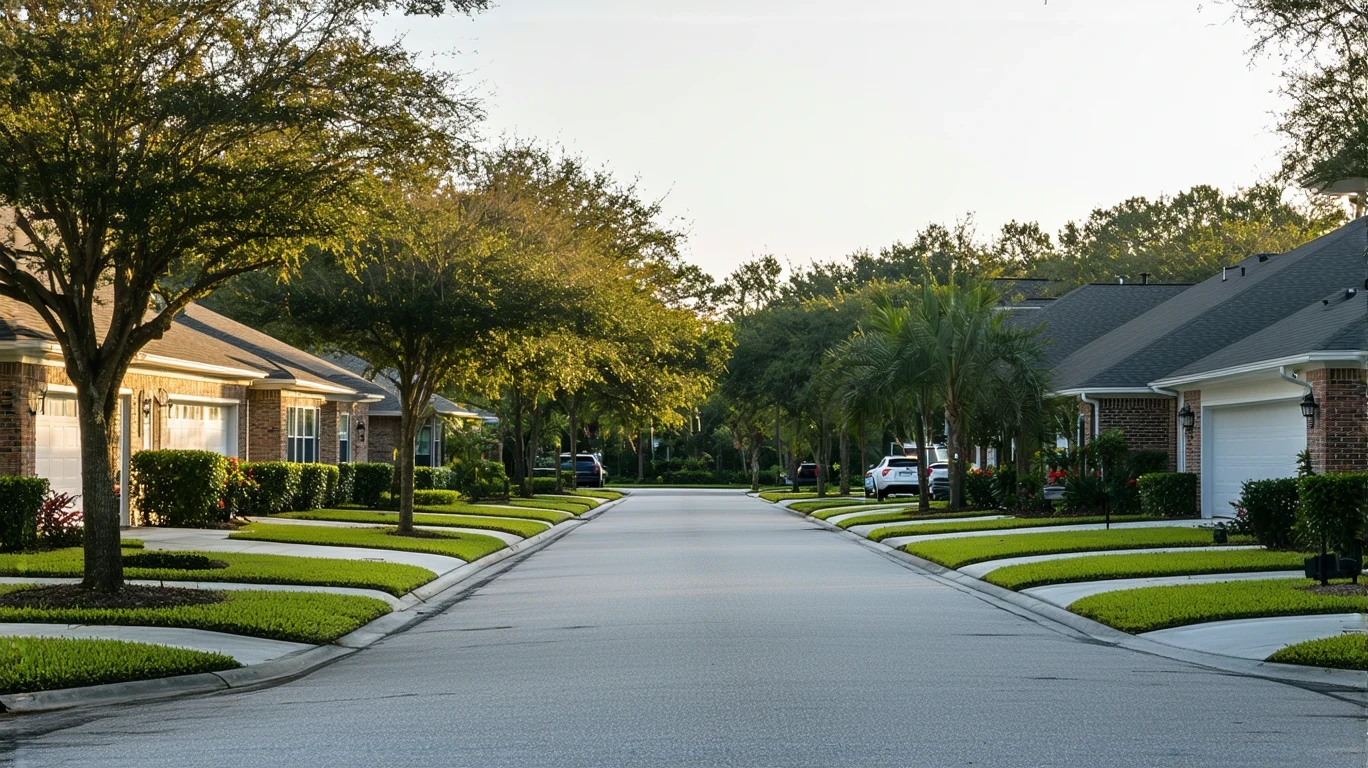
Lifestyle differences between Lutz and Tampa extend beyond costs into how daily life feels, how much time you spend in a car, and what kind of social and recreational infrastructure surrounds you. Lutz operates as a suburban bedroom community with a low-rise, car-oriented layout. Most daily activities—shopping, dining, medical appointments, social gatherings—require intentional planning and driving. The built environment prioritizes single-family homes, wide roads, and parking lots over sidewalks, bike lanes, or mixed-use corridors. For families with kids, that layout can feel safe and spacious, with yards for play and quiet streets for learning to ride bikes. For singles or couples who value spontaneity, walkability, or proximity to nightlife and cultural amenities, Lutz can feel isolating and logistically exhausting.
Tampa functions as a regional hub and college city, with more density, more mixed-use neighborhoods, and more variety in how people spend their time. Some neighborhoods support walking to coffee shops, restaurants, or parks, while others remain car-dependent. The presence of the University of South Florida and other institutions brings younger populations, more diverse dining options, and more cultural events. Families in Tampa benefit from access to museums, sports venues, and waterfront parks, though navigating traffic and parking can add friction. Singles and young professionals benefit from more social infrastructure—bars, live music, coworking spaces—that doesn’t require a car to access. However, Tampa’s density also means more noise, more competition for parking, and more variability in neighborhood quality.
Recreation and outdoor access differ structurally. Lutz has moderate park density and water features present, offering green space for walking, picnicking, or youth sports, though access typically requires driving. Tampa’s outdoor environment is more varied, with waterfront access, urban parks, and trails that some residents can reach on foot or by bike. Both cities benefit from Florida’s year-round warm weather, but the long cooling season and high humidity mean outdoor activities are most comfortable in early morning or evening, and air-conditioned indoor spaces dominate daily life.
Quick fact: Lutz’s car-oriented layout means most households drive for nearly every errand, while Tampa’s denser neighborhoods offer walkable pockets for some residents.
Quick fact: Tampa’s status as a college city brings more dining variety, nightlife, and cultural events, while Lutz prioritizes quiet residential neighborhoods and family-oriented amenities.