
Most people assume utility bills in Lutz are predictable and manageable year-round—after all, it’s Florida, not the frozen Midwest. The truth? Cooling costs dominate household budgets here in ways that catch newcomers off guard, and seasonal swings can double or triple monthly electric bills during the long, humid summer. Understanding how utilities behave in Lutz means recognizing that climate exposure, not just rates, drives what you’ll actually pay.
Understanding Utilities in Lutz
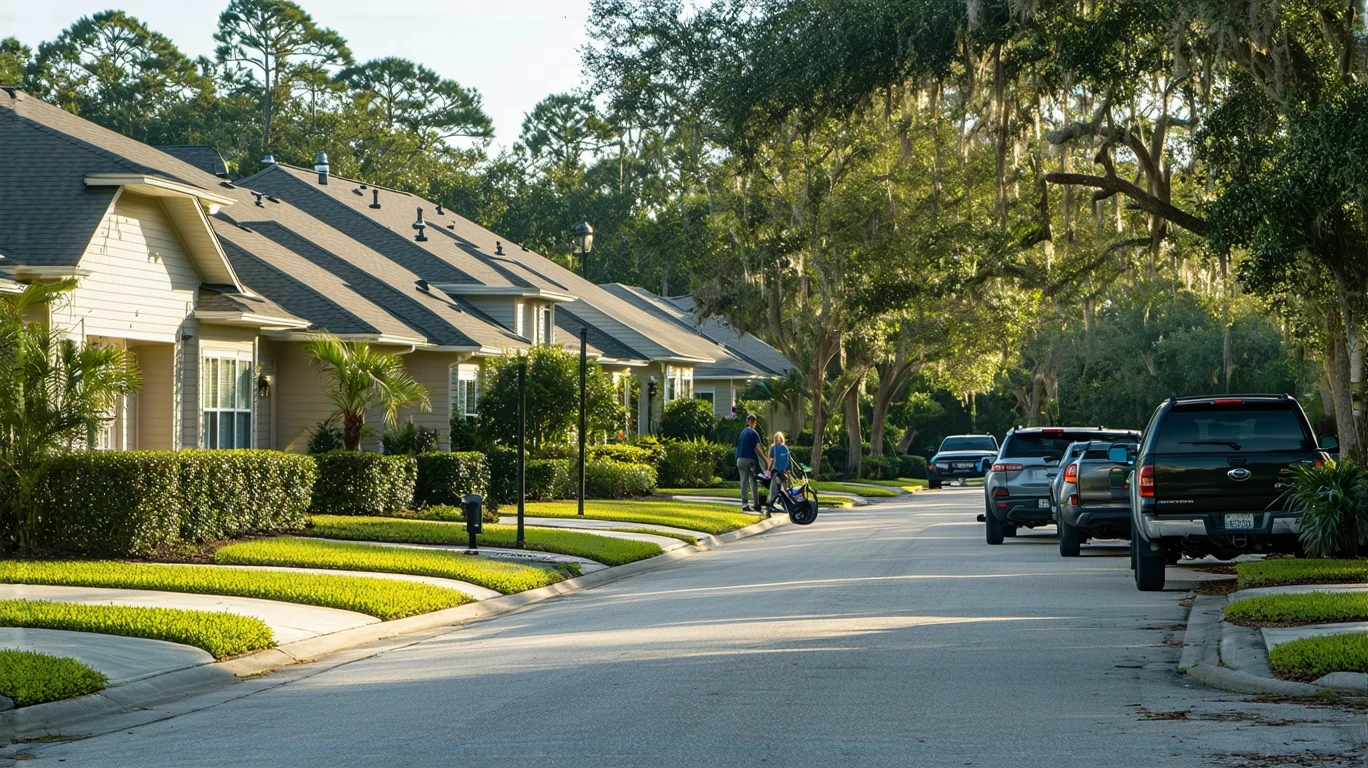
When planning a household budget in Lutz, utilities typically rank as the second-largest monthly expense after housing. For most residents, that means electricity, water, natural gas, trash, and recycling—though the mix and billing structure vary depending on whether you’re renting an apartment, living in a single-family home, or part of a homeowners association. In Lutz, the subtropical climate and prevalence of detached, low-rise homes mean that cooling costs take center stage, especially from May through October.
For movers, one of the biggest adjustments is understanding that utility bills here aren’t static. Unlike rent, which stays fixed for a lease term, utilities in Lutz fluctuate with usage, weather, and household behavior. A two-bedroom apartment might see electric bills swing from $80 in February to $180 in August, while a single-family home with central air can easily push past $250 during peak summer months. Water and trash are often bundled together or included in HOA fees, which simplifies billing but can obscure individual cost drivers.
What matters most isn’t just the rate you’re charged—it’s how your home is built, how efficiently it’s cooled, and how much time you spend running air conditioning against Florida’s heat and humidity. Utilities in Lutz are less about the sticker price per kilowatt-hour and more about exposure: how much energy your household actually consumes to stay comfortable, and whether you have the tools and habits to manage that consumption throughout the year.
Utilities at a Glance in Lutz
The table below shows how core utility costs typically behave for a mid-size household in a single-family home in Lutz. Where city-level prices are available in the data feed, they are shown directly. When exact figures are not provided, categories are described qualitatively to reflect how costs are structured and what drives variability.
| Utility | Cost Structure in Lutz |
|---|---|
| Electricity | 15.02¢/kWh; usage-sensitive, climate-driven |
| Water | Tiered pricing; usage-dependent |
| Natural Gas | $23.62/MCF; minimal winter heating demand |
| Trash & Recycling | Often bundled with water or HOA fees |
| Total | Seasonal variability driven by electricity and cooling exposure |
This table reflects utility cost structure for a mid-size household in a single-family home in Lutz during 2026. Where exact figures are not provided in the IndexYard data feed, categories are described directionally to reflect how costs behave rather than a receipt-accurate total.
Electricity is billed at 15.02¢ per kilowatt-hour in Lutz, but the real cost comes from how much you use—not the rate itself. A typical household consuming around 1,000 kWh per month during moderate weather might see bills around $150 before fees and taxes, but that figure can climb significantly during summer when air conditioning runs nearly nonstop. Electricity is typically the most exposure-sensitive utility in Lutz, driven more by climate and home efficiency than by base rates.
Water costs in Lutz are structured on tiered pricing, meaning the more you use, the higher the per-unit rate climbs. Households with irrigation systems, pools, or large lawns face steeper bills during dry months. Many residents find water and sewer charges bundled together, which can make it harder to isolate individual usage patterns but simplifies monthly planning.
Natural gas is priced at $23.62 per thousand cubic feet, but demand in Lutz is minimal. Most homes rely on electric heat pumps or resistance heating during the brief cool season, and gas is typically reserved for water heaters, dryers, or stovetops. Winter heating bills are a fraction of what households in colder climates experience, and gas rarely drives seasonal cost swings here.
Trash and recycling services are often bundled with water bills or included in HOA fees, particularly in planned communities. Standalone service costs vary by provider and pickup frequency, but most households treat this as a fixed monthly expense rather than a variable one. It’s a minor line item compared to electricity, but it’s worth confirming whether it’s billed separately or rolled into other charges when budgeting for a new home.
How Weather Impacts Utilities in Lutz
In Lutz, weather doesn’t just influence utility bills—it dominates them. The extended cooling season, which stretches from late spring through early fall, means air conditioning isn’t optional; it’s the primary driver of household energy consumption. During peak summer months, when temperatures regularly push into the low 90s and humidity makes it feel even hotter, electric bills can double or triple compared to the mild winter months. Many Lutz households experience noticeably higher electric bills during peak summer compared to spring, and the gap widens for homes with older HVAC systems or poor insulation.
Winter in Lutz is mild, with only occasional cool nights that might prompt a few hours of heating. Natural gas or electric heat is used sparingly, and heating costs are negligible compared to the relentless cooling demand of summer. The real challenge isn’t cold—it’s managing the long stretch of heat and humidity that keeps air conditioners running day and night. Homes with poor attic ventilation, single-pane windows, or inadequate insulation face even steeper costs, as cooled air escapes and systems work harder to maintain comfort.
One regional quirk that catches newcomers off guard is the intensity of Florida’s afternoon thunderstorms, which can temporarily cool outdoor temperatures but do little to reduce indoor humidity. That means air conditioners often run longer to dehumidify the air, even when the thermometer drops a few degrees. Understanding this dynamic—where humidity drives runtime as much as heat—is key to managing utility exposure in Lutz and avoiding bill shock during the summer months.
How to Save on Utilities in Lutz
Reducing utility costs in Lutz starts with controlling cooling exposure, since electricity for air conditioning is the single largest variable expense most households face. Smart thermostats, programmable schedules, and regular HVAC maintenance can all help reduce runtime without sacrificing comfort. Sealing ductwork, upgrading insulation, and replacing aging AC units with high-efficiency models offer longer-term savings, though upfront costs vary. Many utility providers in Florida offer rebates or incentives for energy-efficient upgrades, and it’s worth checking whether your provider has programs tailored to cooling-heavy climates.
Beyond air conditioning, small behavioral changes add up. Running dishwashers and laundry during off-peak hours, using ceiling fans to circulate air, and shading windows during the hottest part of the day all reduce the load on your cooling system. For water costs, installing low-flow fixtures, fixing leaks promptly, and adjusting irrigation schedules to match rainfall can keep usage within lower pricing tiers. In Lutz, where lawns and landscaping are common, outdoor water use often drives the biggest spikes in bills.
Here are practical strategies to lower utility costs in Lutz:
- Enroll in budget billing or equalized payment plans to smooth out seasonal swings
- Upgrade to a smart thermostat and set cooling schedules based on occupancy
- Plant shade trees on the south and west sides of your home to reduce direct sun exposure
- Check for utility rebates on high-efficiency AC units, water heaters, and insulation upgrades
- Seal air leaks around windows, doors, and ductwork to prevent cooled air from escaping
- Use ceiling fans to reduce reliance on air conditioning during milder months
- Adjust irrigation timers seasonally and water lawns early in the morning to minimize evaporation
🏆 Tip: Check if your provider in Lutz offers rebates for energy-efficient AC units or heating systems—many Florida utilities run seasonal programs that can offset hundreds of dollars in upgrade costs.
FAQs About Utility Costs in Lutz
Why are utility bills so high in Lutz during the summer? Cooling costs dominate because air conditioning runs nearly continuously from May through September, driven by both heat and humidity. Homes with older HVAC systems, poor insulation, or inefficient windows face even steeper bills as systems work harder to maintain comfort.
What is the average monthly electric bill for an apartment in Lutz compared to a single-family home? Apartments typically see lower electric bills—often $80 to $150 during peak summer—because they’re smaller and may share walls with climate-controlled units. Single-family homes, especially those with central air and larger square footage, can easily push past $200 to $300 during the same period, depending on efficiency and usage habits.
Do HOAs in Lutz usually include trash or water in their fees? Many planned communities and townhome developments in Lutz bundle trash, water, and sometimes sewer into HOA fees, which simplifies billing but can obscure individual cost drivers. It’s worth confirming what’s included before budgeting separately for these utilities.
How does seasonal weather affect monthly utility bills in Lutz? Summer drives the highest bills due to relentless cooling demand, while winter months see minimal heating costs and significantly lower electricity usage. The swing between seasons can be dramatic—some households see bills drop by half or more from August to February.
Does Lutz offer incentives for solar panels or energy-efficient appliances? Florida utilities and state programs periodically offer rebates, tax credits, and financing options for solar installations and high-efficiency appliances. Availability and amounts vary by provider and year, so it’s worth checking with your local utility or visiting state energy office resources to see what’s currently offered.
How Utilities Fit Into the Cost Structure in Lutz
Utilities in Lutz are a significant cost driver, but they’re also one of the most controllable. Unlike housing pressure, which is largely fixed by market conditions and location, utility costs respond directly to household behavior, home efficiency, and seasonal planning. Electricity dominates the picture, especially during the long cooling season, but water, trash, and gas play supporting roles that vary by housing type and neighborhood. Understanding this structure helps households prioritize where to invest in efficiency upgrades and where to adjust habits.
For renters, utilities often represent the largest variable expense after rent, and managing them well can free up budget room for other priorities. For homeowners, they’re a recurring cost that compounds over time, making efficiency improvements—like upgrading insulation, sealing ducts, or installing a programmable thermostat—worthwhile investments. In Lutz, where single-family homes and car-oriented neighborhoods are the norm, most households face similar utility structures, but the bills themselves vary widely based on home age, system efficiency, and how aggressively residents manage cooling exposure.
Utilities are just one piece of the broader cost structure in Lutz, but they’re a piece you can actively shape. By understanding what drives your bills—climate, usage, and efficiency—you can make informed decisions about where to cut back, where to upgrade, and how to smooth out seasonal volatility. For a complete picture of how utilities fit alongside housing, transportation, and other expenses, explore the full cost breakdown resources available for Lutz.
How this article was built: In addition to public economic data, this article incorporates location-based experiential signals derived from anonymized geographic patterns—such as access density, walkability, and land-use mix—to reflect how day-to-day living actually feels in Lutz, FL.
—