
“It’s beautiful here, don’t get me wrong—the sunsets, the parks, the water everywhere—but if you’re looking for that buzzy city energy or a place where you can walk to dinner and a show, this isn’t it. It’s more about the beach life and slowing down.”
What Does Clearwater Actually Feel Like?
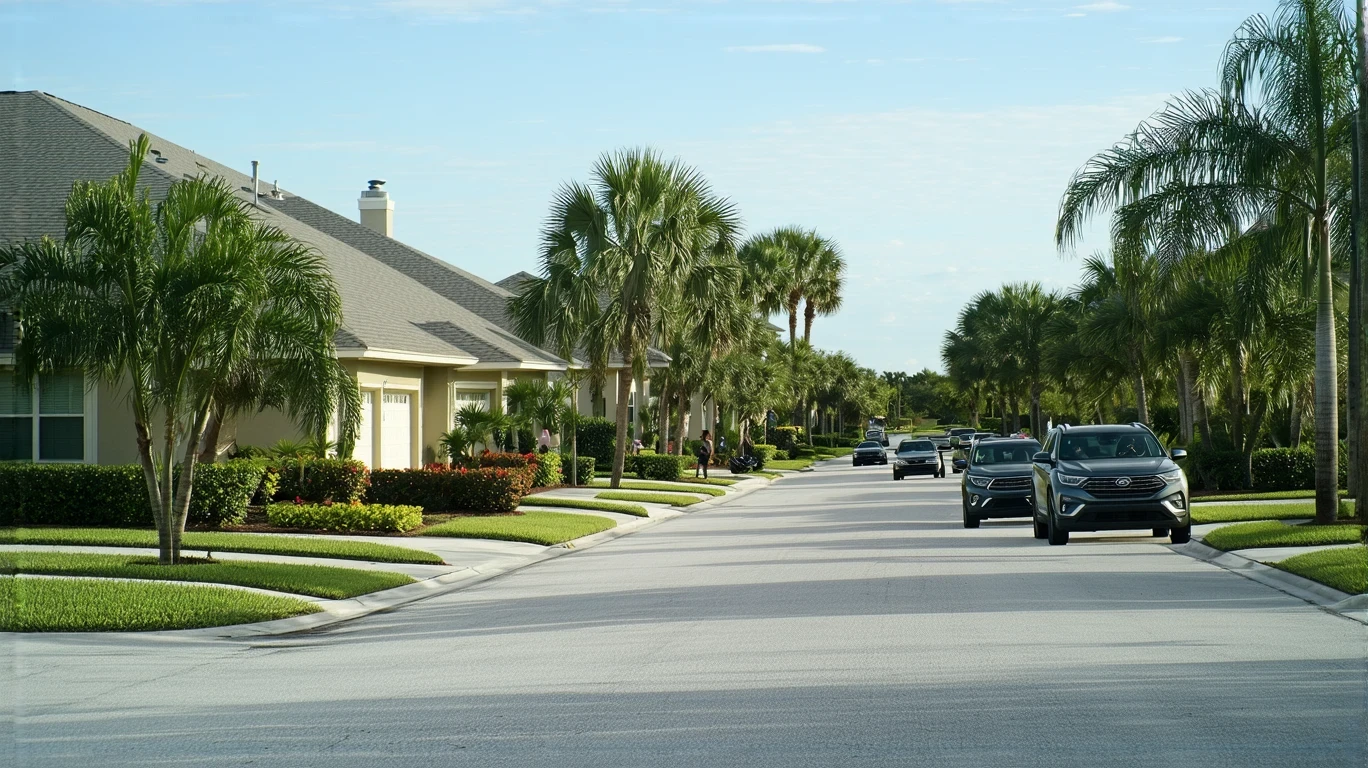
Clearwater sits on Florida’s Gulf Coast with a personality shaped by water, warmth, and a rhythm that leans decidedly toward leisure over hustle. It’s a place where retirees feel at home, families find strong parks and schools, and remote workers discover an outdoor-first lifestyle—but it’s also a city where younger professionals often feel restless, where car dependency defines daily logistics outside a few walkable pockets, and where tourist seasonality colors everything from traffic patterns to restaurant crowds.
The city’s vibe isn’t about urban texture or cultural experimentation. It’s about proximity to the Gulf, access to green space that exceeds typical thresholds, and a community infrastructure that supports families and older adults more visibly than twenty-somethings or car-free households. People who thrive here tend to prioritize outdoor access and a slower pace over nightlife variety and transit convenience. Those who struggle often cite a lack of walkable urban energy, limited dining diversity, and the feeling that the city caters more to visitors and retirees than to year-round working-age residents.
Understanding Clearwater’s emotional tone means recognizing the tradeoff at its core: you gain beach proximity, integrated parks, and a retirement-friendly pace, but you give up the spontaneity, density, and cultural churn of a more urbanized environment.
What People Talk About Online
Clearwater’s social media presence reflects a community proud of its natural assets but occasionally weary of the tensions that come with being a tourist destination. Conversations on local Facebook groups and regional subreddits tend to circle back to a few recurring themes: beach access and parking frustrations, the visible presence of seasonal visitors, the tension between development and preserving the laid-back character, and the challenge of finding affordable housing close to the water.
The tone is rarely angry, but it’s often protective. Long-time residents express affection for the city’s parks and waterfront while voicing concern that new development might erode what made Clearwater feel distinct. Newcomers tend to post enthusiastically about sunsets and outdoor activities, then later ask where to find good Thai food or live music—questions that don’t always yield satisfying answers.
“I moved here thinking it would be like living on vacation, and in some ways it is—but you realize pretty fast that it’s a retirement town with a beach, not a beach town with nightlife.”
“The parks here are genuinely great. We’re at the playground or the waterfront almost every weekend. It’s just that everything else requires driving, and traffic near the beach can be a nightmare in season.”
“People complain about tourists, but honestly, without them half the restaurants wouldn’t survive. It’s just the tradeoff of living somewhere people want to visit.”
There’s also a thread of practical frustration around errands and mobility. While grocery density exceeds typical thresholds and some neighborhoods support walking routines, the broader city structure remains car-oriented. Residents in walkable pockets appreciate being able to stroll to a few essentials, but those outside those areas describe a daily rhythm built entirely around driving.
How Local Coverage Frames the City
Local news and community outlets tend to frame Clearwater through the lens of growth management, tourism economics, and quality-of-life preservation. Coverage doesn’t dwell on crime or decline; instead, it reflects a community negotiating how to grow without losing its character, how to balance visitor appeal with resident needs, and how to maintain infrastructure as both population and seasonal flux increase.
Recurring topic categories include:
- “Balancing Tourism Revenue with Resident Quality of Life”
- “New Development Proposals Spark Debate Over Density and Character”
- “Coastal Infrastructure and Environmental Stewardship Challenges”
- “Community Celebrates Expanded Park Access and Waterfront Improvements”
- “Affordability Concerns as Housing Costs Rise Near the Beach”
The tone is generally civic-minded and forward-looking, but it also reveals an underlying tension: Clearwater is proud of being a desirable place, yet wary of the pressures that desirability brings. The framing rarely suggests crisis, but it does convey a community aware that change is constant and not always comfortable.
What Reviews and Public Perception Reveal
Public reviews of Clearwater—whether on Google, Yelp, or neighborhood platforms—tend to split along expectation lines. People who wanted a quiet, beach-adjacent, family-friendly environment with strong outdoor access tend to leave positive feedback. Those who hoped for walkable urban texture, diverse dining, or vibrant nightlife often express disappointment.
Common praise centers on:
- Abundant parks and waterfront access that exceed typical density thresholds
- Family infrastructure, including schools and playgrounds that meet medium-density benchmarks
- Warm weather and outdoor lifestyle opportunities year-round
- Safe, clean neighborhoods in newer planned areas
- Healthcare access, including hospital presence
Common complaints include:
- Limited walkability outside a few pockets; most errands require driving
- Lack of cultural and dining variety compared to nearby Tampa or St. Petersburg
- Tourist crowds and seasonal traffic congestion near the beach
- Affordability pressure, particularly for renters; median gross rent sits at $1,389 per month
- A retirement-community pace that feels slow to younger, career-focused residents
Neighborhood variation exists but is often described in broad terms: newer planned areas tend to feel more suburban and family-oriented, while older pockets closer to the water offer more character but less modern infrastructure. Walkable areas exist where pedestrian-to-road ratios exceed high thresholds, but these are exceptions rather than the norm across the city.
How Clearwater Compares to Nearby Cities
| Dimension | Clearwater | St. Petersburg | Tampa |
|---|---|---|---|
| Overall Vibe | Beach-focused, retirement-friendly, slower pace | Artsy, walkable downtown, younger energy | Urban, diverse, job-centered, faster tempo |
| Walkability | Pockets only; mostly car-dependent | Strong downtown core, mixed elsewhere | Neighborhood-dependent; downtown walkable |
| Dining & Culture | Tourist-oriented, limited variety | Eclectic, local-focused, arts scene | Diverse, cosmopolitan, broad options |
| Outdoor Access | Excellent; parks and water integrated | Very good; waterfront and urban parks | Good; parks present but less coastal focus |
| Age & Energy | Older, quieter, family and retiree focus | Younger, creative, more nightlife | Mixed ages, career-driven, bustling |
Clearwater’s emotional profile becomes clearer in comparison. If you prioritize beach proximity, outdoor integration, and a retirement-friendly pace, Clearwater delivers more directly than Tampa and arguably more affordably than some St. Petersburg waterfront neighborhoods. But if you want walkable urban texture, cultural variety, or a younger social scene, St. Petersburg’s downtown or Tampa’s urban core will feel more aligned.
Clearwater isn’t “worse”—it’s simply optimized for a different set of priorities. Families with young children and retirees seeking warm-weather outdoor access tend to feel at home. Young professionals and car-free households often feel isolated. The city rewards those who value water and green space over density and spontaneity.
What Locals Are Saying
“We moved here from the Midwest for my husband’s job, and honestly, the parks and the weather have been life-changing for our kids. We’re outside almost every day. The downside is that everything requires driving, and we miss being able to walk to a coffee shop or bookstore.”
“I retired here five years ago, and it’s exactly what I wanted—warm, quiet, close to the water. I don’t need nightlife or a busy social calendar. I need a place to walk in the morning and sit by the Gulf in the afternoon.”
“Clearwater feels like it’s stuck between being a beach town and a suburb. It’s not quite either, and that can be frustrating. You get some of the tourist chaos without the walkable energy, and some of the suburban sprawl without the affordability.”
“If you work remotely and love being outdoors, this place is hard to beat. I bike to the beach, work from a patio, and never deal with a commute. But if I want good sushi or live music, I’m driving to St. Pete.”
“The cost of living here isn’t as low as people think. Rent near the beach is expensive, and even inland you’re paying more than you’d expect. It’s worth it if the lifestyle fits, but it’s not a budget haven.”
“I grew up here, and it’s changed a lot—more people, more traffic, more development. But the core of what makes it special is still here: the water, the sunsets, the sense that life doesn’t have to be rushed.”
“I’m in my late twenties, and I feel like I’m the only one. Most of my neighbors are retirees or families. There’s not much of a social scene for people my age unless you drive to Tampa or St. Pete.”
Does Clearwater Feel Like a Good Fit?
Clearwater’s emotional profile isn’t about universal happiness—it’s about alignment. The city works best for people who prioritize outdoor access, warm weather, and a slower pace over urban texture, cultural variety, and transit convenience. It rewards retirees, families with young children, and remote workers who value Gulf proximity and integrated green space. It tends to frustrate younger professionals seeking nightlife, car-free households relying on transit, and renters facing affordability pressure near desirable areas.
The city’s structure—walkable pockets amid broader car dependency, strong family infrastructure, hospital presence, and corridor-clustered errands accessibility—means that day-to-day living here requires planning and driving for most households. Those who embrace that tradeoff and value what Clearwater offers in return tend to feel content. Those who resist it or hoped for something different often feel restless.
If you’re considering Clearwater, the question isn’t whether it’s a “happy” place—it’s whether the specific rewards it offers (water access, parks, outdoor lifestyle, retirement-friendly pace) outweigh the specific frictions it imposes (car dependency, limited urban energy, tourist seasonality, housing pressure). Understanding where money goes and what quality of life factors matter most to your household will help you decide whether Clearwater’s vibe feels like home or like compromise.
How this article was built: In addition to public economic data, this article incorporates location-based experiential signals derived from anonymized geographic patterns—such as access density, walkability, and land-use mix—to reflect how day-to-day living actually feels in Clearwater, FL.
The perspectives shown reflect commonly expressed local sentiment and recurring themes in public discussion, rather than individual accounts.