
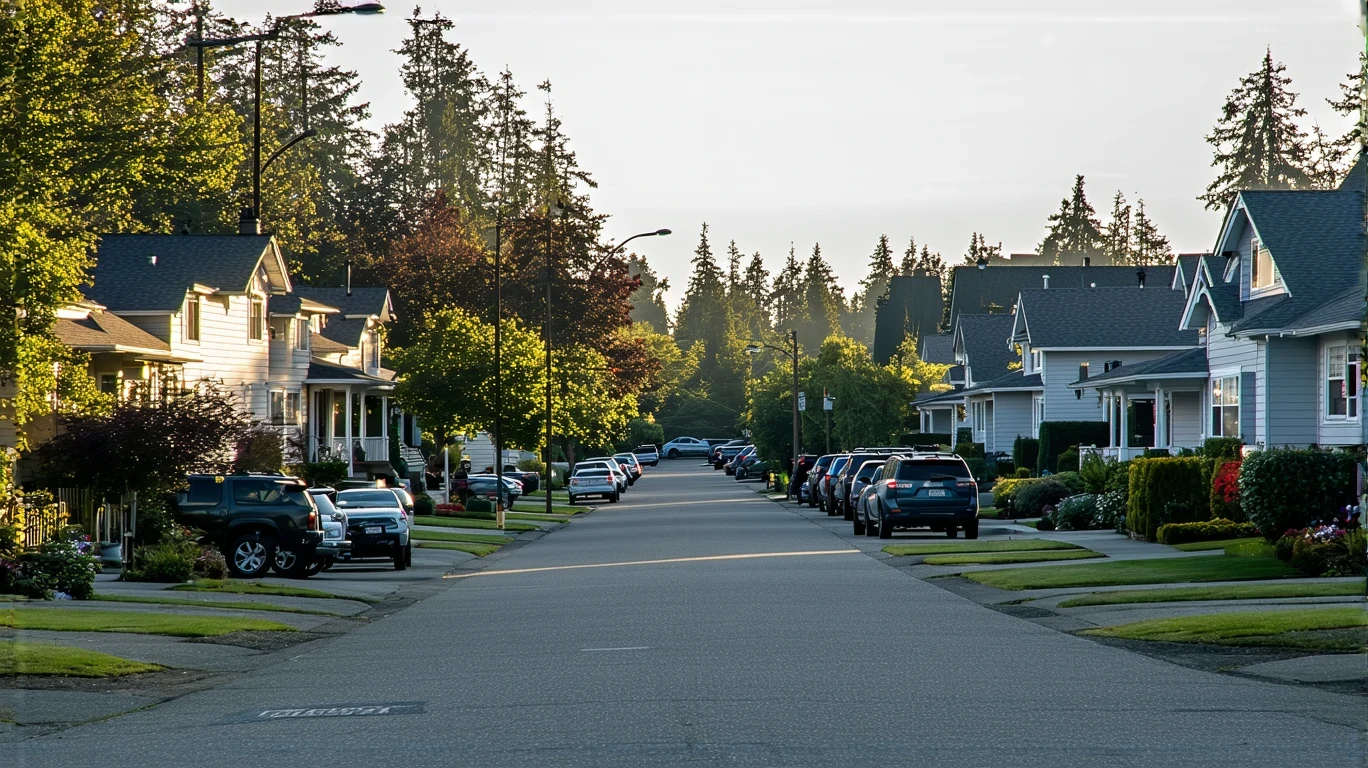
Which city wins on cost? The answer depends entirely on which expenses dominate your household budget and how you actually live day-to-day. Edmonds and Renton sit within the same Seattle metro area, share the same regional price environment, but distribute cost pressure in strikingly different ways. Edmonds offers waterfront character, walkable pockets, and rail transit access, while Renton positions itself as a more car-oriented hub with industrial employment centers and highway connectivity. For households deciding between them in 2026, the choice isn’t about finding the cheaper option—it’s about understanding where costs concentrate, which trade-offs matter most, and how your daily routines interact with each city’s infrastructure.
Both cities attract different household profiles for good reason. Edmonds draws families seeking established neighborhoods, retirees prioritizing walkability, and commuters who value transit options into Seattle. Renton appeals to younger workers near Boeing or tech campuses, households prioritizing lower entry costs for homeownership, and those who depend on car access for work or errands. The cost structures reflect these differences: Edmonds front-loads expenses into housing but offers infrastructure that can reduce transportation dependence, while Renton spreads pressure across rent, utilities, and commute costs in ways that feel more manageable month-to-month but require careful planning around car ownership and energy exposure.
This comparison explains how housing, utilities, groceries, transportation, and fees behave differently in each city, and which households feel those differences most acutely. It does not calculate total cost of living or declare a universal winner—because the better choice depends on what you’re sensitive to, how you move through your day, and what kind of cost predictability or flexibility you need.
Housing Costs: Entry Barrier vs Ongoing Obligation
Housing costs in Edmonds and Renton create opposite pressure points. Edmonds has a median home value of $761,300, while Renton’s sits at $576,800—a substantial difference that shapes who can enter the ownership market and what kind of mortgage obligation follows. For buyers, Edmonds requires a larger down payment, higher monthly principal and interest, and greater exposure to property tax assessments on a more expensive asset. Renton’s lower home values reduce the entry barrier and result in smaller baseline mortgage payments, making ownership accessible to households with less accumulated savings or those prioritizing lower fixed housing costs.
Rental markets flip the script. Edmonds has a median gross rent of $1,821 per month, while Renton’s median sits at $1,864 per month. The difference is modest but consistent—renters in Renton face slightly higher ongoing obligations despite the city’s lower ownership costs. This suggests Renton’s rental stock may include newer construction, more amenitized complexes, or higher demand from workers tied to local employers. Edmonds renters benefit from slightly lower monthly rent while living in a city with stronger walkability and transit access, which can reduce transportation costs and time friction for car-light households.
Housing type and age matter differently in each city. Edmonds features more established single-family neighborhoods with older housing stock, which can mean lower utility efficiency but more space and yard access. Renton’s housing mix includes more apartments and newer builds near employment corridors, offering better insulation and modern systems but less space per dollar. Families seeking yards and long-term stability may find Edmonds’ ownership market worth the entry cost, while young professionals or couples prioritizing flexibility and proximity to work may prefer Renton’s rental options despite the slightly higher monthly rent.
| Housing Type | Edmonds | Renton |
|---|---|---|
| Median Home Value | $761,300 | $576,800 |
| Median Gross Rent | $1,821/month | $1,864/month |
First-time buyers face a clear trade-off: Edmonds demands more upfront capital and results in higher fixed costs, but offers established neighborhoods and infrastructure that may reduce other expenses over time. Renton lowers the barrier to ownership and results in smaller monthly mortgage obligations, but requires more attention to transportation and utility planning. Renters experience the inverse—Edmonds offers slightly lower rent in a more walkable environment, while Renton’s higher rent comes with proximity to jobs and highway access. Long-term owners in Edmonds accept higher property tax exposure in exchange for neighborhood stability and transit connectivity, while Renton owners prioritize lower acquisition costs and flexibility to relocate as employment or family needs shift.
Housing takeaway: Households sensitive to entry barriers and down payment requirements will find Renton more accessible for ownership, while those prioritizing lower ongoing rent and walkable infrastructure may prefer Edmonds. Families planning to stay long-term and willing to absorb higher mortgage payments may value Edmonds’ established character, while younger buyers or those with variable income may find Renton’s lower home values and flexibility more sustainable. The decision hinges on whether housing pressure feels more acute at the point of entry or as an ongoing monthly obligation.
Utilities and Energy Costs: Heating Exposure and Seasonal Volatility
Utility costs in Edmonds and Renton share the same electricity rate environment—Edmonds pays 13.85¢/kWh and Renton pays 14.06¢/kWh, a negligible difference that won’t meaningfully affect most households. The real divergence appears in natural gas pricing, where Renton’s rate of $24.71/MCF sits 48% higher than Edmonds’ $16.72/MCF. This gap matters most during heating season, when households relying on gas furnaces face substantially higher exposure in Renton. For a household using gas heat through fall and winter months, the difference compounds over time, creating more volatility in Renton’s utility bills and requiring more careful budgeting around seasonal peaks.
Housing stock and insulation quality interact with these rates in important ways. Edmonds’ older single-family homes often feature less efficient windows, insulation, and HVAC systems, which can increase baseline usage even when rates are lower. Renton’s newer apartment complexes and townhomes typically offer better thermal performance, reducing the volume of gas needed but exposing residents to higher per-unit costs when heating is required. Single-family homeowners in Renton face the double burden of higher gas rates and larger spaces to heat, while apartment renters in both cities benefit from shared walls and smaller square footage that naturally limit consumption.
Cooling costs remain modest in both cities due to the Pacific Northwest’s temperate climate, but Edmonds’ proximity to Puget Sound can provide natural ventilation and cooler evening temperatures that reduce air conditioning dependence. Renton’s inland position and proximity to industrial areas can result in slightly warmer summer days, increasing the likelihood that households run AC during heat events. Neither city experiences extreme cooling seasons, but the marginal difference favors Edmonds for households sensitive to summer utility spikes or those living in units without effective cross-ventilation.
Household size and home age drive the largest differences in utility exposure. Families in larger, older homes face higher absolute usage regardless of city, but Renton’s gas rates amplify that exposure during heating months. Couples or single adults in newer apartments experience lower baseline usage, making Renton’s higher gas rates less impactful in practice. Homeowners planning energy efficiency upgrades—better insulation, modern furnaces, or heat pumps—will see those investments pay off faster in Renton due to the higher gas rates, while Edmonds homeowners may prioritize upgrades that address older infrastructure and air leakage rather than rate sensitivity alone.
Utility takeaway: Households in Renton face more volatile heating costs due to substantially higher natural gas rates, especially in older or larger homes. Edmonds offers more predictable gas expenses and benefits from coastal moderation that reduces cooling needs. Families heating large spaces or planning long-term occupancy should weigh Renton’s gas rate exposure carefully, while apartment renters and smaller households may find the difference less material. The primary cost driver is heating season exposure, and Renton’s rate structure makes that exposure harder to control without investment in efficiency or fuel switching.
Groceries and Daily Expenses: Price Sensitivity and Access Patterns
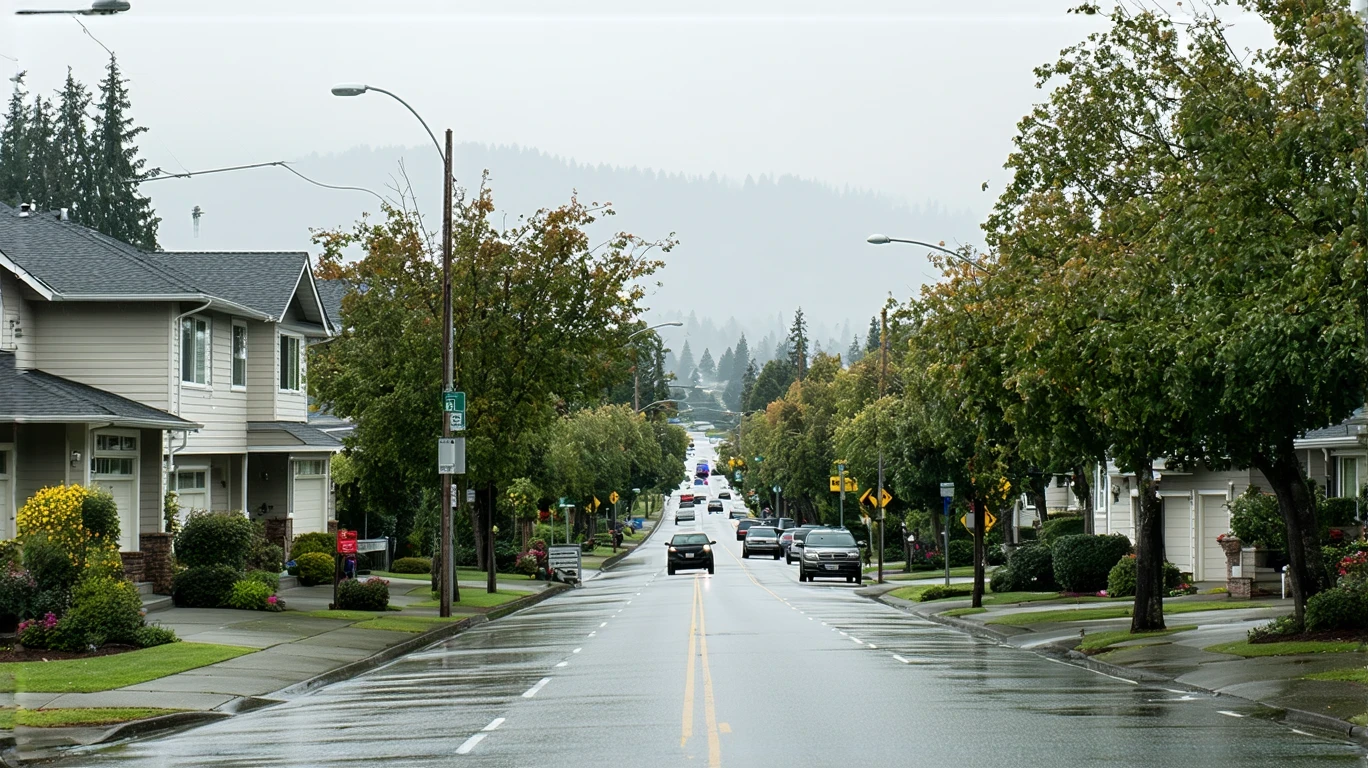
Grocery and daily expense pressure in Edmonds and Renton operates within the same regional price environment—both cities share a regional price parity index of 113, meaning food, household goods, and everyday items cost roughly the same at the register. The difference lies in how access patterns, store concentration, and convenience spending interact with household routines. Edmonds features corridor-clustered food and grocery options, with higher food establishment density concentrated along main streets and near transit nodes. This clustering supports walkable errands for some households but can also create gaps in coverage for residents farther from those corridors, requiring either car trips or reliance on a smaller set of nearby stores.
Renton’s more car-oriented layout spreads grocery options across highway corridors and strip mall clusters, offering big-box access and discount retailers that appeal to households managing larger volumes or seeking price flexibility. Stores such as Costco, WinCo, or regional discount chains provide bulk purchasing power that can lower per-unit costs for families, while Edmonds’ walkable grocery access tends to favor smaller-format stores with higher per-item pricing but greater convenience for quick trips. The trade-off is time versus price control—Renton households may drive farther but gain access to lower-cost options, while Edmonds households may pay slightly more per trip but reduce transportation friction and time spent on errands.
Dining out and convenience spending follow similar patterns. Edmonds’ walkable downtown and waterfront areas encourage casual dining, coffee shops, and takeout spending that can accumulate quickly for households without strict budgeting discipline. Renton’s dining options cluster near employment centers and shopping districts, often requiring intentional trips rather than spontaneous stops, which can help limit discretionary spending but also reduce flexibility for households juggling work and family schedules. Single adults and couples in Edmonds may find themselves spending more on prepared food simply due to proximity and routine, while families in Renton may batch grocery trips and meal prep to avoid the time cost of multiple store visits.
Household size and shopping habits determine where grocery pressure concentrates. Families managing larger volumes benefit from Renton’s big-box access and bulk pricing, especially when paired with meal planning and batch cooking. Single adults or couples prioritizing convenience and time savings may prefer Edmonds’ walkable access, even if per-item costs run slightly higher. Households sensitive to convenience spending creep—frequent coffee runs, takeout meals, or impulse purchases—should recognize that Edmonds’ walkable environment can encourage more frequent small transactions, while Renton’s car-dependent layout naturally limits spontaneous spending but requires more planning and transportation time.
Grocery takeaway: Households managing large grocery volumes or prioritizing price flexibility will find Renton’s big-box access and discount options more cost-effective, while those valuing walkable convenience and reduced transportation friction may prefer Edmonds despite slightly higher per-item costs. Families with strict budgets and meal planning routines can leverage Renton’s bulk pricing, while single adults or busy couples may find Edmonds’ corridor-clustered access reduces time costs and simplifies daily logistics. The primary difference is whether cost sensitivity is driven by price per item or by time and transportation friction.
Taxes and Fees: Predictability and Structural Differences
Taxes and fees in Edmonds and Renton share Washington State’s structure—no state income tax, reliance on sales and property taxes, and local fees for utilities and services. Both cities fall under the same regional tax environment, but differences in property values, housing type, and local fee structures create distinct pressure points. Edmonds’ higher median home value of $761,300 results in higher absolute property tax bills for homeowners, even if millage rates are similar. Renton’s lower median home value of $576,800 reduces baseline property tax exposure, making ownership more predictable for households managing fixed incomes or planning long-term budgets.
Sales taxes affect all households equally at the point of purchase, but spending patterns and household size determine total exposure. Families making frequent large purchases—furniture, appliances, vehicles—feel sales tax pressure more acutely regardless of city, but Renton’s proximity to big-box retailers and auto dealerships can concentrate those transactions in ways that make the tax burden more visible. Edmonds households may spread purchases across smaller transactions, reducing the psychological impact of sales tax but not the cumulative total. Neither city offers meaningful relief from Washington’s sales tax structure, so households sensitive to consumption taxes should focus on purchase timing and volume rather than location.
Local fees for utilities, trash collection, water, and sewer vary by provider and housing type. Homeowners in both cities pay these fees directly, with older infrastructure in Edmonds sometimes resulting in higher water or sewer rates due to system maintenance costs. Renton’s newer development areas may feature more modern utility infrastructure, but special assessments or local improvement districts can introduce unpredictable fees for residents in certain neighborhoods. Renters typically see these costs bundled into rent or paid separately depending on lease structure, making fee exposure less transparent but still present.
HOA fees appear more frequently in Renton’s newer townhome and condo developments, where monthly dues can range from modest landscaping fees to several hundred dollars for amenitized complexes with pools, gyms, or shared facilities. Edmonds’ older single-family neighborhoods rarely carry HOA obligations, giving homeowners more control over maintenance spending but also more responsibility for upkeep and repairs. Households planning to stay several years should weigh whether predictable HOA fees simplify budgeting or whether the flexibility of no HOA allows better control over discretionary spending.
Tax and fee takeaway: Homeowners in Edmonds face higher property tax exposure due to elevated home values, while Renton’s lower values reduce baseline tax obligations and improve predictability. HOA fees appear more frequently in Renton’s newer housing stock, adding recurring costs but also reducing individual maintenance responsibility. Long-term residents in Edmonds accept higher property taxes in exchange for established neighborhoods and no HOA obligations, while Renton homeowners prioritize lower entry costs and predictable fee structures. The primary difference is whether tax pressure is driven by property value or by recurring fees and assessments.
Transportation and Commute Reality
Transportation costs and commute patterns in Edmonds and Renton reflect different infrastructure priorities and daily routines. Edmonds has an average commute time of 28 minutes, while Renton’s sits at 30 minutes—a modest difference that becomes more meaningful when combined with gas prices and transit access. Edmonds’ gas price of $4.15/gal runs higher than Renton’s $3.80/gal, creating more exposure for households driving long distances or commuting daily by car. However, Edmonds offers rail transit access and walkable pockets that allow some households to reduce car dependence, while Renton’s car-oriented layout makes vehicle ownership nearly essential for most residents.
Commute length and frequency determine where transportation pressure concentrates. In Edmonds, 47.9% of workers have long commutes (typically defined as over 30 minutes), while Renton’s long commute percentage sits at 52.4%. This suggests Renton workers face slightly more time friction and distance exposure, which compounds with the need for reliable car access and highway navigation. Edmonds’ rail presence provides an alternative for Seattle-bound commuters, reducing per-trip costs and eliminating parking expenses for those who can structure their routines around transit schedules. Renton lacks comparable rail access, making car ownership and gas price sensitivity more acute for households commuting outside the immediate area.
Work-from-home percentages are nearly identical—11.0% in Edmonds and 10.9% in Renton—indicating that most households in both cities still rely on physical commutes. For those working remotely full-time, transportation costs drop significantly, but occasional office trips or errands still require car access in Renton, while Edmonds’ walkable corridors and transit options offer more flexibility for car-light or car-free living. Households with one remote worker and one commuter may find Edmonds’ infrastructure reduces the need for a second vehicle, while Renton households typically require two cars to manage work and errands independently.
Parking, maintenance, and insurance costs apply regardless of city, but Edmonds’ transit access and walkable errands can reduce total miles driven per year, lowering wear and tear and extending vehicle lifespan. Renton’s highway-dependent layout increases annual mileage for most households, accelerating maintenance cycles and raising long-term ownership costs. Families with multiple drivers or teens approaching driving age should consider whether Renton’s car dependence requires additional vehicles and insurance coverage, while Edmonds’ infrastructure may allow delayed vehicle purchases or shared car arrangements.
Transportation takeaway: Households commuting long distances by car face higher gas costs in Edmonds but benefit from rail transit options that can reduce per-trip expenses and parking fees. Renton’s lower gas prices offer some relief, but the city’s car-oriented layout and slightly longer average commutes increase total transportation dependence and annual mileage. Families requiring multiple vehicles or managing teen drivers may find Renton’s infrastructure demands more costly over time, while Edmonds’ walkable pockets and transit access allow some households to reduce or eliminate second-car ownership. The primary difference is whether transportation pressure is driven by per-gallon costs or by total car dependence and infrastructure demands.
How Place Structure Shapes Daily Logistics
The way Edmonds and Renton are built—how streets connect, where stores cluster, and what transportation options exist—directly affects how households move through their day and what costs they can avoid or must absorb. Edmonds features walkable pockets with substantial pedestrian infrastructure, meaning some neighborhoods support routine errands on foot or by bike without requiring a car for every trip. The city’s rail transit presence provides a viable alternative for Seattle-bound commutes, reducing the need for downtown parking and allowing households to structure work trips around train schedules rather than highway congestion. Food and grocery options concentrate along corridors, creating clusters where multiple errands can be completed in a single walk or short drive, though residents farther from these corridors still depend on cars for most shopping.
This infrastructure mix allows certain households—particularly couples without young children, retirees, or remote workers—to reduce car dependence and the ongoing costs that come with it: gas, insurance, maintenance, and parking. Families with school-age children or multiple working adults may still require a car for flexibility, but Edmonds’ layout reduces the frequency of car trips and the total miles driven per week. The city’s park density and waterfront access also mean that recreation and outdoor time often happen within walking or biking distance, reducing the need for weekend drives to access green space.
Renton’s structure operates differently. The city’s car-oriented layout spreads grocery stores, services, and employment centers across highway corridors and strip mall clusters, making most errands require a vehicle. While this provides access to big-box retailers and bulk pricing that can lower per-item costs, it also means households must plan trips carefully to avoid multiple drives per day. The absence of rail transit and limited pedestrian infrastructure make car ownership nearly essential, even for households living near bus routes. Families managing school drop-offs, grocery runs, and work commutes typically need two vehicles to maintain schedule flexibility, increasing fixed transportation costs and reducing the ability to absorb unexpected expenses.
For households sensitive to time costs and logistics complexity, these structural differences matter as much as price differences. Edmonds’ clustered errands and transit access reduce the time spent managing daily routines, while Renton’s car dependence requires more planning and coordination but offers access to lower-cost shopping options for those willing to batch trips. Single adults or couples in Edmonds may find they can walk to coffee, groceries, and transit without owning a car, while the same household in Renton would struggle to manage work and errands without reliable vehicle access. Families in Renton gain access to larger homes and lower ownership costs, but must account for the transportation infrastructure and time friction that come with a car-dependent layout.
How this article was built: In addition to public economic data, this article incorporates location-based experiential signals derived from anonymized geographic patterns—such as access density, walkability, and land-use mix—to reflect how day-to-day living actually feels in Edmonds, WA.
Cost Structure Comparison
Housing dominates the cost experience in both cities, but the pressure shows up differently. Edmonds front-loads costs into homeownership, requiring larger down payments and resulting in higher monthly mortgage obligations, while Renton lowers the barrier to ownership but shifts pressure into slightly higher rent for those not ready to buy. Renters in Edmonds gain access to walkable infrastructure and lower monthly rent, while Renton renters pay modestly more but live closer to employment centers and highway access. Families seeking long-term stability and willing to absorb higher entry costs may find Edmonds’ ownership market worth the investment, while younger buyers or those with variable income may prioritize Renton’s lower home values and flexibility.
Utilities introduce more volatility in Renton due to substantially higher natural gas rates, especially during heating season. Households in larger or older homes face compounding exposure, while apartment renters and those in newer construction experience lower baseline usage that limits the impact. Edmonds offers more predictable gas expenses and benefits from coastal moderation that reduces cooling needs, making utility budgeting simpler for families managing fixed incomes or planning long-term occupancy. The difference is most acute for homeowners heating large spaces, where Renton’s rate structure creates ongoing pressure that requires either investment in efficiency or careful seasonal budgeting.
Transportation patterns matter more in Renton, where car dependence is nearly universal and households typically require two vehicles to manage work and errands independently. Edmonds’ rail transit and walkable corridors allow some households to reduce or eliminate second-car ownership, lowering fixed costs and reducing annual mileage. Gas prices run higher in Edmonds, but the infrastructure supports lower total consumption for households able to structure routines around transit and pedestrian access. Families with multiple drivers or teens approaching driving age should weigh whether Renton’s layout demands additional vehicles and insurance coverage, while Edmonds’ infrastructure may allow delayed purchases or shared car arrangements.
Groceries and daily expenses operate within the same regional price environment, but access patterns and shopping habits determine where pressure concentrates. Renton’s big-box access and bulk pricing benefit families managing large volumes or seeking price flexibility, while Edmonds’ corridor-clustered options reduce transportation friction and time costs for households prioritizing convenience. Single adults or couples in Edmonds may spend more on prepared food due to proximity and routine, while families in Renton can leverage meal planning and batch shopping to control costs despite higher transportation time.
The better choice depends on which costs dominate your household and what kind of predictability or flexibility you need. Households sensitive to entry barriers and down payment requirements will find Renton more accessible, while those prioritizing lower ongoing rent and walkable infrastructure may prefer Edmonds. Families managing large grocery volumes or heating large spaces should weigh Renton’s bulk pricing and gas rate exposure carefully, while smaller households or those able to reduce car dependence may find Edmonds’ infrastructure reduces total monthly obligations. For households planning to stay long-term, the decision is less about price and more about whether cost pressure feels more acute at the point of entry or as an ongoing monthly obligation.
How the Same Income Feels in Edmonds vs Renton
Single Adult
For a single adult, housing becomes the first non-negotiable cost, and the choice between Edmonds and Renton determines whether that pressure is concentrated in rent or deferred through lower ownership entry. In Edmonds, lower rent and walkable access to transit and errands create flexibility—car ownership becomes optional, reducing fixed transportation costs and allowing more income to flow toward discretionary spending or savings. In Renton, slightly higher rent and near-universal car dependence lock in transportation costs early, leaving less room for flexibility when unexpected expenses arise. The role of commute friction differs sharply: Edmonds’ rail access allows some workers to avoid parking fees and highway stress, while Renton’s car-oriented layout makes vehicle reliability and gas price sensitivity constant background concerns.
Dual-Income Couple
For a dual-income couple, the trade-off shifts toward time costs and logistics complexity. In Edmonds, clustered errands and transit options reduce the need for a second vehicle, allowing one partner to commute by rail while the other drives or works remotely. This setup lowers fixed transportation costs and reduces the time spent coordinating schedules or managing separate car trips. In Renton, both partners typically need cars to maintain schedule independence, increasing insurance, maintenance, and gas exposure but providing access to lower home prices and bulk shopping options. Flexibility exists in Renton through price control—big-box access and meal planning can offset higher transportation costs—but predictability suffers when gas prices spike or heating season drives utility bills higher due to elevated natural gas rates.
Family with Kids
For a family with kids, non-negotiable costs expand quickly: housing large enough for multiple bedrooms, reliable transportation for school and activities, and grocery volumes that require careful planning. In Edmonds, higher home prices front-load costs into ownership, but walkable parks and transit access reduce the need for constant driving and allow kids to access recreation independently as they age. Utility costs remain more predictable, and the ability to walk or bike to errands reduces time friction for parents managing complex schedules. In Renton, lower home prices ease entry into ownership, but heating season exposure and car dependence create ongoing pressure that compounds with household size. Families gain access to bulk pricing and larger homes, but must absorb the time cost of car-dependent logistics and the volatility of higher natural gas rates during winter months.
Decision Matrix: Which City Fits Which Household?
| Decision factor | If you’re sensitive to this… | Edmonds tends to fit when… | Renton tends to fit when… |
|---|---|---|---|
| Housing entry + space needs | Down payment size, mortgage obligation, or rental flexibility | You prioritize lower rent and can absorb higher ownership entry for long-term stability | You need lower home prices to enter ownership or prefer flexibility despite slightly higher rent |
| Transportation dependence + commute friction | Car ownership costs, commute time, or transit viability | You can structure routines around rail transit or reduce car dependence through walkable access | You require reliable car access for work and errands and prioritize highway connectivity over transit |
| Utility variability + home size exposure | Heating season volatility, predictability, or seasonal bill spikes | You value predictable gas costs and benefit from coastal moderation that limits cooling needs | You can invest in efficiency or accept higher heating exposure in exchange for lower ownership entry |
| Grocery strategy + convenience spending creep | Price per item, bulk access, or time spent on errands | You prioritize walkable convenience and reduced transportation friction over bulk pricing | You manage large volumes through meal planning and value big-box access for price control |
| Fees + friction costs (HOA, services, upkeep) | Recurring fees, maintenance responsibility, or predictability | You prefer no HOA obligations and accept individual maintenance responsibility for flexibility | You value predictable HOA fees that bundle services and reduce individual upkeep decisions |
| Time budget (schedule flexibility, errands, logistics) | Coordination complexity, driving time, or household logistics | You benefit from clustered errands and transit access that reduce daily driving and time friction | You can batch trips and manage car-dependent logistics in exchange for lower ownership costs |
Lifestyle Fit and Regional Context
Edmonds and Renton offer distinct lifestyle experiences that extend beyond cost structure and affect how households spend their time, manage routines, and access recreation. Edmonds sits along Puget Sound, providing waterfront access, established neighborhoods with mature trees, and a walkable downtown that supports casual dining, local shops, and community events. The city’s ferry terminal connects residents to the Kitsap Peninsula, adding recreational options and weekend flexibility without requiring long drives. Parks integrate throughout residential areas, and the city’s mixed building heights and land-use patterns create pockets where errands, transit, and housing coexist within short distances. This environment appeals to families seeking neighborhood stability, retirees prioritizing walkability, and commuters who value rail access into Seattle.
Renton operates as a regional employment hub, with Boeing facilities, healthcare campuses, and tech offices drawing workers from across the metro area. The city’s layout prioritizes car access and highway connectivity, making it well-suited for households whose routines revolve around driving to work, shopping at big-box retailers, and managing errands across multiple locations. Renton’s newer