
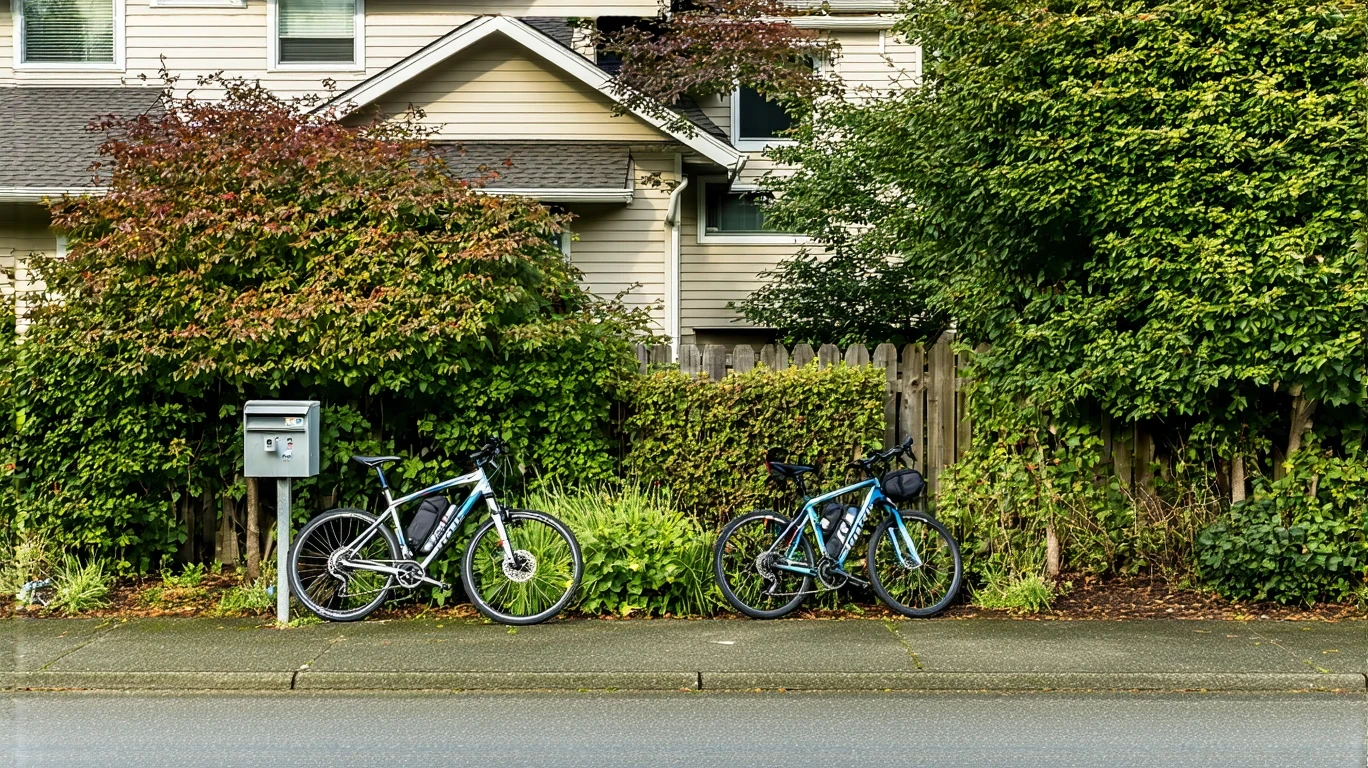
When the Torres family started weighing their options on Seattle’s Eastside in early 2026, the debate came down to two cities separated by less than ten miles but defined by very different lifestyles: Sammamish and Bellevue. Both sit in King County, both offer access to strong schools and tech employment, and both command premium prices in one of the country’s most competitive housing markets. But the cost pressures in each city show up in different places, at different times, and for different reasons. For families like the Torres household—two working parents, two school-age kids, and a need to balance space with convenience—the decision isn’t about which city costs less overall. It’s about which cost structure fits their priorities, their commute tolerance, and the way they actually live day to day.
Sammamish offers the appeal of newer suburban neighborhoods, larger lots, and a quieter residential feel. Bellevue brings urban energy, walkable districts, a more diverse mix of housing types, and proximity to employment hubs and transit. The tradeoff isn’t just aesthetic—it’s financial. Where you feel cost pressure, how predictable your monthly obligations are, and what you’re willing to prioritize (space vs. access, driving vs. walking, entry cost vs. ongoing flexibility) will determine which city makes more sense in 2026.
This article breaks down where money goes in each city—not to declare a winner, but to explain how housing, utilities, transportation, groceries, and taxes behave differently depending on where you live. The goal is to help households understand which cost drivers matter most to them, and which city aligns better with how they plan to spend, save, and settle in.
Housing Costs in Sammamish vs. Bellevue
Housing is the dominant cost factor on the Eastside, and the difference between Sammamish and Bellevue starts with what kind of housing is most common. Sammamish is heavily oriented toward single-family homes, many built in the last two decades, with larger floor plans and lot sizes that appeal to families looking for space, privacy, and access to top-rated schools. The housing stock skews newer, which often means better insulation, modern HVAC systems, and lower maintenance needs in the near term—but it also means higher entry costs. Homes in Sammamish tend to be larger, and the market reflects demand for that suburban family footprint.
Bellevue, by contrast, offers a much wider range of housing types. Downtown and near-downtown Bellevue feature high-rise apartments and condos, while neighborhoods farther from the core include townhomes, older single-family homes, and mid-rise complexes. This diversity creates more flexibility for renters and buyers at different income levels, but it also introduces more competition for units in walkable, transit-accessible areas. Bellevue’s housing market is shaped by proximity—the closer you are to downtown, transit stations, or major employers, the more you’ll pay per square foot. Sammamish’s housing pressure, on the other hand, is less about location within the city and more about the baseline cost of entry into a low-density, family-oriented suburb.
For renters, Bellevue typically offers more options, especially for singles, couples, or small families willing to live in apartments or condos. Sammamish has fewer rental units overall, and those that exist are often single-family homes or townhomes with higher monthly obligations. Renters prioritizing walkability, access to restaurants and services, or a car-optional lifestyle will find Bellevue more accommodating. Renters seeking quiet, space, and a suburban environment may find Sammamish appealing—but the rental market is thinner, and lease terms may be less flexible.
For buyers, the decision hinges on what you’re optimizing for. Sammamish buyers are typically paying for space, school access, and a neighborhood feel. Bellevue buyers are often paying for proximity—to work, to transit, to urban amenities. First-time buyers stretching to afford either city may find Bellevue’s older housing stock or smaller condos more accessible, while families prioritizing yard space and newer construction will gravitate toward Sammamish despite the higher entry cost.
Housing takeaway: Sammamish imposes higher upfront housing costs, driven by larger homes and newer construction. Bellevue offers more housing diversity and flexibility, but competition for walkable, transit-accessible units drives per-square-foot costs higher in desirable areas. Families prioritizing space and newness face steeper entry barriers in Sammamish. Households prioritizing access, walkability, and housing type flexibility will find more options—and more competition—in Bellevue.
Utilities and Energy Costs
Utility costs in both cities are shaped by the Pacific Northwest’s temperate climate, but the way those costs show up depends more on housing type, age, and size than on dramatic seasonal swings. Winters are cool and damp, requiring consistent heating from late fall through early spring. Summers are generally mild, with occasional warm stretches that drive short-term air conditioning use in homes equipped with cooling systems. Neither city experiences the extreme heating or cooling loads common in other parts of the country, but the differences in housing stock between Sammamish and Bellevue create different exposure patterns.
Sammamish’s housing stock is newer on average, which often translates to better insulation, more efficient windows, and modern heating systems. Larger homes, however, mean more square footage to heat and cool, and families in single-family homes may see higher baseline utility usage simply due to home size. Homes with vaulted ceilings, open floor plans, or poor landscaping placement may experience more heating loss in winter. Many Sammamish homes rely on electric heating or natural gas furnaces, and monthly utility bills tend to be more stable and predictable than in older housing markets, though total usage is higher due to square footage.
Bellevue’s housing mix includes older single-family homes, mid-rise apartments, and high-rise condos. Older homes may have less efficient heating systems, single-pane windows, or minimal insulation, leading to higher heating costs in winter despite smaller square footage. Apartment and condo dwellers, especially those in multi-family buildings, often benefit from shared walls and smaller unit sizes, which reduce heating and cooling needs. High-rise residents may also see lower utility bills due to centralized systems and reduced exposure to outdoor temperature swings. However, older buildings without modern HVAC upgrades can still experience inefficiency-driven cost spikes during colder months.
Utility cost exposure in both cities is also shaped by household behavior. Families working from home, running multiple devices, or managing larger households will see higher electricity usage regardless of location. In Sammamish, the combination of larger homes and family-oriented living often means higher baseline consumption. In Bellevue, smaller living spaces and urban density can reduce per-household usage, but older infrastructure may offset some of those gains. Both cities are served by regional utility providers, and rate structures are similar, so the primary cost difference comes down to housing type, home age, and square footage rather than geographic pricing variation.
Utility takeaway: Sammamish households, especially those in larger single-family homes, face higher baseline utility usage due to square footage, though newer construction offers better efficiency. Bellevue households in apartments or condos benefit from smaller spaces and shared walls, reducing heating and cooling needs, but older single-family homes may experience inefficiency-driven cost spikes. Families in larger homes will feel more utility pressure in Sammamish. Singles, couples, or small families in modern apartments will see lower, more predictable utility costs in Bellevue.
Groceries and Daily Expenses
Grocery and daily expense pressure in Sammamish and Bellevue is less about price differences between the two cities and more about access, shopping habits, and how households structure their routines. Both cities sit within the same regional grocery market, served by similar chains, and price variation between stores is minimal. What changes is convenience, store density, and the types of shopping trips households tend to make.
Sammamish is more car-dependent by design, and most grocery shopping happens at larger stores—think Costco, Fred Meyer, Safeway, or QFC—where families can stock up in fewer trips. The suburban layout encourages bulk buying and less frequent shopping, which can help families manage costs if they plan meals and avoid waste. However, quick trips for forgotten items or last-minute needs often require driving, and the lack of walkable corner stores or neighborhood markets means less flexibility for spontaneous, smaller purchases. Families who cook at home and plan ahead tend to do well in Sammamish’s grocery environment. Those who rely on convenience, prepared foods, or frequent small trips may find the car dependency frustrating and occasionally more expensive due to impulse purchases during larger shopping runs.
Bellevue offers more grocery density and walkability, especially in and near downtown. Residents in central Bellevue can often walk or bike to Whole Foods, Trader Joe’s, PCC, or smaller neighborhood markets, making it easier to shop more frequently in smaller quantities. This can reduce food waste and allow households to buy fresher produce and proteins without needing a large pantry or freezer. However, walkable urban grocery stores often skew toward higher-end or specialty options, and convenience can come with a price premium. Families managing larger grocery volumes may still drive to big-box stores outside the core, but the option to walk for daily essentials gives Bellevue households more flexibility in how they shop.
Dining out and convenience spending also differ in texture. Bellevue’s urban core offers more restaurants, cafes, and takeout options within walking distance, which can increase spending on meals out, coffee runs, and spontaneous dining. Sammamish’s dining scene is more spread out and car-dependent, which may naturally limit frequency but also means fewer quick, low-cost options for a casual meal. Families with kids may find Sammamish’s layout encourages more home cooking by default, while Bellevue’s walkable restaurant density can make dining out feel easier and more frequent—especially for working professionals or couples without children.
Grocery takeaway: Sammamish households benefit from bulk shopping and lower reliance on convenience spending, but car dependency and fewer walkable options reduce flexibility. Bellevue households gain access to walkable grocery stores and frequent small-trip shopping, but proximity to dining and specialty stores can increase convenience spending. Families who cook at home and plan ahead will feel less grocery pressure in Sammamish. Singles, couples, or urban-oriented households will appreciate Bellevue’s flexibility but should watch for lifestyle-driven spending creep.
Taxes and Fees
Washington State has no income tax, so the tax burden in both Sammamish and Bellevue is concentrated in property taxes, sales taxes, and local fees. Both cities sit in King County, which means they share the same baseline county tax structure, but city-specific levies, voter-approved measures, and fee structures introduce differences that affect homeowners and renters in distinct ways.
Property taxes in both cities are driven by assessed home values and local levy rates. Sammamish’s newer housing stock and larger home sizes often result in higher assessed values, which translates to higher annual property tax bills for homeowners. However, because Sammamish is a relatively young city with less legacy infrastructure debt, levy rates can be more predictable. Homeowners in Sammamish should expect property taxes to represent a significant ongoing cost, especially for homes purchased in the last decade at elevated prices. Renters don’t pay property taxes directly, but landlords typically pass a portion of that cost through in monthly rent, so the effect is indirect but real.
Bellevue’s property tax picture is more variable. Older homes with lower assessed values may carry lower tax bills, while newer condos or homes in high-demand neighborhoods face steeper assessments. Bellevue also funds more urban infrastructure—transit, parks, public safety, cultural programs—which can result in higher levy rates or special assessments in certain districts. Homeowners planning to stay long-term should research neighborhood-specific levies and any pending ballot measures that could increase rates. Condo owners should also be aware of potential special assessments for building maintenance or shared infrastructure, which can create unpredictable one-time costs.
Sales tax rates are nearly identical in both cities, as they’re set primarily at the county and state level. Small city-specific add-ons may exist, but the difference is negligible in practice. What matters more is spending behavior—households that dine out frequently, shop for goods locally, or make large purchases (furniture, electronics, vehicles) will feel sales tax pressure regardless of location. Sammamish’s car-dependent layout may lead to more online shopping, which avoids some local sales tax but introduces shipping costs. Bellevue’s walkable retail districts make in-person shopping easier, but that convenience can increase taxable spending.
Local fees—utilities, garbage, stormwater, parks—are structured similarly in both cities, though specifics vary by service provider and neighborhood. Homeowners in both cities should budget for these recurring fees, which are generally predictable but can increase periodically due to rate adjustments or infrastructure upgrades. Renters may see some of these fees included in rent, or they may be billed separately depending on lease terms.
Tax and fee takeaway: Sammamish homeowners face higher property tax bills due to larger, newer homes with higher assessed values, but levy structures are relatively predictable. Bellevue homeowners experience more variability depending on neighborhood, home age, and proximity to urban infrastructure investments. Renters in both cities are indirectly affected by property taxes, but the impact is more pronounced in Sammamish due to higher baseline home values. Long-term homeowners should prioritize understanding local levy trends and potential ballot measures in either city.
Getting Around: Transportation and Commute
Transportation costs and commute realities differ sharply between Sammamish and Bellevue, and the distinction comes down to car dependency versus transit access. Sammamish is a car-first suburb. Most residents drive for work, errands, school drop-offs, and recreation. There is no light rail service, and bus routes are limited in frequency and coverage. Households in Sammamish should plan on owning at least one vehicle per working adult, and many families find that two cars are necessary to manage daily logistics. Commutes to Seattle, Bellevue, or Redmond typically require driving to a park-and-ride or commuting the full distance by car, which introduces costs for fuel, parking, insurance, and vehicle maintenance.
Bellevue offers more transportation flexibility. Downtown Bellevue is served by multiple bus lines, and light rail access is expanding as regional transit investments continue. Residents living near transit corridors can reduce or eliminate car dependency, especially if they work in Seattle, Redmond, or other Eastside job centers. Walkability within Bellevue varies by neighborhood—downtown and areas near transit stations are highly walkable, while neighborhoods farther from the core still require a car for most trips. However, even car-dependent Bellevue residents benefit from shorter average commutes due to proximity to major employers like Microsoft, Amazon, and other tech companies with Eastside offices.
Commute time matters as much as commute cost. Sammamish residents commuting to Seattle or Bellevue often face 30- to 45-minute drives in moderate traffic, and longer during peak hours. Bellevue residents working locally may have sub-15-minute commutes, and those using transit can avoid parking costs and reduce vehicle wear. For households where both adults work, the time and cost savings of a shorter, transit-accessible commute can be significant—not just in dollars, but in daily stress and schedule flexibility.
Families with school-age children should also consider transportation logistics beyond work commutes. Sammamish’s layout often requires driving kids to school, activities, and social events. Bellevue’s denser neighborhoods may offer more walkable or bikeable school routes, though this depends heavily on specific location. Both cities are safe and well-maintained for driving, but the frequency and necessity of car trips differs meaningfully.
Transportation takeaway: Sammamish households should plan for full car dependency, higher fuel and maintenance costs, and longer commutes to Seattle or Bellevue job centers. Bellevue households gain access to transit options, shorter commutes, and the possibility of reducing car ownership, especially if living near downtown or transit corridors. Families prioritizing space and willing to drive frequently will manage transportation costs in Sammamish. Professionals, couples, or families prioritizing commute time and transit access will find Bellevue’s transportation flexibility more valuable.
Where Cost Pressure Concentrates
The cost structures in Sammamish and Bellevue don’t add up to a simple “cheaper” or “more expensive” conclusion. Instead, they concentrate pressure in different places, at different times, and for different household types. Understanding where you’ll feel cost most acutely—and where you have the most control—is more useful than trying to calculate a total monthly difference.
In Sammamish, housing dominates the cost experience. Entry costs are high due to larger homes and newer construction, and ongoing property taxes reflect those elevated home values. Utilities add a secondary layer of cost due to square footage, though efficiency in newer homes keeps bills more predictable. Transportation costs are unavoidable—car ownership, fuel, and commute time are built into the lifestyle. Grocery and daily expenses are manageable for families who plan ahead and shop in bulk, but convenience spending is limited by car dependency. The cost structure in Sammamish rewards families who prioritize space, stability, and a suburban routine, and who are willing to absorb higher upfront housing costs in exchange for predictability and room to grow.
In Bellevue, housing pressure is more variable. Renters and buyers have more options across price points, but competition for walkable, transit-accessible housing drives per-square-foot costs higher in desirable areas. Utilities are lower for apartment and condo dwellers, but older single-family homes can introduce inefficiency-driven spikes. Transportation costs can be significantly lower for households that reduce car dependency, but this benefit is concentrated in neighborhoods near transit and employment hubs. Grocery and dining expenses are more flexible, but walkable access to restaurants and convenience stores can increase lifestyle-driven spending. The cost structure in Bellevue rewards households who value access, flexibility, and shorter commutes, and who are willing to trade space for proximity and convenience.
For the Torres family, the decision came down to priorities. If they valued yard space, newer construction, and a quieter neighborhood feel—and were prepared to drive frequently and absorb higher housing entry costs—Sammamish made sense. If they valued shorter commutes, walkable errands, and the option to reduce car dependency—and were comfortable with less space and more urban density—Bellevue was the better fit. Neither city is universally cheaper. The better choice depends on which costs dominate your household’s budget, and which tradeoffs you’re willing to make.
Lifestyle Fit: What Daily Life Feels Like
Beyond the numbers, Sammamish and Bellevue offer distinct daily experiences that shape how households spend time, energy, and money. Sammamish feels quiet, spacious, and family-oriented. Neighborhoods are designed around single-family homes, cul-de-sacs, and parks. Kids play in yards and on quiet streets. Commutes are longer, but the tradeoff is space, privacy, and a slower pace. Sammamish is a place where you drive to everything—school, work, groceries, activities—but where the reward is a suburban environment that feels insulated from urban intensity. Families who want room for kids to grow, access to highly rated schools, and a neighborhood where everyone knows each other will find Sammamish appealing.
Bellevue feels more urban, more mixed, and more connected. Downtown Bellevue has high-rises, walkable streets, restaurants, shopping, and cultural venues. Neighborhoods outside the core vary widely—some feel suburban and quiet, others feel dense and transit-oriented. The diversity of housing types means you’ll encounter singles, couples, families, and retirees all living in close proximity. Commutes are shorter on average, and the option to walk, bike, or take transit for daily errands gives households more flexibility in how they move through the city. Bellevue is a place where you can live without a car if you choose your neighborhood carefully, but where the tradeoff is less space, more noise, and more people.
Recreation and amenities differ in texture. Sammamish offers extensive parks, trails, and access to Lake Sammamish, with a focus on outdoor family activities. Bellevue offers urban parks, a thriving arts scene, diverse dining, and proximity to shopping and entertainment. Both cities are safe, well-maintained, and family-friendly, but the lifestyle rhythm is different. Sammamish rewards families who enjoy driving to activities and spending weekends at home or in nature. Bellevue rewards households who value spontaneous outings, walkable access to services, and a more cosmopolitan environment.
Quick facts: Sammamish is ranked among the top school districts in Washington, with a strong focus on STEM and college readiness. Bellevue’s downtown core is home to Bellevue Square, one of the region’s premier shopping destinations, and the Bellevue Arts Museum.
Common Questions About Sammamish vs. Bellevue in 2026
Is Sammamish or Bellevue more affordable for families in 2026?
Neither city is universally more affordable—it depends on what you prioritize. Sammamish has higher housing entry costs due to larger, newer homes, but offers predictability and space. Bellevue has more housing diversity and flexibility, but competition for walkable, transit-accessible units drives costs higher in desirable areas. Families prioritizing space and newness will face steeper upfront costs in Sammamish. Families prioritizing access and shorter commutes may find Bellevue’s cost structure more manageable if they choose housing carefully.
Which city has lower transportation costs, Sammamish or Bellevue, in 2026?
Bellevue offers lower transportation costs for households that can reduce car dependency by living near transit or employment hubs. Sammamish requires full car ownership and longer commutes, which increases fuel, maintenance, and time costs. Households working in Bellevue or Redmond and living in Bellevue will see the biggest transportation savings. Households in Sammamish should plan for two-car ownership and budget accordingly.
Do utilities cost more in Sammamish or Bellevue in 2026?
Utility costs depend more on housing type and size than on city location. Sammamish households in larger single-family homes face higher baseline usage due to square footage, though newer construction offers better efficiency. Bellevue households in apartments or condos benefit from smaller spaces and shared walls, reducing heating and cooling needs. Older single-family homes in Bellevue may experience inefficiency-driven cost spikes. Families in larger homes will feel more utility pressure in Sammamish. Smaller households in modern apartments will see lower costs in Bellevue.
Is it easier to live without a car in Sammamish or Bellevue in 2026?
Bellevue is far more conducive to car-free or car-light living, especially in neighborhoods near downtown or transit corridors. Sammamish is car-dependent by design, with limited transit and low walkability. Households prioritizing car-optional living should focus on central Bellevue. Households comfortable with driving for all trips will find Sammamish’s layout manageable but should plan for full car ownership.
Which city is better for renters, Sammamish or Bellevue, in 2026?
Bellevue offers more rental options across price points and housing types, especially for singles, couples, and small families. Sammamish has fewer rental units, and those available are often larger single-family homes or townhomes with higher monthly costs. Renters prioritizing walkability, access to dining and services, and transit options will find Bellevue more accommodating. Renters seeking space, quiet, and a suburban feel may prefer Sammamish but should expect a thinner rental market and less flexibility.
Making the Call
For the Torres family—and for any household weighing Sammamish against Bellevue in 2026—the decision isn’t about which city costs less. It’s about which cost structure aligns with how you live, what you value, and where you’re willing to make tradeoffs. Sammamish rewards families who prioritize space, newness, and a suburban rhythm, and who are prepared to absorb higher housing entry costs and full car dependency. Bellevue rewards households who value access, flexibility, and shorter commutes, and who are willing to trade square footage for proximity and convenience.
Both cities offer strong schools, safe neighborhoods, and access to the broader Seattle metro economy. Both require significant financial commitment. The difference is where that commitment shows up—upfront in housing, ongoing in transportation, or distributed across utilities, groceries, and lifestyle spending. Understanding your household’s priorities, your tolerance for commuting, and your need for space versus access will guide you toward the city that fits better. Neither choice is wrong. The better choice is the one that matches how you actually want to live.
—