
Maya stood in her family’s Sammamish living room, laptop open to three browser tabs: University of Washington housing waitlists, Craigslist apartment shares in Seattle’s U-District, and a Reddit thread titled “Commuting to UW from the Eastside.” The calculus wasn’t simple. Campus housing meant independence and late-night study sessions, but also $15,000 annual costs and shared bathrooms. A Capitol Hill studio offered urban energy but would drain her part-time barista income. Then there was option three: staying in Sammamish, splitting gas costs with her roommate Priya, and banking the difference. It wasn’t the college experience she’d imagined—but it might be the smartest financial move she’d make in four years.
Why Students Choose Sammamish
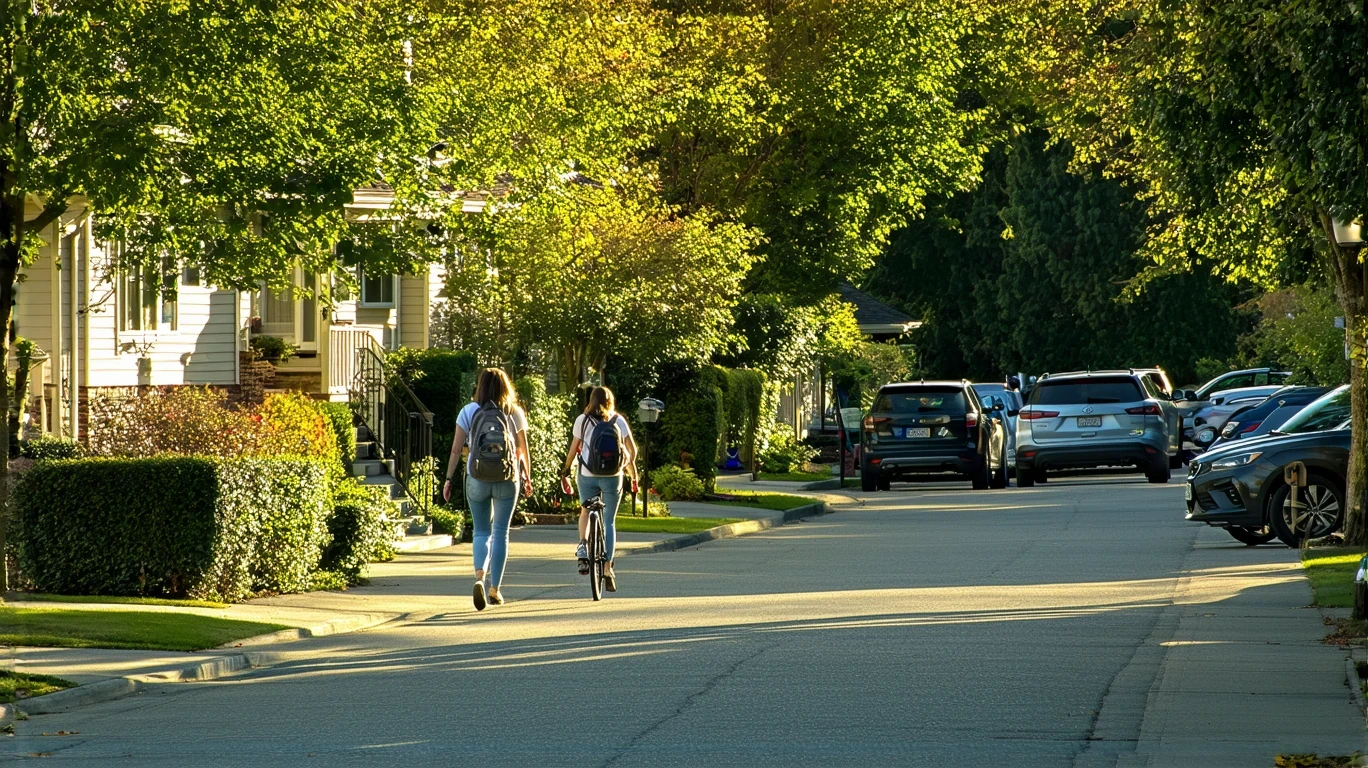
Sammamish occupies an unusual position in the Seattle-area student housing landscape. This isn’t a traditional college town with campus-adjacent apartments, dive bars within walking distance of lecture halls, or streets lined with student-oriented businesses. Instead, Sammamish functions as a suburban home base for commuter students attending University of Washington Seattle, UW Bothell, Bellevue College, or Seattle-area community colleges. The city’s appeal lies not in proximity to campus life, but in access to quieter, safer residential neighborhoods where students—particularly those living with family or sharing houses with multiple roommates—can balance academic demands with lower day-to-day stress.
The student-friendliness score for Sammamish sits around 62 out of 100—a rating that reflects its strengths in safety, natural amenities, and access to the broader Seattle metro job market, while acknowledging significant limitations in walkability, nightlife, and traditional college-town infrastructure. Students who thrive here tend to be self-directed commuters, often with cars, who prioritize financial pragmatism and family proximity over the immersive social experience of living steps from campus. The city’s extensive trail systems, low crime rates, and family-friendly character create a stable environment for focused academic work, even if spontaneous late-night study groups or walking to campus events isn’t part of the equation.
What Sammamish offers is breathing room—both literal and financial. Students living here avoid the intensity and expense of Seattle’s densest neighborhoods, trading urban convenience for suburban calm. For those whose college strategy involves minimizing debt, maintaining close family ties, or building savings through part-time work in the region’s robust tech and service sectors, Sammamish provides a viable, if unconventional, foundation for the college years.
Housing Options for Students
On-campus housing doesn’t exist in Sammamish because there are no universities within city limits. Students attending University of Washington’s Seattle campus face a 25-mile commute; those at UW Bothell travel roughly 15 miles; Bellevue College sits about 10 miles away. This geography fundamentally shapes student living in Sammamish: you’re either living with family in the single-family homes that dominate the city’s residential fabric, or you’re part of a rental arrangement that’s less “student apartment complex” and more “suburban house share.”
The off-campus rental market in Sammamish skews toward single-family homes and townhouses rather than purpose-built student housing. Apartments exist but represent a smaller share of inventory compared to Seattle neighborhoods like the U-District, Fremont, or Capitol Hill. Students typically find housing through a few pathways: renting a room in a family home, splitting a townhouse or small house with multiple roommates, or—less commonly—securing a studio or one-bedroom in one of the city’s smaller apartment communities. Rent levels reflect Sammamish’s position as an affluent suburb in King County; shared housing situations help make costs manageable, but this isn’t a market where students easily find cheap studios within biking distance of campus.
Lease terms generally follow standard residential patterns—12-month agreements are common, though some landlords offer flexibility for academic-year leases if students negotiate upfront. Deposit requirements typically include first and last month’s rent plus a security deposit, meaning upfront costs can be substantial. Roommate-finding resources tend to be informal: university housing boards, Facebook groups for specific campuses, or word-of-mouth connections through student organizations. Sammamish doesn’t have the density of student-specific housing services you’d find in a traditional college town, so students need to be proactive and resourceful in securing arrangements that work logistically and financially.
Getting Around: Transportation and Campus Access
Transportation is the defining challenge and cost factor for students based in Sammamish. This is a car-dependent suburb, and while King County Metro provides bus service connecting Sammamish to Seattle, Bellevue, and Redmond, frequency and route coverage don’t match what students experience living in Seattle’s urban core. Routes like the 216 and 269 connect to transit hubs, but commute times stretch long, and evening service can be sparse—problematic for students with night classes or campus jobs.
Students with cars gain significant flexibility. Driving to UW Seattle takes 30 to 45 minutes depending on traffic and time of day; UW Bothell and Bellevue College are closer and generally involve less congestion. Parking availability varies by campus—UW Seattle’s parking permits are expensive and competitive, while UW Bothell and Bellevue College offer more accessible options. Gas costs, insurance, and vehicle maintenance become ongoing budget items, but the tradeoff is control over schedule and the ability to balance school with work shifts across the Eastside.
Biking infrastructure within Sammamish is strong for recreation—miles of trails wind through the city—but biking to campus isn’t practical given distances and highway segments. Walking to campus is not an option. Ride-sharing costs add up quickly for regular commutes, though students sometimes coordinate carpools to split expenses and reduce environmental impact. Public transportation works for students with flexible schedules and patience for longer travel times, and King County Metro does offer reduced fares for eligible students, but the reality is that most Sammamish-based students either drive or arrange rides to make their academic and work commitments feasible.
Student Cost of Living
Living costs for students in Sammamish depend heavily on housing arrangements and transportation needs. A student living at home with family and contributing modestly to household expenses operates on a fundamentally different budget than one splitting a rental house with roommates and covering all living costs independently. Both scenarios exist, and both involve tradeoffs between financial pressure and independence.
For students living at home, major expenses center on transportation, food outside the home, textbooks, and personal spending. Gas and vehicle costs become the largest controllable expense, especially for students commuting daily to Seattle. For those renting, housing dominates the budget, followed closely by transportation and food. Shared housing—splitting a three-bedroom house among multiple students—offers the most cost-effective path to independence, though it requires coordination and compatibility among housemates.
Food costs vary by lifestyle. Students cooking at home and shopping strategically at stores like Safeway, QFC, or Trader Joe’s keep grocery bills manageable. Dining out frequently, especially near campus in Seattle’s pricier neighborhoods, pushes monthly food spending higher. Campus meal plans are an option for students spending significant time on campus, though commuters often find them less cost-effective than preparing food at home. Textbook and course material costs remain significant regardless of location, though buying used, renting, or accessing digital versions helps reduce this burden.
Part-time job opportunities in Sammamish and the broader Eastside are strong, particularly in retail, food service, tutoring, and tech-adjacent roles. Wages reflect Washington’s relatively high minimum wage, and students with skills in demand—coding, design, childcare—can command higher hourly rates. Balancing work with a commute and full course load requires discipline, but many students find that earning income locally while living in Sammamish offers better financial outcomes than taking on additional loans or draining savings to live closer to campus.
Monthly Student Budget in Sammamish
Here’s what a typical monthly student budget might look like in Sammamish:
| Expense Category | Shared Housing | Solo Living |
|---|---|---|
| Housing (rent + utilities) | $800–$1,100 | $1,600–$2,200 |
| Food (groceries + occasional dining) | $350–$500 | $400–$550 |
| Transportation (gas, insurance, parking) | $250–$400 | $250–$400 |
| Textbooks & course materials | $80–$150 | $80–$150 |
| Entertainment & social | $100–$200 | $100–$200 |
| Personal care & miscellaneous | $75–$125 | $75–$125 |
| Total Monthly | $1,655–$2,475 | $2,505–$3,625 |
Estimates based on average student spending patterns and local costs.
These figures illustrate the financial advantage of shared housing and the significant role transportation plays in the overall budget. Students living with family and contributing to household costs rather than paying full rent operate at the lower end of these ranges, while those seeking more independence or living solo face higher monthly outlays. The budget also assumes a car; students relying exclusively on public transit reduce transportation costs but add commute time and scheduling constraints.
Student-Friendly Amenities and Services
Sammamish lacks the dense concentration of coffee shops, late-night diners, and campus-adjacent study spaces that define traditional college towns, but it offers amenities that support focused academic work and personal well-being. The Sammamish Library provides quiet study space, free Wi-Fi, and access to research databases, making it a practical alternative to campus libraries for students working on assignments at home. Coffee shops exist but are fewer and more spread out than in Seattle neighborhoods; students often drive to nearby Issaquah or Bellevue for more café options with extended hours.
Recreational opportunities are abundant. Sammamish’s extensive trail network, parks, and access to Lake Sammamish offer outdoor activities that help students manage stress and maintain physical health. The city’s community center provides gym facilities and fitness classes, though students attending UW or other campuses typically have access to campus recreation centers as part of tuition and fees. Student organizations and social opportunities are campus-based rather than city-based, meaning students need to travel to participate in clubs, intramurals, or campus events.
Healthcare services in Sammamish include clinics and urgent care facilities, though students enrolled at universities often rely on campus health centers for primary care and mental health support. Accessing these services requires travel to campus, which can be a barrier for students dealing with illness or mental health challenges. Telehealth options have expanded access, but the lack of nearby, student-focused healthcare infrastructure is a limitation compared to living in neighborhoods adjacent to campus.
Student discounts at local businesses are less common in Sammamish than in areas with higher student populations, though some regional chains and services honor student IDs. Campus job opportunities—work-study positions, research assistant roles, tutoring—are based at the universities students attend, not in Sammamish itself. However, part-time work in Sammamish and nearby Eastside cities offers competitive wages and can be easier to balance with a commute than campus jobs that require frequent on-campus presence.
Social Scene and Nightlife
Sammamish is not a nightlife destination, and students seeking vibrant social scenes, live music venues, or late-night gathering spots need to travel to Seattle, Bellevue, or Redmond. The city’s character is family-oriented and residential; bars and clubs are sparse, and entertainment options skew toward outdoor recreation, family dining, and community events rather than the spontaneous, high-energy social life many students associate with college years.
Campus social events, student organizations, and intramural sports provide the primary social infrastructure for students, but participating requires commuting to campus. This creates a tradeoff: students living in Sammamish may miss out on the casual, drop-in social interactions that happen when you live within walking distance of campus. Planned social activities—joining a club, attending a campus event, meeting friends for a study session—are manageable, but the spontaneous coffee meetup or last-minute concert becomes harder to coordinate.
For students who prioritize outdoor activities and prefer quieter social settings, Sammamish offers advantages. Hiking, biking, and water activities on Lake Sammamish provide natural social opportunities and stress relief. The dating scene and social networking are less concentrated than in urban neighborhoods, but students connected to campus communities and regional social networks find ways to build friendships and relationships, even if it requires more intentional planning and travel.
Cultural activities, concerts, and festivals are more accessible in Seattle and Bellevue, and students with cars can participate in the broader region’s offerings. Sammamish itself hosts community events—farmers markets, holiday celebrations, outdoor movie nights—that reflect its family-friendly character but don’t cater specifically to college-age interests. Students who thrive socially in Sammamish tend to be those who value calm, safety, and access to nature over constant social stimulation and who are willing to travel for more dynamic social experiences.
Safety and Practical Considerations
Sammamish consistently ranks as one of the safest cities in Washington, with low crime rates and a strong sense of community security. For students and parents concerned about safety, this is a significant advantage. Walking, jogging, and biking feel safe even in the evening, and property crime rates are lower than in many Seattle neighborhoods. Emergency services are responsive, and the city’s residential character means fewer of the safety concerns—aggressive panhandling, late-night street activity, car break-ins—that students encounter in denser urban areas.
Campus safety measures and security are based at the universities students attend, not in Sammamish. Students commuting to UW Seattle, UW Bothell, or Bellevue College rely on campus security resources, late-night shuttle services, and campus escort programs when on campus, but those services don’t extend to Sammamish. Safe transportation options for late-night returns from campus require planning—coordinating rides, ensuring a reliable vehicle, or budgeting for ride-sharing when public transit isn’t running.
Academic support services—tutoring centers, writing labs, advising offices, disability services—are campus-based, and accessing them requires travel. For students who need regular academic support, living farther from campus adds logistical complexity. However, many universities have expanded online tutoring and virtual advising, which helps bridge the distance. Students also benefit from Sammamish’s quiet environment for focused study and assignment completion, which can offset some of the inconvenience of traveling for in-person support.
Internship opportunities and career services are concentrated in Seattle, Bellevue, and Redmond, where the region’s tech industry, healthcare systems, and professional services firms are headquartered. Sammamish’s location on the Eastside provides reasonable access to these opportunities, and students with cars can pursue internships and part-time professional roles across the metro area. Career services at universities offer job search support, resume reviews, and networking events, though students need to travel to campus to participate in career fairs and employer information sessions.
FAQs About Student Life in Sammamish
What’s the average cost of student living in Sammamish?
Students living in shared housing situations typically spend between $1,600 and $2,500 per month on rent, food, transportation, and personal expenses, while those living solo or in less cost-effective arrangements may spend $2,500 to $3,600 monthly. Students living with family and contributing to household costs rather than paying full rent operate at significantly lower monthly outlays. Transportation costs are a major factor due to commuting distances to regional campuses.
How safe is it for students to live off-campus in Sammamish?
Sammamish is one of the safest cities in Washington, with low crime rates and a family-oriented residential character. Students living off-campus in Sammamish generally experience fewer safety concerns than those in denser urban neighborhoods. The primary safety consideration is transportation—students commuting late at night need reliable vehicles or ride-sharing options, as public transit service is limited during evening hours.
Are there good part-time job opportunities for students?
Yes. Sammamish and the broader Eastside offer strong part-time job markets in retail, food service, tutoring, childcare, and tech-adjacent roles. Washington’s minimum wage is relatively high, and students with in-demand skills can earn competitive hourly rates. Balancing work with a commute to campus requires careful scheduling, but many students find that earning income locally while living in Sammamish provides better financial outcomes than taking on additional student debt.
What’s the social scene like for college students in Sammamish?
Sammamish is not a traditional college town, and the social scene is quieter and more family-oriented than in neighborhoods adjacent to universities. Students seeking vibrant nightlife, live music, and spontaneous social interactions need to travel to Seattle or Bellevue. However, students who value outdoor recreation, safety, and a calm environment for studying find that Sammamish supports their academic goals, even if it requires more intentional planning to participate in campus social life and regional entertainment options.
Making the Decision: Is Sammamish Right for Your College Years?
Choosing Sammamish as a home base during college is a decision that prioritizes financial pragmatism, safety, and access to family or stable housing over the immersive, high-energy experience of living steps from campus. Students who thrive here tend to be self-directed commuters with cars, strong time-management skills, and a clear focus on minimizing debt while completing their degrees. The city offers breathing room—literally and financially—but it requires tradeoffs in spontaneity, social access, and convenience.
The key advantages are clear: lower day-to-day stress, access to safer and quieter residential neighborhoods, strong part-time job opportunities across the Eastside, and proximity to family support networks for students who value those connections. The drawbacks are equally evident: significant commute times and transportation costs, limited access to campus social life and spontaneous interactions, and a lack of the dense, student-oriented infrastructure that makes traditional college towns feel vibrant and connected.
For students and families evaluating this choice, the question isn’t whether Sammamish is objectively better or worse than living near campus—it’s whether the specific tradeoffs align with your priorities, financial situation, and vision for the college experience. If your strategy involves minimizing loans, maintaining close family ties, and building savings through local work, Sammamish provides a stable foundation. If you prioritize being embedded in campus culture, walking to late-night study groups, and living in the heart of student social life, you’ll likely find Sammamish too distant and disconnected. Understanding the where your money goes in Sammamish helps clarify whether the financial advantages outweigh the logistical challenges, and examining your monthly budget in Sammamish: where it breaks reveals how housing, transportation, and daily expenses interact to shape your overall cost structure.
The decision ultimately comes down to what you’re optimizing for: financial efficiency and stability, or proximity and immersion. Both are valid. Both come with costs. Sammamish works best for students who know which tradeoffs they’re willing to make—and who have the discipline and resources to manage a commuter lifestyle without sacrificing academic success or personal well-being.