
Sammamish is considered expensive in 2026, driven primarily by high home values typical of affluent Seattle-area suburbs. The main exposure is housing entry cost combined with car dependency, rather than day-to-day living expenses.
When Maya and her family relocated to Sammamish from the Midwest, she expected Seattle-area prices—but the sticker shock came from an unexpected direction. It wasn’t the grocery store or the gas pump that stretched the budget. It was the realization that in Sammamish, the cost structure revolves almost entirely around two things: the price of entry into housing, and the reality that nearly everything requires a car. The neighborhood was beautiful, the schools were excellent, and the parks were pristine. But the financial pressure wasn’t spread evenly across categories—it was concentrated at the front door and in the driveway.
Overall Cost of Living Snapshot
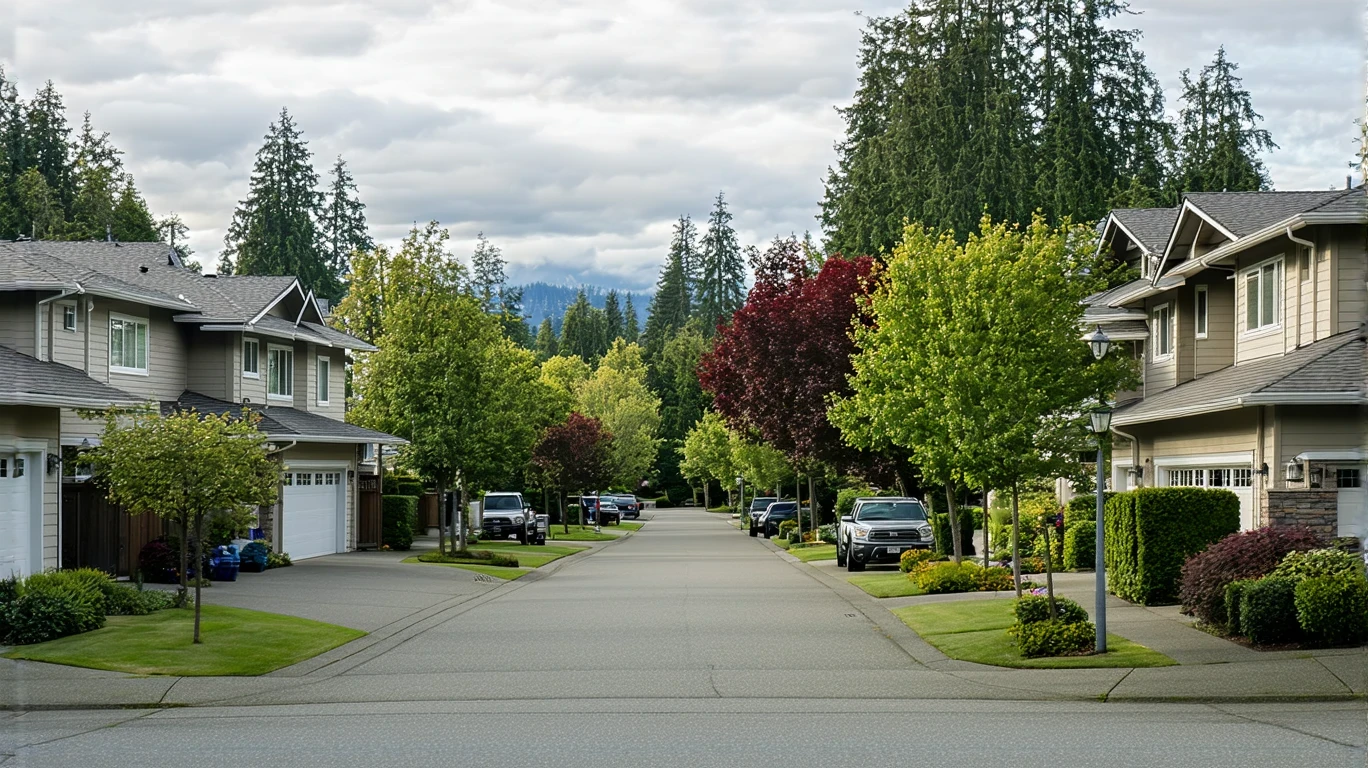
Sammamish sits in the upper tier of cost among Seattle-area suburbs. The city’s expense profile is shaped by its role as a commuter-oriented, family-focused enclave with limited commercial density and heavy reliance on personal vehicles. Unlike urban centers where transportation costs can be offset by transit access, or rural areas where housing might be cheaper, Sammamish combines high housing entry costs with structural car dependency.
The primary cost driver is housing—specifically, the price of owning a single-family home. Sammamish is predominantly a homeownership market, with rental inventory limited and often positioned as transitional rather than long-term. Beyond housing, transportation emerges as the second major pressure point, not because fuel or maintenance is unusually expensive, but because the city’s layout and commute patterns make vehicle ownership non-negotiable for most households.
Day-to-day expenses—groceries, utilities, and services—tend to track regional norms for the Seattle metro area. These costs are present but rarely the source of financial surprise. The real exposure comes from the upfront capital required to enter the housing market and the ongoing cost of maintaining one or more vehicles in a car-dependent environment.
Driver verdict: Sammamish’s cost structure is dominated by housing entry barriers and transportation dependence. Surprises come not from volatile utility bills or inflated grocery prices, but from the compounding effect of high home values and the necessity of car ownership in a low-density suburban layout.
Housing Costs (Primary Driver)
Sammamish is fundamentally a homeownership city. The housing stock is heavily weighted toward single-family homes, many built in the past few decades as the city transitioned from rural to suburban. Home values reflect the city’s desirability—strong schools, low crime, and proximity to Seattle and Bellevue—but they also create a steep entry threshold.
Renting in Sammamish is possible but uncommon. The rental market is small, often consisting of single-family homes or townhomes rather than large apartment complexes. Renters in Sammamish are typically in transition—relocating for work, waiting to buy, or testing the area before committing. The city is not structured to support long-term renting as a primary housing strategy.
For buyers, the value proposition hinges on long-term stability and access to family-oriented amenities. Ownership costs extend beyond the purchase price: property taxes in King County are meaningful, homeowners association fees are common in newer developments, and maintenance on larger homes adds recurring expense. But the trade is predictability—once you’re in, housing costs stabilize relative to the flexibility and exposure renters face in a tight market.
Conclusion: Sammamish is a buying city. Renting is a short-term option, not a cost-effective long-term strategy. The financial model here assumes homeownership, and the city’s cost structure reflects that expectation.
| Housing Type | Cost Anchor | What That Buys You |
|---|---|---|
| Single-family home (ownership) | High entry threshold | Stability, space, access to top-rated schools, low-density neighborhoods |
| Townhome or condo (ownership) | Moderate entry, HOA fees common | Lower maintenance burden, shared amenities, still car-dependent |
| Single-family rental | Limited availability, premium pricing | Flexibility, trial period, but less cost efficiency than ownership |
Utilities & Energy Risk
Utility costs in Sammamish are shaped by the Pacific Northwest climate—mild winters and warm, dry summers. Heating is necessary but not extreme; cooling is increasingly common but not as dominant as in hotter regions. Electricity is the primary utility, with natural gas used in many homes for heating and water.
The main exposure is seasonal variability rather than baseline cost. Summer months bring higher electricity usage as air conditioning becomes standard in newer homes. Winter heating is moderate, with natural gas or electric heat pumps providing warmth without the intensity seen in colder climates. Water and sewer costs are typically bundled or billed separately depending on the provider, and garbage service is standard.
Energy efficiency varies by home age. Newer construction tends to include better insulation and modern HVAC systems, reducing seasonal swings. Older homes may see more pronounced summer and winter peaks, particularly if insulation or windows haven’t been upgraded.
Risk classification: Moderate. Utilities are a recurring cost but not a major financial wildcard. Seasonal swings are predictable, and efficiency upgrades can reduce exposure for households in older homes. The bigger cost pressures lie elsewhere—housing and transportation—not in monthly utility bills.
Groceries & Daily Costs
Grocery costs in Sammamish reflect the broader Seattle metro area pricing environment. The city is served by a mix of regional chains and national retailers, with options ranging from budget-focused stores to premium organic markets. Prices are higher than national averages but consistent with what you’d expect in a high-cost West Coast metro.
For households, the impact depends on shopping habits and household size. Families with children will feel the cumulative weight of feeding multiple people at Seattle-area prices, but the pressure is steady rather than volatile. There’s no dramatic cost spike compared to nearby cities—Sammamish sits in the same pricing band as Bellevue, Redmond, and Issaquah.
Daily costs beyond groceries—coffee, dining out, personal services—are similarly aligned with regional norms. Sammamish is not a bargain market, but it’s also not an outlier within King County. The cost structure here is less about individual item prices and more about the cumulative effect of maintaining a suburban lifestyle in an expensive metro area.
Transportation Reality
Sammamish is a car-dependent city. The layout is suburban, with residential neighborhoods separated from commercial centers and employment hubs. Public transit exists but is limited; most residents rely on personal vehicles for commuting, errands, and daily life.
Commuting is a defining cost factor. Many Sammamish residents work in Seattle, Bellevue, or Redmond, and the daily drive—often on Interstate 90 or State Route 520—adds time, fuel, and vehicle wear. Traffic congestion during peak hours is common, extending commute times and increasing the cost of car dependency. For households with multiple working adults, two vehicles are often necessary, doubling the exposure to insurance, maintenance, and depreciation.
Transportation is not just a line item—it’s a structural cost that compounds over time. Fuel prices fluctuate, but the real expense is the ongoing need to own, insure, and maintain reliable vehicles in a city where alternatives are limited. This is a recurring exposure that doesn’t show up as a single monthly bill but accumulates across insurance premiums, registration fees, maintenance visits, and eventual replacement costs.
For households evaluating Sammamish, the question isn’t whether you’ll need a car—it’s how many, and how far you’ll drive them. That answer shapes a significant portion of the city’s true cost structure.
Cost Exposure Profiles
Sammamish’s cost structure creates distinct exposure profiles depending on housing status, commute length, and household composition. The city rewards homeowners with stable, predictable housing costs and punishes renters with limited options and premium pricing. It favors households with short commutes or remote work flexibility and penalizes those facing long daily drives.
Low-exposure situations: Homeowners who bought in earlier, work locally or remotely, own fuel-efficient or electric vehicles, and live in energy-efficient homes. These households benefit from Sammamish’s stability—predictable property taxes, low crime, strong schools—without bearing the full weight of entry costs or long commutes.
High-exposure situations: Renters seeking long-term housing, households with multiple long-distance commuters, families requiring two or more vehicles, and buyers entering the market at current home values. These households face compounding pressures—high rent or purchase prices, significant transportation costs, and the structural reality that Sammamish’s layout offers little flexibility to reduce car dependency.
The city’s cost structure is not evenly distributed. It concentrates financial pressure at two points: housing entry and transportation dependence. Once those hurdles are cleared, day-to-day costs are manageable. But for households still navigating those barriers, Sammamish’s expense profile can feel relentless.
Frequently Asked Questions
Is Sammamish more affordable than Bellevue or Redmond in 2026? Sammamish, Bellevue, and Redmond all sit in the expensive tier of Seattle-area suburbs, with similar housing and transportation pressures. Bellevue skews slightly higher due to urban density and commercial development, while Sammamish and Redmond are more comparable, both offering family-oriented suburban layouts with car dependency.
What does a typical cost profile look like in Sammamish? The typical cost profile is dominated by high homeownership costs and significant transportation expenses due to car dependency and commuting. Utilities and groceries are present but secondary, tracking regional norms rather than creating outsized pressure.
Do utilities cost more in Sammamish than nearby areas? Utility costs in Sammamish are consistent with the broader King County area. Seasonal variability exists—higher summer cooling and moderate winter heating—but there’s no significant premium compared to neighboring cities like Issaquah or Redmond.
What costs tend to surprise newcomers in Sammamish? Newcomers are often surprised by the compounding effect of car dependency—not just fuel, but insurance, maintenance, and the need for multiple vehicles in many households. The limited rental market and high homeownership entry costs also catch people off guard, especially those expecting more housing flexibility.
Are property taxes higher in Sammamish than in nearby cities? Property taxes in Sammamish are set by King County and local levies, so rates are comparable to other cities in the county. The total tax bill reflects home values, which tend to be high in Sammamish, but the rate structure itself is not an outlier within the region.
Is Sammamish a good value for families in 2026? Sammamish offers strong schools, low crime, and family-oriented amenities, making it a high-value environment for households that can clear the entry barriers. The value proposition depends on whether the upfront housing cost and ongoing transportation expenses align with long-term priorities like school quality and neighborhood stability.
How does commuting affect the overall cost of living in Sammamish? Commuting is a major cost driver in Sammamish due to the city’s car-dependent layout and the prevalence of long-distance commutes to Seattle, Bellevue, or Redmond. The expense isn’t just fuel—it’s the cumulative burden of vehicle ownership, insurance, and time spent in traffic, which compounds across multiple household members.
Can you live in Sammamish without owning a car? Living in Sammamish without a car is extremely difficult. Public transit is limited, and the city’s layout separates residential areas from commercial centers and employment hubs. For most households, car ownership is not optional—it’s a structural requirement of daily life.
—