
Understanding how much you’ll spend on utilities in Fontana means looking beyond a single number—it’s about recognizing which services drive your monthly exposure, how the inland climate shapes seasonal swings, and what levers you control. For most households in Fontana, utilities represent the second-largest recurring expense after housing, and the structure of those costs reflects both the region’s hot, dry summers and the way neighborhoods are built.
Understanding Utilities in Fontana
When planning a household budget in Fontana, utilities cost in Fontana typically includes electricity, water, natural gas, trash, and recycling. These aren’t optional expenses—they’re the infrastructure that keeps a home functional—but they behave differently depending on whether you’re renting an apartment, owning a single-family home, or living in a community with an HOA. Unlike rent or a mortgage, utility bills fluctuate with usage, season, and household behavior, which means they require active management rather than passive budgeting.
For new movers, one of the first surprises is often how utility billing is structured. In many Fontana apartments, water and trash are bundled into rent or billed separately by the landlord, while electricity and gas are tenant-paid and billed directly by the provider. In single-family homes, all utilities are typically the owner’s responsibility, and costs can vary significantly based on home size, insulation quality, and whether the property has energy-efficient appliances or solar panels. HOA communities sometimes bundle trash, landscaping water, or even basic cable into monthly fees, which can simplify billing but also obscure individual usage patterns.
The inland location of Fontana plays a central role in shaping utility exposure. Summer heat drives air conditioning use for extended periods, often from May through October, making electricity the dominant cost driver for most households. Winters are mild, so heating costs remain secondary, but natural gas still plays a role for homes with gas furnaces or water heaters. Water costs are sensitive to both household usage and regional drought conditions, and tiered pricing structures mean that high-use months can trigger significantly higher per-gallon rates. Trash and recycling services are generally stable and predictable, but the way they’re billed—whether standalone, bundled with water, or included in HOA fees—varies across neighborhoods.
Utilities at a Glance in Fontana
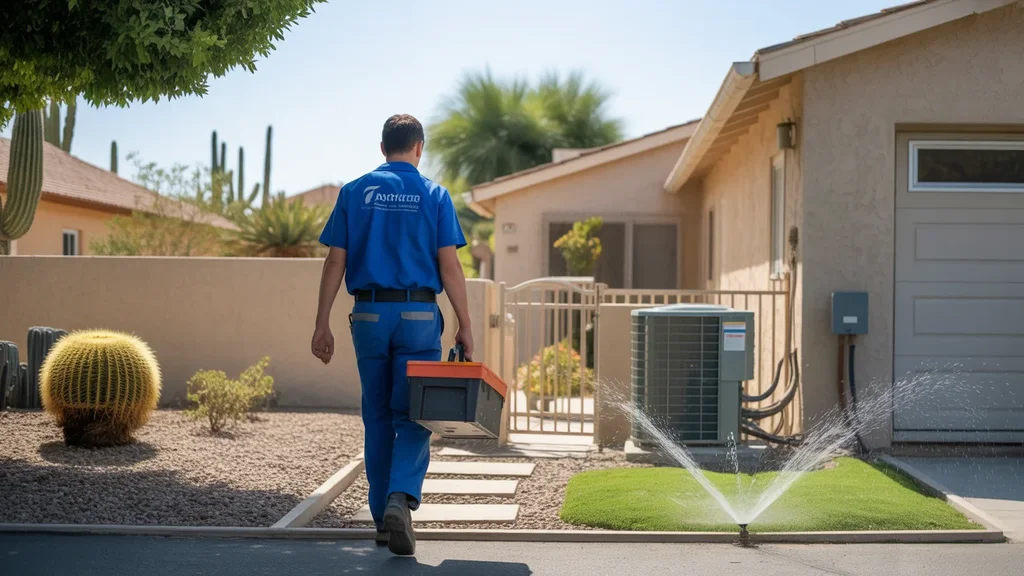
The table below shows how core utility costs typically behave for a mid-size household in a single-family home in Fontana. Where city-level prices are available in the data feed, they are shown directly. When exact figures are not provided, categories are described qualitatively to reflect how costs are structured and what drives variability.
| Utility | Cost Structure |
|---|---|
| Electricity | 34.71¢/kWh; usage-sensitive, cooling-dominant |
| Water | Tiered pricing; usage-dependent, drought-sensitive |
| Natural Gas | $23.78/MCF; winter-driven, heating and water heating |
| Trash & Recycling | Often bundled with water or HOA; stable monthly fee |
| Total | Seasonal variability driven by electricity and heating exposure |
This table reflects utility cost structure for a mid-size household in a single-family home in Fontana during 2026. Where exact figures are not provided in the IndexYard data feed, categories are described directionally to reflect how costs behave rather than a receipt-accurate total.
Electricity is billed per kilowatt-hour at 34.71¢/kWh in Fontana, and usage swings sharply with temperature. Homes with central air conditioning, poor insulation, or older HVAC systems see the highest exposure during summer months, when daily highs regularly exceed 100°F. Electricity is typically the most exposure-sensitive utility in Fontana, driven more by climate and home efficiency than by base rates.
Water costs in Fontana follow tiered pricing structures, meaning the more you use, the higher your per-unit rate climbs. Outdoor irrigation, pools, and large households push usage into higher tiers, especially during dry months. Regional drought conditions and conservation mandates can also affect rates and allowances, making water a cost category that rewards careful management.
Natural gas is priced at $23.78 per thousand cubic feet (MCF) and is used primarily for heating, water heating, and cooking. Because Fontana winters are mild, gas bills remain relatively low compared to electricity, but homes with gas furnaces or tankless water heaters still see noticeable increases during cooler months. Gas is a secondary driver, not a dominant one, in most Fontana households.
Trash and recycling services are typically billed as a flat monthly fee, either directly by the waste provider, bundled with water service, or included in HOA dues. This is one of the most predictable utility costs, with little month-to-month variation. Some neighborhoods offer optional services like green waste or bulky item pickup for an additional fee.
How Weather Impacts Utilities in Fontana
Fontana’s inland Southern California climate creates a clear seasonal pattern in utility costs, with summer heat dominating the exposure calendar. From late spring through early fall, daytime temperatures regularly climb into the 90s and low 100s, and air conditioning becomes a necessity rather than a luxury. Homes without adequate insulation, shade, or energy-efficient cooling systems can see electric bills double or triple compared to milder months. Even well-insulated homes experience noticeable increases, because the extended cooling season means AC units run for hours each day, often from May through October.
Winter in Fontana is mild by national standards, with daytime highs typically in the 60s and occasional overnight lows in the 40s. Heating costs remain modest, especially compared to regions with snow or sustained freezing temperatures. Homes with gas furnaces see a bump in natural gas usage during December, January, and February, but the increase is far less dramatic than the summer spike in electricity. Homes with electric heat pumps or baseboard heaters may see a smaller winter increase in electricity, but it rarely rivals the summer cooling load.
One regional quirk worth noting: Fontana’s dry climate means humidity is rarely a factor in cooling costs, unlike coastal or subtropical areas where dehumidification adds to the load. However, the lack of natural cooling from ocean breezes or elevation means that once the sun sets, indoor temperatures can remain elevated without active cooling. Many Fontana households experience noticeably higher electric bills during peak summer compared to spring, and the difference is driven almost entirely by air conditioning runtime. Understanding this seasonal rhythm is essential for budgeting accurately and avoiding surprise bills during the hottest months.
How to Save on Utilities in Fontana
Reducing utility costs in Fontana starts with recognizing which expenses are fixed and which respond to behavior and upgrades. Electricity offers the most opportunity for savings, because it’s both the largest cost driver and the most sensitive to household decisions. Water costs can be managed through conservation and irrigation timing, while natural gas and trash remain relatively stable. The key is to focus effort where it has the most impact: cooling efficiency, usage timing, and long-term infrastructure improvements.
Many utility providers in Southern California offer time-of-use billing programs, which charge lower rates during off-peak hours (typically late evening and overnight). Shifting high-energy activities—laundry, dishwashing, EV charging—to these windows can reduce electricity costs without changing total usage. Smart thermostats help by learning household patterns and adjusting cooling schedules automatically, reducing runtime when no one is home or during cooler overnight hours. These devices also provide usage data, which helps identify inefficiencies and track the impact of behavior changes over time.
- Enroll in time-of-use or off-peak billing programs to take advantage of lower electricity rates during evening and overnight hours.
- Install a programmable or smart thermostat to reduce cooling runtime during unoccupied hours and optimize temperature settings.
- Upgrade to energy-efficient HVAC systems if your current unit is more than 10–15 years old; newer models use significantly less electricity for the same cooling output.
- Add shade trees or awnings on south- and west-facing walls to reduce direct sun exposure and lower indoor temperatures naturally.
- Seal air leaks around windows, doors, and ducts to prevent cooled air from escaping and reduce the load on your AC system.
- Switch to drought-tolerant landscaping to reduce outdoor water usage and avoid higher-tier pricing during dry months.
- Check for local rebates on solar panels, battery storage, or energy-efficient appliances through your utility provider or state programs.
- Use ceiling fans to circulate air and reduce reliance on air conditioning, especially during shoulder seasons when temperatures are moderate.
🏆 Tip: Check if your provider in Fontana offers rebates for energy-efficient AC units or heating systems. Many Southern California utilities provide incentives for upgrading to high-efficiency models, and the savings on monthly bills can offset the upfront cost over time.
FAQs About Utility Costs in Fontana
Why are utility bills so high in Fontana during summer?
Fontana’s inland location and triple-digit summer heat drive extended air conditioning use, often from May through October. Electricity is the dominant cost driver, and homes with older HVAC systems, poor insulation, or west-facing exposure see the highest bills. Unlike coastal areas, Fontana doesn’t benefit from ocean breezes, so cooling is essential for comfort and runs for hours each day during peak heat.
Do HOAs in Fontana usually include trash or water in their fees?
Many HOA communities in Fontana bundle trash and sometimes water into monthly dues, which simplifies billing but can obscure individual usage patterns. Single-family homes outside HOAs typically pay for trash and water separately, either through direct provider billing or as part of a combined water-and-waste invoice. It’s worth checking your HOA’s fee breakdown to understand what’s included and what you’ll pay separately.
How does seasonal weather affect monthly utility bills in Fontana?
Summer heat drives the largest seasonal swing, with electricity costs often doubling or tripling compared to spring or fall due to air conditioning use. Winter heating costs are modest because Fontana’s mild climate requires less natural gas or electric heat than colder regions. The extended cooling season—often six months or more—means that summer utility exposure is the primary budgeting challenge for most households.
Does Fontana offer incentives for solar panels or energy-efficient appliances?
Yes, many utility providers in Southern California offer rebates and incentives for solar panel installation, battery storage, and energy-efficient HVAC systems or appliances. State and federal tax credits may also apply, depending on the system and installation timing. These programs are designed to reduce peak demand and encourage conservation, and they can significantly lower the upfront cost of efficiency upgrades.
Are utilities in Fontana generally cheaper or more expensive than the state average?
Fontana’s electricity rate of 34.71¢/kWh is in line with Southern California averages, which tend to be higher than the national median due to state energy policies and infrastructure costs. However, the mild winter climate reduces heating expenses compared to northern California or other states, so total annual utility costs depend heavily on cooling efficiency and household usage patterns rather than rates alone.
How Utilities Fit Into the Cost Structure in Fontana
Utilities in Fontana are best understood as a volatility factor rather than a fixed line item. Electricity dominates seasonal swings, water costs respond to usage and conservation behavior, and natural gas remains a secondary expense tied to winter heating and water heating. Trash and recycling are predictable, but the way they’re billed—bundled, separate, or included in HOA fees—varies across neighborhoods. For households planning a move or evaluating affordability, utilities represent a cost category that rewards active management and long-term investment in efficiency.
The structure of utility costs in Fontana reflects both the inland climate and the way housing is built. Single-family homes with older HVAC systems, poor insulation, or large outdoor spaces face higher exposure than newer, energy-efficient homes or apartments where some utilities are bundled into rent. Families with high cooling needs, pools, or large yards should budget for above-average electricity and water costs, while smaller households in well-insulated units may find utilities more manageable. The key is to recognize which costs are driven by structure (climate, home size, provider rates) and which respond to behavior (thermostat settings, irrigation timing, appliance efficiency).
For a fuller picture of how utilities interact with housing, transportation, and other recurring expenses, see Where Your Money Goes in Fontana, which breaks down the overall cost structure and explains how different expense categories create financial pressure. If you’re planning a household budget and want to understand how utilities fit into monthly cash flow alongside rent, groceries, and transportation, A Month of Expenses in Fontana: What It Feels Like provides a detailed walkthrough of how costs accumulate and where flexibility exists. Utilities are one piece of a larger financial puzzle, and managing them effectively means understanding both the numbers and the decisions that drive them.
How this article was built: In addition to public economic data, this article incorporates location-based experiential signals derived from anonymized geographic patterns—such as access density, walkability, and land-use mix—to reflect how day-to-day living actually feels in Fontana, CA.