
Before signing a lease or closing on a home in Lemon Grove, most newcomers focus on rent or mortgage payments—but overlook the utility setup process, deposit requirements, and whether trash service is billed separately or bundled with water. These administrative details can add unexpected upfront costs and delay move-in readiness if not addressed early.
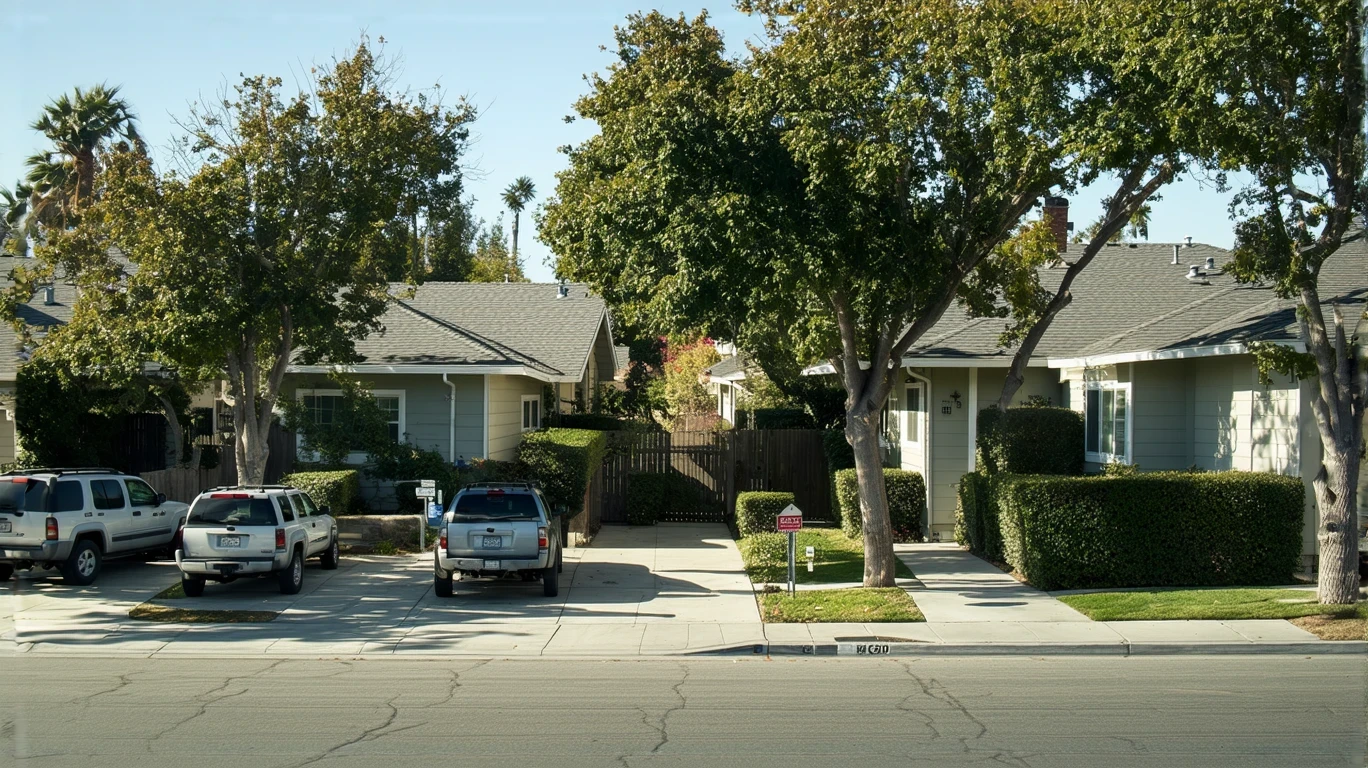
Understanding Utilities in Lemon Grove
When planning a move to Lemon Grove, understanding utilities cost in Lemon Grove is essential for building a realistic household budget. Utilities typically represent the second-largest monthly expense after housing, and in Southern California’s climate, they behave differently than in many other parts of the country. Electricity, water, natural gas, trash, and recycling each follow distinct billing structures, and knowing what drives variability helps households avoid surprises and plan for seasonal swings.
In Lemon Grove, utilities are usually billed separately for single-family homes, with each service managed by its own provider or municipal authority. Apartment renters may find that water, trash, or even gas is included in their lease, but electricity almost always remains the tenant’s responsibility. For homeowners and renters in standalone properties, where money goes each month often depends on how efficiently the home uses energy and water, not just the base rates charged by providers.
The extended cooling season in Lemon Grove means air conditioning dominates summer utility exposure, while mild winters keep heating costs relatively low. Water costs reflect regional scarcity and tiered pricing structures, and trash service varies by neighborhood and provider. Understanding these patterns allows households to anticipate which months will bring higher bills and where behavioral changes or efficiency upgrades can reduce long-term costs.
Utilities at a Glance in Lemon Grove
The table below shows how core utility costs typically behave for a mid-size household in a single-family home in Lemon Grove. Where city-level prices are available in the data feed, they are shown directly. When exact figures are not provided, categories are described qualitatively to reflect how costs are structured and what drives variability.
| Utility | Cost Structure |
|---|---|
| Electricity | 34.71¢/kWh; usage-sensitive, climate-driven |
| Water | Tiered pricing; usage-dependent, conservation-sensitive |
| Natural Gas | $23.78/MCF; winter-driven, water heating dominant |
| Trash & Recycling | Bundled with water or billed separately by municipality |
| Total | Seasonal variability driven by electricity and heating |
This table reflects utility cost structure for a mid-size household in a single-family home in Lemon Grove during 2026. Where exact figures are not provided in the IndexYard data feed, categories are described directionally to reflect how costs behave rather than a receipt-accurate total.
Electricity is billed per kilowatt-hour and represents the most exposure-sensitive utility in Lemon Grove. Summer air conditioning can push usage well above 1,000 kWh per month for larger homes, while spring and fall months may drop to half that level. The rate structure rewards off-peak usage, and time-of-use plans can reduce costs for households that shift laundry, dishwashing, and charging to evening hours.
Water costs in Lemon Grove follow tiered pricing, meaning the more you use, the higher the per-unit rate climbs. Outdoor irrigation, pool maintenance, and lawn care drive most high-tier usage, while indoor consumption remains relatively stable. Conservation-minded households can stay in lower tiers by using drought-tolerant landscaping and efficient fixtures.
Natural gas serves primarily water heating and occasional space heating during cooler months. Because Lemon Grove’s winters are mild, heating costs remain modest compared to colder climates. Homes with gas stoves or dryers will see slightly higher baseline usage year-round, but the real variability comes from how often the water heater cycles during winter mornings.
Trash and recycling services are typically billed separately by the municipality or bundled with water service, depending on the neighborhood. Fees are usually flat monthly charges rather than usage-based, though some providers offer discounts for smaller bin sizes or less frequent pickup schedules.
Electricity is typically the most exposure-sensitive utility in Lemon Grove, driven more by climate and home efficiency than by base rates.
How Weather Impacts Utilities in Lemon Grove
Lemon Grove’s Mediterranean climate brings warm, dry summers and mild, occasionally wet winters—a pattern that creates predictable but significant seasonal utility swings. Summer cooling dominates the utility calendar, with air conditioning running consistently from June through September and often into October. Many households experience noticeably higher electric bills during peak summer compared to spring, sometimes doubling or tripling usage depending on home size, insulation quality, and thermostat habits.
Winter heating needs remain modest by national standards, but morning and evening chill can still trigger gas furnaces or electric baseboards in older homes. Because nighttime temperatures occasionally dip into the 40s, households without efficient insulation may see natural gas usage tick upward in December and January, though the increase is far less dramatic than the summer electricity spike. Homes with heat pumps or modern HVAC systems often maintain stable winter costs, while older single-pane windows and poor attic insulation create more volatility.
One regional quirk worth noting: Lemon Grove’s proximity to the coast moderates extreme heat, but inland microclimates can still push daytime temperatures into the 90s during heat waves. Homes on the eastern edge of the city or in areas with less tree cover face higher cooling exposure than those in shaded, established neighborhoods. This means two households with identical floor plans and appliances can see meaningfully different summer bills based purely on location and landscaping.
How to Save on Utilities in Lemon Grove
Reducing utility costs in Lemon Grove starts with understanding which categories offer the most control. Electricity and water are the two areas where behavioral changes and efficiency upgrades deliver the clearest results, while natural gas and trash costs remain relatively fixed unless you make structural changes to your home or service plan.
For electricity, the highest-impact strategies involve cooling efficiency and time-of-use awareness. Installing a programmable or smart thermostat allows you to raise temperatures during the day when no one is home and cool the house before evening return. Sealing air leaks around windows and doors, adding attic insulation, and using ceiling fans to circulate air all reduce how hard your AC works. Many providers in Southern California offer rebates for energy-efficient air conditioning units, and some have time-of-use rate plans that reward shifting usage to off-peak hours.
Water savings come primarily from outdoor use. Replacing thirsty lawns with drought-tolerant landscaping, installing drip irrigation, and using mulch to retain soil moisture all help households stay in lower pricing tiers. Indoors, low-flow showerheads, efficient toilets, and fixing leaks quickly prevent waste. Some local water districts offer rebates for turf replacement and irrigation upgrades, making these changes more affordable upfront.
- Enroll in time-of-use billing plans to shift electricity usage to off-peak hours
- Check for solar panel incentives and net metering programs available in San Diego County
- Install a smart thermostat to automate cooling schedules and reduce peak-hour usage
- Plant shade trees on the west and south sides of your home to reduce afternoon heat gain
- Upgrade to ENERGY STAR appliances when replacing older units
- Request a home energy audit to identify insulation gaps and air leaks
- Replace turf with native, drought-tolerant plants to lower water usage and stay in lower pricing tiers
🏆 Tip: Check if your provider in Lemon Grove offers rebates for energy-efficient AC units or heating systems—many Southern California utilities provide significant incentives for upgrades that reduce peak demand.
FAQs About Utility Costs in Lemon Grove
Why are utility bills so high in Lemon Grove during summer? Summer electricity costs spike because air conditioning runs almost continuously from June through September, and Southern California’s electricity rates are among the highest in the nation. Homes with poor insulation, older AC units, or west-facing windows face the steepest increases.
Do HOAs in Lemon Grove usually include trash or water in their fees? Some HOAs bundle trash and water into monthly dues, especially in townhome or condo communities, but single-family home HOAs typically leave these utilities to individual homeowners. Always confirm what’s included before assuming coverage.
How does seasonal weather affect monthly utility bills in Lemon Grove? Summer cooling drives the largest seasonal swing, often doubling or tripling electricity usage compared to spring. Winter heating costs remain modest due to mild temperatures, but natural gas usage does increase slightly during colder months for water heating and occasional space heating.
Are trash and recycling billed separately in Lemon Grove or included with water service? It depends on your neighborhood and provider. Some areas bundle trash with water service, while others bill separately through the municipality or a private hauler. Check with your landlord or local public works department to confirm.
Does Lemon Grove offer incentives for solar panels or energy-efficient appliances? Yes—California has strong solar incentives, including net metering and federal tax credits, and many local utilities offer rebates for ENERGY STAR appliances, smart thermostats, and HVAC upgrades. Check with your electricity provider and the California Energy Commission for current programs.
How Day-to-Day Living Shapes Utility Exposure in Lemon Grove
Lemon Grove’s low-rise residential character and broadly accessible errands mean most households can handle grocery runs, pharmacy stops, and routine shopping without long drives—but the city’s mixed pedestrian infrastructure and limited transit options still make car ownership the norm for most families. This affects utility costs indirectly: because most utility-related shopping—hardware stores for weatherstripping, appliance retailers for efficient upgrades, or nurseries for drought-tolerant landscaping—requires driving, households planning efficiency improvements need to factor in both the upfront trip and the longer-term savings those changes deliver.
The city’s strong park access and integrated green space also influence how residents use their homes. Families with young children often spend more time outdoors in neighborhood parks rather than cooling large indoor spaces all day, which can moderate summer electricity usage. Conversely, homes without nearby shade or tree cover face higher cooling exposure, especially during afternoon heat. The structure of daily life—how often you’re home, how much outdoor time you get, and how walkable your immediate errands are—shapes not just transportation costs but also how intensely your home’s systems run throughout the day.
How Utilities Fit Into the Cost Structure in Lemon Grove
Utilities represent a significant and volatile piece of monthly expenses in Lemon Grove, driven primarily by electricity exposure during the extended cooling season. Unlike rent or mortgage payments, which remain fixed, utility costs fluctuate with weather, usage habits, and home efficiency, making them one of the few household expenses where behavioral changes and strategic upgrades deliver measurable, ongoing savings.
For renters, understanding which utilities are included in the lease and which are billed separately is essential for accurate budgeting. For homeowners, the combination of high electricity rates, tiered water pricing, and California’s strong incentive programs for efficiency upgrades creates both risk and opportunity—households that invest in insulation, smart thermostats, and drought-tolerant landscaping can stabilize costs and reduce long-term exposure, while those who defer maintenance or ignore seasonal patterns face steeper bills and less predictability.
Utilities don’t exist in isolation—they interact with housing quality, transportation patterns, and lifestyle choices. A home with poor insulation costs more to cool, a long commute reduces time available for off-peak electricity use, and a water-intensive yard pushes households into higher pricing tiers. Understanding these connections allows residents to make informed tradeoffs and prioritize the changes that deliver the most value for their specific situation. For a fuller picture of how utilities interact with housing, transportation, and other core expenses, explore the broader cost structure resources available through IndexYard’s Lemon Grove hub.
How this article was built: In addition to public economic data, this article incorporates location-based experiential signals derived from anonymized geographic patterns—such as access density, walkability, and land-use mix—to reflect how day-to-day living actually feels in Lemon Grove, CA.
—