
Do you really need a car to live in Carlsbad? The answer depends less on the city as a whole and more on which part of Carlsbad you’re in—and where you need to go. While rail service runs through the city and some neighborhoods offer genuine walkability, most of Carlsbad still operates on the assumption that you’ll drive. That creates a meaningful split: households near transit corridors and commercial clusters can reduce their car dependence significantly, while those in quieter residential areas typically rely on driving for nearly everything.
Understanding how people actually get around here matters because transportation isn’t just about getting from A to B—it shapes where you can live, how you structure your day, and how much flexibility you have when plans change. Carlsbad’s transportation reality rewards proximity and punishes distance, and knowing which side of that line you’re on makes a real difference.
How People Get Around Carlsbad
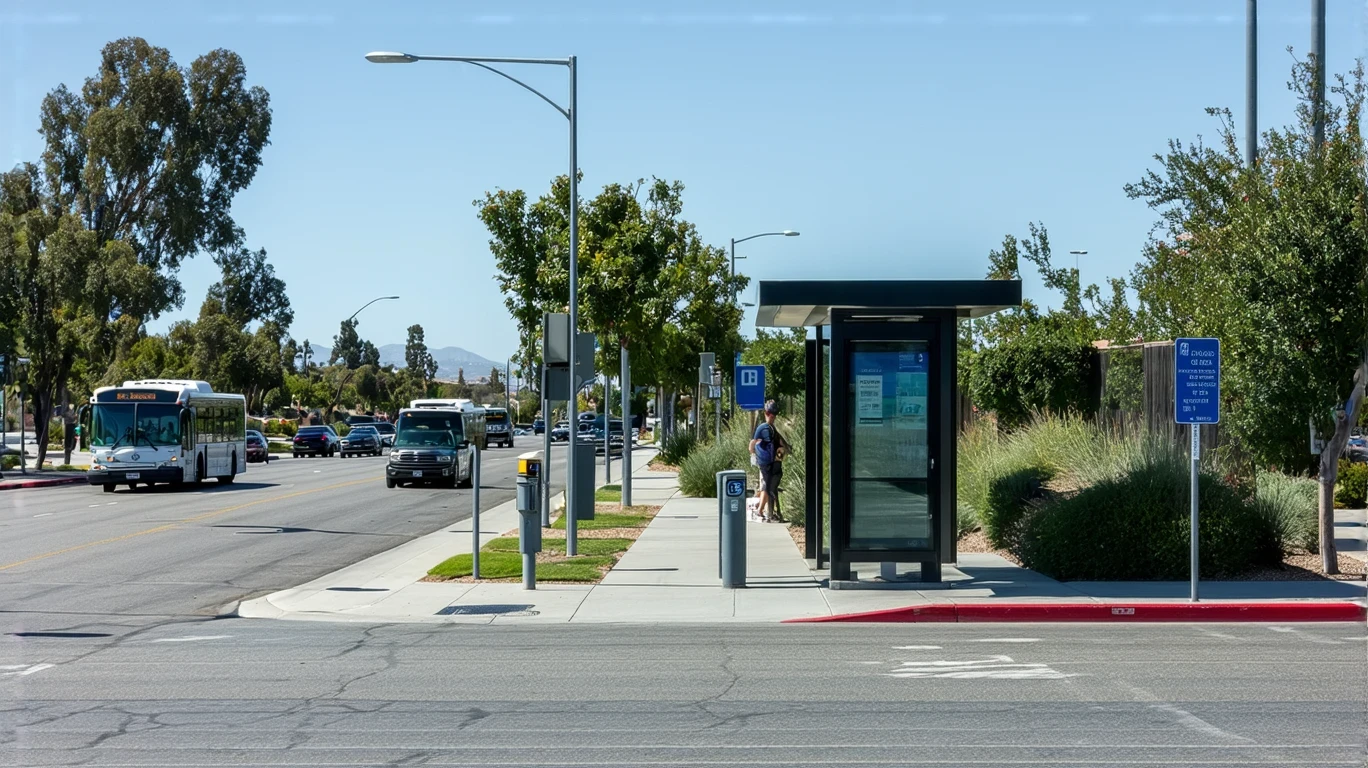
Carlsbad operates as a car-first city with pockets of exception. Most residents drive for daily errands, work commutes, and weekend plans. The city’s layout—a mix of residential neighborhoods, commercial corridors, and employment centers spread across a relatively large area—makes driving the default for most households. But rail service provides a genuine alternative for regional trips, and certain neighborhoods have enough pedestrian infrastructure and mixed-use density to support car-light living, at least for some activities.
What newcomers often misunderstand is that Carlsbad isn’t uniformly suburban. The pedestrian-to-road ratio in parts of the city exceeds what you’d find in typical sprawl, and the presence of both residential and commercial land use in the same areas creates opportunities to walk or bike for errands—if you live in the right spot. Outside those corridors, though, the infrastructure assumes you’re driving. Sidewalks may be present but disconnected, grocery stores require a car trip, and transit service thins out quickly.
The city’s bike infrastructure is also more developed than many coastal suburbs, with bike-to-road ratios that suggest intentional planning rather than afterthought lanes. That doesn’t mean cycling is practical for everyone—hills, distance, and summer heat all play a role—but it does mean that active transportation is a real option for some trips, particularly for households near commercial clusters or the rail line.
Public Transit Availability in Carlsbad
Public transit in Carlsbad often centers around systems such as the North County Transit District (NCTD), which operates both rail and bus service in the region. The presence of rail service is the most significant transit asset here—it provides a direct connection to employment centers, airports, and urban amenities up and down the coast. For households within a reasonable distance of a station, rail becomes a practical tool for commuting, travel, and reducing car dependence for longer trips.
Bus service exists but plays a more limited role. Coverage tends to follow major corridors and commercial areas, which means it works best for trips that align with those routes. For residents in walkable pockets near these corridors, bus service can supplement walking and cycling. For those in quieter residential areas farther from main roads, bus service is less useful—frequencies are lower, stops are farther apart, and trip times stretch out quickly.
Transit tends to fall short in three situations: late-night travel, multi-stop errands, and trips to destinations outside the main corridors. Carlsbad’s geography and density don’t support the kind of frequent, grid-based service that makes transit a true car replacement. Instead, transit works best as a targeted tool—reliable for specific trips, but not a universal solution.
Driving & Car Dependence Reality
For most Carlsbad households, driving isn’t optional—it’s structural. Grocery stores, schools, medical appointments, and social plans are often spread across distances that don’t work on foot or by bus. Even in neighborhoods with decent pedestrian infrastructure, a car is usually necessary for anything beyond the immediate area. The city’s layout rewards driving with relatively predictable traffic (outside peak hours), ample parking, and highway access that makes regional trips straightforward.
Car dependence here isn’t about preference—it’s about how the city is built. Residential neighborhoods and commercial areas are often separated by design, and while some mixed-use corridors exist, they’re the exception rather than the rule. That means even households trying to minimize driving will likely need a car for at least some trips each week. The question isn’t whether you’ll drive, but how often and for what.
Parking is generally abundant, which reduces one of the friction points common in denser cities. Street parking, driveways, and lot availability mean that owning a car doesn’t come with the same logistical headaches you’d face in a tightly packed urban core. But that ease comes with tradeoffs: the infrastructure that makes driving convenient also makes other modes less practical, and the distances involved mean that even short errands can add up in time and fuel.
Commuting Patterns & Daily Mobility
Commuting in Carlsbad reflects a mix of local employment, regional travel, and remote work. The average commute runs 28 minutes, which suggests that many workers either stay relatively local or use highways to reach nearby cities. About 9.4% of workers operate from home, a figure that’s modest but growing. What stands out more is that 41.3% of commuters fall into the long-commute category—a sign that a significant share of Carlsbad workers are traveling well outside the immediate area, likely to San Diego, Orange County, or other regional employment hubs.
For households with a single, predictable commute along a rail-served corridor, transit can work well. The rail line connects Carlsbad to major job centers, and for workers whose schedules align with service hours, it offers a lower-stress alternative to highway driving. But for workers with multi-stop days, irregular hours, or destinations not served by rail, driving becomes necessary. The flexibility of a car matters more when your day doesn’t follow a simple home-to-office-to-home pattern.
Daily mobility in Carlsbad also depends heavily on proximity. Households near commercial corridors can walk or bike for some errands, reducing the number of car trips even if they still drive regularly. Households farther out face a different reality: nearly every trip requires a car, and the time spent driving adds up quickly. That proximity advantage isn’t just about convenience—it’s about control over your schedule and exposure to fuel price swings.
How this article was built: In addition to public economic data, this article incorporates location-based experiential signals derived from anonymized geographic patterns—such as access density, walkability, and land-use mix—to reflect how day-to-day living actually feels in Carlsbad, CA.
Who Transit Works For — and Who It Doesn’t
Transit in Carlsbad works best for a specific set of households: those living near rail stations, working along transit-served corridors, and able to structure their days around fixed schedules. Renters in walkable neighborhoods near the rail line can often reduce car dependence significantly, especially if their work, groceries, and social life align with transit access. Retirees with flexible schedules also benefit—rail service opens up regional travel without the stress of highway driving, and the ability to time trips around service hours matters less when you’re not bound by a work schedule.
Transit doesn’t work well for families with school drop-offs, extracurricular schedules, and multi-stop errands. It also struggles for workers whose jobs require travel to multiple sites, irregular hours, or destinations outside the main corridors. Homeowners in peripheral neighborhoods face the longest gap between transit availability and daily needs—they’re far enough from rail stations and commercial corridors that even occasional transit use becomes impractical.
The split isn’t about income or preference—it’s about geography and schedule. Households that can align their location and daily patterns with transit infrastructure gain real flexibility. Those who can’t face a car-dependent reality that’s hard to escape without relocating.
Transportation Tradeoffs in Carlsbad
Choosing between transit and driving in Carlsbad isn’t a simple cost comparison—it’s a tradeoff between predictability, control, and exposure. Driving offers flexibility: you leave when you want, stop where you need to, and adjust plans on the fly. That control comes at the cost of exposure to fuel prices, maintenance, insurance, and the time spent behind the wheel. For households with long commutes or frequent regional trips, those costs add up in both money and mental load.
Transit offers predictability and lower direct costs, but it requires structure. Your schedule has to align with service hours, your destinations have to fall along transit routes, and you have to accept longer trip times for some journeys. For households that can make that alignment work, transit reduces financial exposure and eliminates the stress of traffic. For those who can’t, transit becomes a backup option rather than a primary tool.
The real tradeoff is between proximity and space. Living near rail stations and walkable corridors reduces transportation friction but often comes with higher housing costs and smaller living spaces. Living farther out offers more space and lower rents or purchase prices, but locks you into car dependence and longer travel times. There’s no universal right answer—just different sets of constraints that fit different households.
FAQs About Transportation in Carlsbad (2026)
Is public transit usable for daily commuting in Carlsbad?
Yes, but only if your commute aligns with rail service and you live near a station. Rail provides reliable regional connectivity, making it a practical option for workers traveling to San Diego or other coastal cities. Bus service exists but is less useful for daily commuting unless your route happens to match a main corridor. For most households, transit works best as a supplement to driving rather than a full replacement.
Do most people in Carlsbad rely on a car?
Yes. The city’s layout, the distances involved, and the limited reach of transit service mean that most households drive for the majority of their trips. Even residents in walkable neighborhoods typically own a car for errands, regional travel, and situations where transit doesn’t reach. The question isn’t whether you’ll drive, but how central driving is to your daily routine.
Which areas of Carlsbad are easiest to live in without a car?
Neighborhoods near rail stations and commercial corridors offer the best chance of reducing car dependence. These areas combine transit access with walkable infrastructure and mixed-use density, making it possible to handle some errands and commutes without driving. Outside these pockets, car-free living becomes significantly harder—distances grow, transit service thins out, and the infrastructure assumes you’re driving.
How does commuting in Carlsbad compare to nearby cities?
Carlsbad’s 28-minute average commute is moderate for the region, but the 41.3% long-commute share suggests that many workers are traveling well beyond the immediate area. Compared to denser cities with more transit options, Carlsbad offers less flexibility for car-free commuting. Compared to more sprawling suburbs, it offers better rail access and more walkable pockets. The city sits in the middle—better than pure sprawl, but still car-dependent for most households.
How Transportation Fits Into the Cost of Living in Carlsbad
Transportation in Carlsbad isn’t just a line item—it’s a structural factor that shapes what a budget has to handle in Carlsbad, where you can afford to live, and how much control you have over your time. Households near transit and walkable corridors face higher housing costs but lower transportation exposure. Households farther out trade lower housing costs for higher transportation needs and less flexibility. Neither option is inherently better—they’re just different sets of tradeoffs.
The key is understanding which transportation pattern fits your household’s schedule, priorities, and tolerance for variability. If your work and daily life align with rail service and walkable infrastructure, proximity becomes a powerful cost-control tool. If they don’t, driving becomes necessary, and your focus shifts to managing fuel exposure, maintenance timing, and commute predictability. Transportation in Carlsbad rewards intentional location choices—picking where you live based on how you’ll actually move through the city, not just where the rent or mortgage fits.