
Transit Coverage & Average Ride Times in Chula Vista
| Transit Type | Coverage | Average Commute |
|---|---|---|
| Rail Transit | Present (corridor-based) | 29 minutes (citywide average) |
| Bus Service | Available (route-dependent) | Varies by destination |
| Work From Home | 9.0% of workforce | — |
| Long Commutes (60+ min) | 44.4% of commuters | — |
How People Get Around Chula Vista
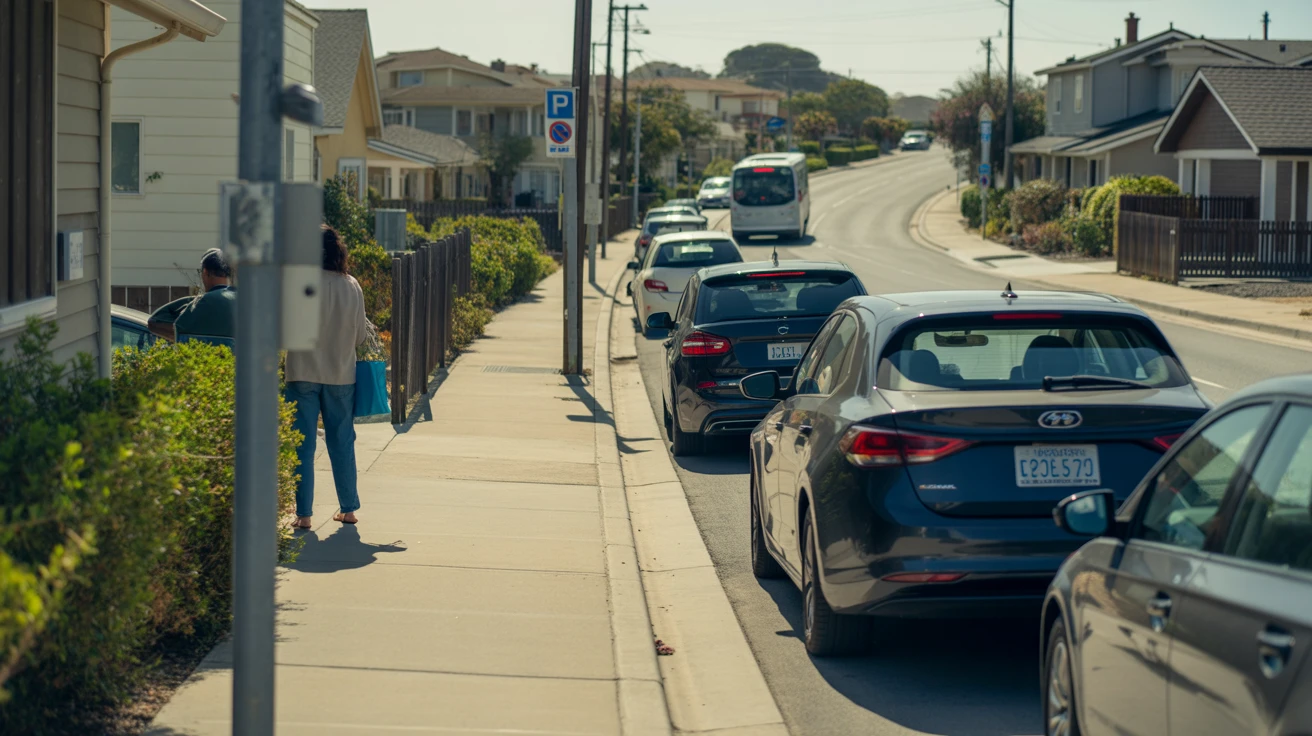
Understanding transportation options in Chula Vista starts with recognizing that this is a city shaped by two realities: rail transit connects specific corridors to the broader San Diego region, but most daily life still revolves around driving. Chula Vista sits in a sprawling suburban layout where residential neighborhoods, shopping centers, and employment hubs are spread across a wide geography. That structure determines how people move—and who benefits from transit versus who absorbs the friction of car dependence.
Newcomers often assume that because rail service exists, transit will cover most needs. In practice, rail works well for commuters traveling to downtown San Diego or other regional destinations along the line, but it doesn’t solve the last-mile problem for errands, school runs, or jobs in peripheral zones. The pedestrian-to-road ratio sits in a moderate range, meaning some neighborhoods support walking for nearby tasks, but most trips still require a vehicle. Cycling infrastructure exists in pockets, but it’s not extensive enough to serve as a primary mode for most households.
The dominant pattern is car-first mobility with transit as a supplement for specific commutes. That’s not a failure of the system—it’s a reflection of how Chula Vista is built. The city’s layout prioritizes single-family residential zones with commercial corridors rather than dense, walkable mixed-use districts. For households deciding whether they can manage without a car, the answer depends heavily on where they live and where they need to go.
Public Transit Availability in Chula Vista
Public transit in Chula Vista often centers around systems such as the San Diego Trolley, which provides rail service connecting parts of the city to the broader metro area. Rail access is a significant asset for residents near stations, particularly those commuting to downtown San Diego, the border region, or other points along the Blue Line. For those households, transit offers a predictable, cost-stable alternative to driving during peak hours.
But rail coverage is corridor-based, not citywide. If you live outside walking distance of a station and don’t have easy bus connections, the value drops sharply. Bus service exists and can fill some gaps, but routes are less frequent and more time-sensitive than rail. That makes transit a strong option for structured commutes—regular trips to the same destination at consistent times—but a weaker fit for flexible schedules, multi-stop errands, or late-night travel.
Transit works best in areas where residential density, employment centers, and station access overlap. In practice, that means certain neighborhoods near the trolley line benefit significantly, while outer residential zones remain car-dependent. The system isn’t designed to replace driving for most households; it’s designed to reduce driving for specific trip types. Understanding that distinction is critical when evaluating whether transit will actually work for your daily routine.
Driving & Car Dependence Reality
For most residents, driving isn’t optional—it’s structural. Chula Vista’s geography spreads housing, groceries, schools, and jobs across a wide area, and transit doesn’t connect all of those dots efficiently. Even in neighborhoods with decent walkability for nearby errands, longer trips—whether for work, healthcare, or shopping outside your immediate area—almost always require a car.
Parking is generally available and less constrained than in denser urban cores, which reduces one friction point of car ownership. But the tradeoff is distance: many residents face long commutes, and 44.4% of workers spend an hour or more getting to and from their jobs. That’s not just a time cost—it’s exposure to fuel price volatility, vehicle wear, and the unpredictability of traffic conditions. At $4.21 per gallon, gas prices in the region add pressure, though this article doesn’t calculate fuel budgets.
Car dependence also shapes housing decisions. Households that need two vehicles to manage work and family logistics face different constraints than those who can rely on one car supplemented by transit. Proximity to the trolley line or to major employment corridors can reduce that burden, but only if your destination aligns with where transit actually goes.
Commuting Patterns & Daily Mobility
Commuting in Chula Vista reflects the city’s role as both a residential community and a gateway to the larger San Diego metro. The average commute is 29 minutes, which sits near the regional norm, but that average masks significant variation. Residents commuting within Chula Vista or to nearby job centers may see shorter, more predictable trips. Those traveling to downtown San Diego, across the metro, or into other counties often face the long-commute reality that affects nearly half the workforce.
Rail transit serves the latter group well—if their destination is on or near the trolley line. For others, driving remains the only practical option, particularly for jobs in suburban office parks, industrial zones, or areas without transit coverage. Multi-stop commutes—dropping kids at school, running an errand, then continuing to work—further tilt the balance toward car dependence, since transit can’t accommodate that kind of flexibility.
Only 9.0% of workers in Chula Vista work from home, meaning the vast majority must solve the commute problem daily. That low remote-work share increases the importance of understanding your specific commute route before choosing where to live. Proximity to transit, highway access, and the direction of your commute all matter more here than in cities with higher work-from-home rates or denser job centers.
Who Transit Works For — and Who It Doesn’t
Transit fits best for households with structured, predictable commutes to destinations along the trolley line. If you work downtown, near a station, or in another transit-served zone, and your schedule aligns with service hours, rail can replace driving for that trip. That’s a meaningful cost and stress reduction, particularly for single commuters or couples where one person can use transit while the other keeps a car for errands.
Transit works less well for families managing multiple daily trips—school drop-offs, after-school activities, grocery runs—or for anyone whose job, childcare, or routine requires flexibility and speed. It also doesn’t serve peripheral neighborhoods effectively. If you’re renting or buying in an outer residential zone far from a station, transit won’t be a realistic daily option, even if it exists in principle.
Renters in core areas near the trolley line have the most flexibility to reduce car dependence, particularly if they work in the metro and can structure errands around walkable commercial corridors. Homeowners in single-family neighborhoods farther from transit nodes will almost certainly need at least one vehicle, and often two. The difference isn’t about preference—it’s about how the city is laid out and where your specific household’s activity centers fall within that layout.
Transportation Tradeoffs in Chula Vista
Choosing between transit and driving in Chula Vista isn’t about which is cheaper in absolute terms—it’s about predictability, control, and exposure. Transit offers stable costs and eliminates fuel price risk, but it constrains flexibility and limits where you can live or work without friction. Driving provides control and speed, but it exposes you to gas price swings, maintenance costs, and the time burden of long commutes.
For households near the trolley line with metro commutes, transit reduces one major cost pressure while preserving the option to drive when needed. For those in car-dependent zones, the tradeoff shifts: you gain housing affordability or space by living farther out, but you absorb higher transportation exposure in return. That’s not necessarily a bad deal, but it’s a deal you need to understand before signing a lease or buying a home.
The real tradeoff isn’t transit versus driving—it’s proximity versus space. Living near transit access costs more in rent or purchase price but reduces transportation friction. Living farther out lowers monthly expenses on housing but increases the time, fuel, and logistics cost of getting around. Both paths work; the question is which set of tradeoffs fits your household’s priorities and constraints.
FAQs About Transportation in Chula Vista (2026)
Is public transit usable for daily commuting in Chula Vista?
Yes, if your commute aligns with the trolley line and your destination is transit-accessible. Rail service connects Chula Vista to downtown San Diego and other regional hubs, making it a strong option for structured commutes. For jobs outside transit corridors or for households managing multiple daily stops, driving remains more practical.
Do most people in Chula Vista rely on a car?
Yes. The city’s layout and the dispersed nature of jobs, schools, and services mean that most households depend on at least one vehicle. Transit serves specific corridors well, but it doesn’t replace the need for a car for most daily routines.
Which areas of Chula Vista are easiest to live in without a car?
Neighborhoods near trolley stations with walkable access to groceries and services offer the best chance of reducing car dependence. Even in those areas, most households still benefit from having a vehicle for errands, flexibility, and trips outside the immediate zone.
How does commuting in Chula Vista compare to nearby cities?
Chula Vista’s 29-minute average commute is typical for the San Diego metro, but the high percentage of long commutes—44.4% over an hour—reflects the city’s role as a residential base for workers traveling across the region. Proximity to transit or major highways significantly affects individual commute experiences.
Can I get by with one car in Chula Vista?
It depends on your household structure and where you live. Single commuters or couples near transit with flexible schedules can often manage with one vehicle. Families with school-age children, multiple job locations, or homes in peripheral neighborhoods typically find two cars necessary for daily logistics.
How Transportation Fits Into the Cost of Living in Chula Vista
Transportation isn’t just a line item—it’s a structural factor that shapes where you can live, how much time you spend commuting, and how much control you have over daily logistics. In Chula Vista, that structure is defined by moderate transit access in specific corridors and widespread car dependence everywhere else. The city offers real transit options for households whose routines align with rail service, but it doesn’t eliminate the need for driving for most people.
The cost implications extend beyond fuel and fares. Living near transit access often means higher rent or home prices, but it can reduce transportation exposure and time costs. Living farther out lowers housing pressure but increases the burden of commuting and the need for reliable vehicles. Both paths have costs; the question is which set of costs your household can manage more easily.
For a fuller picture of how transportation fits alongside housing, utilities, and other expenses, see the Monthly Spending in Chula Vista: The Real Pressure Points article. That breakdown will help you understand how mobility decisions interact with the broader financial structure of living here. The goal isn’t to avoid costs—it’s to choose the tradeoffs that give your household the most stability and flexibility in a city where getting around requires planning, whether you’re on the trolley or behind the wheel.
How this article was built: In addition to public economic data, this article incorporates location-based experiential signals derived from anonymized geographic patterns—such as access density, walkability, and land-use mix—to reflect how day-to-day living actually feels in Chula Vista, CA.