
Budgeting Smarter in Chula Vista
Understanding the monthly budget in Chula Vista means recognizing how costs stack in a city where housing anchors everything, but transportation and daily logistics shape the rest. With a median gross rent of $2,035 per month and a median home value of $647,100, housing is the dominant fixed cost for most households. But what newcomers often underestimate is how commute patterns, errand accessibility, and the rhythm of daily life create secondary cost layers that don’t show up on a lease or mortgage statement.
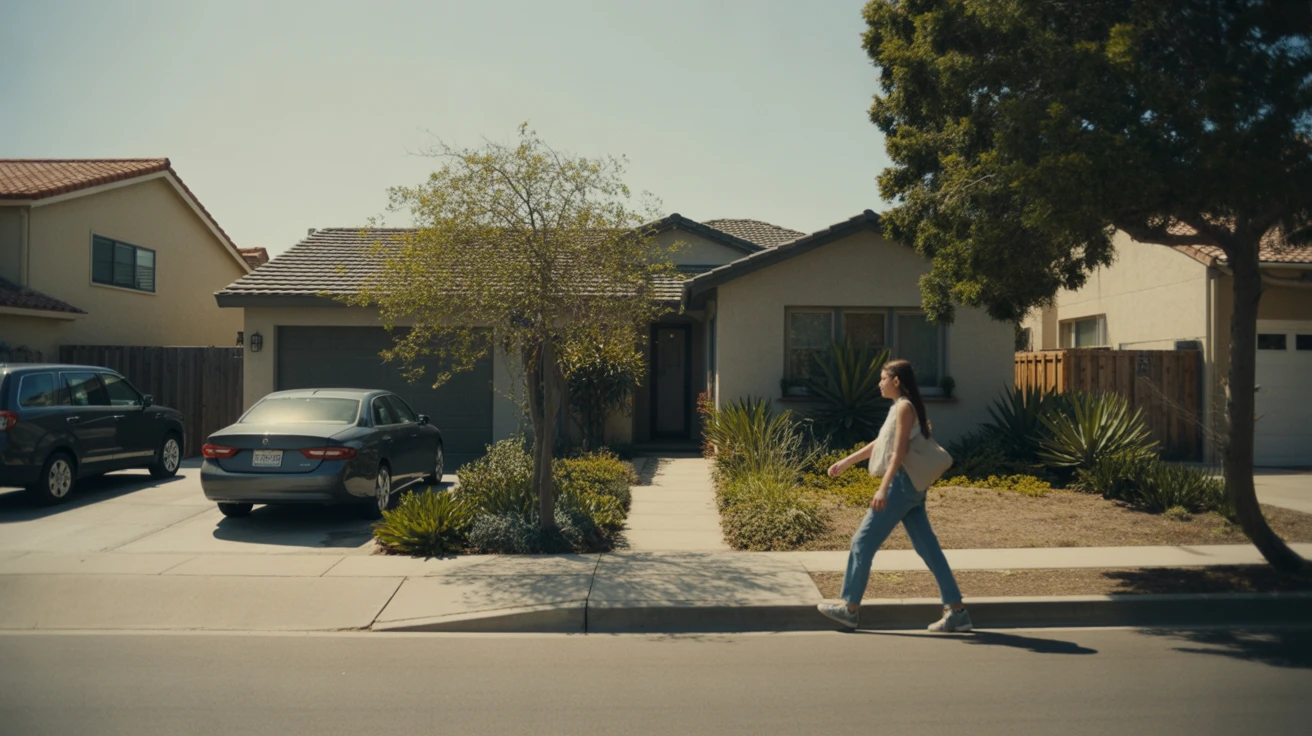
Chula Vista sits in a region where the pedestrian-to-road ratio is mixed and errands are corridor-clustered rather than spontaneously walkable. That means most households rely on cars for groceries, appointments, and errands, even though rail transit is present. For families, the city offers strong infrastructure—schools and playgrounds meet density thresholds—but routine healthcare requires local clinics, and hospital services mean travel. The result is a budget structure where transportation isn’t just commute fuel; it’s the cost of coordinating a household across a car-dependent landscape.
The median household income in Chula Vista is $101,984 per year (roughly $8,499 gross monthly), which provides meaningful capacity—but only if you understand where the budget pressure actually lives. It’s rarely one catastrophic bill. It’s the stack of friction costs that arrive after move-in: HOA dues, trash and water billed separately, parking permits in some complexes, and the fuel budget that scales with your commute footprint and weekend errands.
A Simple Budget Map: How Costs Behave by Household Type
This table illustrates how cost behavior and exposure differ by household type in Chula Vista. Cells describe cost stability, volatility, and control rather than exact spending totals. Where feed data provides specific figures, they appear; otherwise, the table explains the mechanism driving that category.
| Category | Jasmine (single renter) | Sam & Elena (couple) | Ortiz family (2 kids, owners) |
|---|---|---|---|
| Housing (Rent or Mortgage) | $2,035/month median rent; stable if lease-locked | Shared rent or mortgage; fixed monthly, lower per-person exposure | Mortgage on $647,100 median home; fixed payment plus property tax and insurance |
| Utilities | Electricity at 33.60¢/kWh; mild climate keeps seasonal swings modest; solo usage | Shared electricity and gas; efficiency-sensitive but predictable in mild weather | Size-sensitive; larger home increases baseline load; natural gas at $21.94/MCF for heating |
| Food (Groceries + Eating Out) | Flexible; corridor-clustered grocery access requires planning | Shared grocery runs; meal planning reduces per-person cost | Volume-driven; family-size purchases; grocery access requires intentional trips |
| Transportation | Commute-dependent; 29-minute average, 44.4% face long commutes; gas at $4.21/gal | Dual-commute or single-car coordination; rail present but car-dependent texture dominates | Commute plus school/activity logistics; exposure scales with household coordination needs |
| Fees / Friction Costs | Trash, water, parking if applicable; admin-light but non-negotiable | HOA or association dues if applicable; shared admin burden | HOA, maintenance reserves, trash, water/sewer; admin-heavy and episodic (HVAC, landscaping) |
| Discretionary (life + surprises) | Flexible; integrated green space offers low-cost outdoor options | Shared discretionary budget; more capacity for dining, entertainment | Compressed by fixed costs and family activity expenses; parks and outdoor access help |
| What Changes This Most | Commute distance and frequency | Whether both partners commute and housing tenure | Maintenance cycles, school/activity logistics, and transportation coordination |
Methodology: This guide uses only city-level figures provided in the IndexYard data feed for 2026. Where exact category totals aren’t provided, categories are described directionally to show budget behavior rather than a receipt-accurate total.
The Real Cost Drivers in Chula Vista
In Chula Vista, the budget stress point is rarely one big bill—it’s the stack of small “friction” costs that show up after move-in. Housing sets the floor: whether you’re paying the median rent of $2,035 or carrying a mortgage on a home valued near $647,100, that’s your largest fixed monthly obligation. But the next layer—utilities, transportation, and administrative fees—is where households gain or lose control.
Electricity in Chula Vista runs 33.60¢ per kWh, which is above the national average but not extreme. For illustrative context, a household using 1,000 kWh per month would see an electricity bill around $336 before fees and taxes. The mild climate keeps seasonal swings modest compared to regions with harsh winters or brutal summers, so utility volatility is lower than in many other California metros. Natural gas, priced at $21.94 per MCF, covers heating in cooler months, but again, the temperate weather reduces exposure. The real utility lesson here is predictability: bills are stable, but efficiency still matters because the rate is elevated.
Transportation is the second major driver, and it’s more complex than just commute fuel. The average commute in Chula Vista is 29 minutes, and 44.4% of workers face long commutes, meaning many residents are traveling well beyond the city limits for work. With gas priced at $4.21 per gallon, a typical commuter driving 25 miles round trip in a vehicle averaging 25 MPG would burn about one gallon per day, or roughly $84 per month for a standard work schedule (illustrative, assuming 20 workdays). But that’s just the commute. Because errands in Chula Vista are corridor-clustered—grocery stores, clinics, and services are concentrated along main routes rather than walkable from every neighborhood—most households add weekend and errand mileage on top of the work commute. Rail transit is present, but the mixed pedestrian-to-road ratio and car-dependent texture mean most people still rely on personal vehicles for day-to-day logistics.
Then come the friction costs, the line items that don’t fit neatly into “housing” or “utilities” but add up quickly:
- HOA or association dues: Common in many Chula Vista neighborhoods, these cover landscaping, common area maintenance, and sometimes trash or water. Fees vary widely depending on the community.
- Trash and recycling: Often billed separately from rent or mortgage, either directly by the city or through the property management company.
- Water and sewer: Typically metered and billed separately; usage-sensitive but less volatile than electricity.
- Parking permits: Required in some apartment complexes or neighborhoods, especially near transit corridors.
- Seasonal upkeep: HVAC servicing, landscaping, and minor repairs are episodic but necessary, especially for homeowners. The mild climate reduces emergency heating or cooling failures, but routine maintenance still applies.
For families, the strong infrastructure—schools and playgrounds meet density thresholds across the city—reduces some logistical friction, but healthcare access is more limited. Clinics are present locally, but hospital services require travel, which adds time and transportation costs when urgent or specialized care is needed. The integrated green space access (parks exceed high density thresholds) offers a meaningful budget relief valve: outdoor recreation is abundant and low-cost, which helps families manage discretionary spending without sacrificing quality of life.
How Households Keep the Budget Under Control (Without Living Like a Monk)
Budgeting in Chula Vista isn’t about cutting everything to the bone; it’s about understanding which costs you can control and which ones you can only plan around. Housing and transportation are the two largest categories, and while you can’t change the rent or mortgage once you’ve signed, you can shape your exposure to transportation costs through commute timing, carpooling, and errand batching. Because errands are corridor-clustered rather than walkable, households that consolidate trips—grocery shopping, pharmacy runs, and appointments on the same outing—reduce fuel consumption and time spent driving.
Utilities in Chula Vista are predictable, which makes them easier to manage. The mild climate means you’re not fighting extreme heat or cold, so small efficiency moves—LED bulbs, programmable thermostats, sealing gaps around doors and windows—have a noticeable impact without requiring major investment. The electricity rate of 33.60¢/kWh rewards efficiency more than in cheaper-rate markets, so reducing baseline usage (phantom loads, always-on devices) lowers monthly exposure meaningfully.
For families, the strong school and playground infrastructure reduces the need for expensive private enrichment or long drives to safe outdoor spaces. Parks are integrated throughout the city, and water features are present, which means weekend recreation doesn’t require paid admission or long trips. That’s a real budget advantage: discretionary spending can focus on experiences rather than access.
Here are the most effective behavioral levers households use to stay in control:
- Batch errands along corridors: Consolidate grocery, pharmacy, and service trips to reduce fuel and time costs.
- Leverage rail transit for work commutes: If your job is accessible via the rail line, switching from daily driving to transit reduces fuel, parking, and vehicle wear.
- Time discretionary driving: Avoid peak traffic for non-work trips; fuel efficiency drops in stop-and-go conditions.
- Use programmable thermostats: Mild weather means you can set wider comfort ranges without discomfort, reducing HVAC runtime.
- Audit subscription and auto-renew services: Friction costs like streaming, app subscriptions, and memberships add up invisibly; quarterly reviews catch waste.
- Plan grocery shopping around sales cycles: Corridor-clustered access means intentional trips; planning around weekly deals maximizes value per trip.
- Use public parks and green spaces: Integrated park access means free, high-quality outdoor time for families and individuals.
- Coordinate household logistics: For families, aligning school drop-offs, errands, and activities reduces duplicate trips and fuel waste.
FAQs About Monthly Budgets in Chula Vista (2026)
What’s the biggest monthly cost in Chula Vista?
Housing dominates, whether you’re renting at the $2,035 median or carrying a mortgage on a home valued near $647,100. Transportation is the second major driver, especially for households with long commutes or multiple vehicles.
How much should I budget for utilities in Chula Vista?
Electricity runs 33.60¢/kWh, and natural gas is $21.94/MCF. For illustrative context, a household using 1,000 kWh per month might see an electricity bill around $336 before fees. The mild climate keeps seasonal swings modest, so utility costs are more predictable than in extreme-weather regions.
Is Chula Vista affordable for a single renter?
It depends on your income and commute footprint. The median rent of $2,035 is material, and if you’re commuting long distances at $4.21/gal for gas, transportation adds noticeable monthly pressure. Single renters with shorter commutes or access to rail transit have more budget flexibility.
How does Chula Vista compare for families managing a monthly budget?
Families benefit from strong infrastructure—schools and playgrounds are well-distributed, and parks are integrated throughout the city. But housing pressure is real (median home value $647,100), and transportation scales with household logistics (school runs, activities, errands). Healthcare requires travel for hospital services, which adds time and cost.
What hidden costs should I expect in Chula Vista?
Friction costs are the surprise: HOA dues, separately billed trash and water, parking permits in some complexes, and episodic maintenance (HVAC servicing, landscaping). These don’t show up in rent or mortgage quotes but add up quickly after move-in.
Planning Your Next Step
The monthly budget reality in Chula Vista comes down to three forces: housing sets the floor, transportation scales with your commute and household logistics, and friction costs—HOA, utilities billed separately, parking, maintenance—add layers that require planning rather than guessing. The city’s corridor-clustered errands and car-dependent texture mean most households rely on vehicles for daily life, even with rail transit present. Families benefit from strong school and park infrastructure, but healthcare access requires travel for hospital services.
If you want to understand how housing costs break down and what drives rent versus ownership tradeoffs, see What Drives Housing Costs in Chula Vista. For a detailed look at how getting around the city affects your time and budget, explore Chula Vista Commute Reality: Driving, Transit, and Tradeoffs. And if you’re trying to map food expenses and grocery planning, Food Costs in Chula Vista: What Drives the Total explains how corridor-clustered access and regional pricing shape that category.
The households that budget successfully in Chula Vista aren’t the ones who spend the least—they’re the ones who understand which costs are fixed, which are controllable, and which require coordination rather than cutting. You don’t need to live like a monk. You need to know where the budget pressure actually lives, and plan accordingly.
How this article was built: In addition to public economic data, this article incorporates location-based experiential signals derived from anonymized geographic patterns—such as access density, walkability, and land-use mix—to reflect how day-to-day living actually feels in Chula Vista, CA.