
Many newcomers to Enterprise assume utility bills follow a predictable pattern year-round—but in reality, the desert climate and household structure create sharp seasonal swings that can catch budgets off guard.
Understanding Utilities in Enterprise
When planning a move to Enterprise or evaluating your household budget, understanding how utilities cost in Enterprise behave throughout the year is essential. Utilities typically represent the second-largest monthly expense after housing, and in a desert climate like Enterprise’s, that cost structure shifts dramatically between seasons. Unlike fixed expenses such as rent or car payments, utility bills respond directly to weather, household size, and daily habits—making them one of the most controllable yet volatile parts of your budget.
Core utilities in Enterprise generally include electricity, water, natural gas, trash collection, and recycling. For renters in apartments or condos, some of these may be bundled into monthly fees or covered by the landlord, while single-family homeowners typically manage each service independently. The distinction matters: bundled utilities offer predictability but less control, while separate billing gives you direct visibility into usage patterns and the ability to reduce costs through behavior changes or efficiency upgrades.
For those moving from cooler or more humid climates, the intensity of summer cooling costs in Enterprise can be surprising. Air conditioning isn’t optional here—it’s a necessity that dominates household energy use from late spring through early fall. Winter heating, by contrast, is far less demanding due to mild temperatures and abundant sunshine. This seasonal imbalance means that understanding your exposure to cooling costs is the most important step in planning a realistic utility budget for life in Enterprise.
Utilities at a Glance in Enterprise
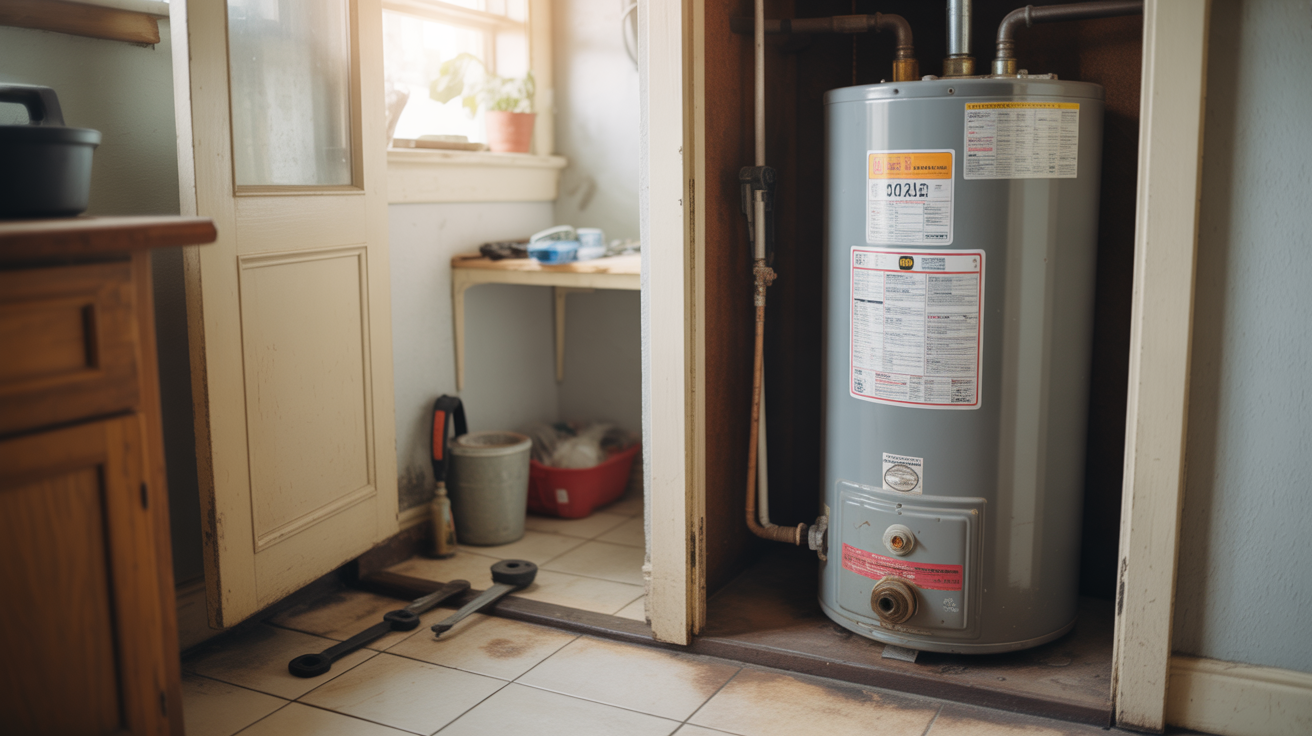
The table below shows how core utility costs typically behave for a mid-size household in a single-family home in Enterprise. Where city-level prices are available in the data feed, they are shown directly. When exact figures are not provided, categories are described qualitatively to reflect how costs are structured and what drives variability.
| Utility | Cost Structure |
|---|---|
| Electricity | 14.20¢/kWh; usage-sensitive and climate-driven |
| Water | Tiered pricing; usage-dependent |
| Natural Gas | $14.46/MCF; winter-focused, heating-dependent |
| Trash & Recycling | Typically bundled with water or HOA fees |
| Total | Seasonal variability driven by electricity and heating |
This table reflects utility cost structure for a mid-size household in a single-family home in Enterprise during 2026. Where exact figures are not provided in the IndexYard data feed, categories are described directionally to reflect how costs behave rather than a receipt-accurate total.
Electricity is the dominant utility expense in Enterprise, driven primarily by cooling demands during the extended summer season. With rates at 14.20¢ per kilowatt-hour, your monthly bill depends heavily on home size, insulation quality, thermostat settings, and the efficiency of your HVAC system. Households in older homes or those with west-facing windows often see the highest exposure, while newer construction with energy-efficient windows and programmable thermostats can reduce usage significantly.
Water costs in Enterprise are structured around tiered pricing, meaning the more you use, the higher your per-unit rate climbs. Desert landscaping and water-conscious habits can keep bills in the lower tiers, while traditional lawns, pools, or large families push usage into higher-cost brackets. Many neighborhoods also include water fees as part of homeowner association dues, so it’s important to clarify billing responsibility before signing a lease or purchase agreement.
Natural gas is primarily a winter utility in Enterprise, used for heating, water heaters, and sometimes cooking. At $14.46 per thousand cubic feet, costs remain relatively modest due to the region’s mild winters and limited heating season. Homes with electric water heaters or all-electric HVAC systems may not use natural gas at all, which simplifies billing but shifts more exposure to the electric meter.
Trash and recycling services are often bundled with water bills or included in HOA fees, particularly in planned communities and apartment complexes. Standalone single-family homes outside HOA boundaries may contract directly with waste haulers, with costs varying by provider and service frequency. Recycling is widely available but not always automatic—some providers require opt-in or separate bins.
Electricity is typically the most exposure-sensitive utility in Enterprise, driven more by climate and home efficiency than by base rates.
How Weather Impacts Utilities in Enterprise
Enterprise sits in the Mojave Desert, where summer temperatures regularly climb into triple digits and cooling systems run nearly continuously from June through September. This extended cooling season creates the year’s highest utility exposure, with electric bills often doubling or tripling compared to spring or fall months. Air conditioning isn’t just a comfort feature—it’s a health and safety necessity, which means reducing usage below a certain threshold isn’t realistic for most households.
Winter in Enterprise, by contrast, is mild and brief. Daytime highs often remain comfortable, and heating demands are limited to early mornings and evenings. Natural gas usage peaks during December and January but remains far below the intensity of summer electricity consumption. Homes with efficient furnaces or heat pumps can keep winter heating costs low, and many residents find that their total utility spending drops significantly once the cooling season ends.
One regional quirk worth noting: desert nights cool down quickly, even in summer. Households that open windows and use fans during evening hours can reduce overnight air conditioning costs, though this strategy works best in neighborhoods with low traffic noise and good air quality. Additionally, Enterprise’s low humidity means evaporative coolers (swamp coolers) remain a viable and cost-effective alternative to traditional AC in some older homes, though they’re less common in newer construction.
How to Save on Utilities in Enterprise
Reducing utility costs in Enterprise starts with understanding where your household has the most exposure. For most residents, that means focusing on electricity during the cooling season. Upgrading to a programmable or smart thermostat allows you to raise temperatures when no one is home and pre-cool before peak afternoon heat, reducing runtime without sacrificing comfort. Sealing air leaks around windows and doors, adding insulation to attics, and installing reflective window film can all lower the workload on your HVAC system.
Water conservation strategies also pay off in Enterprise, particularly for homeowners with landscaping. Replacing turf with desert-adapted plants, installing drip irrigation, and watering during early morning hours all help keep usage in lower pricing tiers. Many local water providers offer rebates for water-efficient appliances and irrigation upgrades, making these improvements more affordable upfront.
Here are additional strategies to consider:
- Enroll in time-of-use or off-peak billing programs if your provider offers them—shifting heavy appliance use to evenings can lower per-kilowatt-hour costs.
- Check for solar panel incentives at the state and federal level; Enterprise’s abundant sunshine makes solar a strong long-term investment for homeowners.
- Replace incandescent bulbs with LEDs throughout your home to reduce both electricity use and heat output.
- Plant shade trees on the west and south sides of your property to block afternoon sun and reduce cooling loads.
- Request a home energy audit from your utility provider—many offer free or low-cost assessments that identify specific efficiency upgrades.
- Consider upgrading to ENERGY STAR-rated appliances when replacements are needed, particularly for refrigerators, dishwashers, and water heaters.
🏆 Tip: Check if your provider in Enterprise offers rebates for energy-efficient AC units or heating systems—upgrading older equipment can reduce cooling costs significantly while improving comfort.
FAQs About Utility Costs in Enterprise
Why are utility bills so high in Enterprise during summer?
Summer utility bills in Enterprise are driven almost entirely by air conditioning, which runs continuously during triple-digit heat. Homes with older HVAC systems, poor insulation, or west-facing exposure see the highest costs, while energy-efficient upgrades and smart thermostat use can reduce bills substantially.
What is the average monthly electric bill for an apartment in Enterprise compared to a single-family home?
Apartments in Enterprise typically have lower electric bills than single-family homes due to smaller square footage, shared walls that reduce heat gain, and sometimes central or landlord-managed cooling systems. Single-family homes carry higher exposure because of larger footprints, more windows, and individual HVAC responsibility.
Do HOAs in Enterprise usually include trash or water in their fees?
Many planned communities and condo associations in Enterprise bundle trash, water, and sometimes sewer into monthly HOA fees, which simplifies billing but reduces direct control over usage. Standalone single-family homes outside HOA boundaries typically contract these services separately, with costs varying by provider and service level.
How does seasonal weather affect monthly utility bills in Enterprise?
Seasonal weather creates sharp swings in utility costs in Enterprise. Summer cooling dominates annual spending, with electric bills peaking from June through September. Winter heating is far less expensive due to mild temperatures, and spring and fall offer the lowest overall utility costs as both heating and cooling demands drop.
Does Enterprise offer incentives for solar panels or energy-efficient appliances?
Nevada offers state-level solar incentives, and federal tax credits remain available for solar panel installations in Enterprise. Many local utility providers also offer rebates for energy-efficient appliances, HVAC upgrades, and water-saving devices, making these improvements more affordable for homeowners and reducing long-term utility exposure.
How Utilities Fit Into the Cost Structure in Enterprise
Utilities in Enterprise represent a significant and variable piece of household spending, but they don’t exist in isolation. What Costs People Most in Enterprise (and Why) explains how utility volatility interacts with housing, transportation, and other fixed expenses to shape overall financial pressure. Understanding where utilities rank in your personal cost structure helps you prioritize efficiency upgrades and seasonal planning.
For households building a complete financial picture, utilities are best understood as part of a broader monthly framework. What a Budget Has to Handle in Enterprise provides context on how utility costs fit alongside rent, groceries, transportation, and discretionary spending, helping you allocate resources realistically across all categories. Because utility bills respond directly to behavior and weather, they offer more control than fixed costs—but only if you understand what drives them and where your household has the most exposure.
The key takeaway: utilities in Enterprise are climate-driven, seasonal, and manageable. Cooling costs dominate summer spending, but efficiency upgrades, smart usage habits, and strategic planning can reduce exposure significantly. Whether you’re moving to Enterprise or looking to lower your current bills, focusing on electricity during the cooling season delivers the biggest impact. Explore IndexYard’s full suite of cost-of-living resources to build a complete, realistic budget for life in Enterprise.
How this article was built: In addition to public economic data, this article incorporates location-based experiential signals derived from anonymized geographic patterns—such as access density, walkability, and land-use mix—to reflect how day-to-day living actually feels in Enterprise, NV.