
Before signing a lease or closing on a home in Garden Grove, most newcomers focus on rent or mortgage payments—but overlook three critical utility realities: whether trash is billed separately or bundled, how tiered water pricing works in California, and whether the home has central air (because you’ll use it). These details shape your monthly outflow more than you’d expect.
Understanding Utilities in Garden Grove
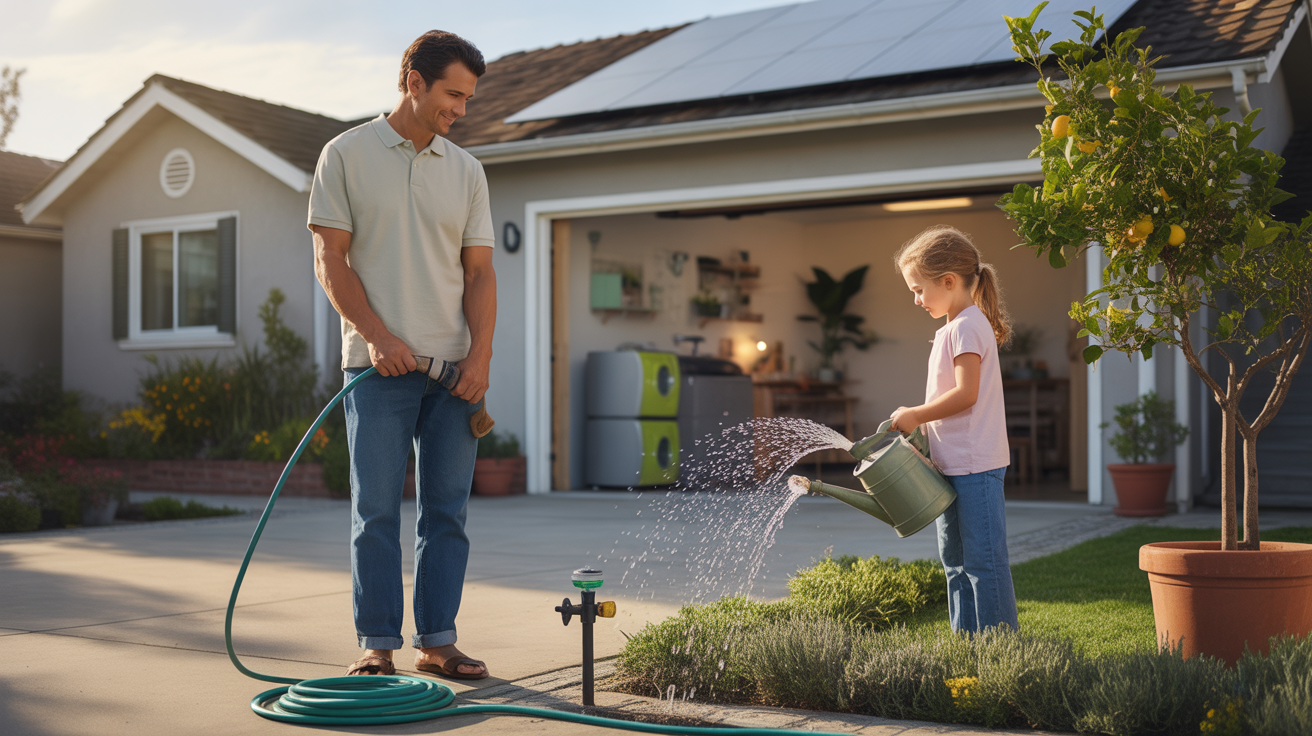
When planning a move to Garden Grove, understanding the structure and behavior of utility costs helps you budget accurately and avoid surprises when the first bills arrive. Utilities typically represent the second-largest recurring household expense after housing, and in Southern California, the composition of that expense skews heavily toward electricity due to the region’s extended cooling season and year-round mild temperatures.
For most Garden Grove households, utility costs include electricity, water, natural gas, and trash/recycling services. Electricity powers lighting, appliances, and—most significantly—air conditioning during the long, warm months. Water bills in California follow tiered pricing structures that penalize higher usage, making conservation both environmentally and financially prudent. Natural gas serves heating and cooking needs, though heating demand remains modest compared to colder climates. Trash and recycling services are sometimes billed separately, sometimes bundled with water, and occasionally included in HOA fees for planned communities.
Apartment renters often find that water, trash, and sometimes gas are included in rent or covered by a flat monthly utility fee, which simplifies budgeting but removes direct control over usage-based savings. Single-family homeowners, by contrast, receive separate bills for each utility and bear full responsibility for seasonal swings and efficiency investments. Understanding these structural differences before you move helps you evaluate total monthly obligations more clearly and plan for the variability that comes with Southern California’s climate-driven utility exposure.
Utilities at a Glance in Garden Grove
The table below shows how core utility costs typically behave for a mid-size household in a single-family home in Garden Grove. Where city-level prices are available in the data feed, they are shown directly. When exact figures are not provided, categories are described qualitatively to reflect how costs are structured and what drives variability.
| Utility | Cost Structure in Garden Grove |
|---|---|
| Electricity | 34.71¢/kWh; usage-sensitive, cooling-driven |
| Water | Tiered pricing; usage-dependent, conservation-sensitive |
| Natural Gas | $23.78/MCF; heating and cooking, minimal winter exposure |
| Trash & Recycling | Often bundled with water or HOA; stable monthly fee |
| Total | Seasonal variability driven by electricity; gas and water stable |
This table reflects utility cost structure for a mid-size household in a single-family home in Garden Grove during 2026. Where exact figures are not provided in the IndexYard data feed, categories are described directionally to reflect how costs behave rather than a receipt-accurate total.
Electricity dominates household utility exposure in Garden Grove, driven by air conditioning use during the extended warm season rather than by the base rate itself. At 34.71¢ per kilowatt-hour, the rate reflects California’s higher energy costs, but the real variability comes from how much you cool your home and how efficiently your HVAC system operates. Homes with older AC units, poor insulation, or west-facing windows see significantly higher summer bills than comparable homes with newer equipment and shade trees.
Water in Garden Grove follows California’s tiered pricing model, meaning your cost per unit rises as your monthly usage increases. This structure rewards conservation and penalizes waste, making it essential to address leaks, install low-flow fixtures, and manage outdoor irrigation carefully. Households with lawns or gardens face higher bills during dry months, while apartment dwellers typically see lower and more stable water costs.
Natural gas serves heating, water heating, and cooking needs, but Garden Grove’s mild winters keep heating demand—and therefore gas bills—modest compared to colder regions. At $23.78 per thousand cubic feet (MCF), gas remains a secondary cost driver for most households. Homes with gas water heaters or ranges see year-round usage, but the seasonal swing is far less pronounced than electricity’s summer peak.
Trash and recycling services in Garden Grove are often bundled with water bills or included in HOA fees, resulting in a stable, predictable monthly charge. For households receiving separate trash billing, costs typically remain fixed regardless of season or usage, making this the least volatile component of the utility budget.
Electricity is typically the most exposure-sensitive utility in Garden Grove, driven more by climate and home efficiency than by base rates.
How Weather Impacts Utilities in Garden Grove
Garden Grove’s Southern California coastal climate creates a utility cost profile dominated by cooling rather than heating. The extended warm season—stretching from late spring through early fall—means air conditioning runs frequently, and many households experience noticeably higher electric bills during peak summer compared to spring or winter. Unlike regions with sharp seasonal swings in both directions, Garden Grove households face sustained, one-directional exposure: keeping indoor temperatures comfortable when outdoor temperatures hover in the upper 70s to low 90s for months at a time.
Winter in Garden Grove brings mild temperatures and minimal heating demand. While natural gas usage ticks up slightly for space heating and water heating, the increase is modest compared to the summer electricity surge. Rare cold snaps may prompt a few days of furnace use, but the overall heating season remains short and low-intensity. This asymmetry—high summer cooling costs, low winter heating costs—shapes how households budget and where efficiency investments deliver the greatest return.
Coastal proximity moderates the most extreme heat, but inland-facing neighborhoods and homes without mature shade trees still experience significant solar gain and longer AC runtime. Humidity remains low, which helps evaporative cooling strategies work effectively, but also means that poorly insulated homes lose conditioned air quickly. Understanding these climate-driven cost patterns allows you to anticipate seasonal bill fluctuations and prioritize efficiency measures—like attic insulation, reflective roofing, or programmable thermostats—that directly address Garden Grove’s dominant utility exposure.
How to Save on Utilities in Garden Grove
Reducing utility costs in Garden Grove starts with recognizing that electricity—specifically air conditioning—drives the largest share of seasonal variability. Efficiency improvements that lower cooling demand deliver the most immediate and sustained savings. Programmable or smart thermostats allow you to raise temperatures when no one is home and precool during off-peak hours if your provider offers time-of-use rates. Sealing air leaks around windows, doors, and ductwork prevents conditioned air from escaping, reducing runtime and lowering bills without sacrificing comfort.
California’s tiered water pricing structure rewards conservation directly: the less you use, the lower your per-unit cost. Installing low-flow showerheads, fixing leaks promptly, and replacing older toilets with high-efficiency models all reduce both water and sewer charges. Outdoor irrigation represents a major discretionary cost; shifting to drought-tolerant landscaping or drip irrigation systems cuts water use significantly while maintaining curb appeal. Many Garden Grove households also benefit from adjusting irrigation schedules seasonally and watering during early morning hours to minimize evaporation.
For those considering larger investments, solar panel installations in Southern California benefit from abundant sunshine and state-level incentives that improve payback timelines. While upfront costs remain substantial, solar directly offsets the utility category with the highest exposure. Similarly, upgrading to a high-efficiency HVAC system reduces both electricity consumption and peak-demand charges, particularly for homes with aging equipment. Many utility providers in the region offer rebates for energy-efficient appliances, AC units, and insulation upgrades—programs worth researching before making efficiency investments.
- Enroll in time-of-use billing programs to shift usage to off-peak hours and lower per-kilowatt-hour costs
- Plant shade trees on south- and west-facing sides of your home to reduce solar gain and cooling demand
- Upgrade to ENERGY STAR–rated appliances, particularly refrigerators and washing machines, which run continuously or frequently
- Install reflective or cool roofing materials during re-roofing projects to reduce attic heat buildup
- Check whether your provider offers rebates for smart thermostats, attic insulation, or duct sealing
- Use ceiling fans to improve air circulation and reduce reliance on air conditioning during moderate temperatures
- Audit your home for air leaks using a simple candle test or hire a professional energy auditor for a comprehensive assessment
🏆 Tip: Check if your provider in Garden Grove offers rebates for energy-efficient AC units or heating systems—these programs can offset a significant portion of upgrade costs and improve long-term budget predictability.
FAQs About Utility Costs in Garden Grove
Why are utility bills higher in summer in Garden Grove compared to winter? Garden Grove’s extended cooling season drives sustained air conditioning use from late spring through early fall, while mild winters require minimal heating. Electricity costs dominate summer bills, whereas winter gas usage remains modest, creating an asymmetric seasonal cost profile.
Do HOAs in Garden Grove usually include trash or water in their fees? Many planned communities and condominium associations in Garden Grove bundle trash, water, and sometimes sewer services into HOA fees, simplifying billing but removing direct control over usage-based savings. Single-family homes outside HOA communities typically receive separate utility bills for each service.
How does tiered water pricing in Garden Grove affect monthly bills? California’s tiered water pricing means your cost per unit increases as your monthly usage rises. Households that stay within the lowest tier pay significantly less per gallon than those who exceed thresholds, making conservation efforts—like fixing leaks and reducing outdoor irrigation—financially rewarding beyond the baseline water savings.
Are utility costs in Garden Grove generally higher than the state average? Garden Grove’s electricity rates align closely with broader Southern California pricing, which runs higher than the national average but reflects the state’s energy policies and infrastructure costs. Water costs follow California’s conservation-focused tiered structure, while natural gas remains a smaller cost driver due to the region’s mild winters.
What is the average winter heating cost in Garden Grove for a single-family home? Winter heating costs in Garden Grove remain modest due to the region’s mild climate. Homes with natural gas furnaces see slight increases in gas bills during the brief heating season, but the overall winter exposure is far lower than electricity costs during summer, making heating a secondary budget concern for most households.
How Utilities Fit Into the Cost Structure in Garden Grove
Utilities in Garden Grove function as a recurring cost driver shaped primarily by electricity exposure during the extended cooling season. Unlike fixed expenses such as rent or mortgage payments, utility bills fluctuate based on household behavior, home efficiency, and seasonal weather patterns. Electricity dominates this variability, while water, gas, and trash costs remain more stable and predictable. Understanding this structure helps you identify where efficiency investments deliver the greatest return and where seasonal budgeting adjustments make the most sense.
For households evaluating Your Monthly Budget in Garden Grove: Where It Breaks, utilities represent a controllable expense category where behavior and infrastructure choices directly influence monthly outflow. Unlike transportation or groceries, where costs are driven by external prices and logistical constraints, utility expenses respond to insulation upgrades, thermostat discipline, and conservation habits. This controllability makes utilities a high-value target for households seeking to reduce overall cost pressure without relocating or changing employment.
Garden Grove’s broader cost structure reflects Southern California’s higher baseline for housing and energy, but the region’s mild climate and accessible daily errands infrastructure—supported by high food and grocery density and substantial pedestrian infrastructure in parts of the city—reduce transportation-related fuel costs and logistical friction for many households. While utilities remain a significant monthly obligation, they sit within a larger framework where housing dominates total spending and where transportation flexibility varies by neighborhood. For a complete view of how utilities interact with rent, transportation, and other recurring expenses, explore The Real Cost Pressures in Garden Grove to see how these categories combine and where trade-offs emerge across different household types.
Ultimately, utilities in Garden Grove are best understood as a seasonal exposure you can actively manage rather than a fixed cost you simply absorb. Prioritizing efficiency improvements that address cooling demand, adopting conservation practices that keep water usage within lower pricing tiers, and taking advantage of available rebates and incentives all reduce monthly variability and improve long-term budget predictability. Whether you’re renting an apartment with bundled services or owning a single-family home with separate meters, understanding the structure and drivers of utility costs allows you to plan more accurately and allocate resources toward the categories that matter most for your household’s financial stability and quality of life in Garden Grove.
How this article was built: In addition to public economic data, this article incorporates location-based experiential signals derived from anonymized geographic patterns—such as access density, walkability, and land-use mix—to reflect how day-to-day living actually feels in Garden Grove, CA.