
What does it actually feel like to live in New Braunfels? According to a sentiment score derived from public discussion, 74 out of 100 residents say they’re happy here — but that number tells only part of the story. The emotional reality of New Braunfels sits at the intersection of growth pride and nostalgia, river-town identity and suburban sprawl, family comfort and infrastructure strain. Understanding whether this city feels like home depends less on satisfaction scores and more on which tradeoffs you’re willing to embrace.
The Emotional Landscape of New Braunfels
New Braunfels occupies a distinctive emotional space: it’s a city that has grown rapidly while trying to hold onto its small-town German heritage and river recreation identity. The Guadalupe and Comal Rivers anchor the community’s sense of place, creating a tourism economy that brings both vitality and seasonal congestion. For people who value outdoor access, water culture, and a slower pace than nearby San Antonio, New Braunfels delivers genuine reward. The median household income of $85,827 per year supports a comfortable suburban lifestyle, and the unemployment rate of 3.6% reflects economic stability.
But growth has reshaped the city’s texture. What was once a quiet river town has become a commuter suburb and weekend destination, with housing development stretching across formerly rural land. The median home value of $290,800 and median gross rent of $1,426 per month reflect this transformation — prices that feel reasonable compared to Austin or San Antonio but steep for long-time locals who remember a different New Braunfels. The city’s low-rise building character and mixed land use create a suburban feel with commercial corridors rather than integrated walkable neighborhoods, meaning most daily errands require a car despite pockets of pedestrian infrastructure.
Who tends to feel at home here? Families seeking space, safety, and access to outdoor recreation. San Antonio commuters willing to trade drive time for housing tradeoffs. Retirees drawn to river culture and a manageable pace. People who prioritize yard space and community events over nightlife and cultural diversity. Who tends to feel restless? Young professionals seeking walkable urban texture. People without cars navigating sparse grocery accessibility. Long-time residents mourning the loss of small-town intimacy. Anyone expecting the infrastructure density of a larger city.
What People Are Saying Online
Public discussion about New Braunfels tends to circle around a few recurring themes: growth management, river access, commuter convenience, and identity preservation. On platforms like Facebook community groups and regional subreddits, the tone mixes pride with protective concern. People celebrate new restaurants and amenities while worrying aloud about traffic, crowding, and whether the city is losing its character.
“We moved here for the small-town feel and the rivers, and we got that — but also weekend traffic that makes you avoid downtown entirely during tubing season.”
“It’s still a great place to raise kids, but it’s not the New Braunfels I grew up in. Everything feels more crowded, more expensive, more like everywhere else.”
“If you’re commuting to San Antonio, this is the sweet spot. You get more house for your money and you’re not in the city grind, but you’re close enough to access everything when you need it.”
The emotional texture of these conversations reflects a community in transition — grateful for economic vitality but anxious about what gets lost in the process. There’s less anger than wistfulness, less conflict than negotiation. People aren’t rejecting growth outright; they’re trying to figure out how to grow without erasing what made the city appealing in the first place.
How Local Coverage Frames the City
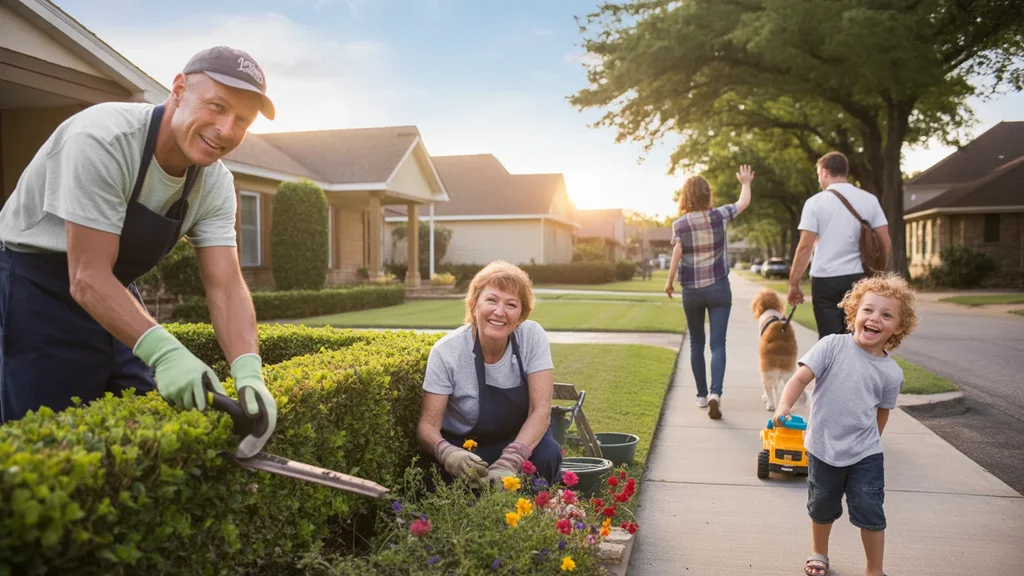
Local news and community coverage in New Braunfels tends to frame the city through the lens of managed growth, heritage preservation, and quality-of-life debates. The tone is generally optimistic but not uncritical, reflecting a community that takes civic engagement seriously. Recurring topic categories include:
- “New Development Brings Amenities and Questions About Pace”
- “River Conservation Efforts Balance Tourism and Ecology”
- “Residents Weigh Convenience Against Small-Town Character”
- “Infrastructure Projects Aim to Keep Up with Population Growth”
- “Community Events Celebrate German Heritage and Local Identity”
These themes reveal a city trying to honor its past while accommodating its present. There’s pride in the river culture, the historic downtown, and the community festivals, but also pragmatic recognition that growth requires infrastructure investment and planning. The coverage doesn’t declare New Braunfels a success or a cautionary tale; it presents the city as a work in progress, shaped by ongoing decisions about density, preservation, and priorities.
Review-Based Public Perception
On platforms like Google Reviews, Yelp, and Nextdoor-style community boards, New Braunfels earns praise for outdoor recreation, family-friendly amenities, and a welcoming community atmosphere. People who wanted suburban comfort with access to nature tend to feel their expectations were met or exceeded. The rivers, parks, and green space access create genuine delight for households that prioritize outdoor lifestyle over urban texture.
But the same reviews reveal friction points. Grocery accessibility is sparse by density measures, meaning day-to-day costs often include longer drives and less convenience than people expect from a city this size. Newer planned areas offer amenities and walkability within their boundaries, but older pockets lack sidewalks and pedestrian infrastructure. The hospital presence provides reassurance, but school density falls below thresholds, creating concern among families about capacity and access as enrollment grows.
People who moved from larger cities sometimes express disappointment about dining variety, nightlife options, and cultural programming. Those who moved from rural areas or smaller towns tend to feel New Braunfels offers plenty of activity and convenience. Expectation matching drives satisfaction more than any objective measure of quality.
How New Braunfels Compares to Nearby Cities
| Dimension | New Braunfels | San Antonio | San Marcos |
|---|---|---|---|
| Overall Vibe | Suburban river town, family-oriented, growth tension | Urban metro, diverse, dense, full-service infrastructure | College town, younger demographic, more transient, walkable core |
| Pace of Life | Slower than San Antonio, faster than it used to be | Metro pace, traffic, urban energy | College-town rhythm, seasonal population shifts |
| Outdoor Access | River culture central, parks integrated | Parks present but less defining | River access strong, outdoor recreation emphasis |
| Walkability | Pockets only, car-dependent for errands | Walkable neighborhoods exist, transit available | Walkable downtown core, campus area pedestrian-friendly |
| Community Feel | Tight-knit but changing, heritage emphasis | Neighborhood-dependent, more anonymous | College-driven social scene, younger energy |
New Braunfels sits between San Antonio’s urban density and San Marcos’s college-town texture. If you want the infrastructure, walkability, and cultural variety of a major metro, San Antonio delivers that at the cost of higher density and metro-level traffic. If you want a younger, more transient community with a walkable core and university energy, San Marcos offers that but with less family-oriented stability. New Braunfels appeals to people who want suburban space, river recreation, and proximity to San Antonio without living in the city itself. It’s a choice that prioritizes outdoor lifestyle needs and family comfort over urban amenities and walkable convenience.
Voices from the Community
“We love the rivers and the parks. Our kids are outside constantly, and that’s exactly what we wanted. But we definitely need a car for everything — there’s no walking to the grocery store from our neighborhood.”
“I commute to San Antonio for work, and New Braunfels gives me the best of both worlds. I get a bigger house, a yard, and a quieter neighborhood, and I’m only 30 minutes from downtown when I want it.”
“It’s not the small town it used to be, and that’s hard to watch. But I understand why people are moving here — it’s still a good place to live, just different.”
“If you’re looking for nightlife or walkable urban neighborhoods, this isn’t it. But if you want a safe, family-friendly place with great outdoor access, New Braunfels delivers.”
“The tourism season changes everything. Summer weekends mean you avoid certain areas entirely unless you want to sit in traffic. The rest of the year, it’s peaceful.”
“We moved here as retirees, and it’s been perfect. The pace is manageable, the healthcare access is solid with the hospital nearby, and the river culture keeps things interesting without being overwhelming.”
“I wish there were more local businesses and less chain development. It feels like we’re becoming Anywhere, USA, instead of New Braunfels.”
Does New Braunfels Feel Like a Good Fit?
New Braunfels works for people who value outdoor recreation, suburban space, and family-oriented community structure more than urban texture, walkability, or cultural variety. It rewards households willing to drive for errands in exchange for river access and lower density. It fits people who see growth as opportunity rather than loss, or who can accept the tradeoff between vitality and intimacy.
It tends to frustrate people who need walkable neighborhoods, frequent transit, or car-free convenience. It challenges long-time locals mourning small-town character. It disappoints those expecting the infrastructure density and amenity variety of a larger city.
The city’s emotional profile isn’t about happiness as a fixed state — it’s about alignment between what you need and what New Braunfels offers. The rivers, parks, and green space create genuine quality of life for people who prioritize outdoor access. The proximity to San Antonio provides metro convenience without metro density. The family-oriented community culture supports child-rearing and neighborhood connection. But the car dependency, sparse errands accessibility, and limited school density create friction for households that need different infrastructure.
Understanding whether New Braunfels feels right requires honest assessment of your daily patterns, your tolerance for growth-driven change, and whether river-town identity and suburban comfort outweigh the tradeoffs of limited walkability and increasing congestion. The city doesn’t promise small-town simplicity or urban sophistication — it offers something in between, shaped by ongoing negotiation between heritage and growth.
How this article was built: In addition to public economic data, this article incorporates location-based experiential signals derived from anonymized geographic patterns—such as access density, walkability, and land-use mix—to reflect how day-to-day living actually feels in New Braunfels, TX.
The perspectives shown reflect commonly expressed local sentiment and recurring themes in public discussion, rather than individual accounts.