
What does it actually feel like to live in Douglasville? Not the stats, not the rankings—just the day-to-day emotional texture of being here. For some, it’s exactly the suburban reset they were looking for: affordable space, a yard, proximity to Atlanta without the Atlanta price tag. For others, it’s a tradeoff that starts to wear—long drives, limited walkability, and a sense that convenience requires constant planning.
Douglasville sits in that sweet spot—or pressure point, depending on your priorities—where affordability meets commuter reality. It’s a place where people tend to feel rewarded if they value space and quiet, but restless if they crave spontaneity, density, or easy access to urban texture. The vibe here isn’t about being the most exciting place in the metro; it’s about being a practical home base for people willing to drive for what they need.
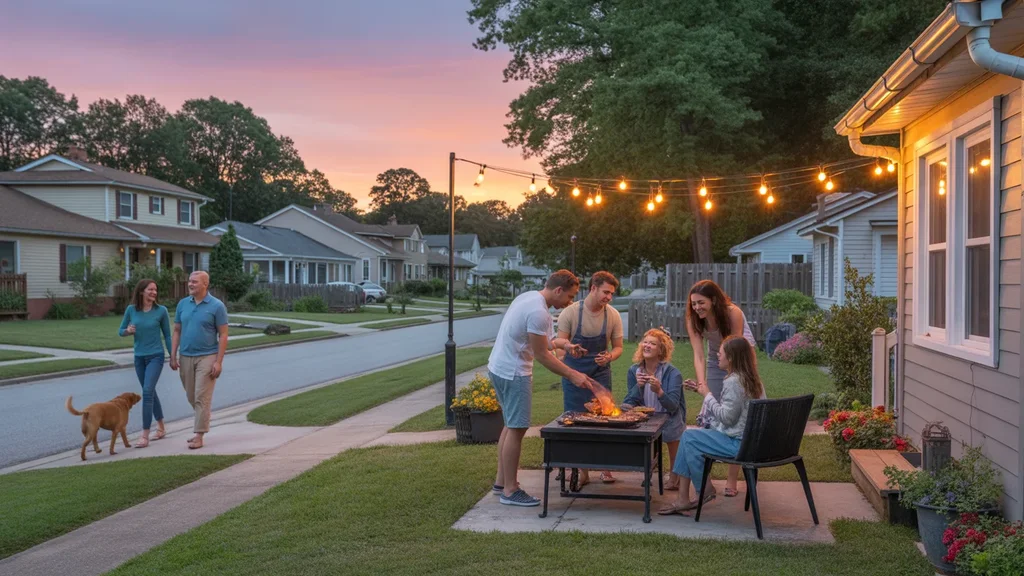
The Emotional Landscape of Douglasville
The overall sentiment in Douglasville reflects a community that knows what it is—and what it isn’t. People who move here from pricier parts of metro Atlanta often express relief: more house for the money, less traffic stress once you’re home, and a pace that feels manageable. There’s pride in the town’s identity as a place where families can stretch their budgets without sacrificing proximity to the city.
But that relief comes with friction for some. The structure of daily life here requires a car, and not just for commuting—errands, groceries, and even getting to parks or healthcare mean planning trips along main corridors. The pedestrian infrastructure exists in pockets, but it doesn’t create the kind of walkable rhythm that lets you pop out for coffee or run a quick errand on foot. For households that value spontaneity or prefer transit-oriented living, that texture can feel limiting.
What keeps coming up emotionally is the question of tradeoffs: Are you okay trading drive time and car dependency for space and affordability? If yes, Douglasville tends to feel like a smart move. If no, the [lifestyle requirements](/douglasville-ga/lifestyle-requirements/) start to feel like friction points rather than features.
What’s Buzzing on Social Media
In local Facebook groups and regional subreddit threads, Douglasville conversation tends to cluster around a few recurring themes: commute logistics, where to shop, what’s opening or closing, and the ongoing negotiation between growth and character. The tone is often pragmatic—people sharing tips, venting about traffic on I-20, or celebrating a new restaurant option.
There’s also a thread of protectiveness. Long-time residents sometimes express concern that the town is losing its small-town feel as development accelerates, while newcomers tend to focus on what’s still missing—more dining variety, better parks, or improved walkability. The tension isn’t hostile, but it’s present: a community figuring out what it wants to become.
“It’s not fancy, but it works for us. We got a house we could actually afford, and we’re close enough to Atlanta when we need it.”
“I wish there were more things within walking distance. Everything requires getting in the car, even just to grab milk.”
“People complain, but honestly, if you want suburban space and you’re okay with driving, this place makes sense.”
How Local Coverage Frames the Town
Local news and community coverage in Douglasville tends to focus on growth, infrastructure, and identity. The framing is often forward-looking—new developments, road projects, business openings—but with an undercurrent of debate about what kind of place Douglasville should be. Headlines and story themes reflect a town in transition, balancing its roots with the pressures of metro expansion.
- “Community Debates What Growth Should Look Like”
- “New Retail Arrives as Town Identity Evolves”
- “Residents Weigh Convenience vs Quiet”
- “Commute Times Shape Daily Routines for Many”
- “Local Parks and Green Spaces Draw Families”
The tone is rarely alarmist, but it’s not boosterish either. Coverage reflects a community that’s aware of its tradeoffs and actively negotiating them, rather than pretending they don’t exist.
Review-Based Public Perception
On platforms like Google Reviews, Yelp, and Nextdoor-style community boards, Douglasville’s public perception reflects a split between expectation matching and expectation friction. People who moved here wanting suburban comfort, affordability, and a manageable pace tend to leave positive reviews: they got what they came for. People who expected more walkability, dining variety, or urban texture tend to express mild disappointment—not anger, but a sense that the town didn’t quite deliver the convenience they hoped for.
Praise often centers on housing value, yard space, and the ability to access Atlanta without living in it. Complaints tend to focus on car dependency, limited dining and entertainment options, and the feeling that errands require more planning than they would in denser areas. Neighborhood variation exists—newer planned areas tend to feel more polished and family-oriented, while older pockets have more character but less consistency in upkeep.
The recurring theme is alignment: if you know what you’re getting, Douglasville delivers. If you’re hoping it will feel like something it’s not, the friction shows up quickly.
Comparing Douglasville to Nearby Cities
| Dimension | Douglasville | Marietta | Carrollton |
|---|---|---|---|
| Overall Vibe | Practical suburban base, car-dependent | More polished, walkable pockets, higher cost | Smaller-town feel, more isolated from metro |
| Walkability | Limited, corridor-focused | Better in historic areas, mixed overall | Minimal, very car-oriented |
| Dining & Amenities | Chain-heavy, growing slowly | More variety, local spots emerging | Limited, college-town options |
| Commute Tradeoff | Moderate drive to Atlanta, affordable housing | Shorter commute, higher housing pressure | Longer commute, more space for less |
| Family Fit | Affordable, but school density lower | Strong schools, higher competition | Quieter, fewer family amenities |
Marietta offers more urban texture and walkable pockets, but you’ll pay for it—both in [housing costs](/douglasville-ga/housing-costs/) and competition. If you want a more polished suburban experience with better dining and shorter commutes, Marietta tends to deliver, but the affordability advantage shrinks. Carrollton, on the other hand, leans even further into small-town life: more space, lower costs, but also more isolation and fewer amenities. Douglasville sits in the middle—less polished than Marietta, less isolated than Carrollton, and more affordable than both if you’re willing to drive.
What Locals Are Saying
“We moved here from Buckhead and it was a huge adjustment at first. But now? We love the space, the quiet, and the fact that our kids have a yard. We just plan our trips into the city better now.”
“I work remotely, so the commute doesn’t hit me, but my partner drives to Midtown every day and it’s rough. We knew that going in, but some days it feels like a lot.”
“Douglasville gets a bad rap sometimes, but honestly, it’s fine. It’s not trying to be something it’s not. You get what you pay for, and for us, that’s a good deal.”
“I wish there were more local coffee shops or places to just walk around. Everything feels like it’s designed for driving through, not hanging out.”
“We’re retirees and we love it here. It’s quiet, affordable, and we’re close enough to Atlanta for doctor’s appointments or visiting grandkids. No complaints.”
“If you’re young and want nightlife or walkability, this isn’t it. But if you’re raising a family and want a house you can actually afford, it makes sense.”
“The bus service exists, but let’s be real—you need a car here. That’s just the reality.”
Does Douglasville Feel Like a Good Fit?
Douglasville works best for people who prioritize space, affordability, and proximity to Atlanta over walkability, spontaneity, or dense urban amenities. It’s a place where the structure of daily life requires a car and intentional planning—errands cluster along corridors, parks require a short drive, and getting to work or entertainment means time on the road. For families stretching a budget, commuters willing to trade drive time for square footage, or households that value quiet and privacy, that tradeoff tends to feel worth it.
But for those who crave walkable neighborhoods, transit options, or the ability to pop out for errands on foot, Douglasville’s texture can feel limiting. The infrastructure supports driving, not strolling, and the rhythm of life here reflects that. It’s not a place that surprises you with spontaneity—it’s a place that rewards planning and car ownership.
If you’re considering Douglasville, the question isn’t whether it’s “happy” or “good”—it’s whether the tradeoffs align with how you actually want to live. If you’re okay with the drive and the car dependency in exchange for affordability and space, it tends to work. If you’re hoping for something more walkable or urban, the friction will show up quickly. Understanding the [monthly budget](/douglasville-ga/monthly-budget/) realities and how the structure of daily life shapes costs and convenience will help you decide whether this place fits your rhythm—or fights it.
How this article was built: In addition to public economic data, this article incorporates location-based experiential signals derived from anonymized geographic patterns—such as access density, walkability, and land-use mix—to reflect how day-to-day living actually feels in Douglasville, GA.
The perspectives shown reflect commonly expressed local sentiment and recurring themes in public discussion, rather than individual accounts.